Chef Juliette
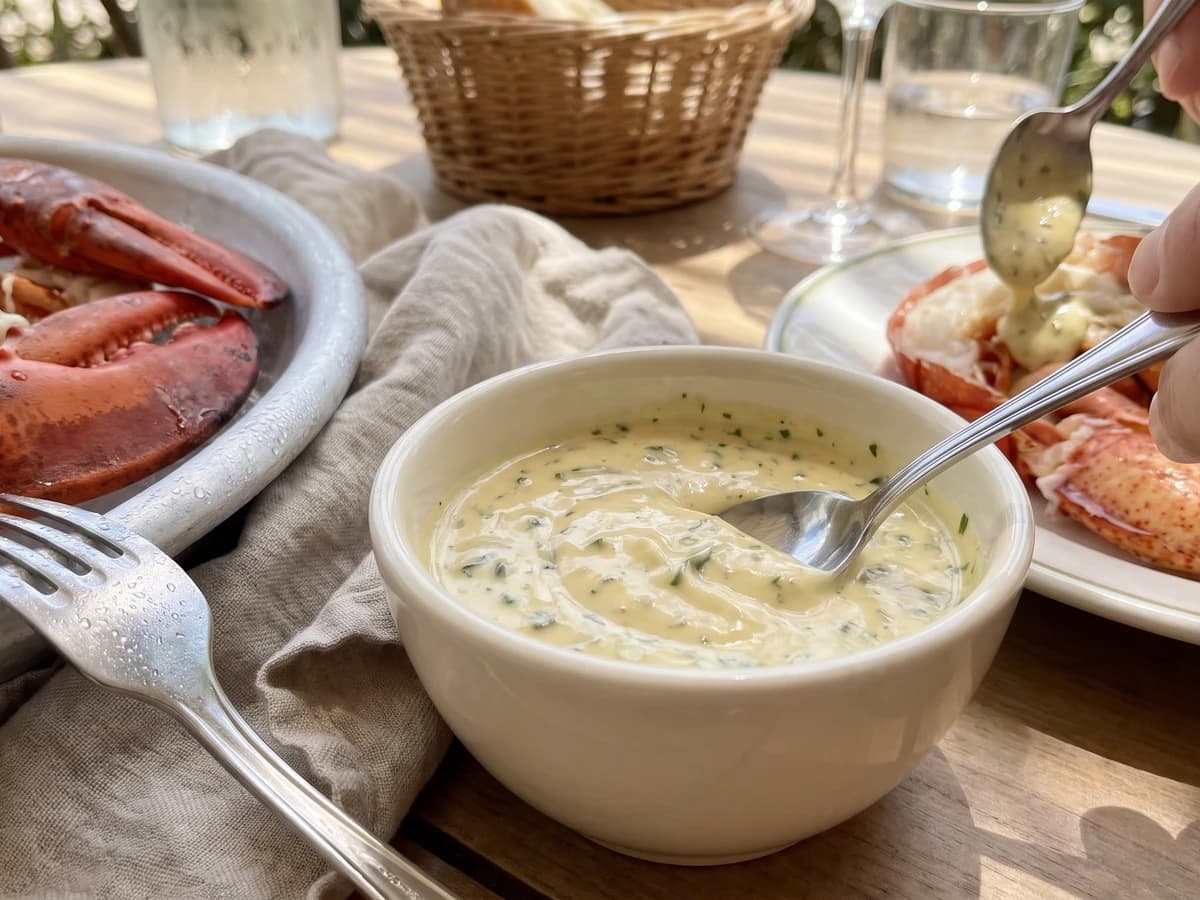
Remoulade Sauce
Rémoulade teaches the cold emulsion family: keep its mayonnaise firm, press every salty garnish dry, then sharpen it with mustard, herbs, and anchovy for lobster, poultry, or cold roast.

Updated July 22, 2026
The cold sauces and compound butters of the classical repertoire. Mayonnaise is the mother here, and Andalouse, Remoulade, Vincent, and Green Sauce all branch off it; beside them sit Provence's aioli, the English sauces Escoffier drew in for cold meat and game, and the compound butters that finish a grill, a fish à la meunière, or a shellfish sauce. Learn to hold an emulsion and to pound a butter smooth and the whole chapter opens. When it turns, ça se rattrape. C'est la même grammaire.
A cooking platform built around craft, culture, and the stories behind what we eat.
Chef Juliette
Rémoulade teaches the cold emulsion family: keep its mayonnaise firm, press every salty garnish dry, then sharpen it with mustard, herbs, and anchovy for lobster, poultry, or cold roast.
Chef Juliette
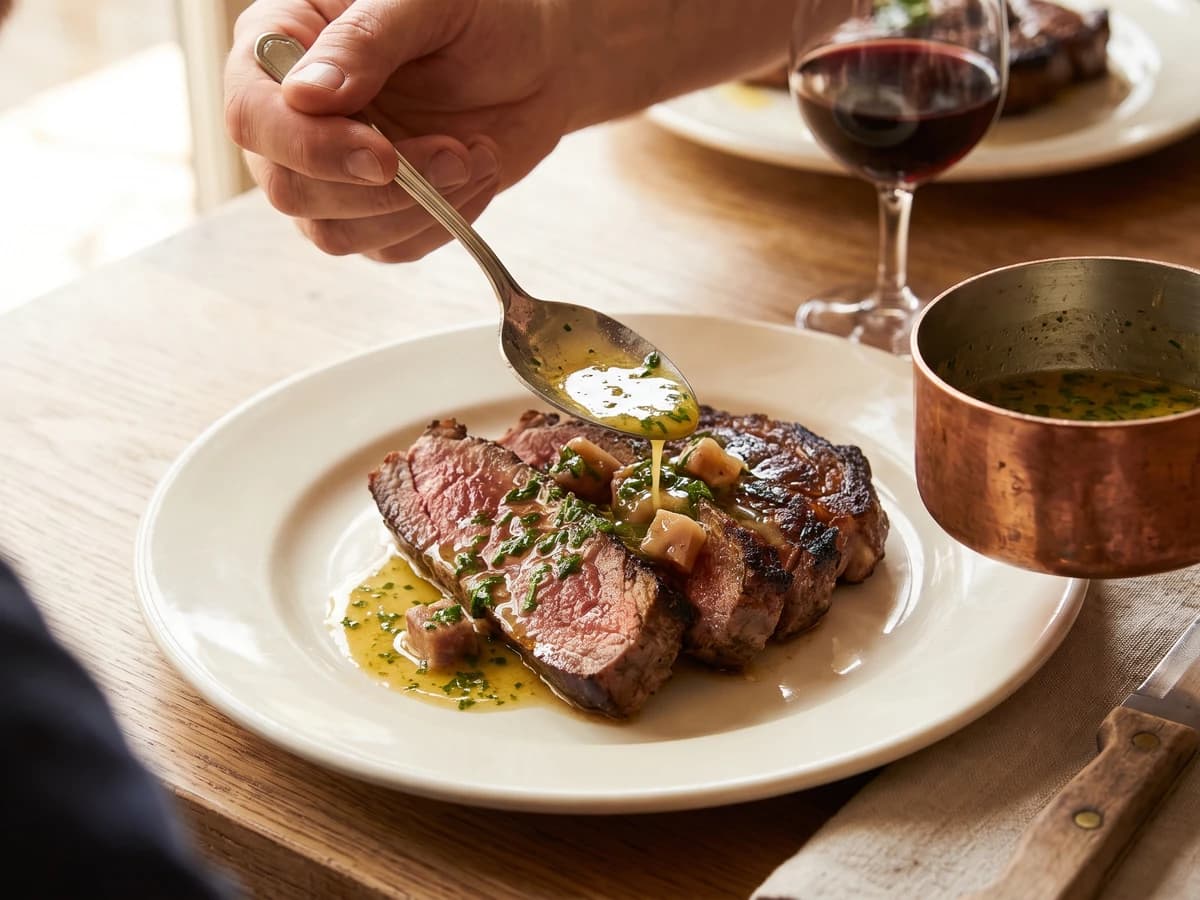
Beurre Bercy is the warm compound butter that teaches restraint: white wine and shallots reduced hard, then worked with creamed butter, parsley, and tender marrow until loose and glossy, never melted through.
Chef Juliette
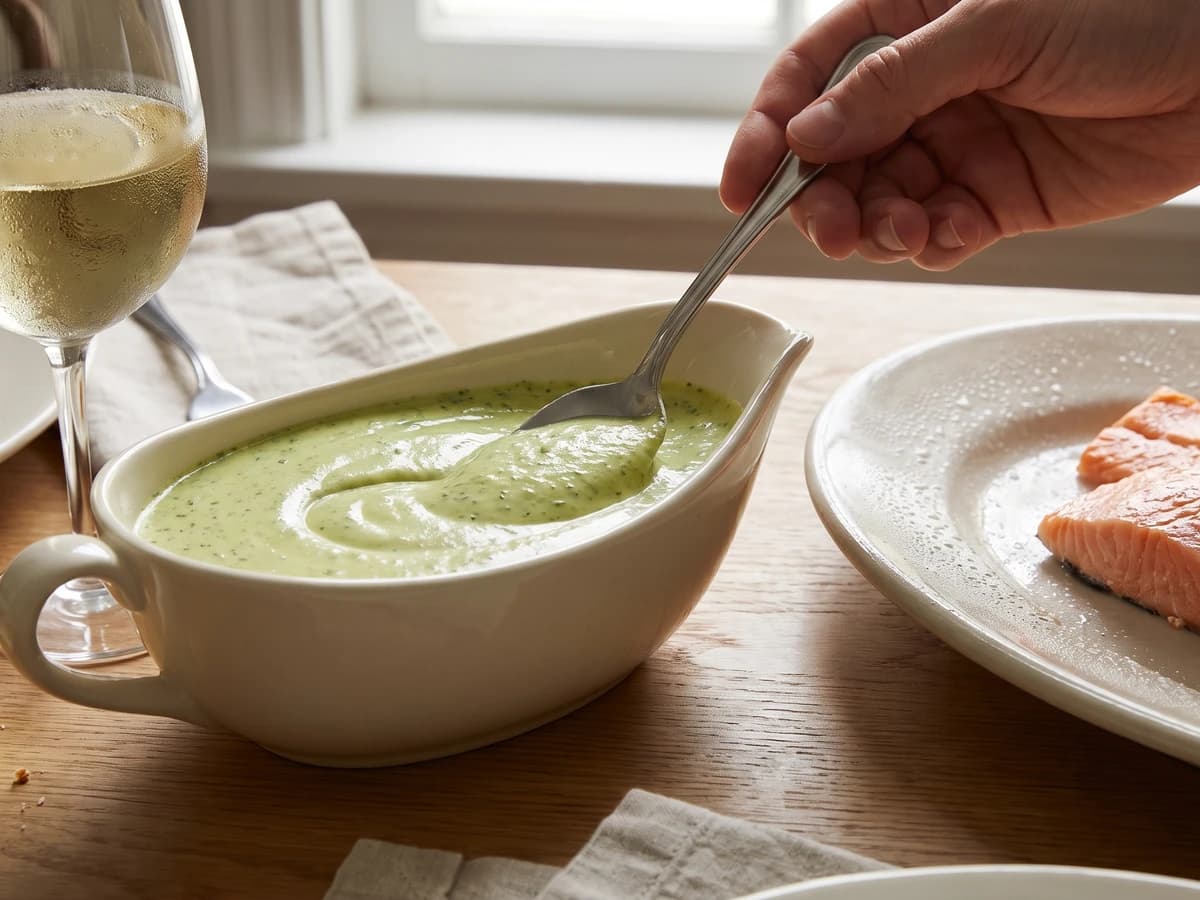
Sauce Génoise is the cold emulsion that proves texture begins before oil: pistachios and pine nuts pounded to silk, built into mayonnaise, then sharpened with lemon and greened with four scalded herbs.
Chef Juliette
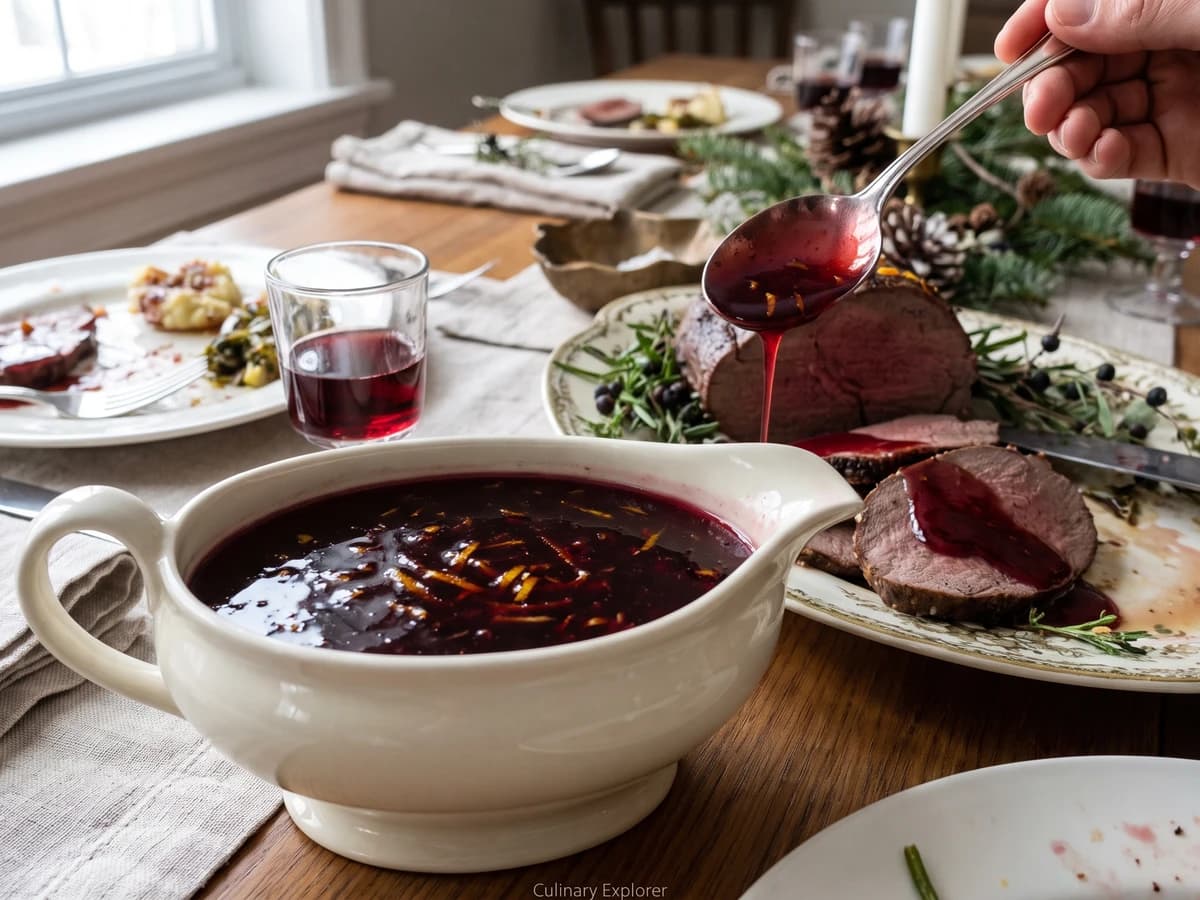
Sauce Cumberland turns red-currant jelly and port into a cold, garnet-bright companion for venison, sharpened with scalded citrus julienne, mustard, ginger, and cayenne, with sweetness held firmly in check.
Chef Juliette
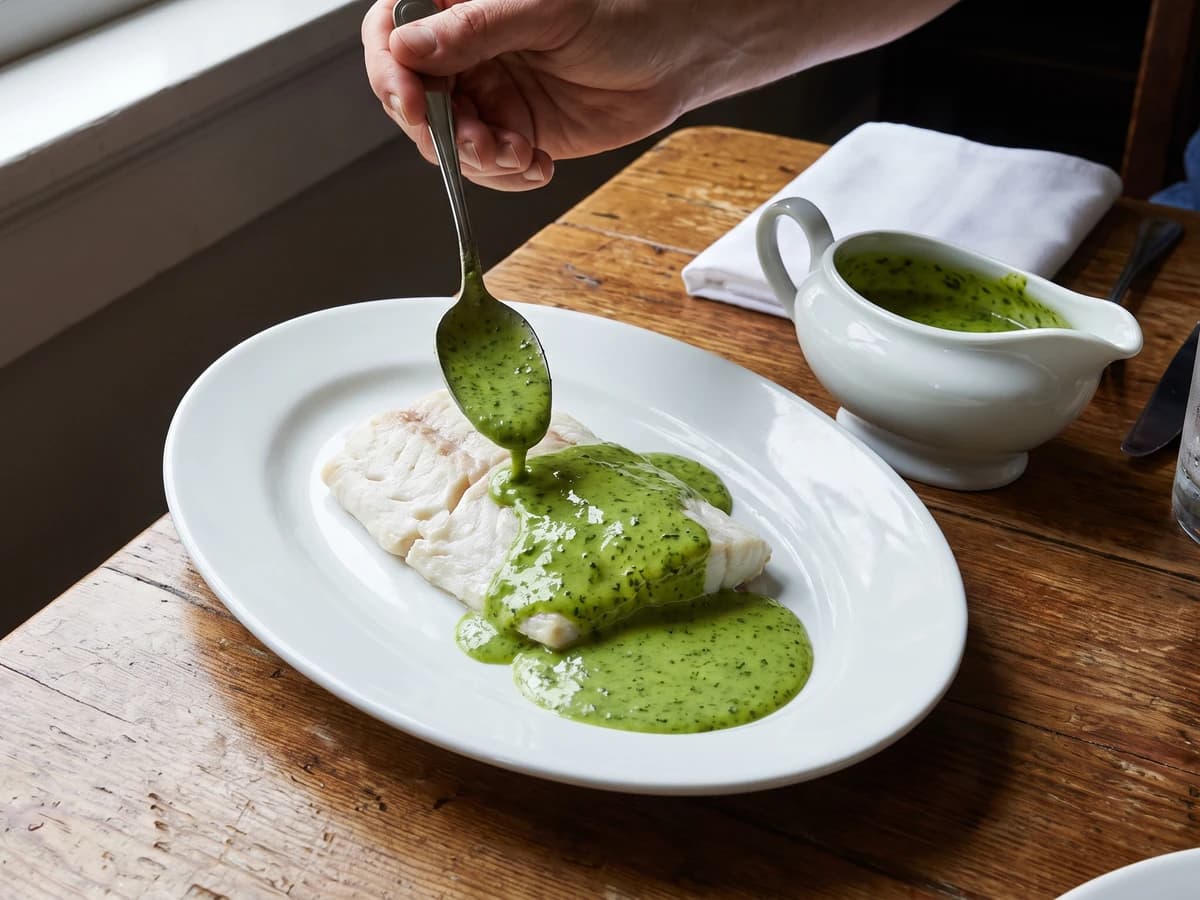
Sauce verte is an emulsion lesson in one bowl: begin with mayonnaise stiffer than you want, then add vivid herb juice in the classical three-to-one proportion for cold fish and shellfish.
Chef Juliette
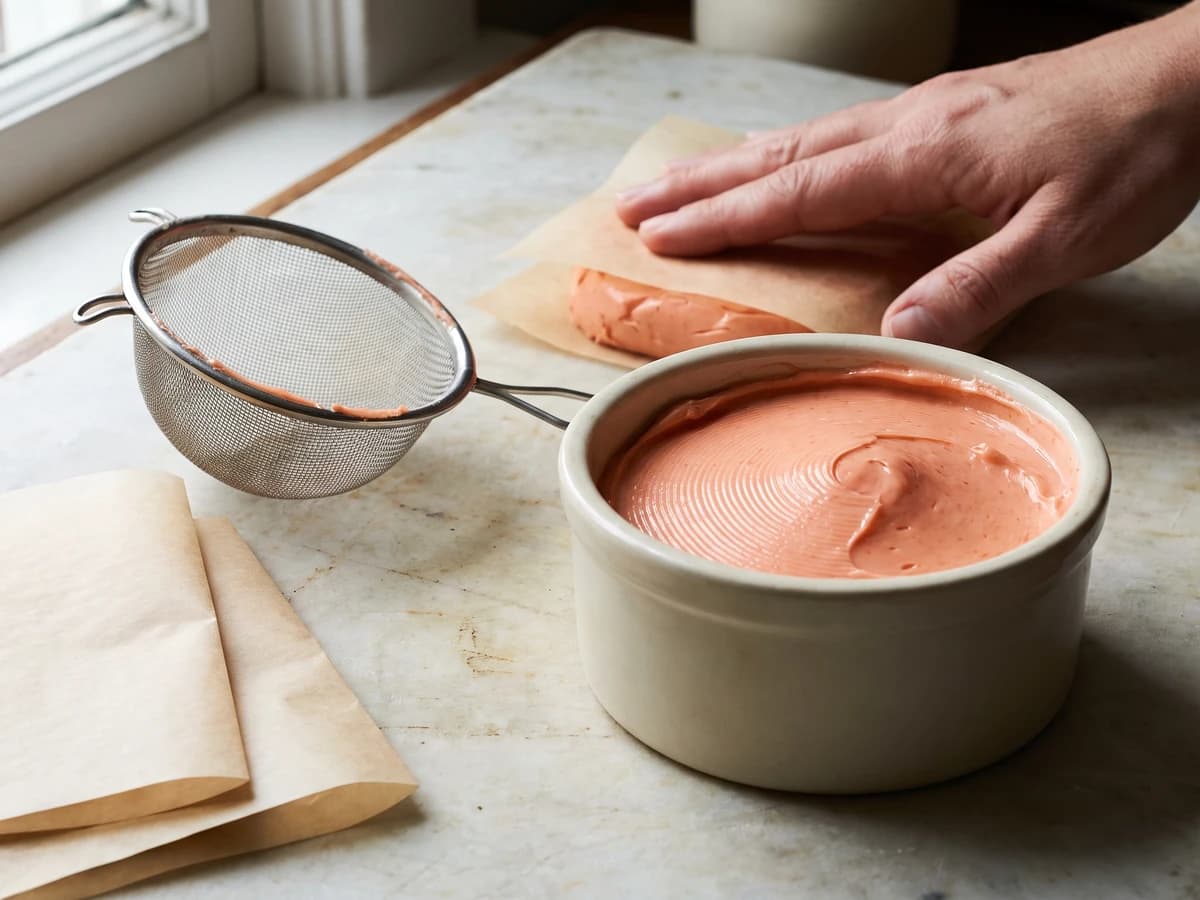
Beurre de crevettes turns the shrimp bowl’s scraps into coral silk: equal weights of cooked remains and real butter, ground fine and passed twice through the sieve until no shell grit survives.
Chef Juliette
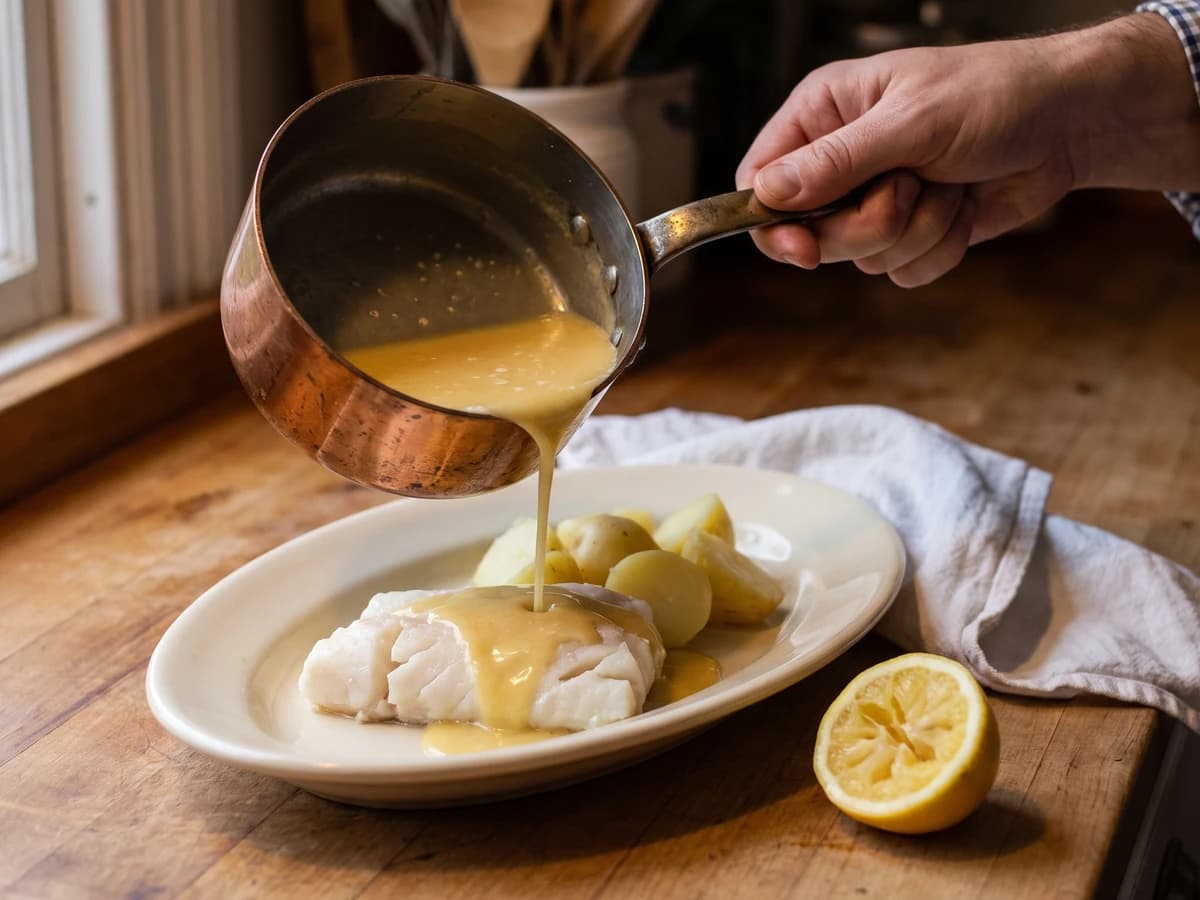
Beurre fondu asks for three minutes and complete attention: real butter, barely melted, sharpened with salt and lemon, then sent straight to boiled fish before its milky emulsion separates.
Chef Juliette
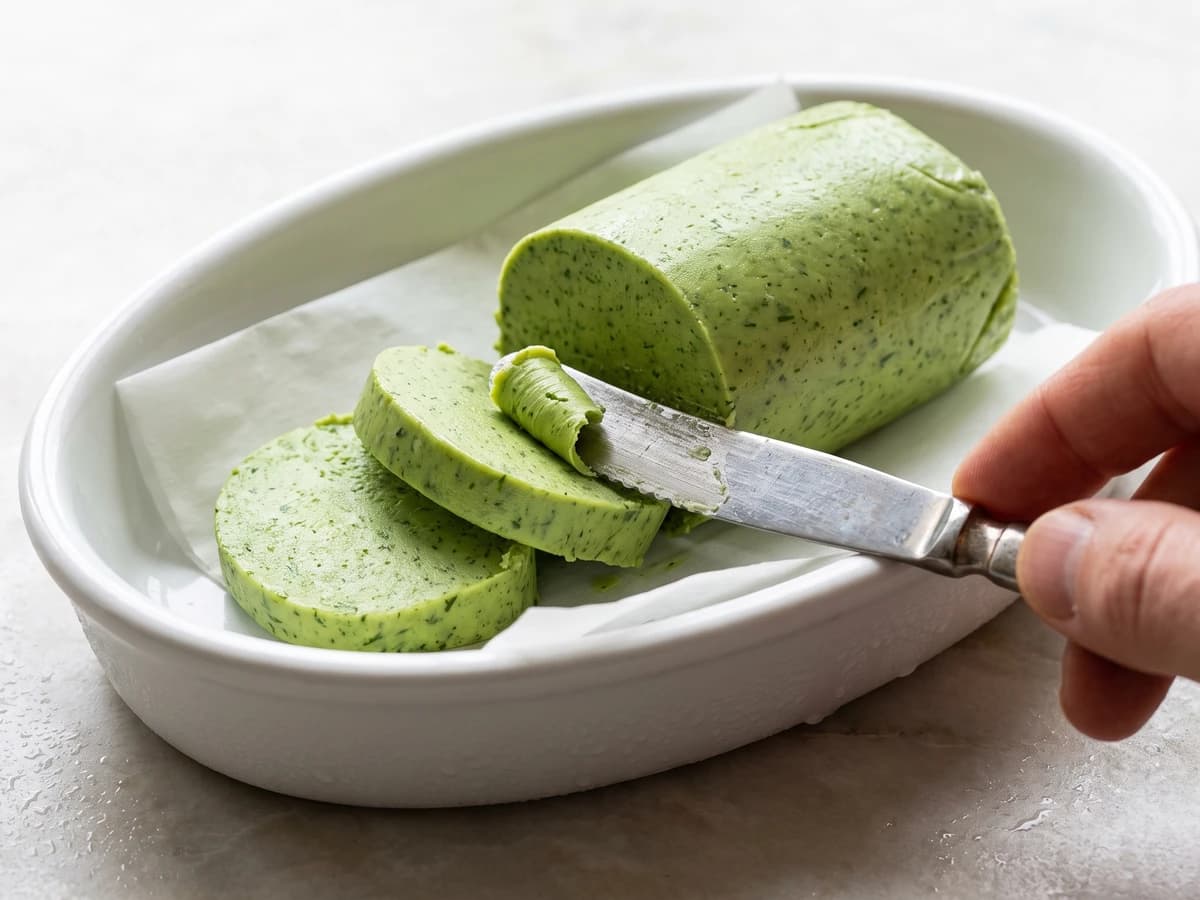
Beurre d'Estragon turns fresh tarragon into a vivid green finishing butter, preserving its anise perfume through a quick scald, an ice-cold shock, and patient sieving.
Chef Juliette
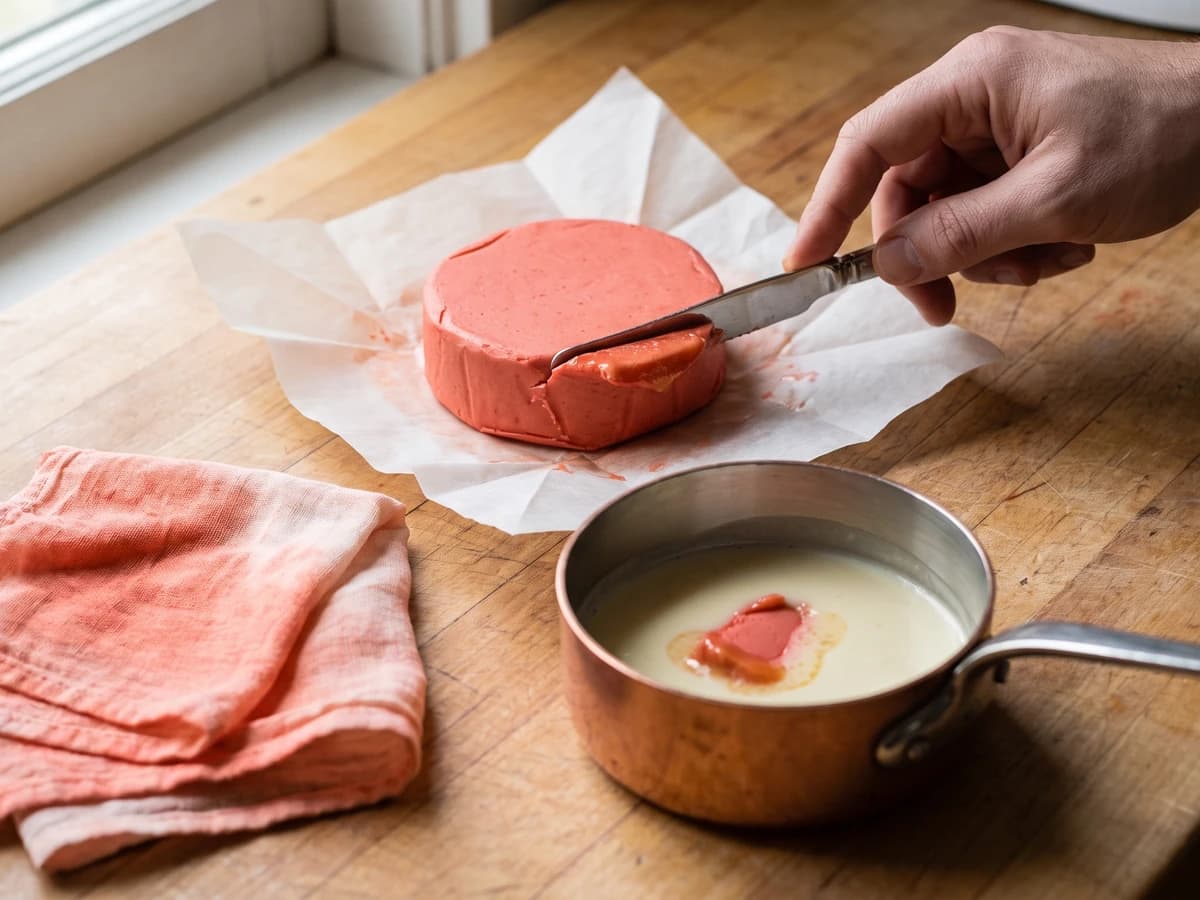
Crustacean shells, dried brittle and ground fine, surrender their coral-red pigment to butter in a gentle bain-marie, making a concentrated finishing fat that colours classical sauces without hiding their character.
Chef Juliette
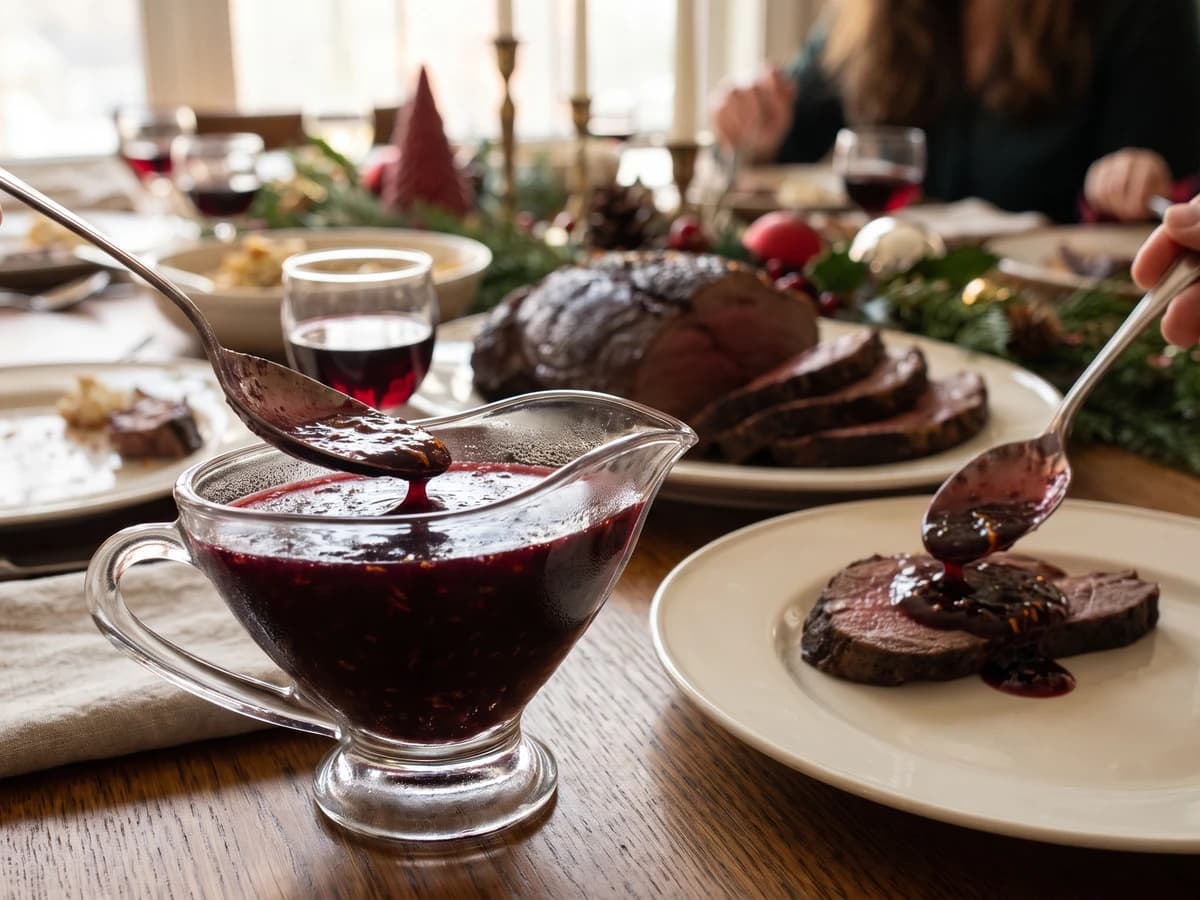
Sauce Oxford is Cumberland's quieter twin: red-currant jelly and port sharpened with citrus, mustard, ginger, and cayenne, its zest rasped fine so the sauce stays smooth beside cold venison and other game.
Chef Juliette
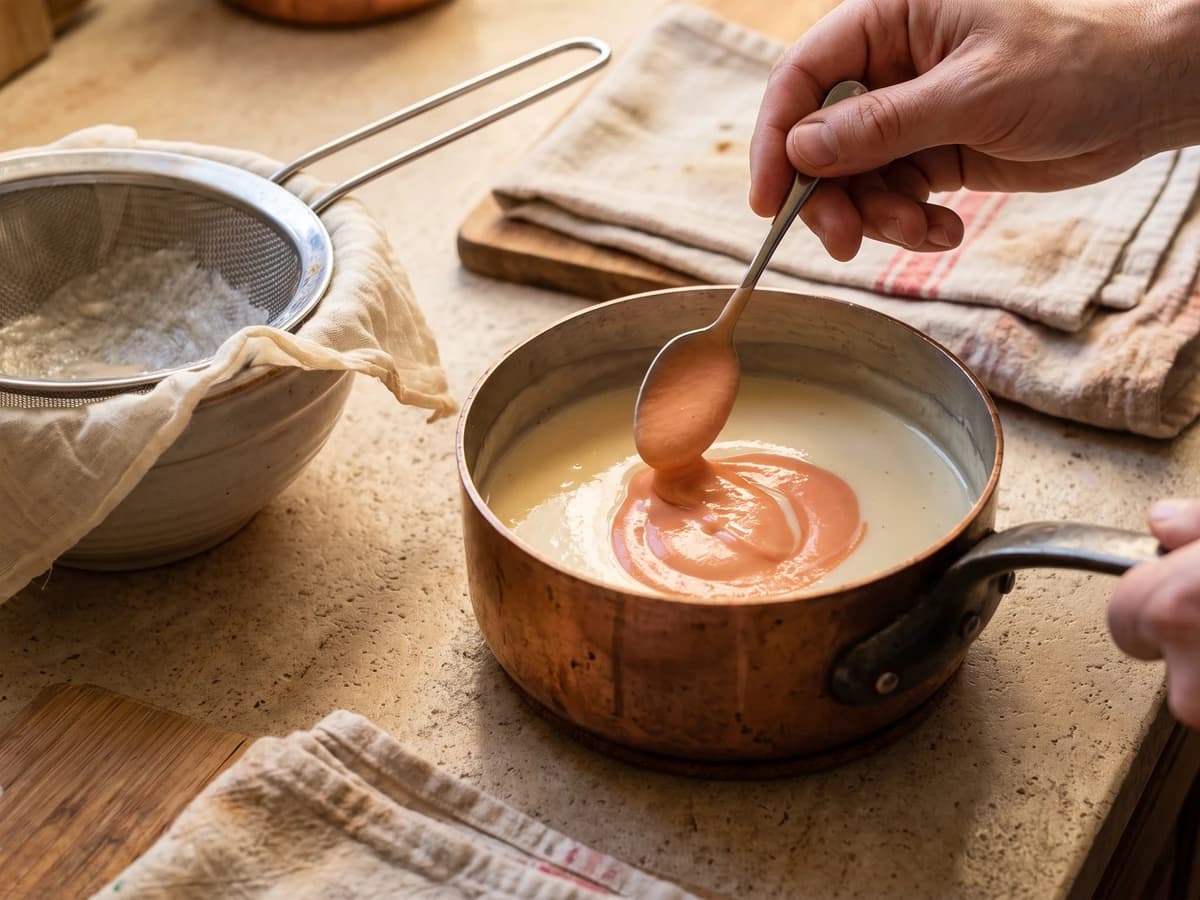
Coulis Variés de Crustacés concentrates shellfish into a coral-ivory ribbon, pounded with cream, twice sieved, and folded into a finished fish sauce at the last possible moment.
Chef Juliette
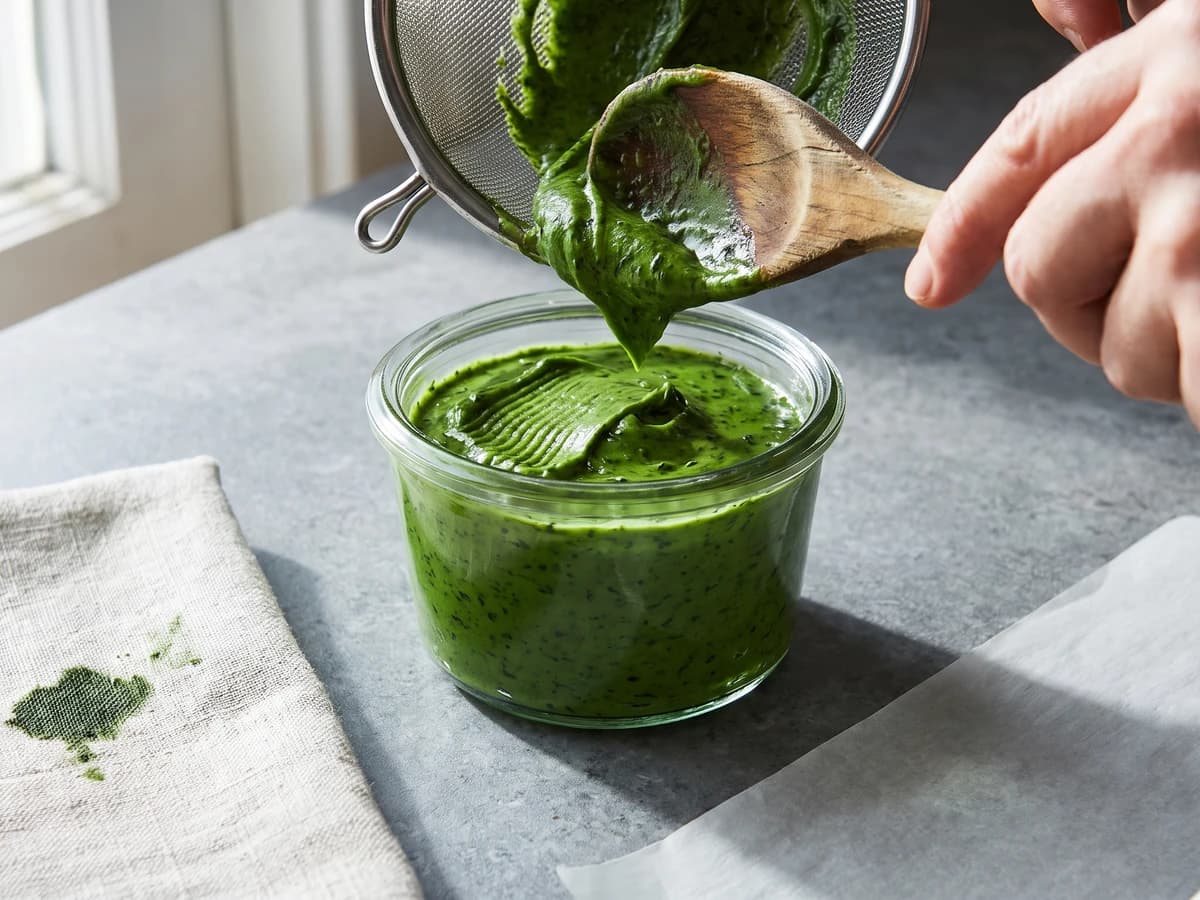
Beurre de Chivry teaches the discipline behind every green finishing butter: blanch fast, cool hard, wring completely dry, then marry the herb purée to butter without dulling its color.
Chef Juliette
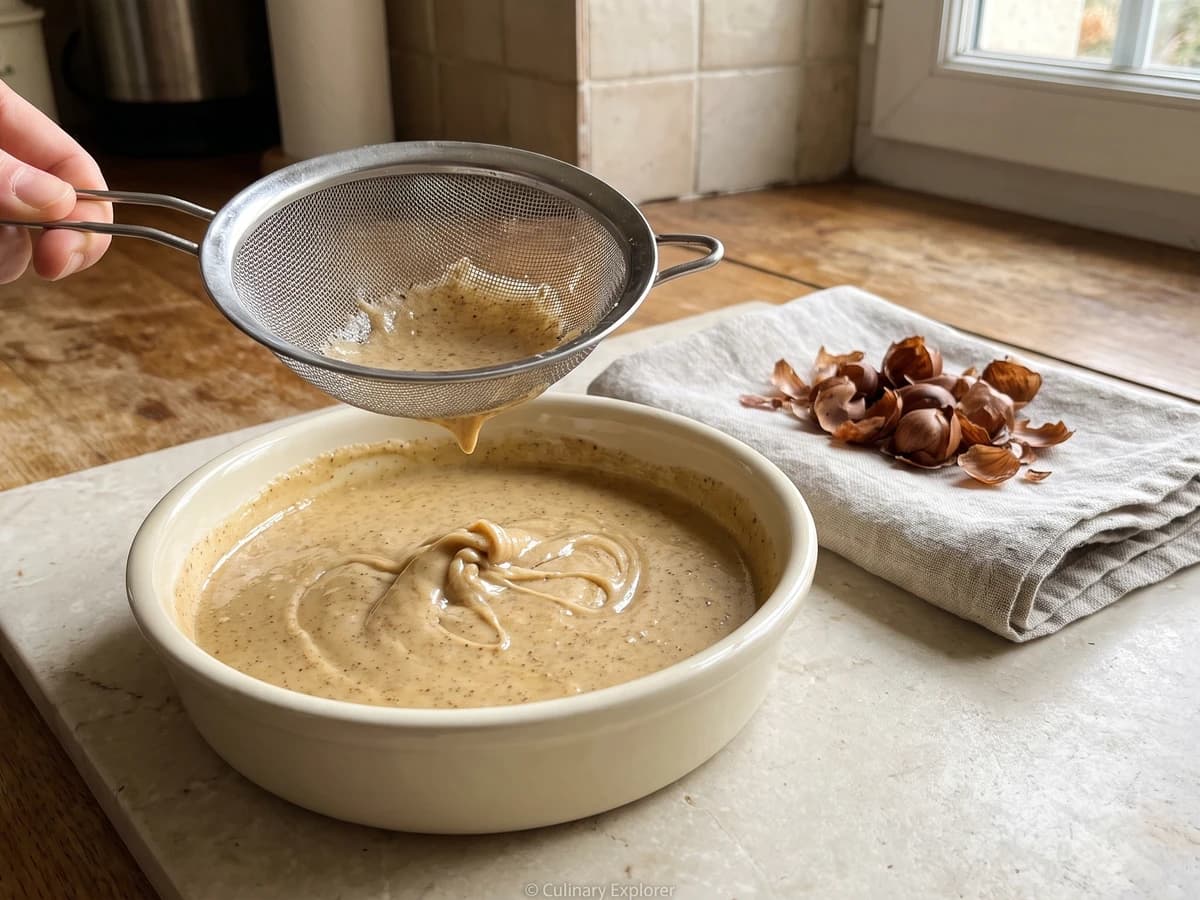
Beurre de noisettes teaches restraint: warm the nuts only enough to shed their skins, add water by drops as you pound, then marry the paste with its equal weight of butter.
Chef Juliette
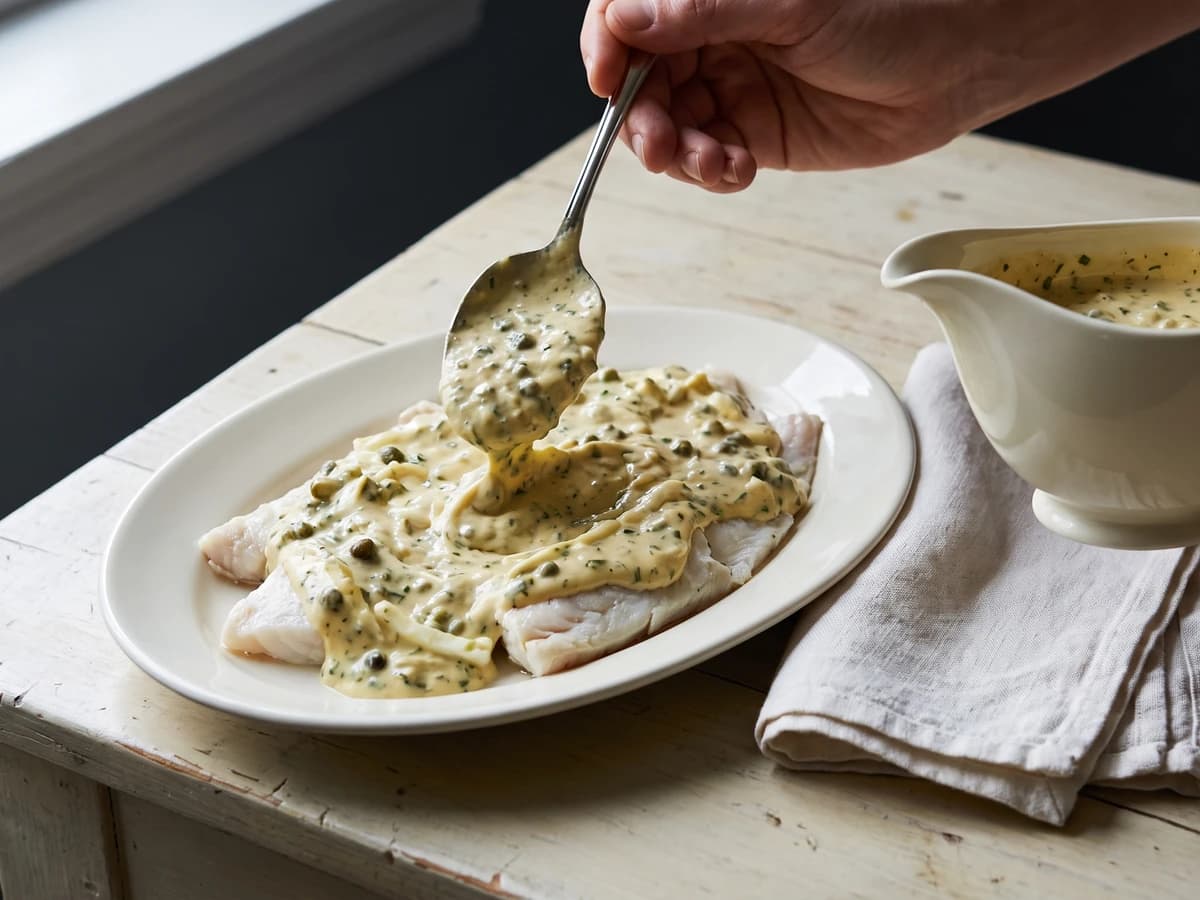
Hard-boiled yolks, mustard, and patient oil make sauce gribiche, a cool, softly textured emulsion sharpened with capers, gherkins, three herbs, and fine rods of egg white for cold fish.
Chef Juliette
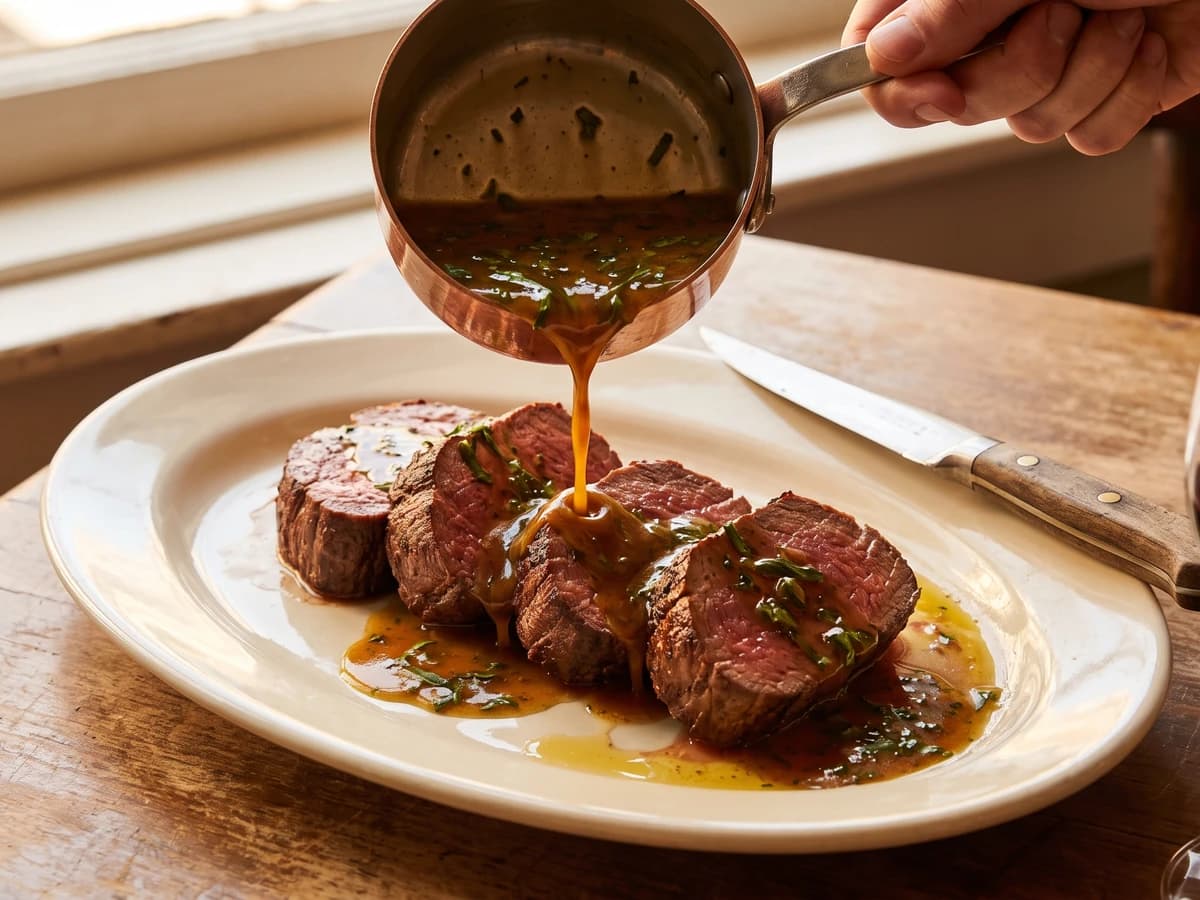
Beurre Châteaubriand turns a firm white-wine reduction and veal gravy into a glossy sauce with herb butter and tarragon, succeeding only when the pan leaves the fire.
Chef Juliette
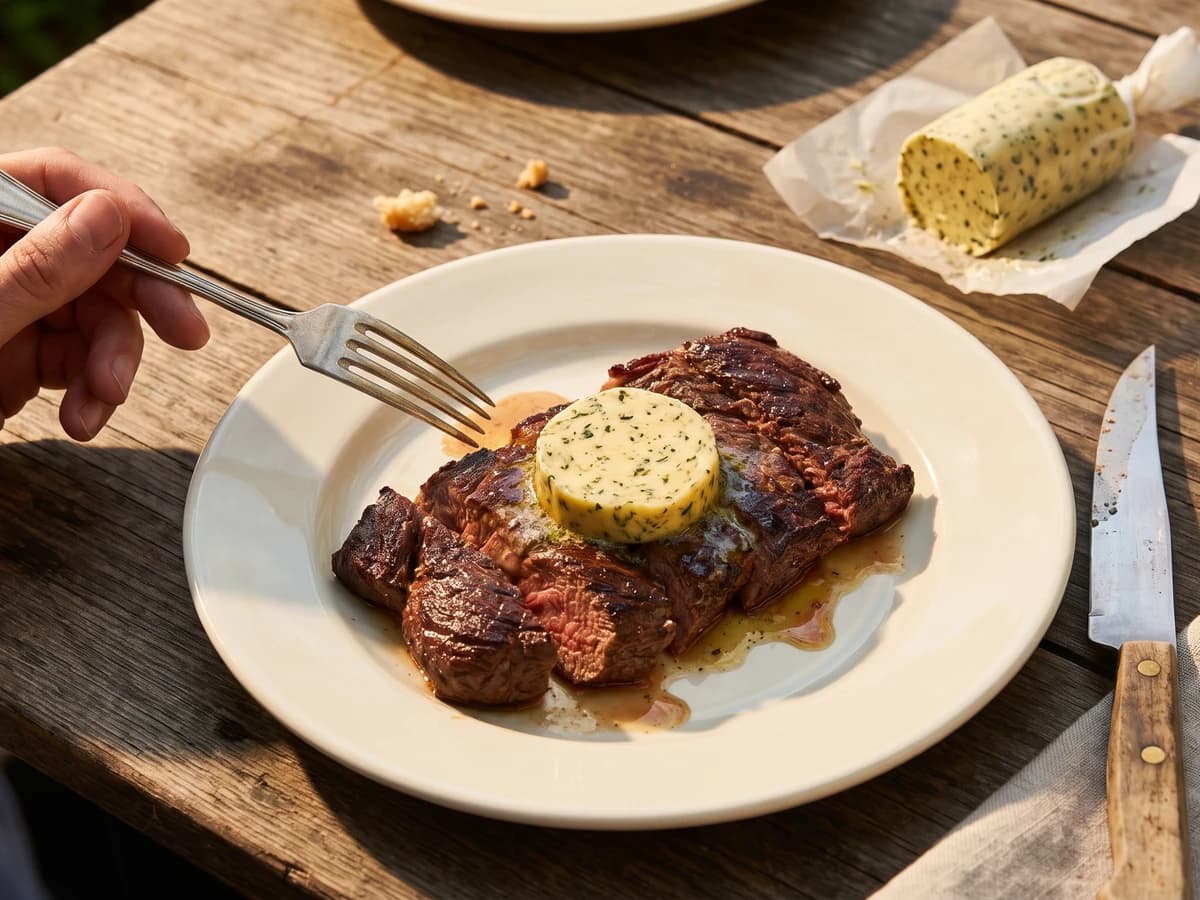
Beurre à la Maître d’Hôtel turns a cold coin of parsley-lemon butter into a glossy sauce on contact with a hot grill, teaching that timing and texture can replace an entire saucier’s station.
Chef Juliette
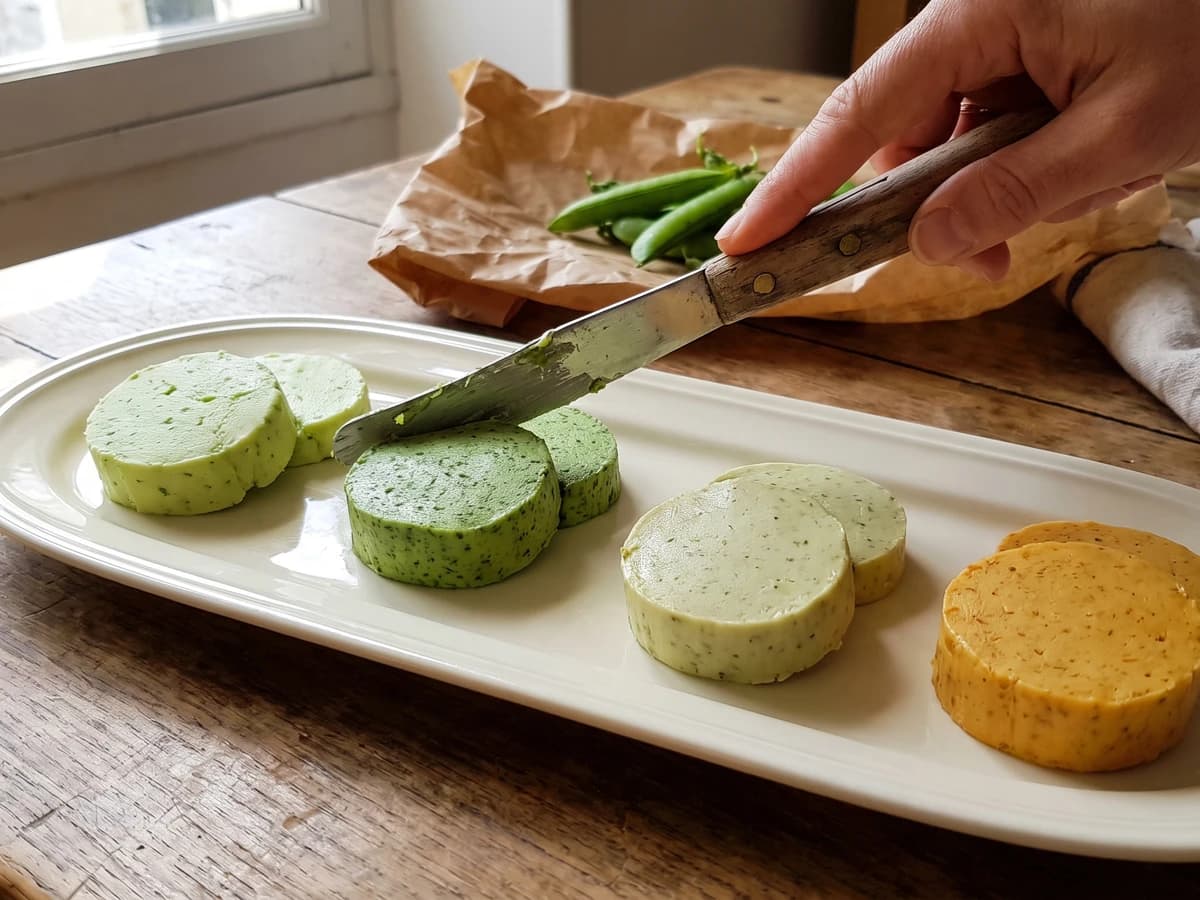
Four early vegetables become four jewel-bright butters, each cooked to preserve its own character, passed smooth, and matched weight for weight with real butter for fish, eggs, or spring vegetables.
Chef Juliette
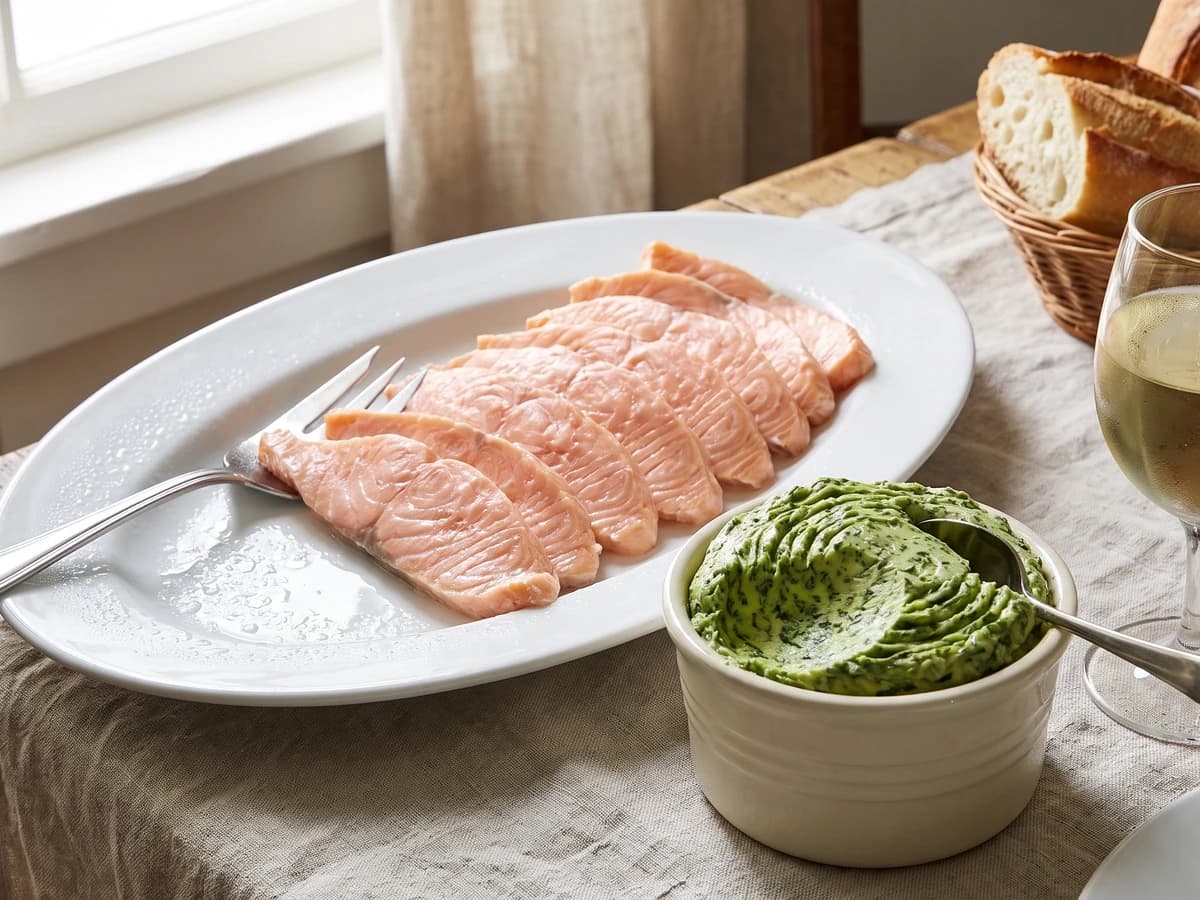
Beurre de Montpellier, bright with five herbs, capers, gherkins, anchovy, and garlic, teaches the cold emulsion: expel every drop of blanching water, then let butter, yolks, and oil become one.
Chef Juliette
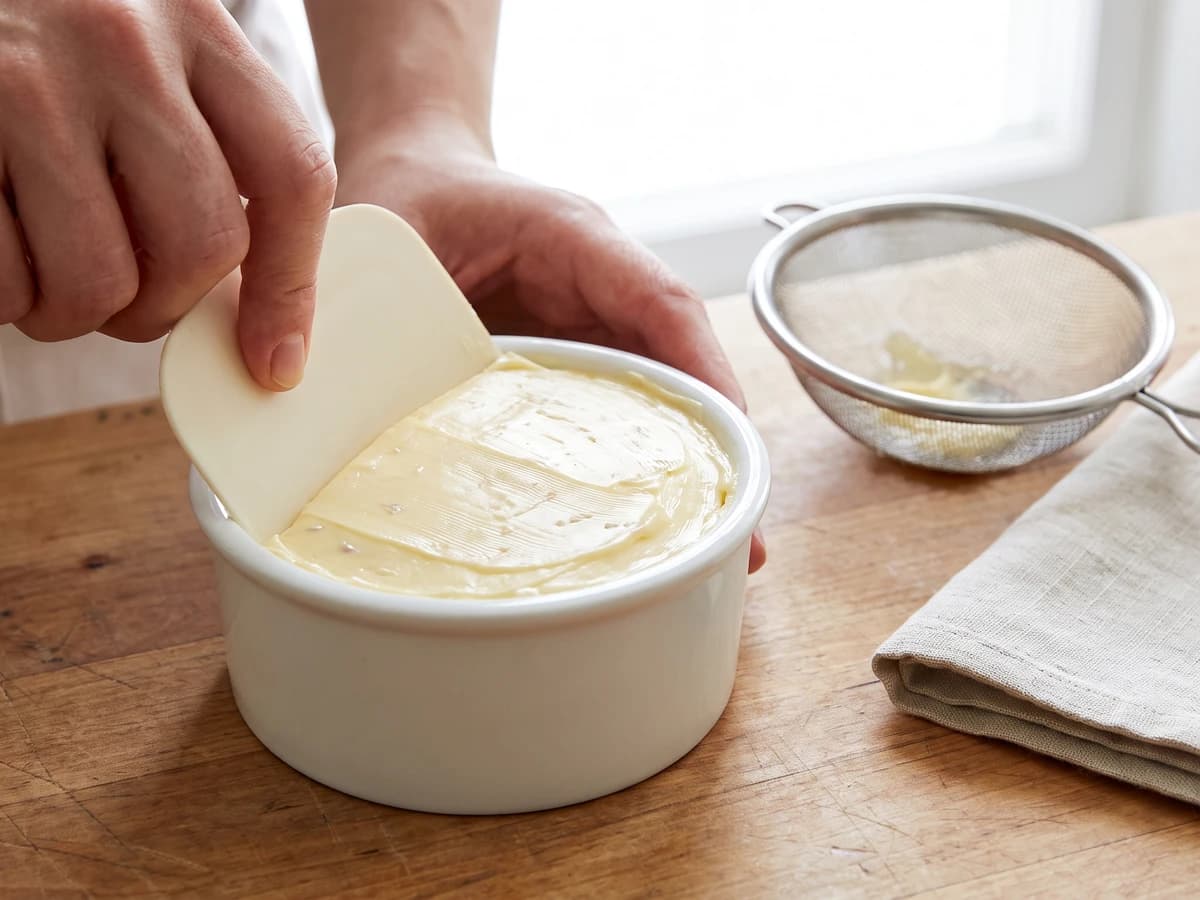
Beurre d'échalote teaches restraint: scald away the shallot's raw bite, press out every drop of water, then bind its perfume into real butter for classical sauces that finish cleanly and gleam.
Chef Juliette
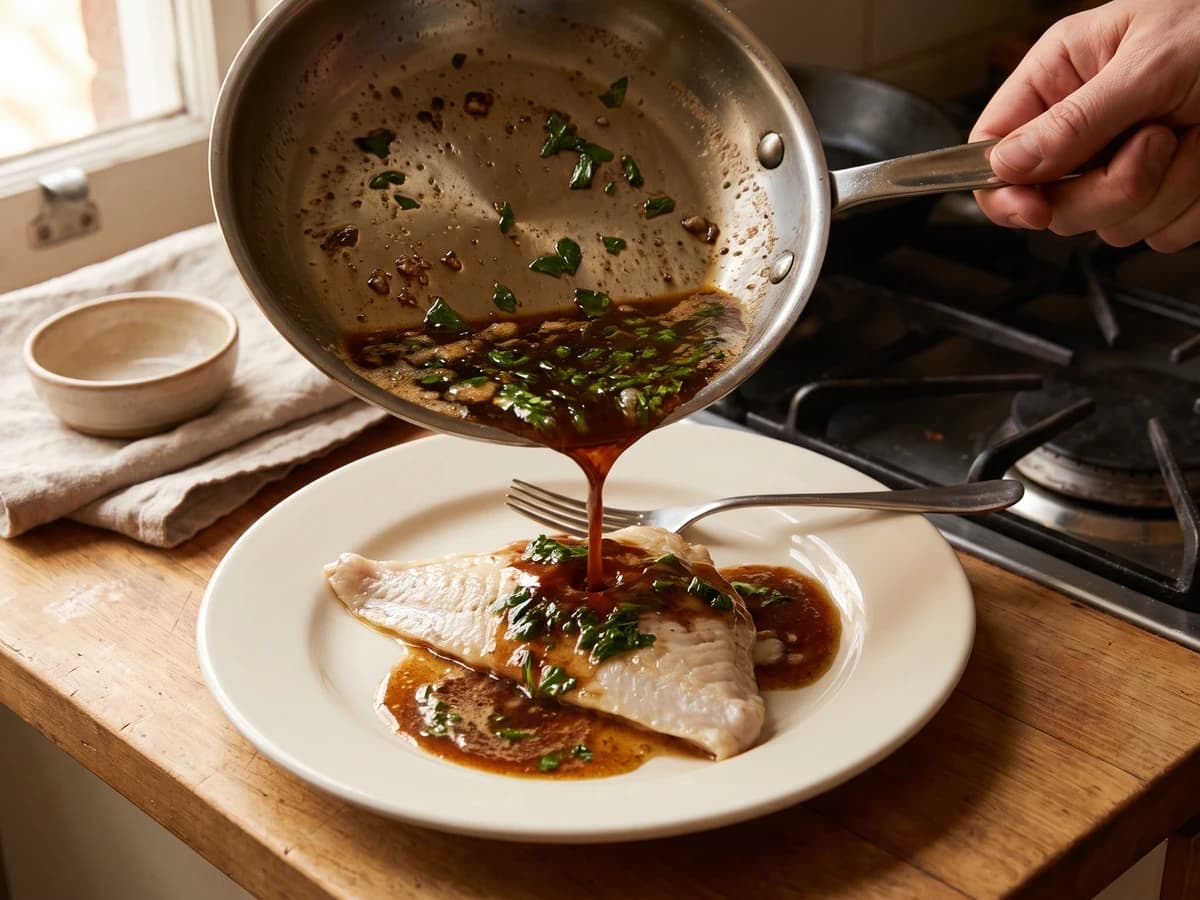
Beurre noir asks for five watchful minutes: butter carried beyond noisette to deep mahogany, caught at its first thread of smoke with concassed parsley, then poured at once while its toasted edge is still clean.
Chef Juliette
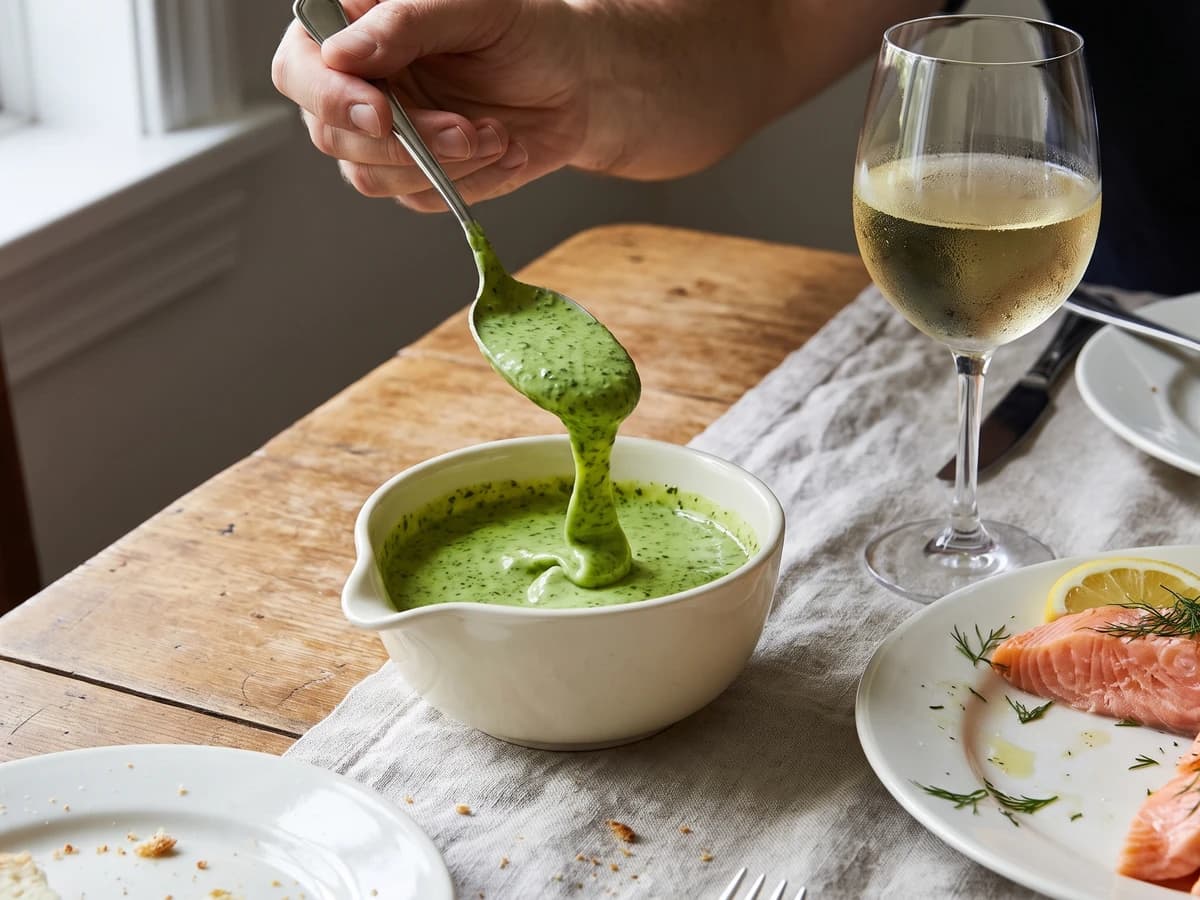
Sauce Vincent turns eight briefly blanched herbs, hard-boiled yolks, and stiff Mayonnaise into a cool green emulsion. Two minutes in boiling water preserves its color, and not a second longer.
Chef Juliette
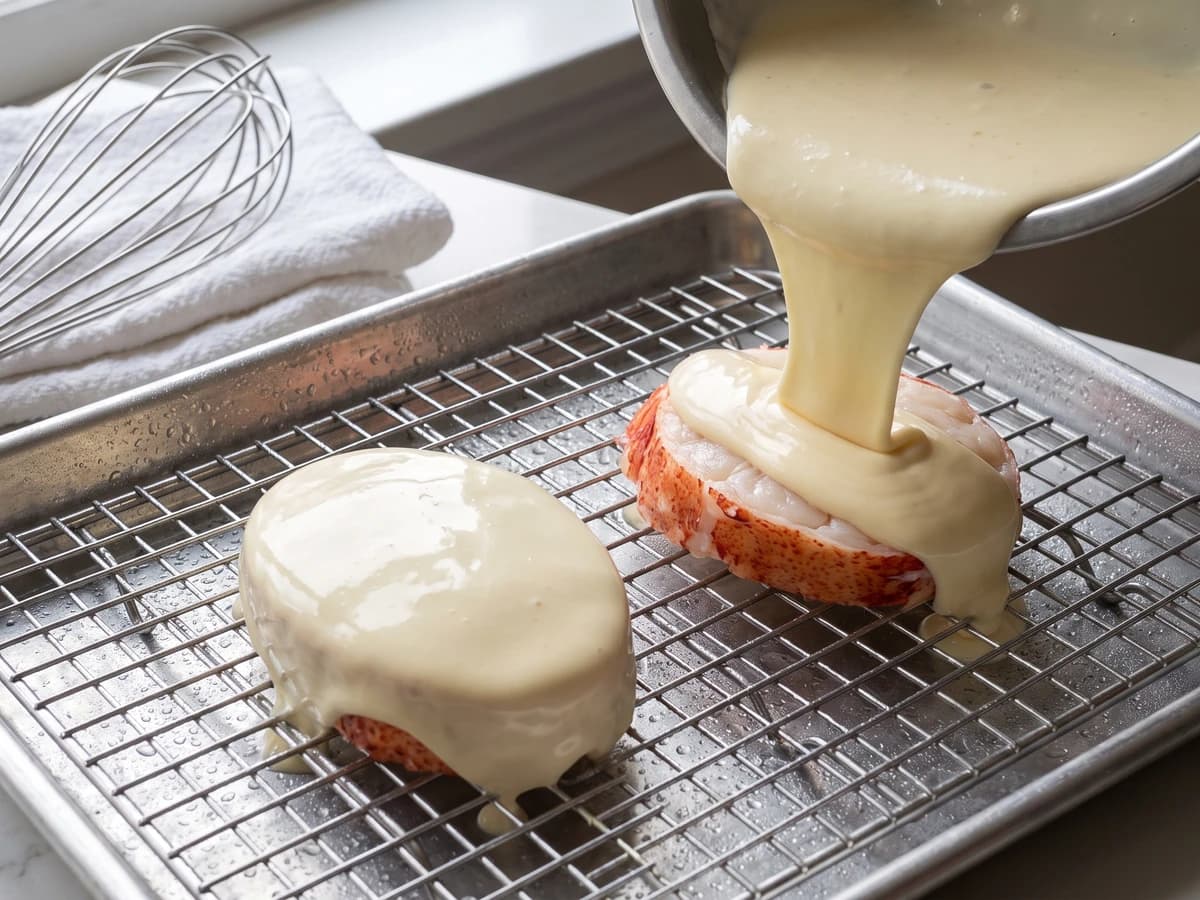
Mayonnaise collée is the cold-coating lesson: barely fluid aspic whisked into true mayonnaise, then poured at once so chilled fish or lobster wears a smooth ivory film that sets cleanly.
Chef Juliette
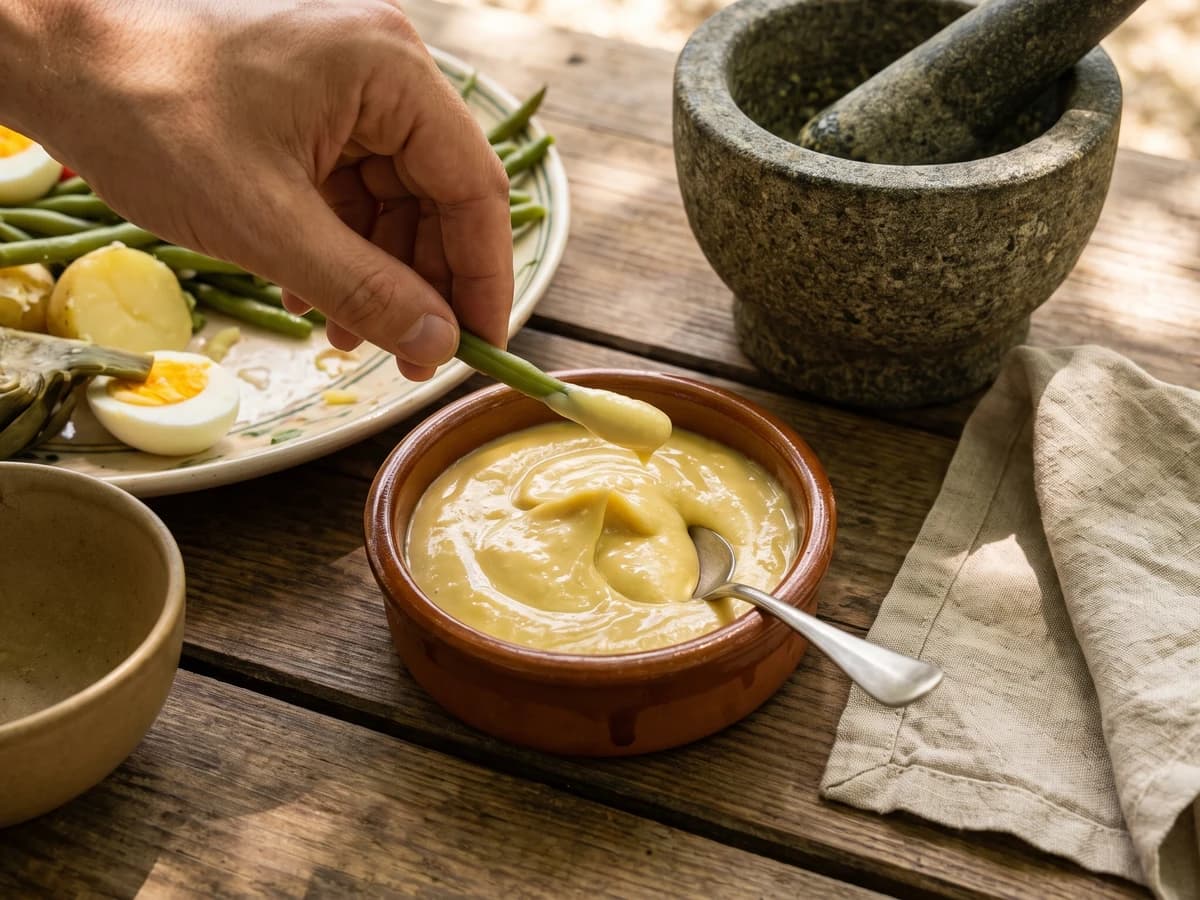
Aïoli is garlic pounded to silk, then bound with yolk and olive oil one patient drop at a time, an ivory-gold emulsion with enough force to anchor a long outdoor supper.
Chef Juliette
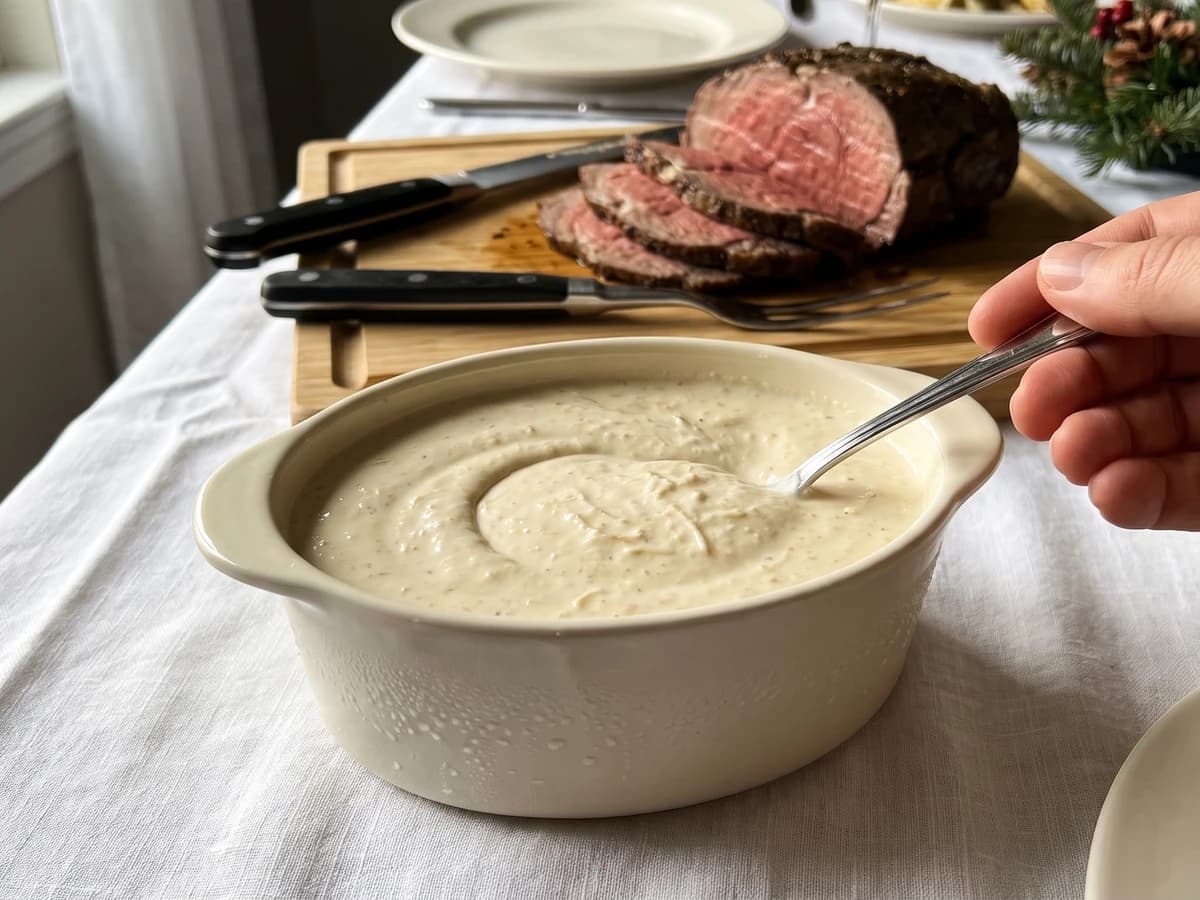
Fresh horseradish, mustard, vinegar, cream, and milk-soaked crumb meet in a cold, spoonable sauce whose bite stays bright beside boiled or roasted beef at the holiday table.
Chef Juliette
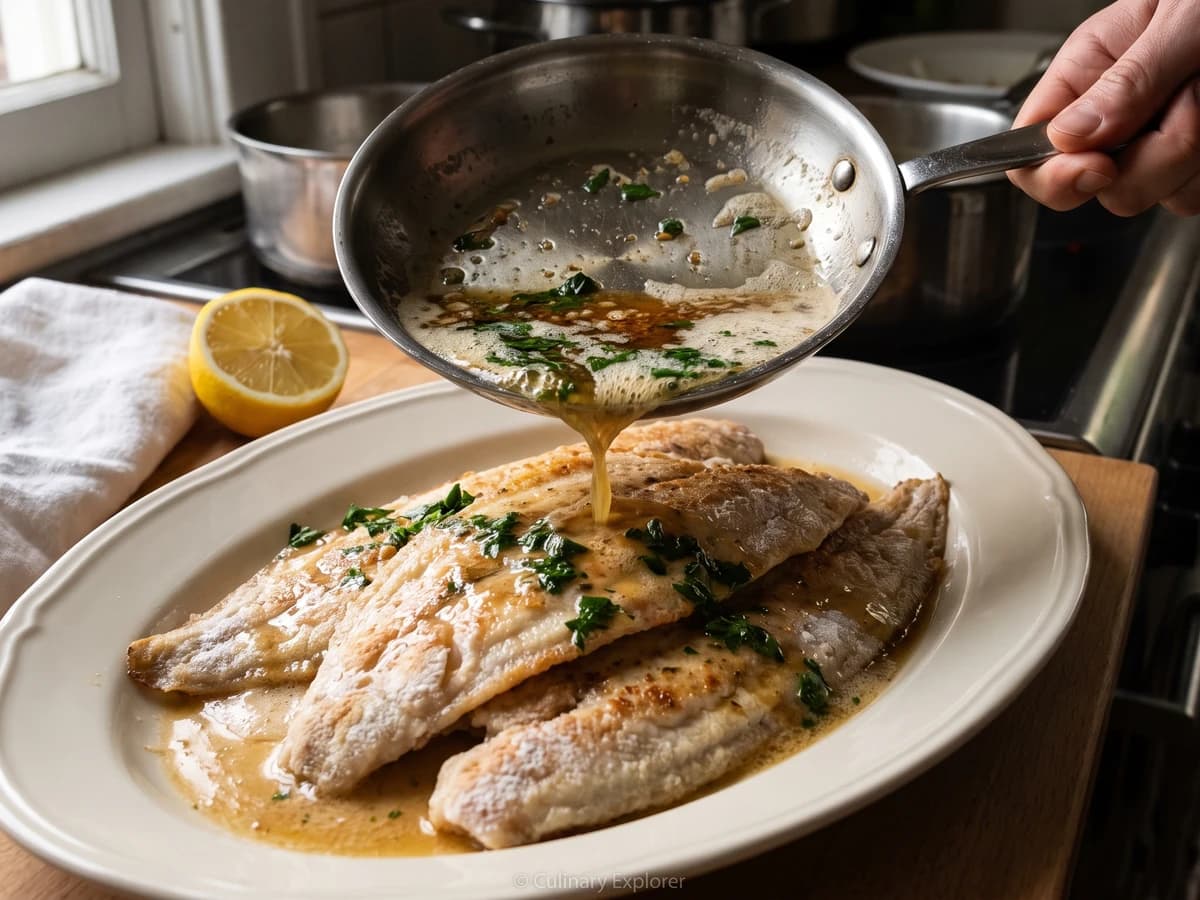
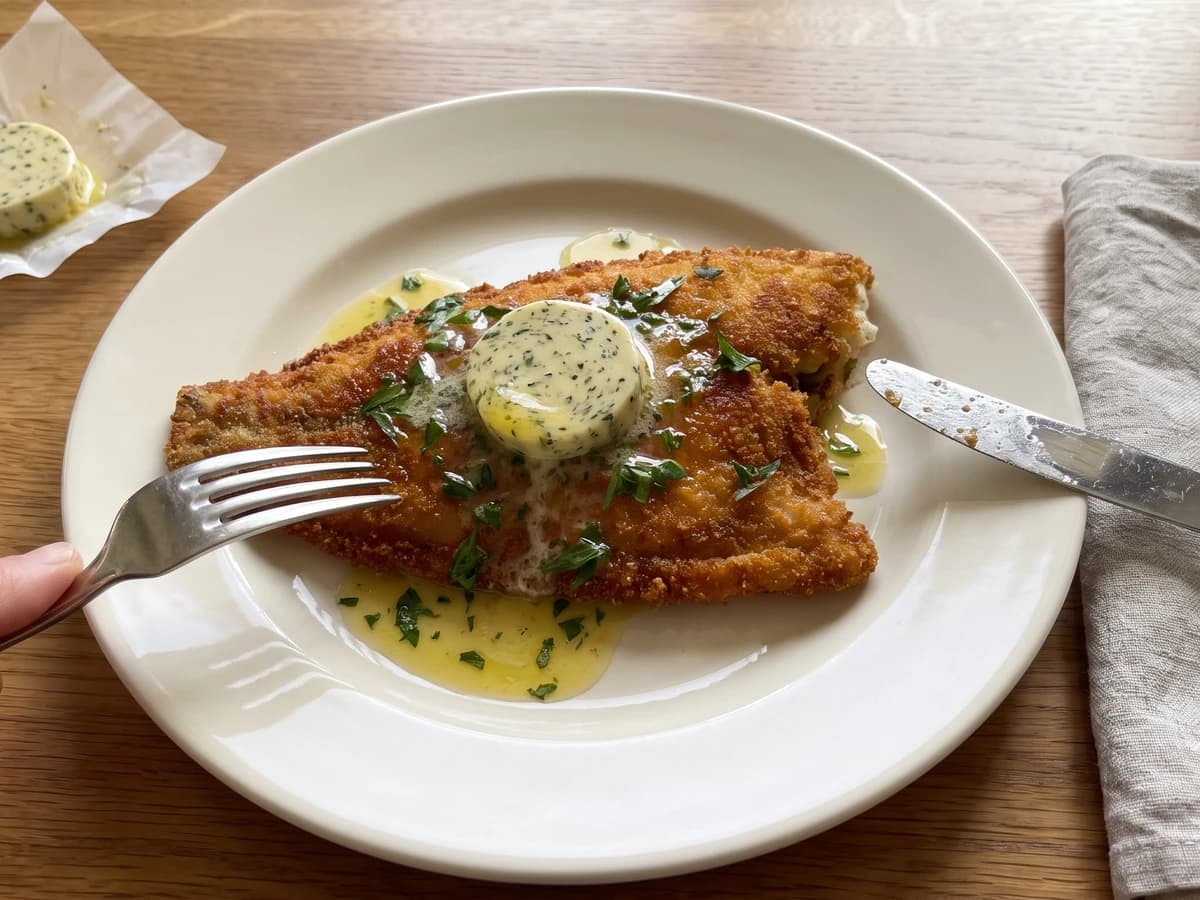
Beurre à la meunière asks for five attentive minutes: butter turned hazelnut-gold, lemon added at the fragrant instant, then the whole gleaming pan poured over parsley-strewn fish.
Chef Juliette
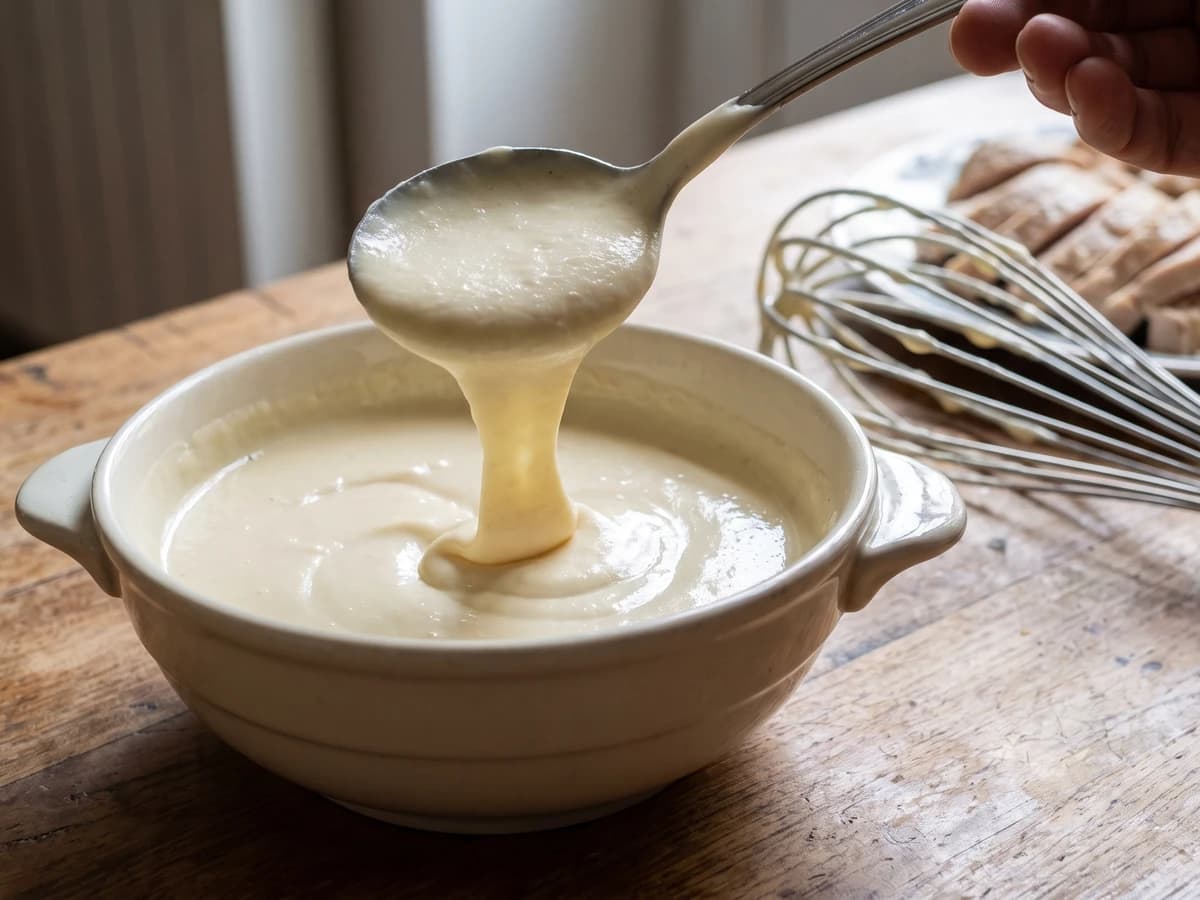
Sauce bohémienne turns cold Béchamel into the steady heart of a mayonnaise, enriched with yolk and oil, sharpened with tarragon vinegar, then finished with mustard for the cold table.
Chef Juliette
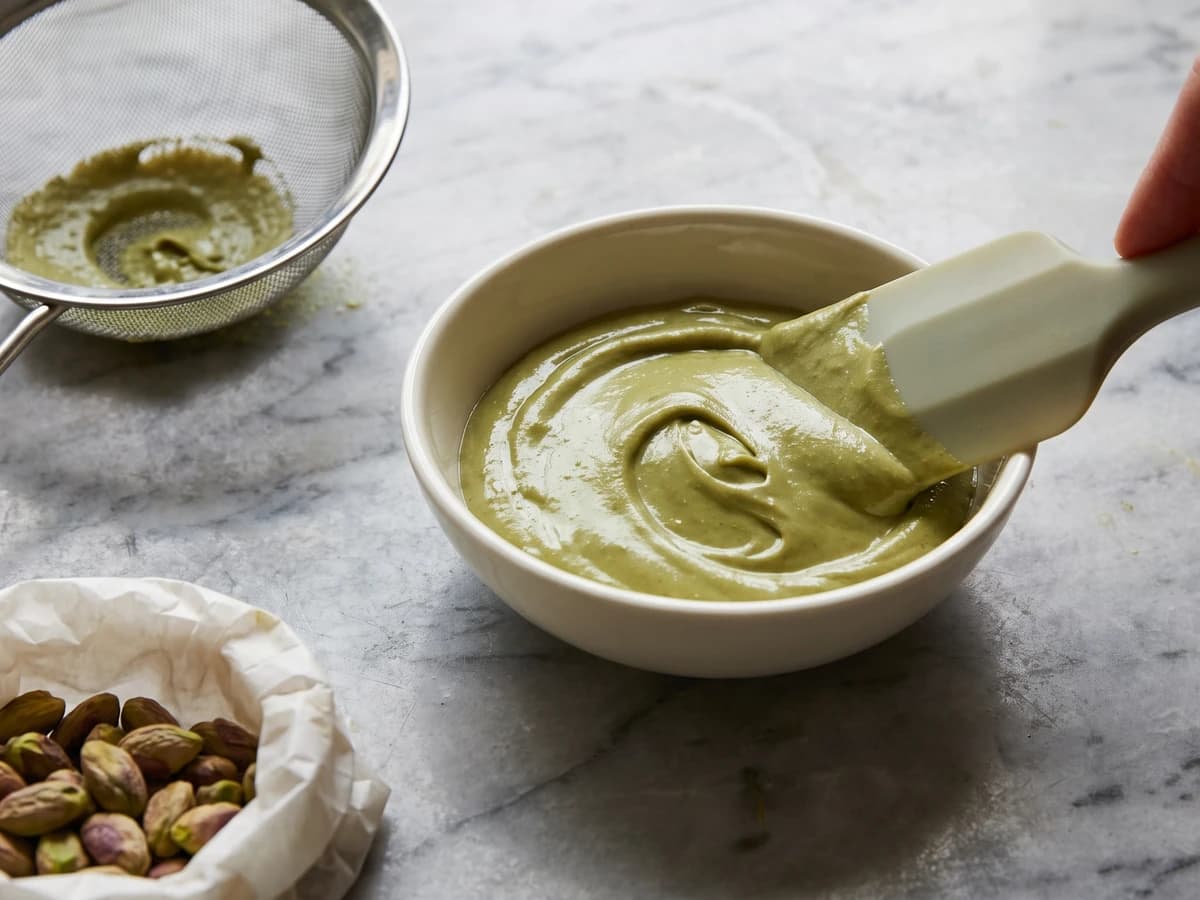
Beurre de pistache turns one disciplined act, pounding blanched nuts with drops of water before adding butter, into a satin-green seasoning that gives fine cold sauces their colour and quiet perfume.
Chef Juliette
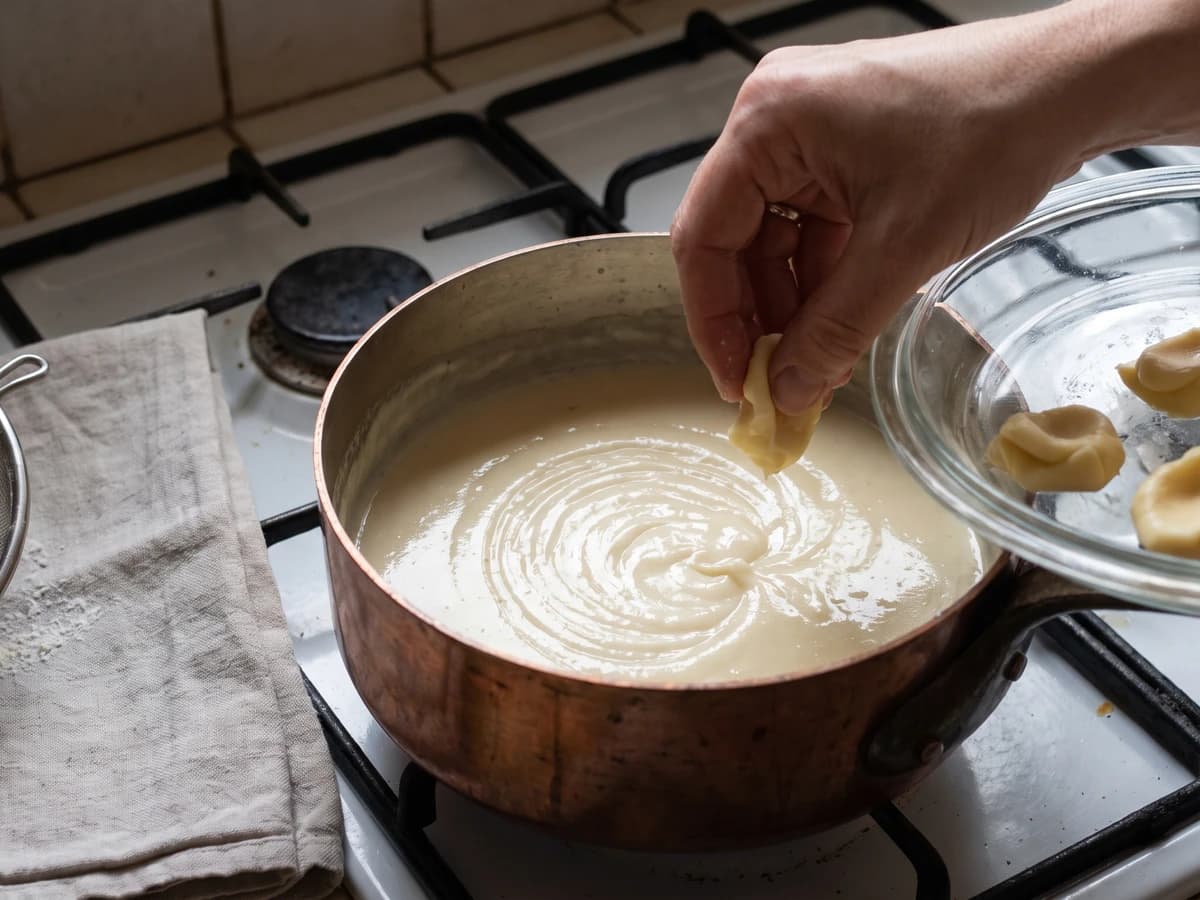
A last-minute liaison of real butter and sifted flour, kneaded smooth and whisked into hot sauce without boiling, ready to give a matelote or pan sauce its final, silken body.
Chef Juliette
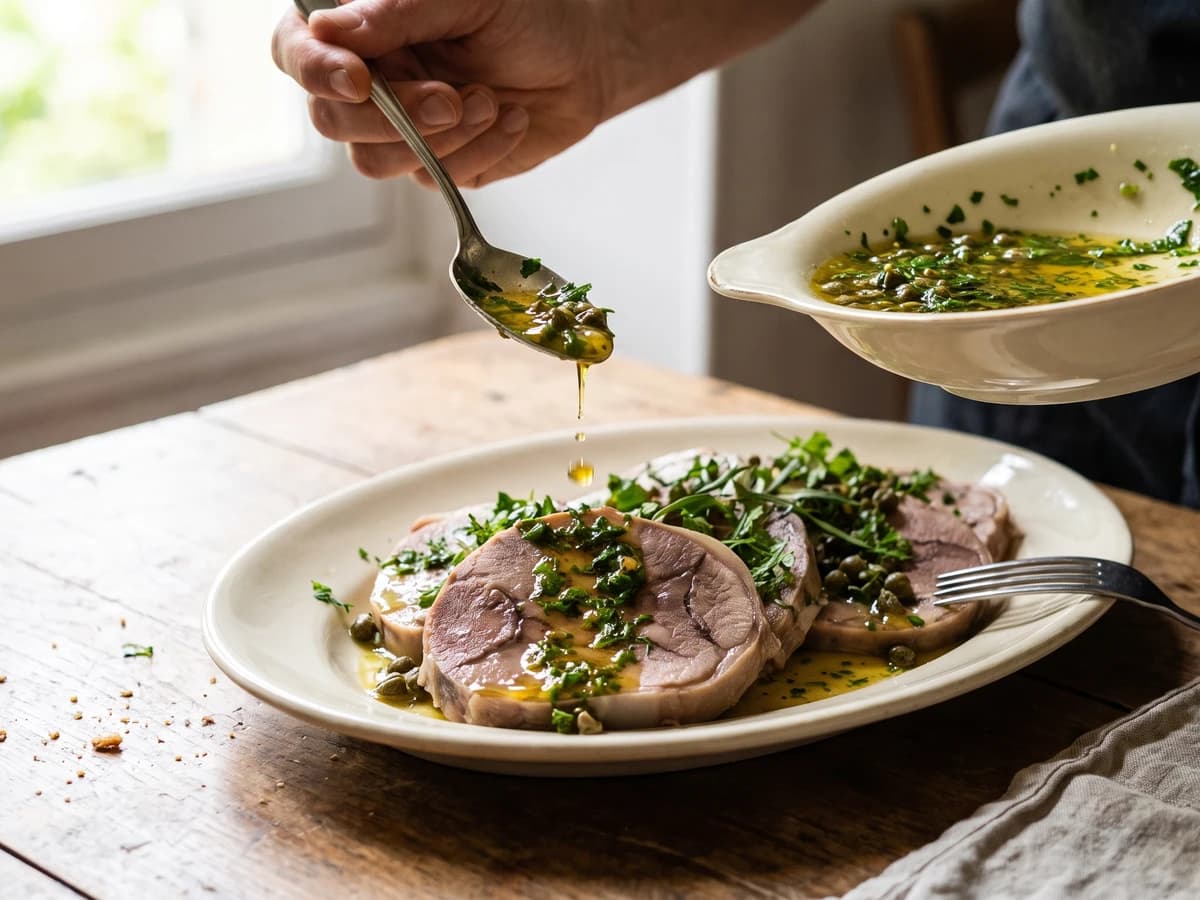
Sauce ravigote proves that a vinaigrette is built by proportion, not guesswork: three parts oil, one part vinegar, capers and five fresh herbs, stirred again just before it meets calf’s head or trotters.
Chef Juliette
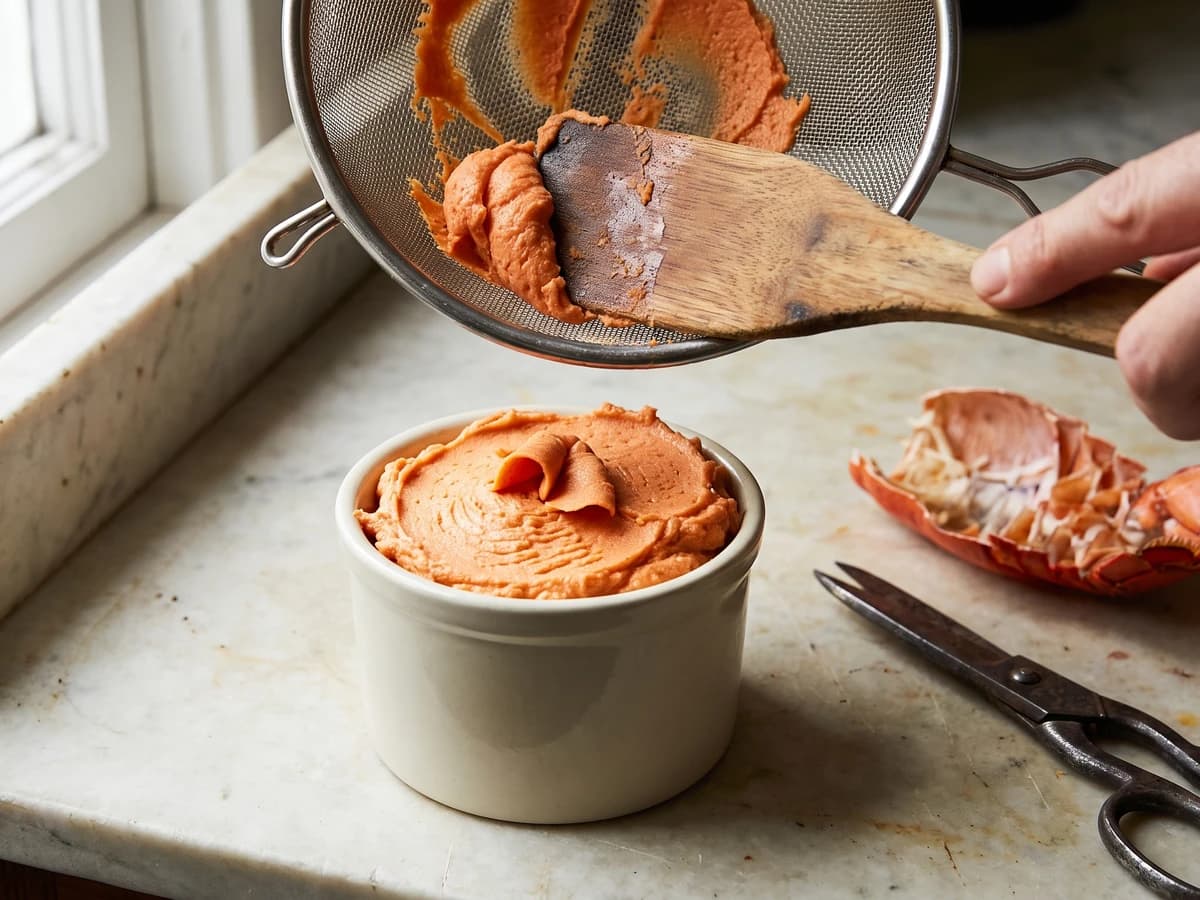
Beurre de homard carries coral colour and deep lobster savour into classical sauces, keeping the old equal-weight rule and trading the brigade’s tammy for a fine home-kitchen sieve.
Chef Juliette
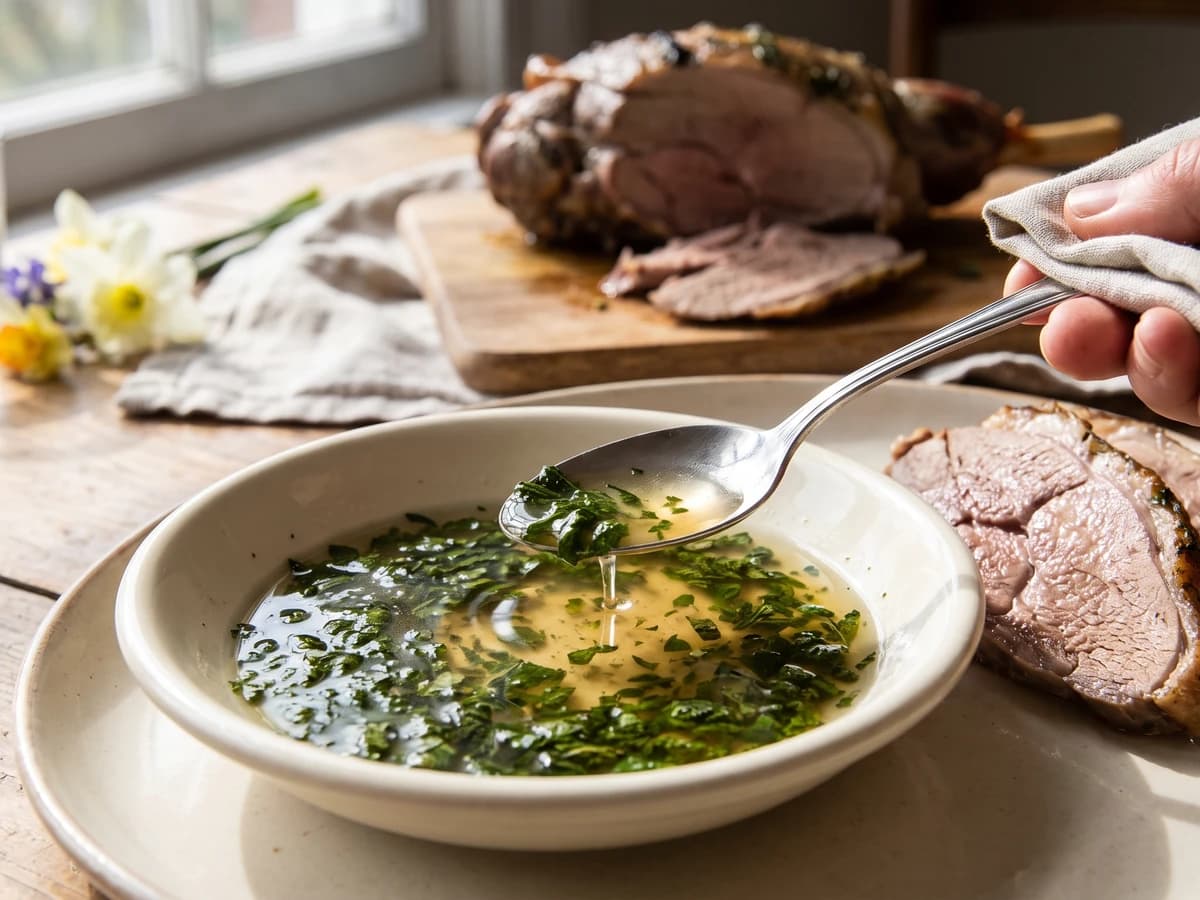
Mint cut as fine as green thread, then steeped with vinegar, white cassonade, and water until sharpness turns fragrant. No pan, no boiling, just a clean knife and time beside the lamb.
Chef Juliette
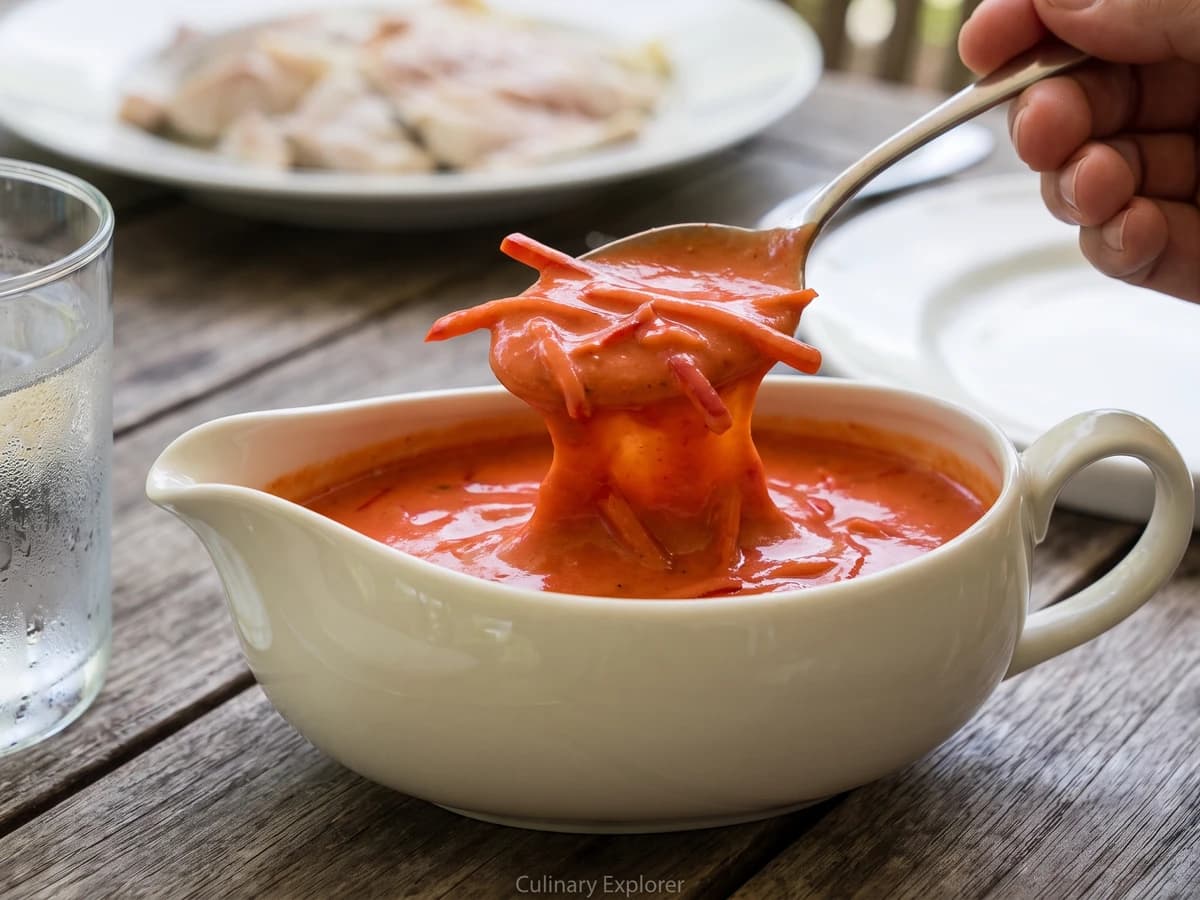
Sauce Andalouse teaches the discipline of every cold derivative sauce: begin with a stable emulsion, add deep tomato in measured stages, then fold in fine capsicum without sacrificing its clean gloss.
Chef Juliette
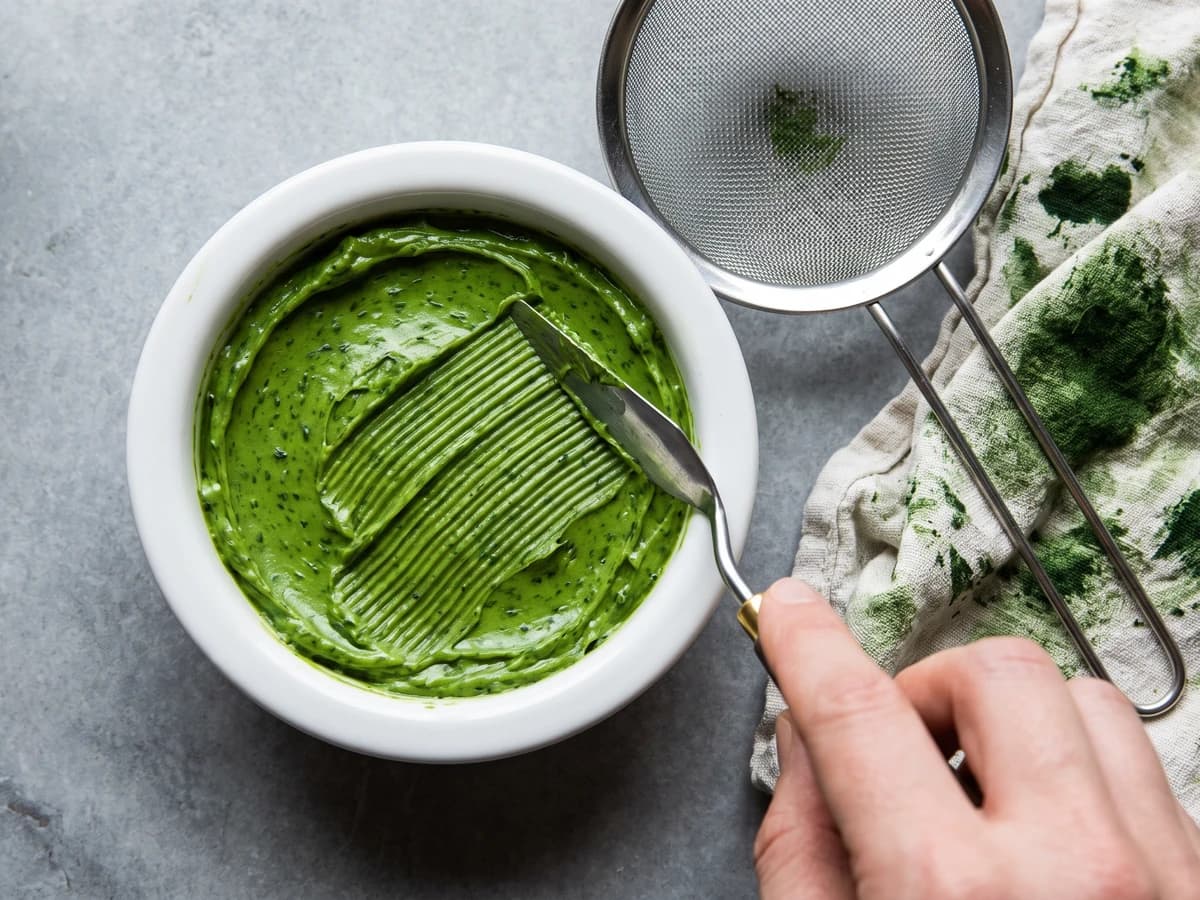
Spinach gives up its pure green in a gentle bain-marie, then meets half its weight in butter: a concentrated classical tint for sauces, made honestly from leaves rather than a bottle.
Chef Juliette
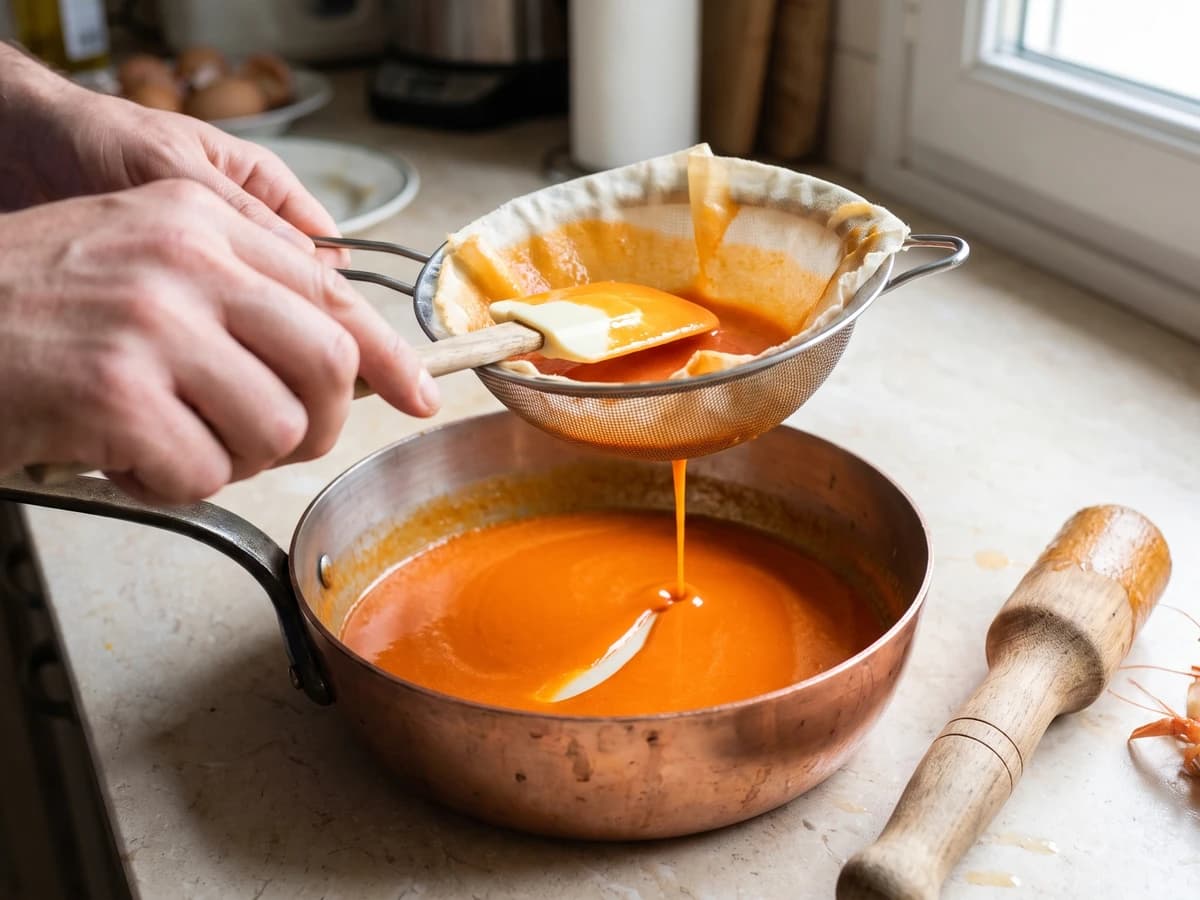
Beurre d’écrevisses turns the discarded shell into the deepest crayfish flavour: pound it with its own weight of butter, then strain twice until nothing remains but coral colour and sweetness.
Chef Juliette
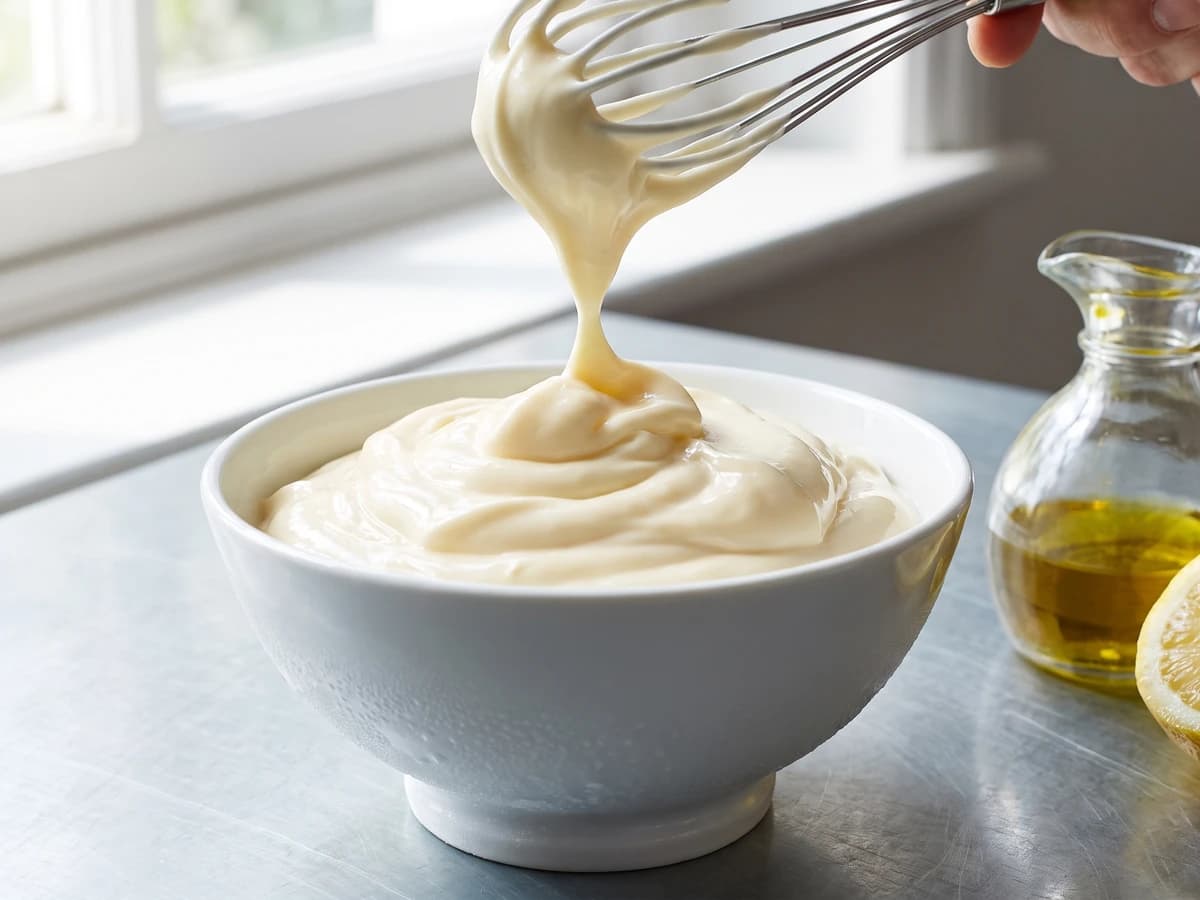
Sauce Mayonnaise teaches the cold emulsion: vinegar into yolks, then room-temperature oil in a patient thread, finished with lemon and boiling water so it stays supple, coherent, and ready for the table.
Chef Juliette
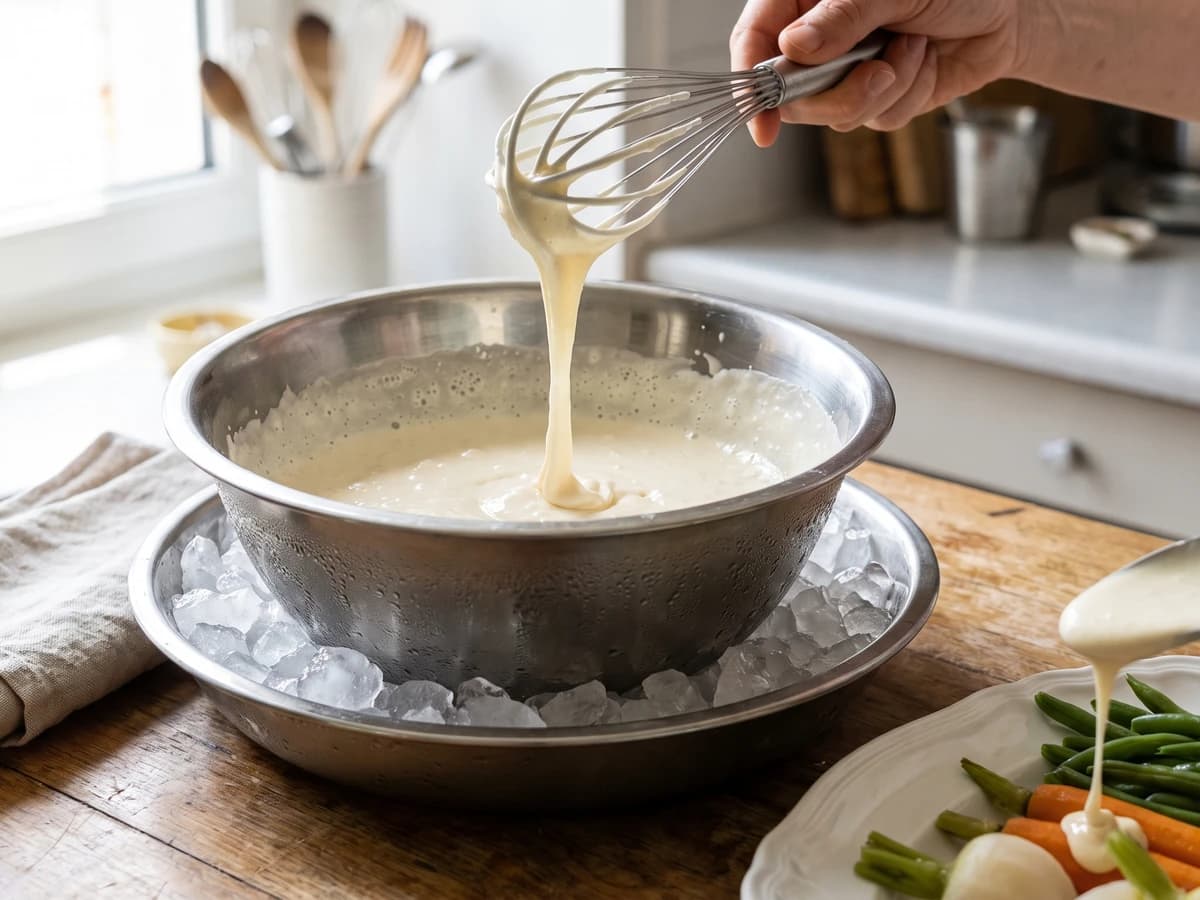
Mayonnaise fouettée is the cold-sauce lesson in timing: mayonnaise and liquid aspic, sharpened with tarragon vinegar and horseradish, whisked over ice until airy, glossy, and still loose enough to cloak vegetables.
Chef Juliette
Beurre Colbert turns one cool spoonful of maître d’hôtel butter, pale meat glaze, and tarragon into the finishing sauce for hot fish, with temperature control doing all the work.
Chef Juliette
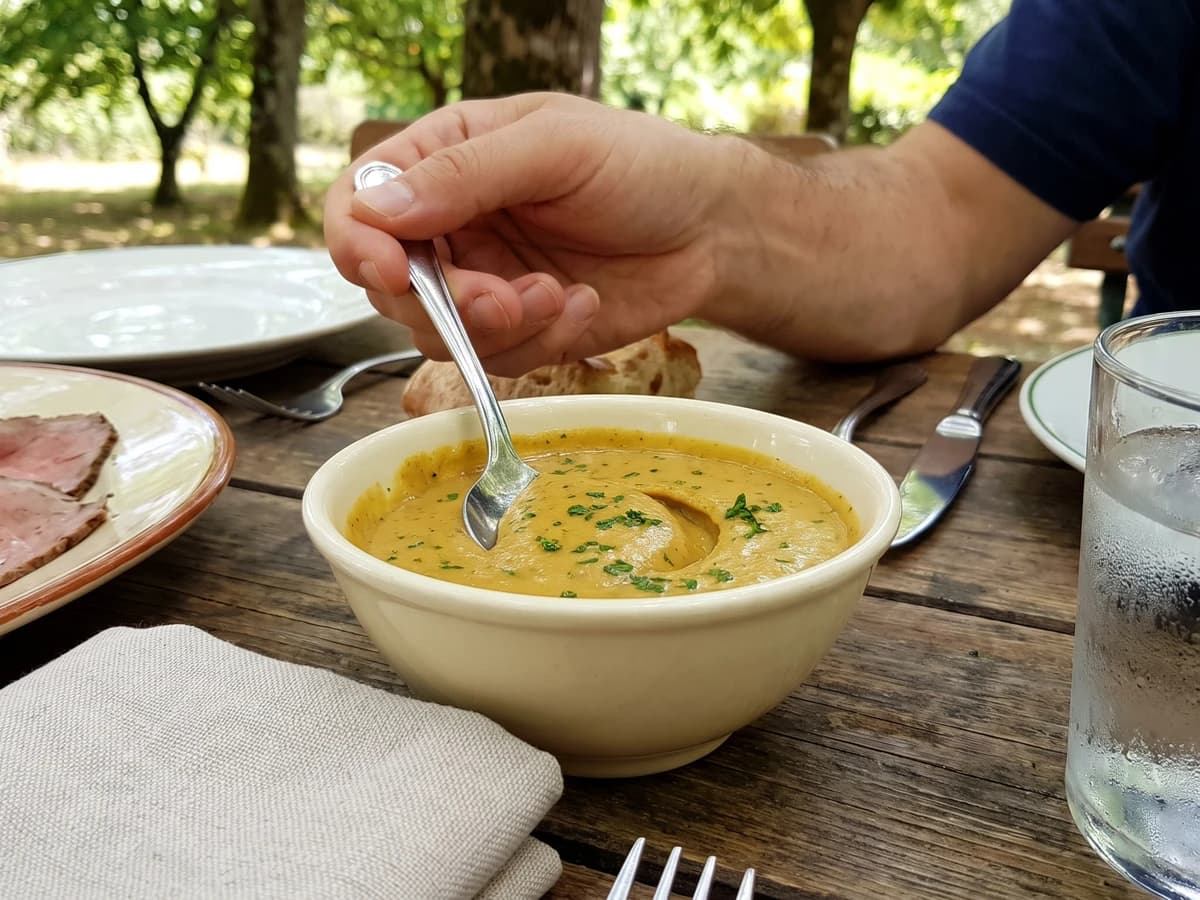
A cold sauce with real backbone: hard-boiled yolks, anchovy, capers, mustard, and garden herbs worked with oil until satin-smooth, ready for sliced beef, veal, lamb, ham, or tongue.
Chef Juliette
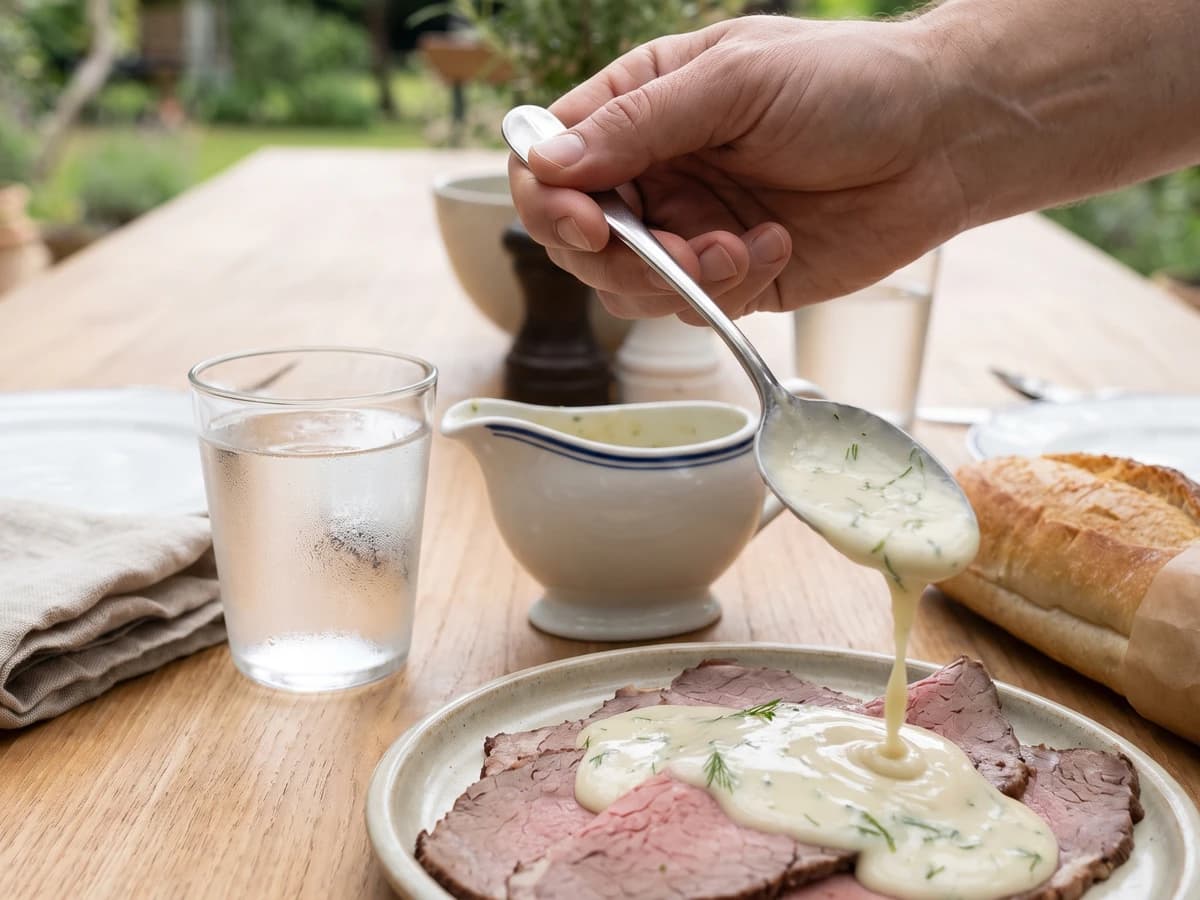
Sauce Gloucester turns one cold emulsion into another: thick mayonnaise softened with lemoned sour cream, then sharpened by fennel and Worcester sauce, smooth enough to spoon over cold meats but never runny.
Culinary guides, cultural storytelling, and the editorial depth that makes cooking meaningful.
Discover Culinary ExplorerChef Juliette is a fictional culinary guide to Classical French Cuisine, based on extensive culinary research.