Chef Juliette
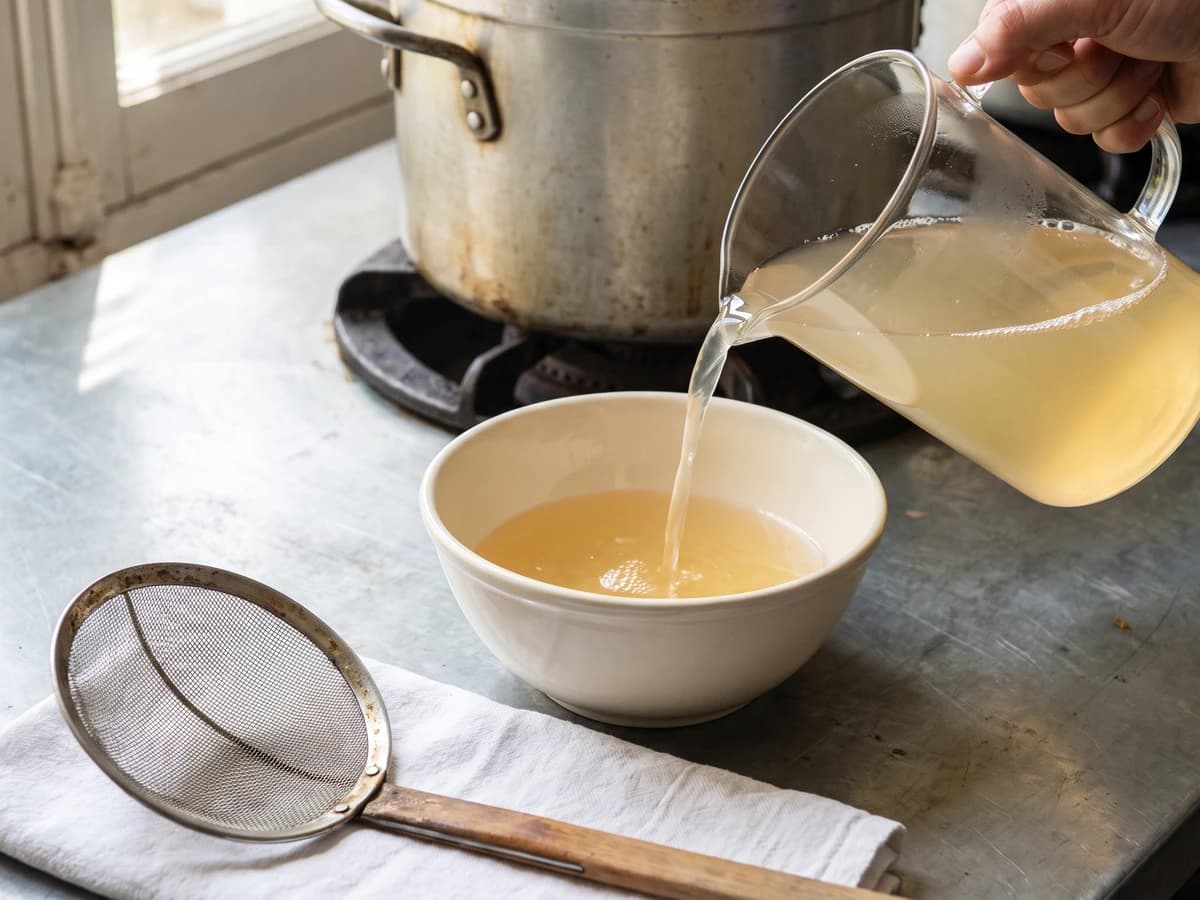
Ordinary or White Consommé
Beef shin, lean beef, and fowl begin in cold water and rise slowly toward a tremble. Skim before the boil, and you learn the quiet discipline that gives every clear French broth its backbone.
A cooking platform built around craft, culture, and the stories behind what we eat.
Created by Chef Juliette
Based on No. 140, Chivry or Ravigote Butter, from Le Guide Culinaire (1907) by Auguste Escoffier
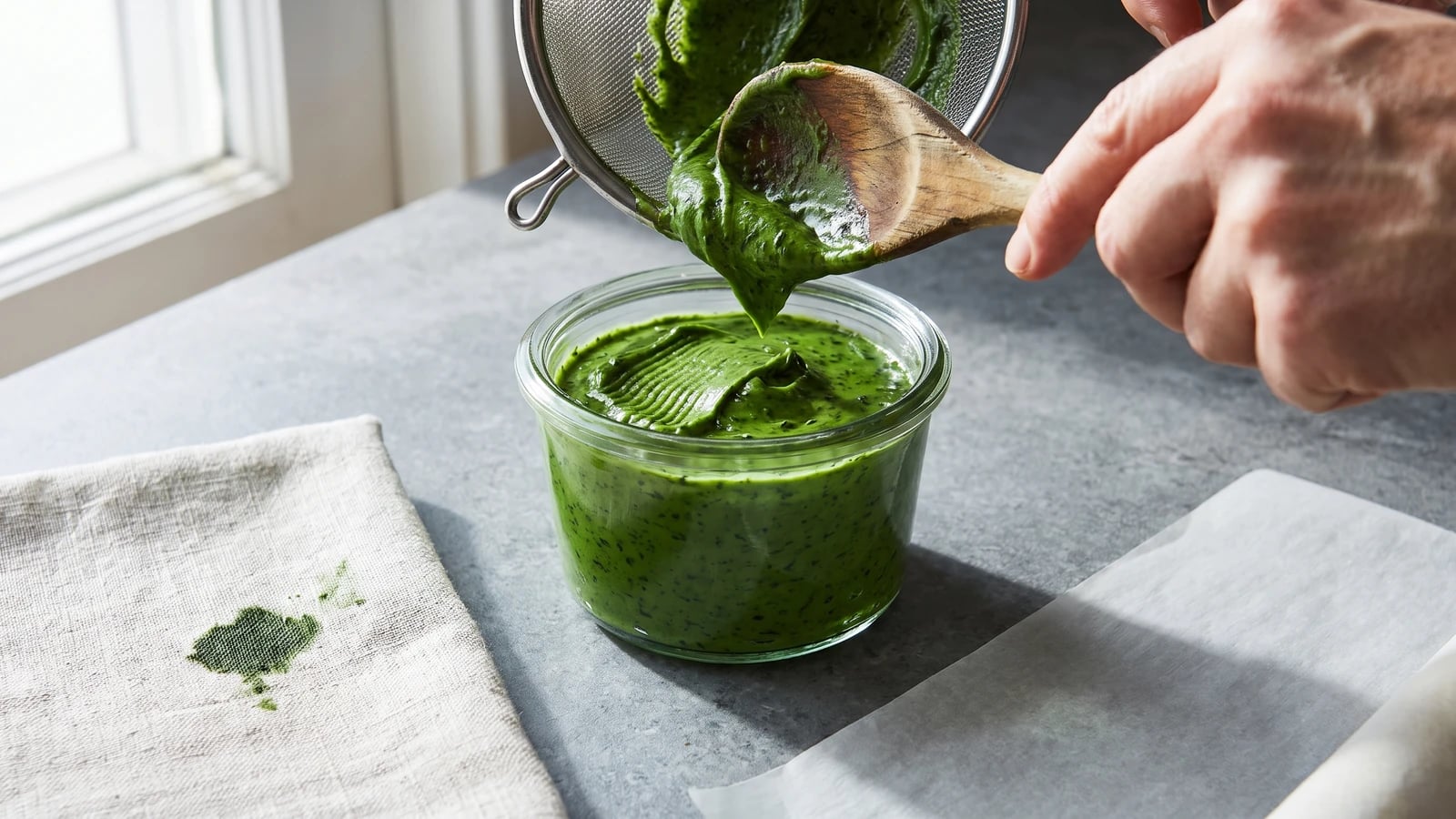
Beurre de Chivry teaches the discipline behind every green finishing butter: blanch fast, cool hard, wring completely dry, then marry the herb purée to butter without dulling its color.
Beurre de Chivry ou beurre ravigote (Chivry or ravigote herb butter) teaches that a green finishing butter is won before the butter enters the bowl. The one true thing to know is this: after their two-minute blanch, the herbs and shallot must be cooled immediately and wrung completely dry. Trapped water makes the butter weep and dilutes every sauce it touches.
The source entry assumes a saucier working with eight ounces of aromatics, a mortar large enough to pound them, and a cloth tammy waiting to refine the purée. Here the proportions are halved exactly, giving one cook a useful batch rather than a service quantity; a mini processor replaces the large mortar, and a fine-mesh sieve does the tammy's work. One cook, one stove, one evening.
The professional equipment is scaffolding and can go. The equal weights of herbs, the salted two-minute blanch, the cold rinse, the hard wringing, and the half-melted butter are the dish and must stay. If the butter turns slick while you work, cool it and beat again. Ça se rattrape. Above all, wring the green bundle until it cannot surrender another drop.
Beurre de Chivry and beurre ravigote belong to the Paris-centered classical sauce repertoire, where compound butters let the saucier carry precise flavor and color into a finished sauce at the last moment. Ravigote names a wider family of lively herb preparations, often sharpened with vinegar or mustard, but this entry is neither the cold sauce nor a table spread: it is a blanched herb concentrate bound in butter. Its work is to finish sauce Chivry, sauce Vénitienne, and related sauces containing herb juices without scattering raw leaves through their texture.
Quantity
4 cups (950 ml / 950 g)
for blanching
Quantity
1 tablespoon (15 ml / 18 g)
Quantity
4 cups (950 ml / 950 g)
for cooling
Quantity
1 cup loosely packed (240 ml / 17 g)
tender sprigs only
Quantity
¾ cup loosely packed (180 ml / 17 g)
leaves and tender stems
Quantity
¾ cup loosely packed (180 ml / 17 g)
leaves only
Quantity
1 cup loosely packed (240 ml / 17 g)
leaves only
Quantity
½ cup loosely packed (120 ml / 17 g)
snipped
Quantity
3 tablespoons (45 ml / 28 g)
finely chopped
Quantity
½ cup (120 ml / 113 g)
cut into small pieces
| Ingredient | Quantity |
|---|---|
| waterfor blanching | 4 cups (950 ml / 950 g) |
| fine sea salt | 1 tablespoon (15 ml / 18 g) |
| very cold waterfor cooling | 4 cups (950 ml / 950 g) |
| fresh cherviltender sprigs only | 1 cup loosely packed (240 ml / 17 g) |
| flat-leaf parsleyleaves and tender stems | ¾ cup loosely packed (180 ml / 17 g) |
| fresh tarragonleaves only | ¾ cup loosely packed (180 ml / 17 g) |
| fresh salad burnet, also called pimpernelleaves only | 1 cup loosely packed (240 ml / 17 g) |
| fresh chivessnipped | ½ cup loosely packed (120 ml / 17 g) |
| shallotfinely chopped | 3 tablespoons (45 ml / 28 g) |
| unsalted buttercut into small pieces | ½ cup (120 ml / 113 g) |
Fill a medium bowl with the very cold water and set it beside the stove. Bring the blanching water and salt to a full boil in a small saucepan. Pick over the herbs carefully, discarding tough stalks and bruised leaves, and keep the five varieties separate until each weighs 17 grams. Equal weight, not equal handfuls, preserves the source formula.
Add the chervil, parsley, tarragon, salad burnet, chives, and chopped shallot together. Press them beneath the water, let the boil return quickly, and boil briskly for exactly two minutes. The leaves will collapse into a small, intensely green mass while the shallot loses its raw bite. This blanch is not expendable brigade ceremony; it softens the fibers so they can become a purée and carries their flavor cleanly into the butter.
Drain immediately and plunge the herbs and shallot into the cold water. Swish them until no warmth remains, then drain again. Gather the mixture inside a clean lint-free towel and twist hard, pressing until no water drips from the bundle. Open it, loosen the compacted herbs, blot, and squeeze once more. If the bundle still feels wet, repeat the pressing rather than hoping the butter will absorb it. Ça se rattrape here, before the water reaches the butter.
Break the squeezed herb bundle into a mini processor and pulse, scraping the bowl often, until it becomes a very fine dark-green purée. Add no water to help the blades. If the quantity sits beneath them and refuses to move, transfer it to a mortar and pound firmly instead; patience, not extra liquid. The purée is ready when no distinct pieces of chive or shallot remain.
Put the butter in a heatproof bowl and set it briefly over barely warm water. Stop when roughly half has liquefied around soft, opaque pieces, then stir it into a thick cream. Add this half-melted butter to the herb purée in three additions, beating thoroughly after each, until the mixture is evenly green and glossy. If it looks greasy or begins to separate, it became too warm; set the bowl over cold water and beat until creamy again. If it clumps because it is too cold, return it to the warm water for only a few seconds. Ça se rattrape.
Force the butter through a fine-mesh sieve with a flexible scraper, then collect every smooth green ribbon from the underside. This sieve is the honest home equivalent of the tammy, and the refining itself stays because it removes fibrous fragments that would mark a finished sauce. Pack the butter into a small covered jar or shape it into a parchment-wrapped log and chill for 30 minutes. To use it, whisk the quantity required by the prepared Chivry or sauce Vénitienne into the completed warm sauce off the heat. Do not boil afterward, or the green dulls and the butter may separate.
1 serving (about 15g)
Culinary guides, cultural storytelling, and the editorial depth that makes cooking meaningful.
Discover Culinary ExplorerChef Juliette
Beef shin, lean beef, and fowl begin in cold water and rise slowly toward a tremble. Skim before the boil, and you learn the quiet discipline that gives every clear French broth its backbone.
Chef Juliette
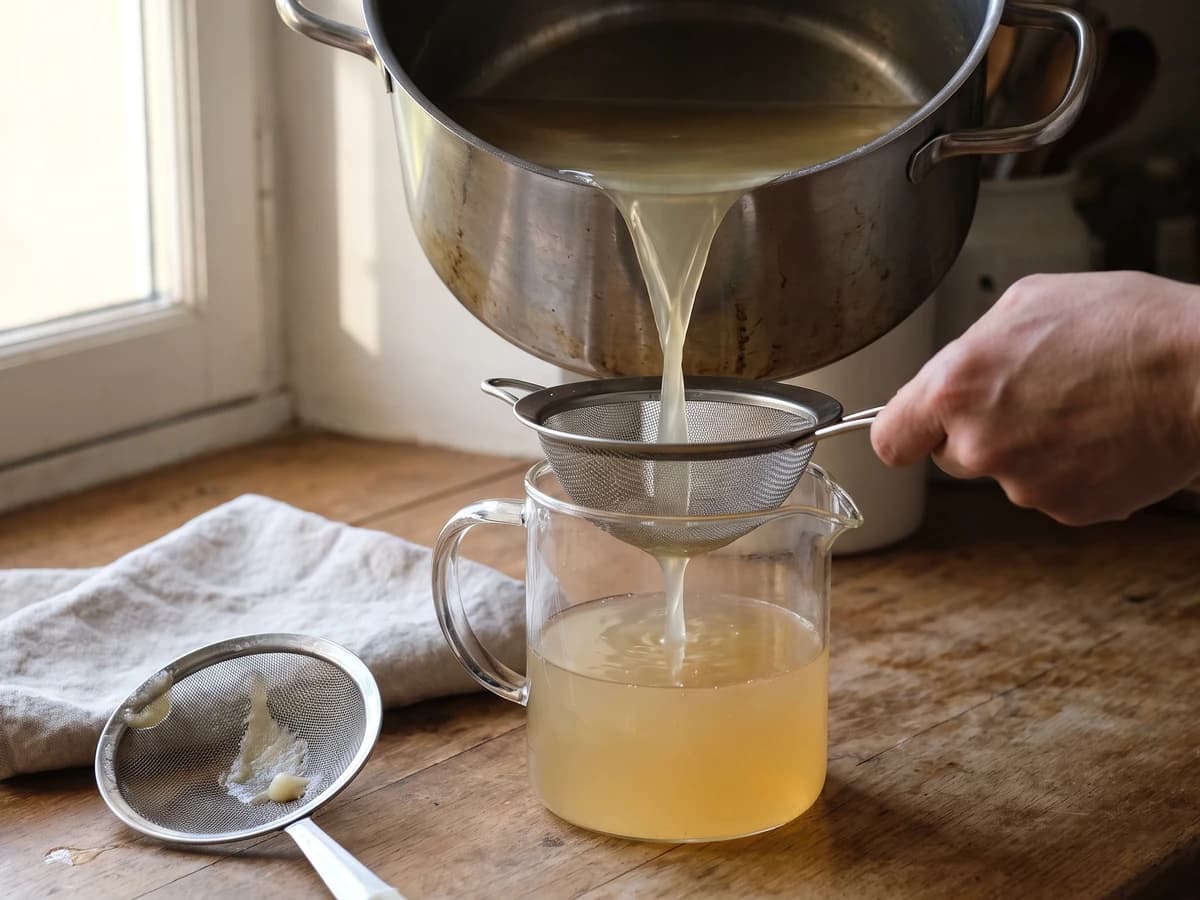
Break the veal bones small, then give them eight hours at a bare tremble. This pale, gelatinous fond becomes the quiet foundation beneath velouté, blanquette, and every sauce that must stay light.
Chef Juliette
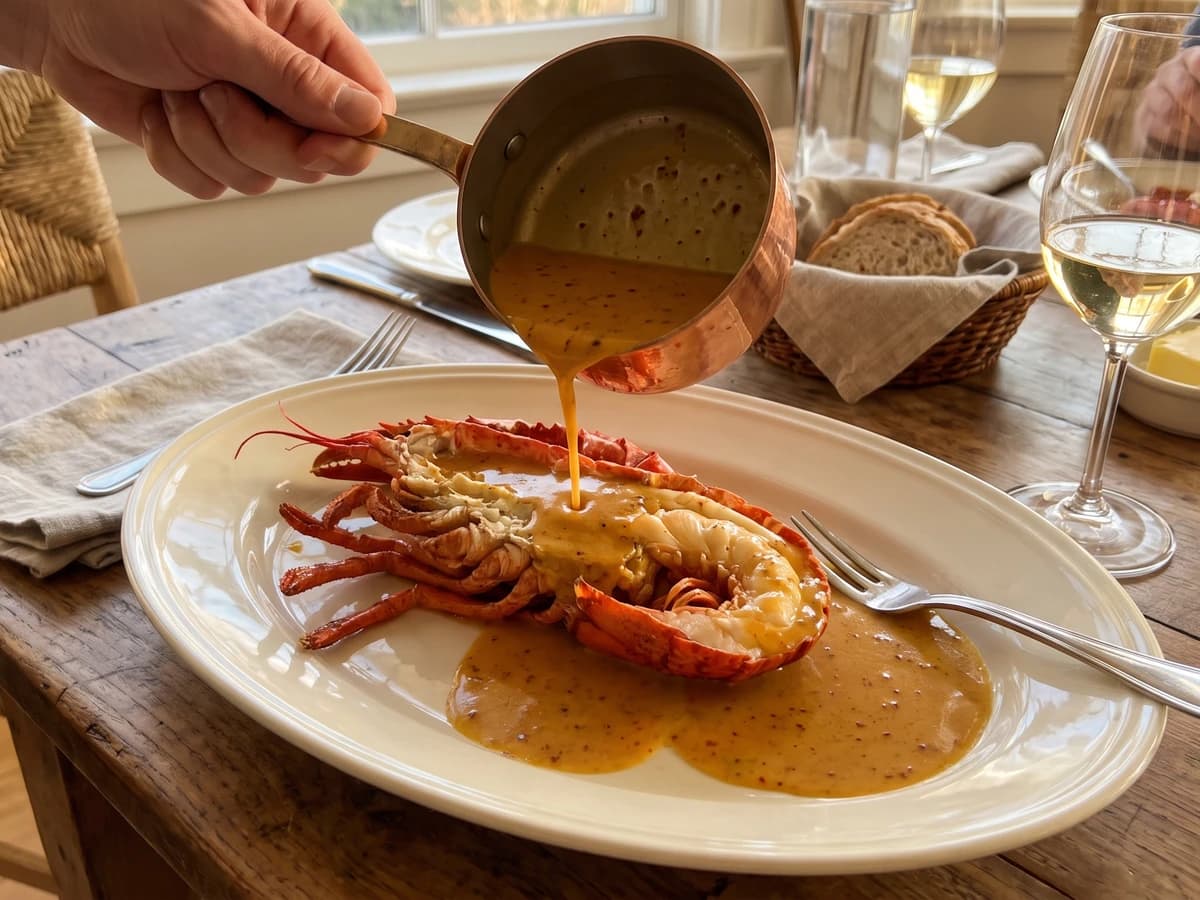
Sauce Orientale concentrates lobster-rich American Sauce with curry, then folds in cream away from the fire: a glossy, gently spiced derivative made for lobster, crayfish, and firm fish.
Chef Juliette
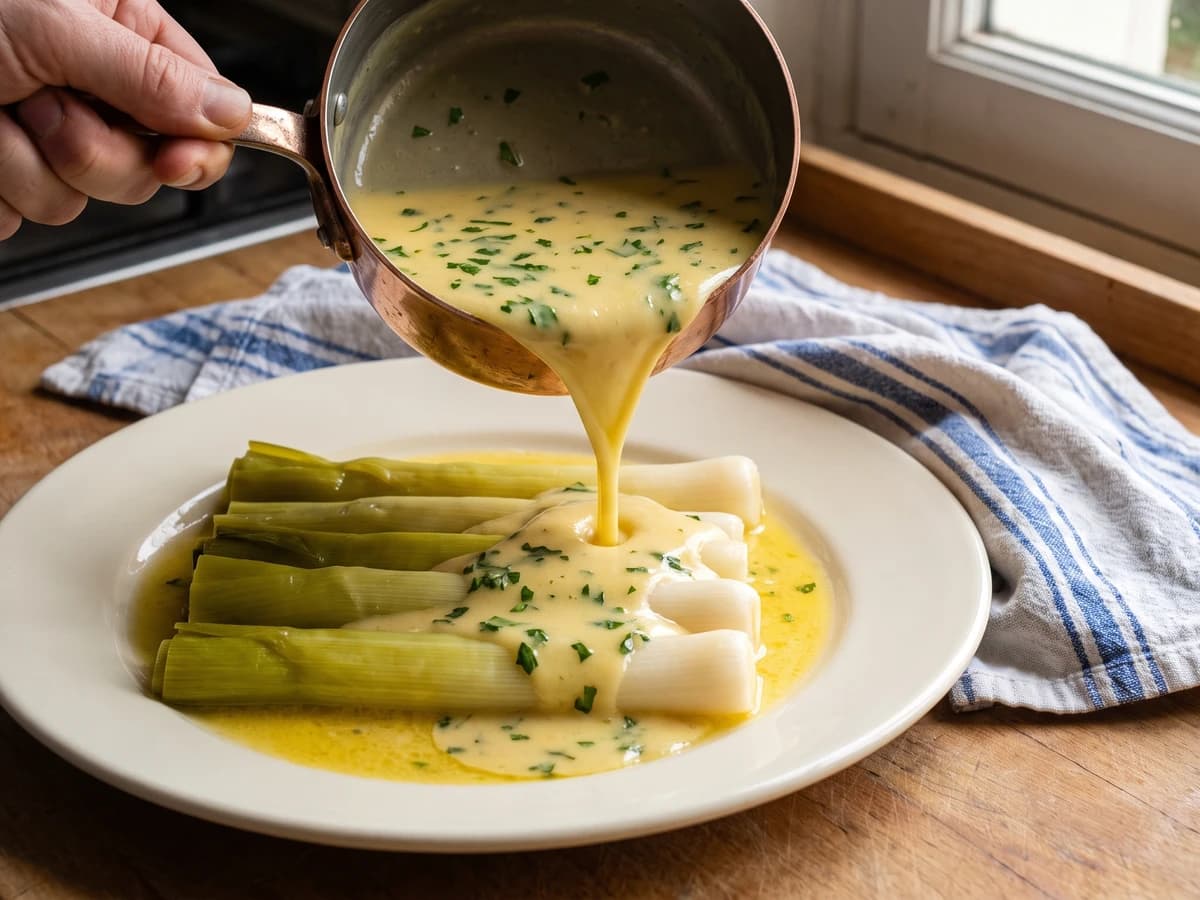
An old lesson in sauce families: Sauce Allemande takes mushroom liquor, then butter, lemon, and parsley, becoming a glossy Poulette for sheep's trotters, leeks, cauliflower, and anything needing gentle richness with a bright edge.