Chef Juliette
Ordinary or White Consommé
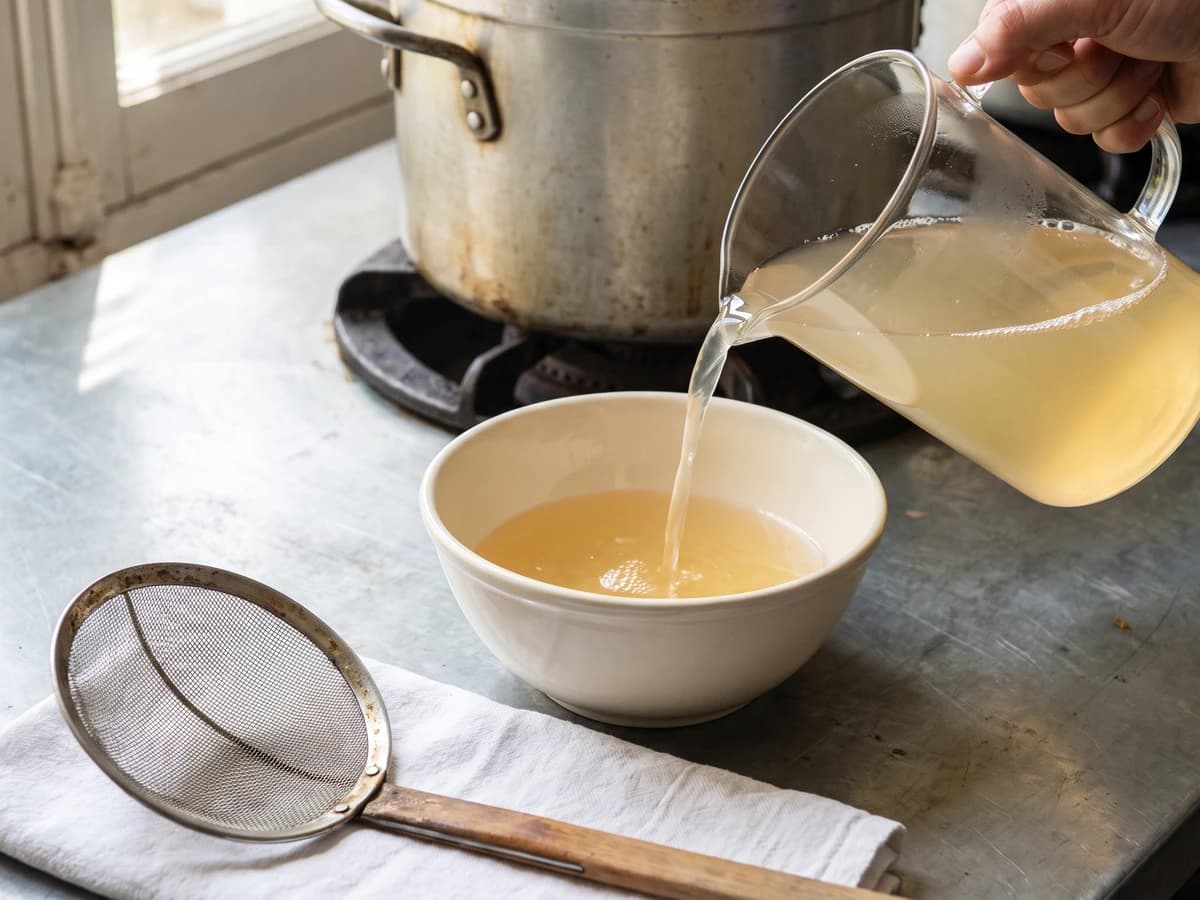
Beef shin, lean beef, and fowl begin in cold water and rise slowly toward a tremble. Skim before the boil, and you learn the quiet discipline that gives every clear French broth its backbone.
A cooking platform built around craft, culture, and the stories behind what we eat.
Created by Chef Juliette
Based on No. 138, Horse-radish Sauce, from Le Guide Culinaire (1907) by Auguste Escoffier
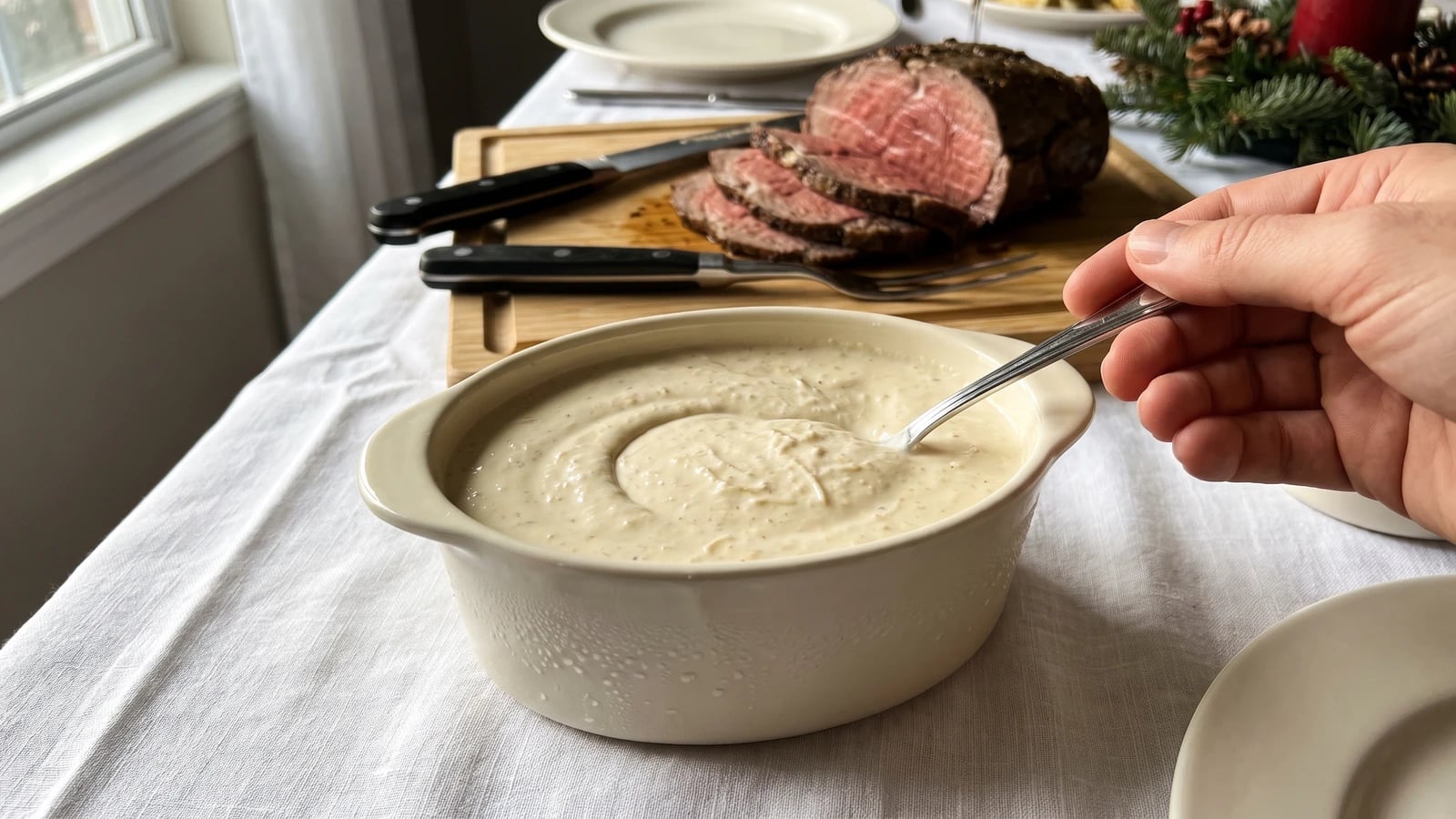
Fresh horseradish, mustard, vinegar, cream, and milk-soaked crumb meet in a cold, spoonable sauce whose bite stays bright beside boiled or roasted beef at the holiday table.
Sauce au raifort (horse-radish sauce) teaches a cold sauce's hardest lesson: chill is an ingredient. Fresh root supplies the fire, mustard and vinegar fix its edge, cream rounds it, and milk-soaked crumb binds it without cooking. The one true thing to know before you touch the grater is this: have the mustard-vinegar base ready, because the root's bite starts fading as soon as it is rasped.
The old formula assumed a saucier with a large basin, extra hands to rasp a pound of root, and a cold larder. It needed neither a stockpot nor a salamander. For the home kitchen, the brigade batch is reduced to three quarters, preserving every measured ratio while producing a generous two-quart holiday bowl; a food processor with a fine grating disc replaces the long hand-rasping. That labor is scaffolding. The milk-soaked, firmly pressed crumb and very cold service are the dish, and neither goes.
Make the acid base first, grate the root last, and fold without puréeing. That is the step that matters most, and it delivers a sauce cold, creamy, coarse, and properly awake. One cook, one stove, one evening.
Raifort belongs most naturally to the tables of Alsace and eastern France, where its sharpness sits comfortably beside boiled beef, sausages, and pot-au-feu, close to the Germanic horseradish tradition across the border. The cream-and-bread-bound sauce traveled from that regional larder into the classical service of roasted and boiled joints, with pressed crumb providing body without a roux. It is sometimes mistaken for a hot sauce because of its bite, but its defining service is very cold, preserving the fresh root's pungency while balancing rich beef.
Quantity
2¼ teaspoons (11 ml / 11 g)
Quantity
1½ tablespoons (22 ml / 22 g)
Quantity
About 3 packed cups (720 ml / 340 g)
peeled and finely rasped
Quantity
6 tablespoons (90 ml / 43 g)
Quantity
¾ teaspoon (3.75 ml / 4.5 g)
plus more after chilling if needed
Quantity
1½ cups (360 ml / 355 g)
Quantity
About 6 loosely packed cups (1.44 liters / 340 g)
crusts removed
Quantity
3 cups (720 ml / 735 g)
for soaking the breadcrumbs, most discarded
| Ingredient | Quantity |
|---|---|
| Dijon mustard | 2¼ teaspoons (11 ml / 11 g) |
| white wine vinegar | 1½ tablespoons (22 ml / 22 g) |
| fresh horseradish rootpeeled and finely rasped | About 3 packed cups (720 ml / 340 g) |
| powdered sugar | 6 tablespoons (90 ml / 43 g) |
| fine saltplus more after chilling if needed | ¾ teaspoon (3.75 ml / 4.5 g) |
| cold heavy cream | 1½ cups (360 ml / 355 g) |
| fresh white breadcrumbscrusts removed | About 6 loosely packed cups (1.44 liters / 340 g) |
| whole milkfor soaking the breadcrumbs, most discarded | 3 cups (720 ml / 735 g) |
Put the fresh white breadcrumbs in a wide bowl and pour over the milk. Turn them gently until every crumb is saturated, then leave them for 10 minutes. Gather the softened crumb in a clean towel or press it firmly through a fine-mesh sieve until a squeezed handful remains soft but releases no stream of milk. Reserve ¼ cup of the soaking milk in the cold for adjusting the finished sauce, then discard the rest.
Whisk the Dijon mustard and white wine vinegar together in a chilled, nonreactive bowl until completely smooth. Make this base before grating the horseradish. Once the root is cut, its volatile bite begins changing quickly, and the acid must be waiting for it.
Finely rasp the peeled horseradish with a sturdy grater or the fine grating disc of a food processor. Work near an open window and keep your face away from the feed tube, because fresh horseradish is vigorous company. Immediately scrape the rasped root into the mustard-vinegar base, then add the powdered sugar and salt. Fold until every strand is coated and the mixture smells clean, sharp, and mustardy.
Pour in the cold cream and stir gently until the sharp horseradish mixture turns pale ivory. Crumble in the pressed breadcrumbs a handful at a time, folding after each addition so they disperse without forming lumps. Add all the crumb, then fold just until the sauce is thick, coarse, and spoonable. Do not purée it smooth. The rasped texture and milk-softened crumb are the dish, not an inconvenience to be processed away.
Cover the bowl tightly and refrigerate for at least 2 hours. The sauce will firm as the crumb finishes binding the cream, while the cold keeps the horseradish bite alive. Stir once from the bottom before judging it. If it has set too stiff to fall heavily from a spoon, ça se rattrape: fold in the reserved soaking milk 1 teaspoon at a time until it loosens. If it seems loose, return it to the cold for another 30 minutes before changing anything.
Taste the thoroughly chilled sauce and correct the salt only now, because cold softens seasoning. Spoon it generously into a chilled sauceboat and return the remainder to the refrigerator between servings. Serve it very cold with boiled beef or a roasted joint, exactly where its cream, sweetness, and sharp root can cut through rich meat. À table!
1 serving (about 76g)
Culinary guides, cultural storytelling, and the editorial depth that makes cooking meaningful.
Discover Culinary ExplorerChef Juliette
Beef shin, lean beef, and fowl begin in cold water and rise slowly toward a tremble. Skim before the boil, and you learn the quiet discipline that gives every clear French broth its backbone.
Chef Juliette
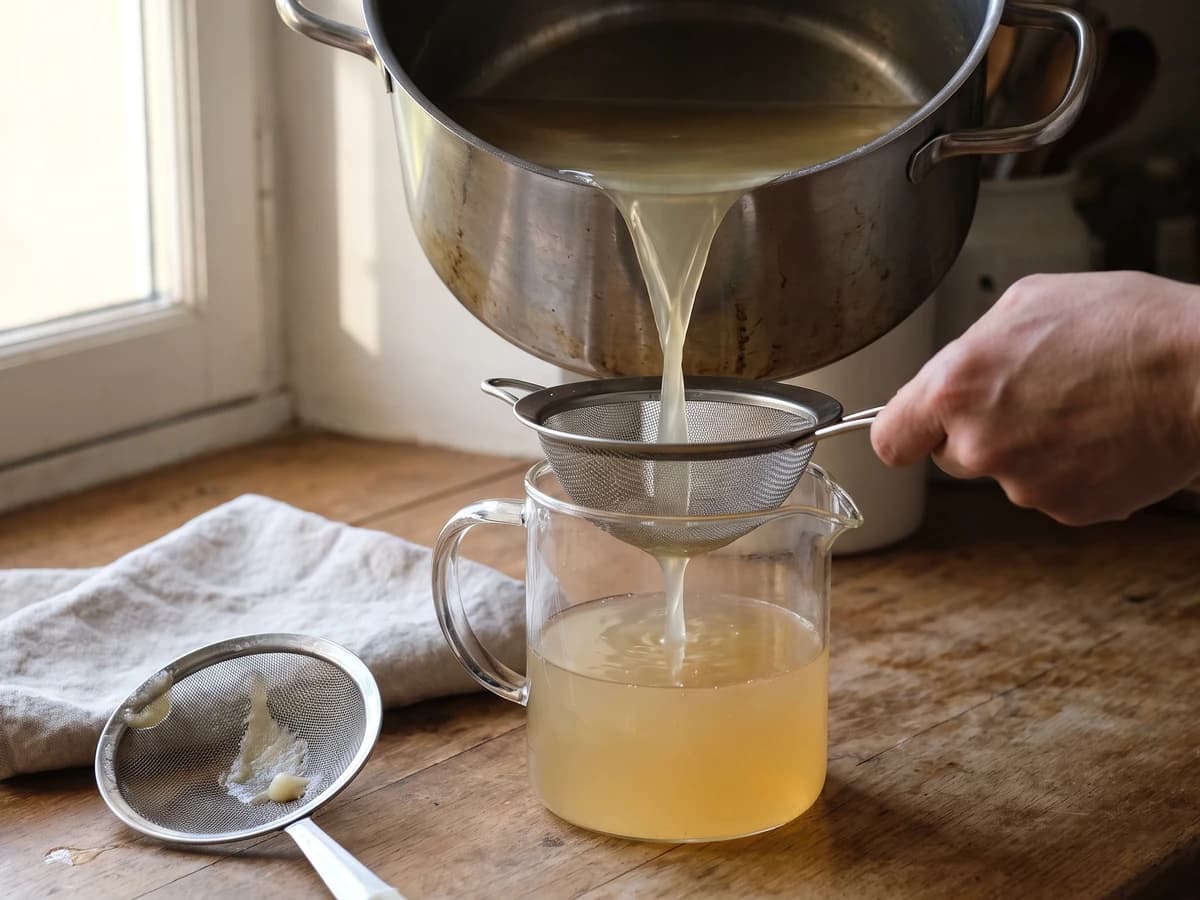
Break the veal bones small, then give them eight hours at a bare tremble. This pale, gelatinous fond becomes the quiet foundation beneath velouté, blanquette, and every sauce that must stay light.
Chef Juliette
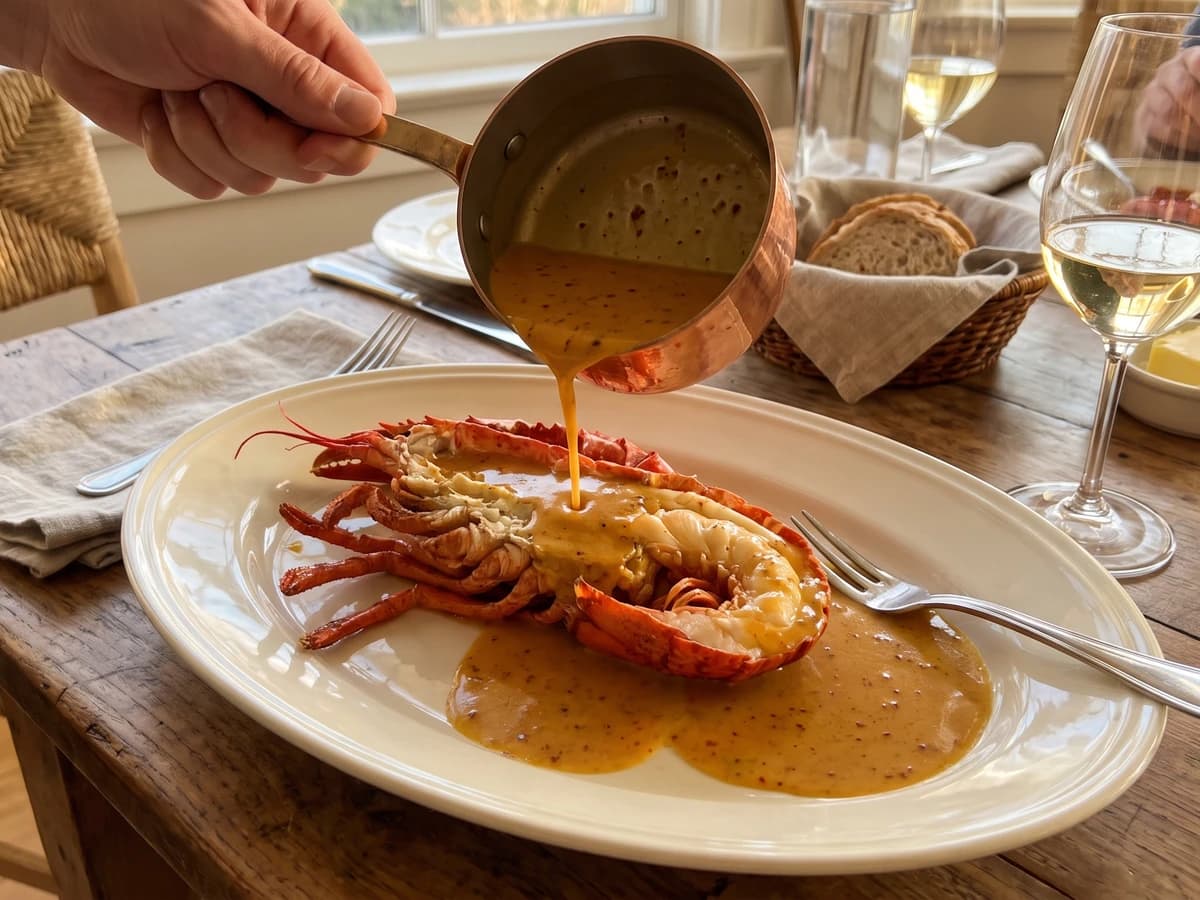
Sauce Orientale concentrates lobster-rich American Sauce with curry, then folds in cream away from the fire: a glossy, gently spiced derivative made for lobster, crayfish, and firm fish.
Chef Juliette
An old lesson in sauce families: Sauce Allemande takes mushroom liquor, then butter, lemon, and parsley, becoming a glossy Poulette for sheep's trotters, leeks, cauliflower, and anything needing gentle richness with a bright edge.