Chef Juliette
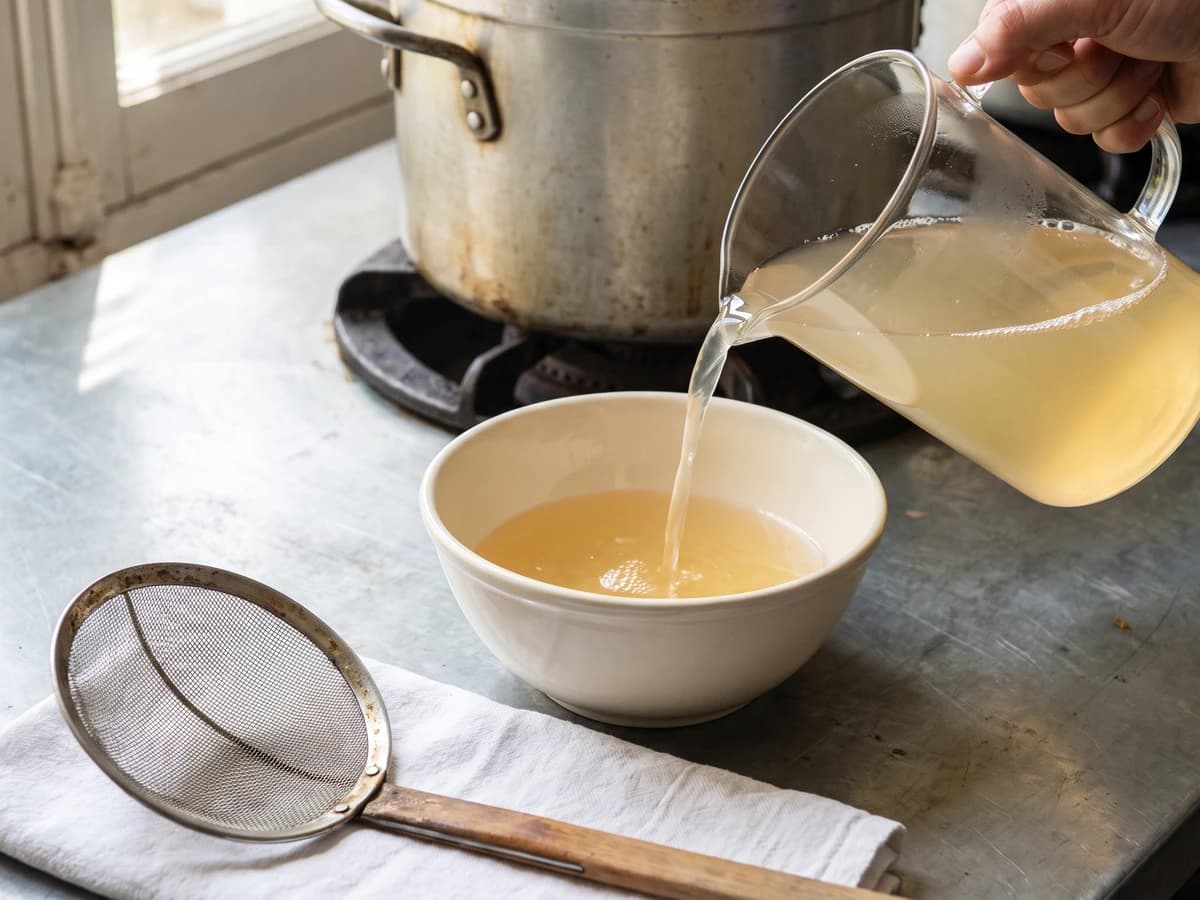
Ordinary or White Consommé
Beef shin, lean beef, and fowl begin in cold water and rise slowly toward a tremble. Skim before the boil, and you learn the quiet discipline that gives every clear French broth its backbone.
A cooking platform built around craft, culture, and the stories behind what we eat.
Created by Chef Juliette
Based on No. 135, Gloucester Sauce, from Le Guide Culinaire (1907) by Auguste Escoffier
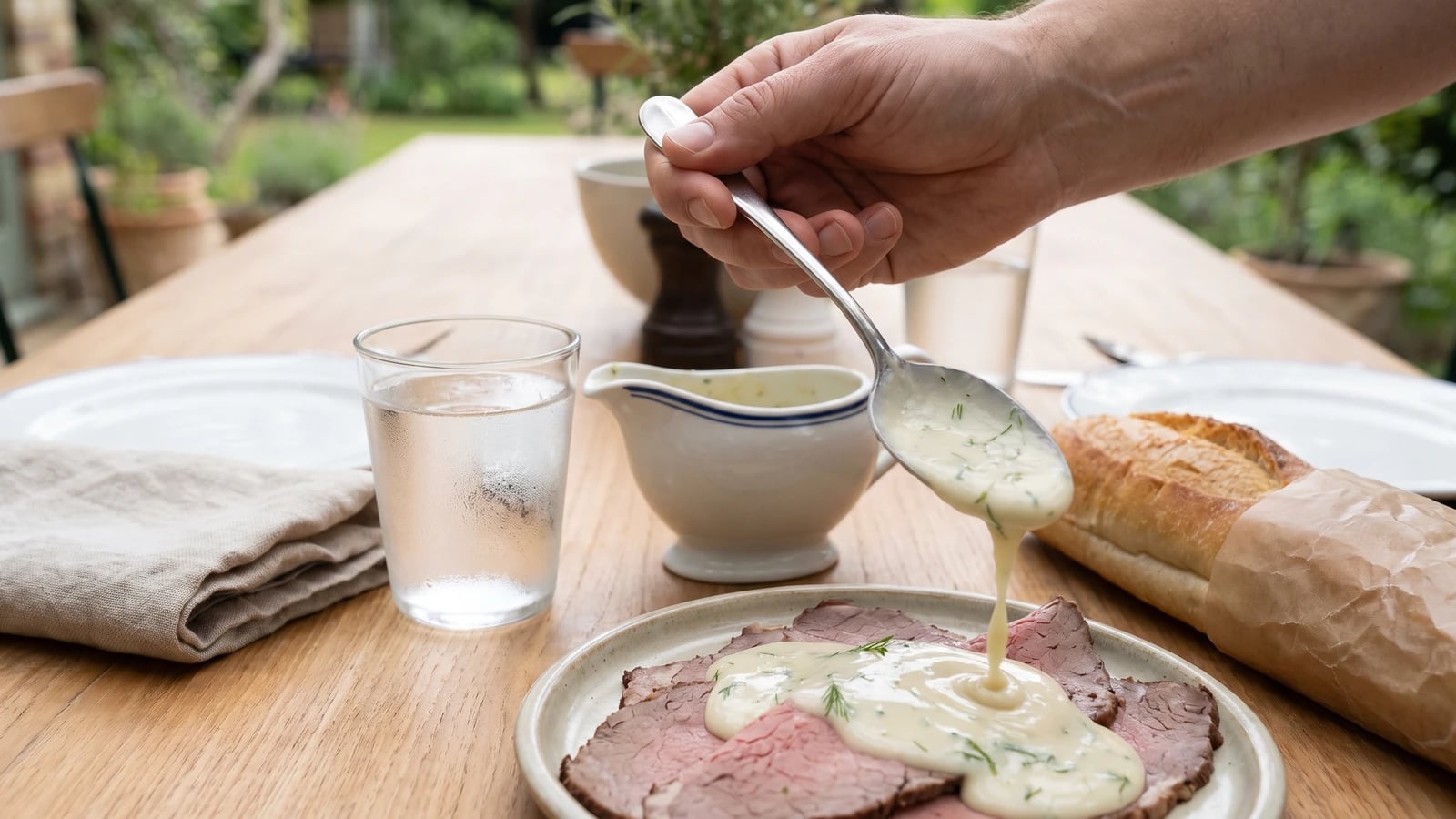
Sauce Gloucester turns one cold emulsion into another: thick mayonnaise softened with lemoned sour cream, then sharpened by fennel and Worcester sauce, smooth enough to spoon over cold meats but never runny.
Sauce Gloucester (a cold mayonnaise sauce for meats) teaches the quiet discipline of loosening an emulsion without undoing it. The one true thing to know before touching a pan is that there is no pan: very thick mayonnaise receives lemoned sour cream by degrees. Pour the cream in at once and the sauce can turn loose and greasy; feed it slowly and it becomes pale, glossy, and properly spoonable.
The original entry begins with a pint of mayonnaise and assumes a saucier with that foundation already made, plus enough cold meat to justify the quantity. At home, use a bowl, a small whisk, and one cup of excellent thick mayonnaise. The batch is reduced, but the book's five parts mayonnaise to one part sour cream remains intact, with the lemon, fennel, and Worcester sauce scaled beside it. The service quantity is brigade scaffolding and can go. Gradual incorporation is the dish and must stay. A stockpot and salamander have no work here. One cook, one stove, one evening.
Finished Sauce Gloucester should lie in a soft fold from the spoon, rich but freshly acidulated, with fennel lifting the cream and Worcester sauce giving a discreet savoury edge. Whisk the sour cream and lemon perfectly smooth first, then add that mixture to the mayonnaise in small measures. That gradual addition is the step that matters most.
In this form, Sauce Gloucester belongs to the French classical family of sauces froides (cold sauces), in which a finished mayonnaise is varied for cold dishes with cream, herbs, and bottled condiments. Its name and Worcester sauce give it a deliberate English accent, but its construction is French: preserve the mother emulsion, extend it carefully, then season it for the food it accompanies. The name does not make it a record of Gloucestershire household cookery; within the grand-kitchen canon, foreign place names often signalled the flavouring that distinguished one derivative sauce from another.
Quantity
1 cup (240 ml / 230 g)
divided
Quantity
⅕ cup (48 ml / 48 g)
Quantity
2½ teaspoons (12 ml / 12 g)
Quantity
scant ½ teaspoon (2 ml / 0.5 g)
very finely chopped
Quantity
scant ½ teaspoon (2 ml / 2 g)
| Ingredient | Quantity |
|---|---|
| very thick full-fat mayonnaisedivided | 1 cup (240 ml / 230 g) |
| full-fat sour cream | ⅕ cup (48 ml / 48 g) |
| fresh lemon juice | 2½ teaspoons (12 ml / 12 g) |
| fresh fennel frondsvery finely chopped | scant ½ teaspoon (2 ml / 0.5 g) |
| Worcester sauce (Worcestershire sauce) | scant ½ teaspoon (2 ml / 2 g) |
Let the mayonnaise and sour cream stand outside the refrigerator for about 10 minutes, just until both are cool rather than rigidly cold. Whisk the sour cream and lemon juice together until completely smooth. Matching their temperatures helps the two mixtures combine evenly; lumps of very cold sour cream encourage over-whisking later.
Set aside 1 tablespoon of the measured mayonnaise as insurance, then place the remainder in a medium bowl. Whisk in 1 teaspoon of the lemoned sour cream and wait until the mayonnaise is smooth before adding the next. Repeat several times, then continue in a fine ribbon, whisking gently after every addition. The mayonnaise should relax into a pale, glossy sauce without becoming runny. If it turns oily, grainy, or curdled, stop. Ça se rattrape: put the reserved mayonnaise in a clean bowl and whisk the troubled sauce into it 1 teaspoon at a time until the emulsion is smooth again, then continue slowly. If no rescue is needed, whisk in the reserved mayonnaise at the end.
Fold in the finely chopped fennel and Worcester sauce until evenly dispersed. Taste the sauce with a morsel of the cold meat you intend to serve, since Sauce Gloucester is made to season food rather than impress from the spoon alone. It should coat the meat generously, with lemon first, a fresh fennel note behind it, and Worcester sauce supplying depth without announcing itself.
Cover and refrigerate the sauce for 30 minutes so the fennel settles into the emulsion. Stir gently before serving; if it feels stiff from the cold, let it stand for 5 minutes rather than thinning it. Spoon it alongside cold roast beef, ham, tongue, veal, or poached chicken. For a picnic, carry it over ice and return it to the cold promptly. À table!
1 serving (about 37g)
Culinary guides, cultural storytelling, and the editorial depth that makes cooking meaningful.
Discover Culinary ExplorerChef Juliette
Beef shin, lean beef, and fowl begin in cold water and rise slowly toward a tremble. Skim before the boil, and you learn the quiet discipline that gives every clear French broth its backbone.
Chef Juliette
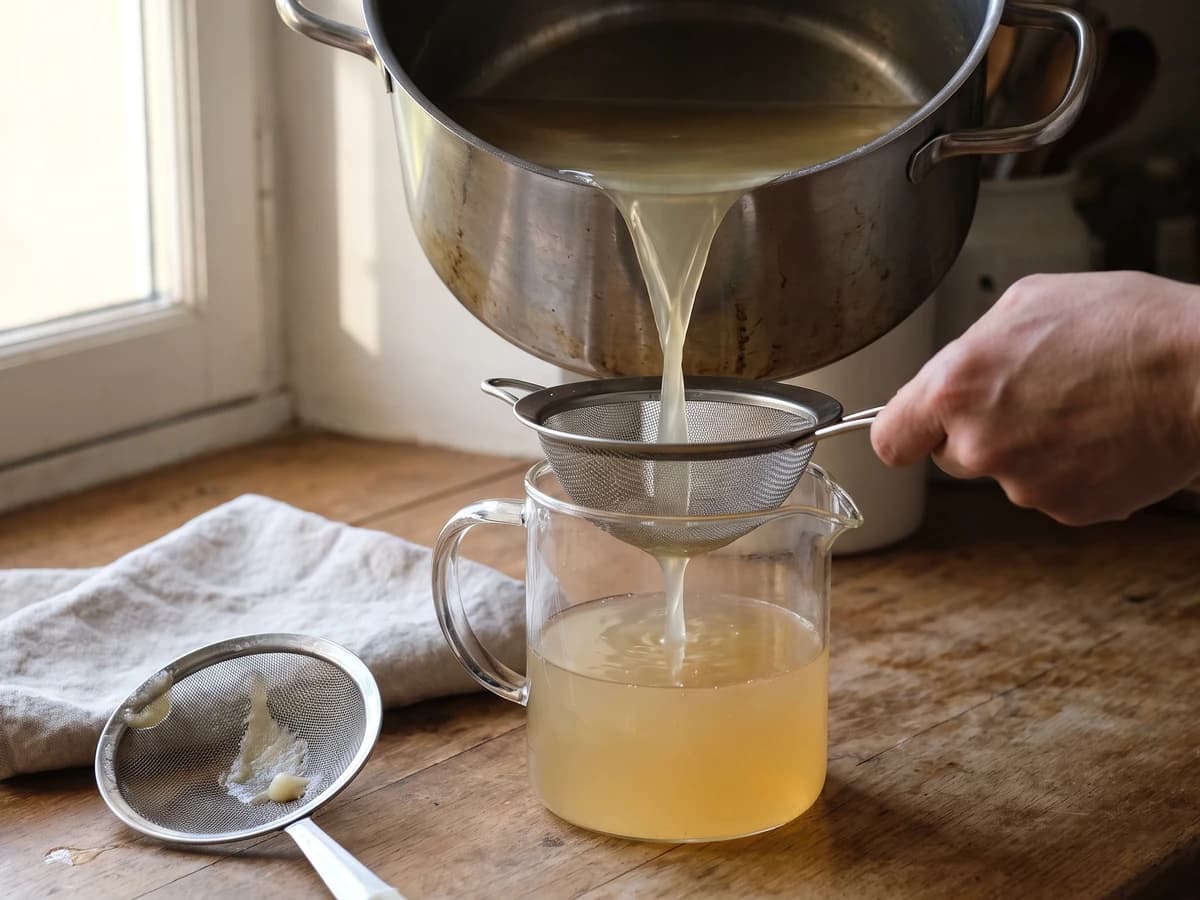
Break the veal bones small, then give them eight hours at a bare tremble. This pale, gelatinous fond becomes the quiet foundation beneath velouté, blanquette, and every sauce that must stay light.
Chef Juliette
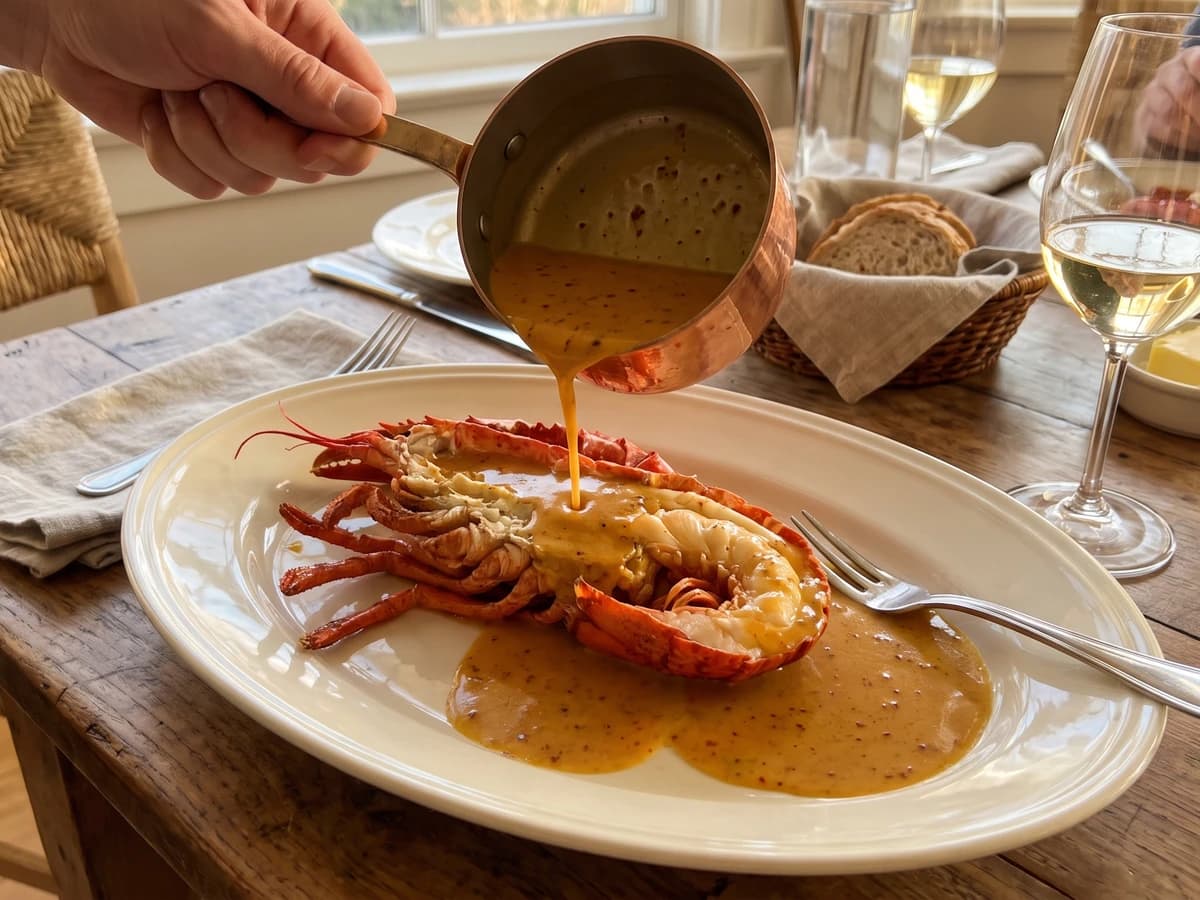
Sauce Orientale concentrates lobster-rich American Sauce with curry, then folds in cream away from the fire: a glossy, gently spiced derivative made for lobster, crayfish, and firm fish.
Chef Juliette
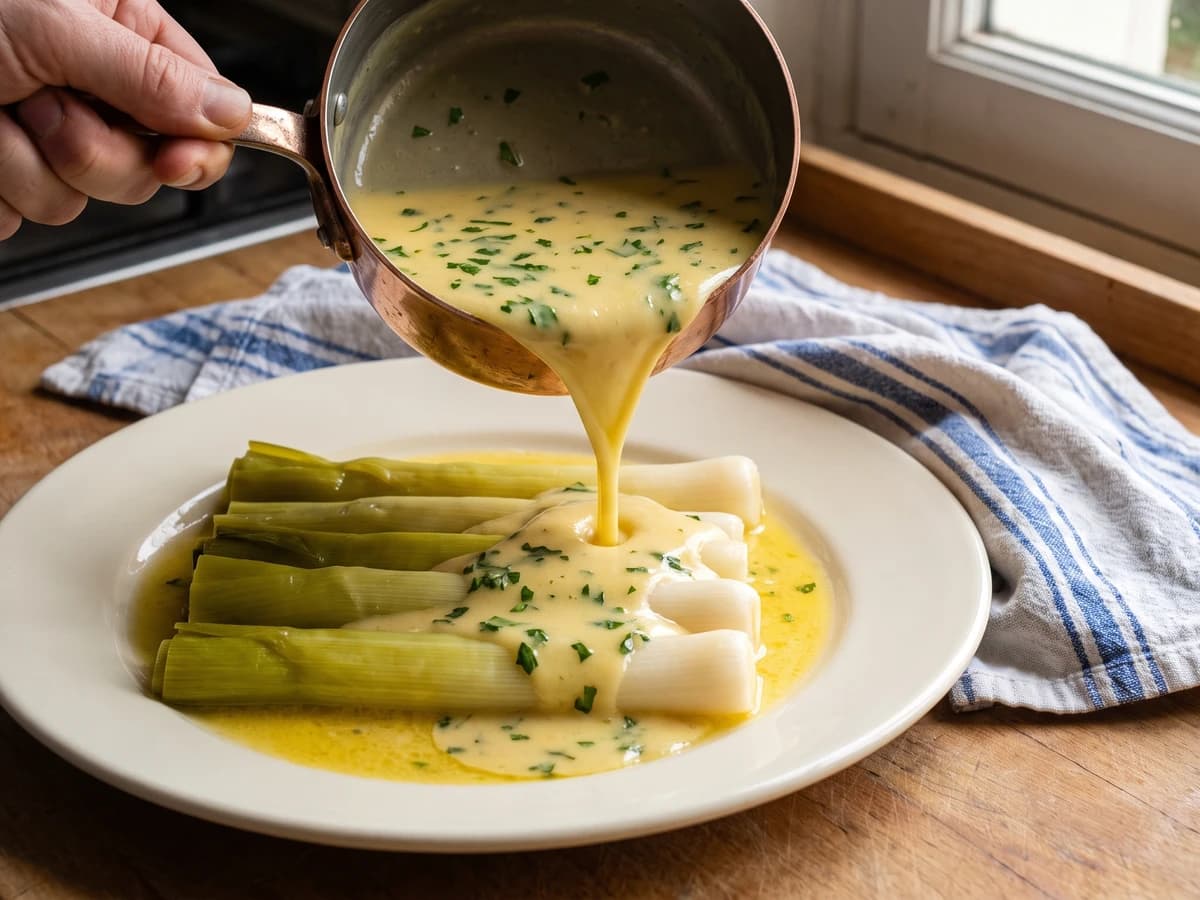
An old lesson in sauce families: Sauce Allemande takes mushroom liquor, then butter, lemon, and parsley, becoming a glossy Poulette for sheep's trotters, leeks, cauliflower, and anything needing gentle richness with a bright edge.