Chef Juliette
Ordinary or White Consommé
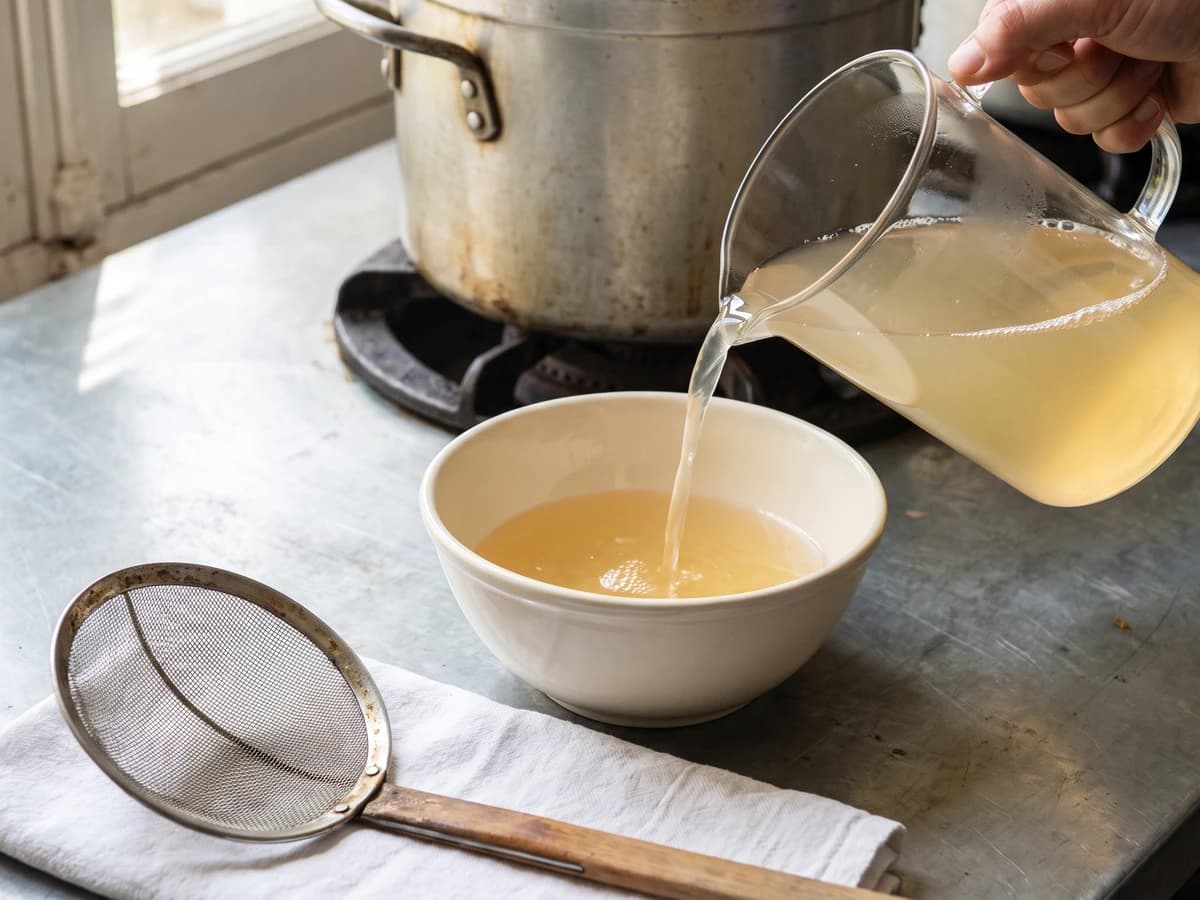
Beef shin, lean beef, and fowl begin in cold water and rise slowly toward a tremble. Skim before the boil, and you learn the quiet discipline that gives every clear French broth its backbone.
A cooking platform built around craft, culture, and the stories behind what we eat.
Created by Chef Juliette
Based on No. 150, Butter à la Maître d’Hôtel, from Le Guide Culinaire (1907) by Auguste Escoffier
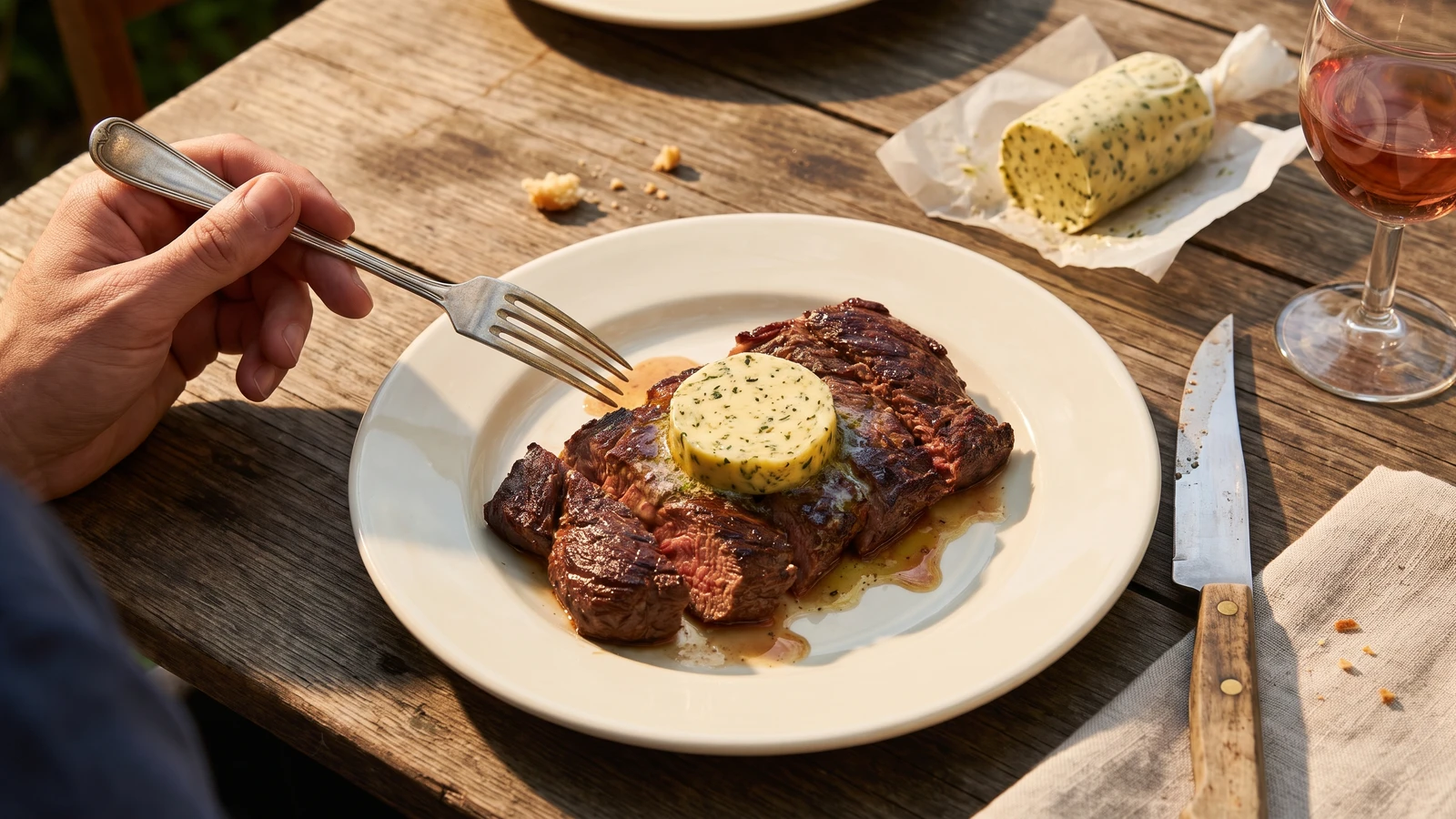
Beurre à la Maître d’Hôtel turns a cold coin of parsley-lemon butter into a glossy sauce on contact with a hot grill, teaching that timing and texture can replace an entire saucier’s station.
Beurre à la Maître d’Hôtel (parsley-lemon compound butter) teaches that a sauce needn’t begin in a pan. Butter creamed with parsley, salt, pepper, and a few drops of lemon waits in the cold; laid over a grill just after cooking, it loosens into a bright, glossy sauce with the meat or fish’s own juices. The one true thing is temperature: the butter must be soft enough to accept the seasonings, never warm enough to turn greasy.
The book’s kitchen prepared Manied Butter (No. 151) as a separate foundation and mixed a half-pound batch for a procession of grills. Here that finished preparation remains whole, exactly as the cross-reference requires, while the batch is halved to four ounces because a home table needs eight spoonfuls, not a service tray. The large batch and perfectly identical service coins are brigade scaffolding and can go; creaming the butter and adding the lemon by drops are the dish itself. One cook, one stove, one evening.
No simmering stockpot or salamander is needed. Your honest equivalent is a bowl, a flexible spatula, and the residual heat of properly grilled food. Temper the butter carefully before mixing: if it shines, slumps, or leaves oil on the bowl, chill it for five minutes and begin again. Ça se rattrape.
Beurre à la Maître d’Hôtel belongs to Parisian bistro and French grill-room service, where prepared butter let the cook finish steaks, chops, and fish without constructing a separate pan sauce. Its dining-room name can mislead: it is not a mother sauce, but a compound butter passed between the cold station and the grill because it could be portioned neatly and melted at the table. Across France it became a home-kitchen standby, with parsley and lemon sharpening grilled food without concealing its browned crust.
Quantity
1 1/2 teaspoons (7.5 ml / 2 g)
finely chopped
Quantity
1/8 teaspoon (0.6 ml / 0.75 g)
Quantity
1/16 teaspoon (0.3 ml / 0.15 g)
Quantity
1/4 teaspoon (1.25 ml / 1 g)
added drop by drop
| Ingredient | Quantity |
|---|---|
| Manied Buttersoftened but still cool | 1/2 cup (120 ml / 113 g) Manied Butter (No. 151) |
| fresh flat-leaf parsleyfinely chopped | 1 1/2 teaspoons (7.5 ml / 2 g) |
| fine salt | 1/8 teaspoon (0.6 ml / 0.75 g) |
| freshly ground black pepper | 1/16 teaspoon (0.3 ml / 0.15 g) |
| fresh lemon juiceadded drop by drop | 1/4 teaspoon (1.25 ml / 1 g) |
Set the Manied Butter (No. 151) in a medium bowl until it yields easily beneath a spatula but remains cool and opaque, usually twenty to thirty minutes in a temperate kitchen. Do not melt it. If the surface turns shiny or an oily ring appears, chill the bowl for five minutes, then continue once the butter is pliable again. Ça se rattrape.
Wash the parsley only if it needs it, then dry it completely before chopping it very fine. Damp leaves introduce stray water and leave coarse green streaks through the butter; dry parsley disperses cleanly and perfumes every slice.
Press and smear the softened foundation firmly against the side of the bowl until it becomes smooth, pale, and creamy. Add the parsley, salt, and pepper, then fold and smear until the green flecks are distributed evenly. Scrape the bowl once or twice so no pocket of seasoning escapes.
Add the lemon juice a few drops at a time, working each addition fully into the butter before adding more. The original restraint matters: lemon should lift the parsley and butter, not turn the mixture sour. If liquid beads on the surface, stop adding lemon, chill the bowl for five minutes, and work the butter firmly until it comes together again.
Spoon the butter onto parchment and roll it into a compact log about 1 1/4 inches (3 cm) thick, twisting the ends closed. Perfectly identical coins belonged to brigade service, so a small covered crock is equally honest at home. Chill for at least thirty minutes, until firm enough to slice cleanly.
Slice the chilled butter into eight coins. Set one or two over each steak, chop, fish fillet, or grilled vegetable immediately after it leaves the heat, then let the food rest while the butter loosens and mingles with its juices. It should gleam and pool, becoming the sauce without another pan. À table!
1 serving (about 29g)
Culinary guides, cultural storytelling, and the editorial depth that makes cooking meaningful.
Discover Culinary ExplorerChef Juliette
Beef shin, lean beef, and fowl begin in cold water and rise slowly toward a tremble. Skim before the boil, and you learn the quiet discipline that gives every clear French broth its backbone.
Chef Juliette
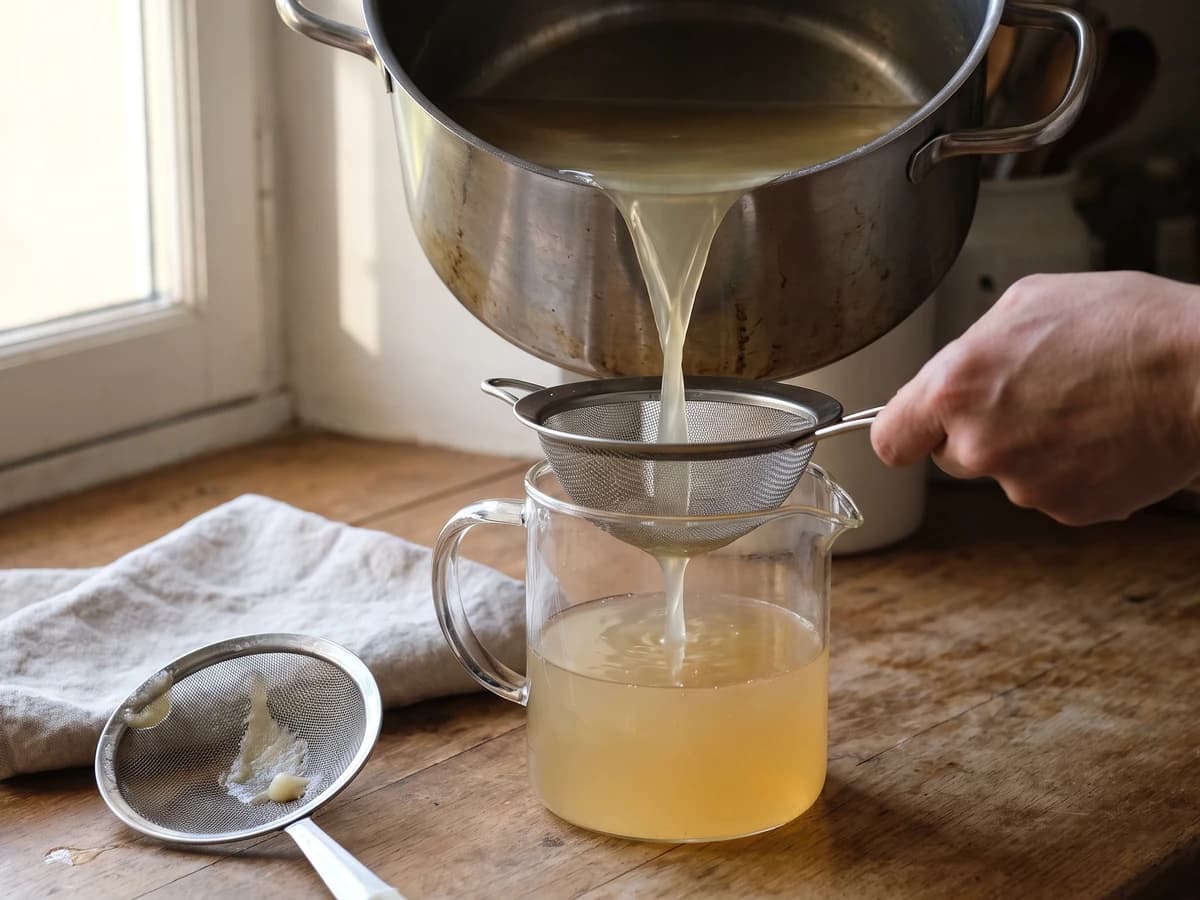
Break the veal bones small, then give them eight hours at a bare tremble. This pale, gelatinous fond becomes the quiet foundation beneath velouté, blanquette, and every sauce that must stay light.
Chef Juliette
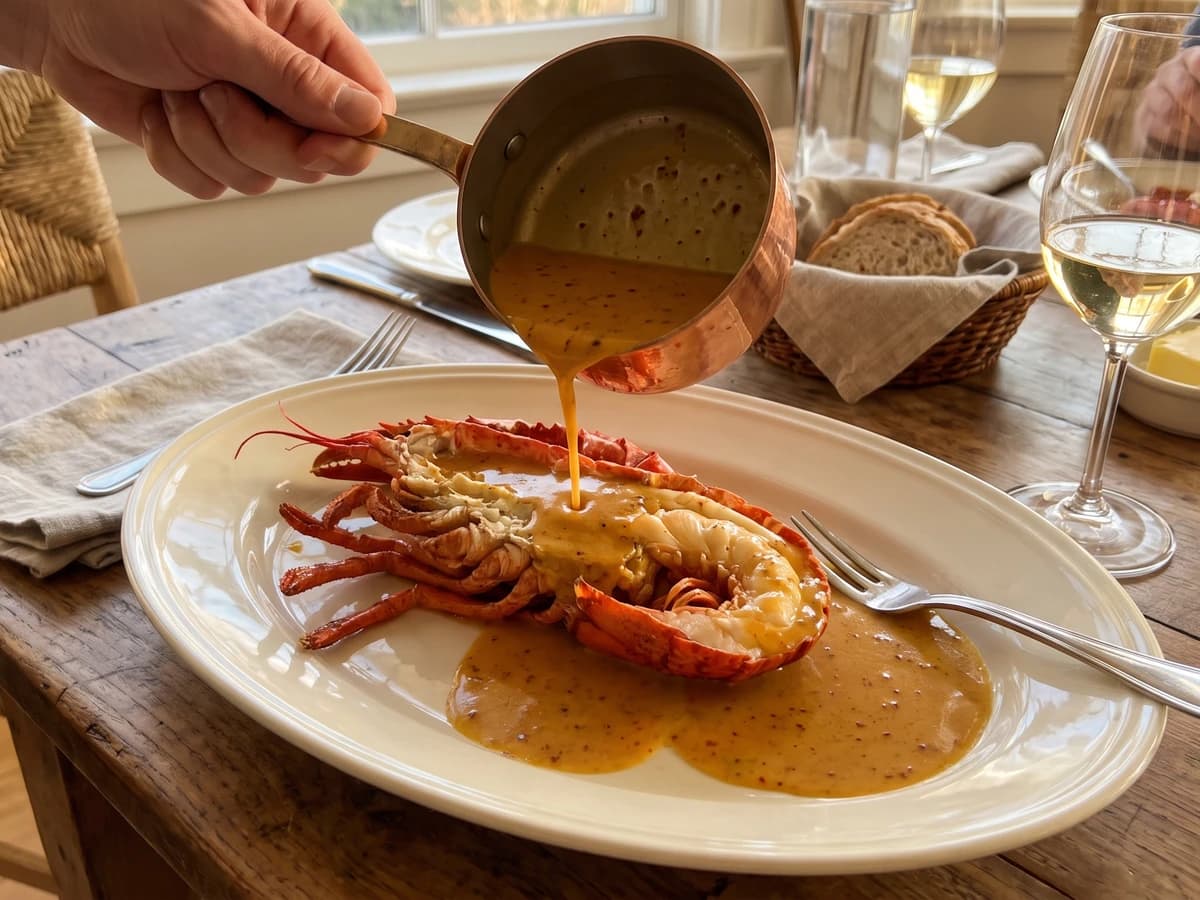
Sauce Orientale concentrates lobster-rich American Sauce with curry, then folds in cream away from the fire: a glossy, gently spiced derivative made for lobster, crayfish, and firm fish.
Chef Juliette
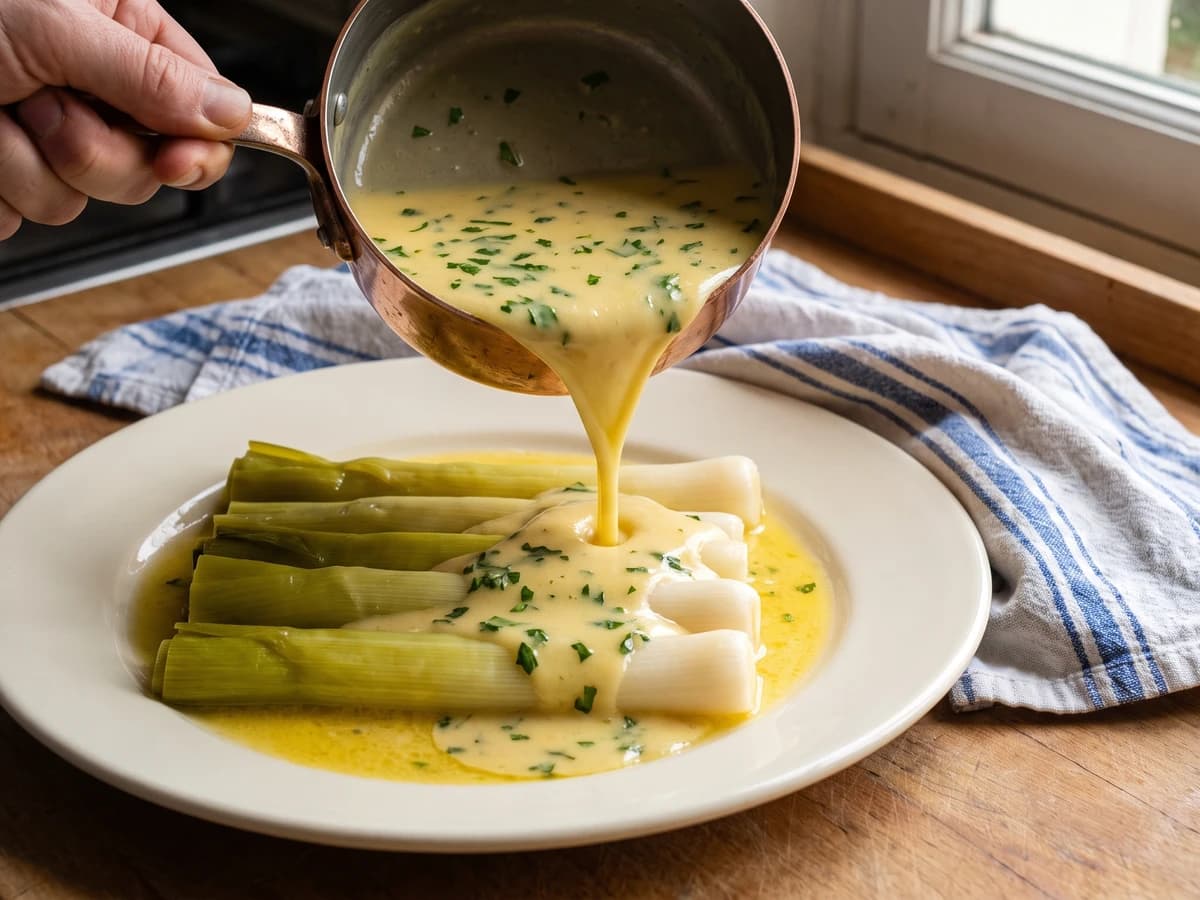
An old lesson in sauce families: Sauce Allemande takes mushroom liquor, then butter, lemon, and parsley, becoming a glossy Poulette for sheep's trotters, leeks, cauliflower, and anything needing gentle richness with a bright edge.