
Chef Takumi
Yatsuhashi (八ツ橋, Kyoto cinnamon rice wafers)
Yatsuhashi is Kyoto made portable: rice flour, sugar, and nikki cinnamon pressed thin, baked dry, then curved while warm into a crisp little bridge.

Updated June 5, 2026
The traditional Japanese sweet tradition that grew up alongside the tea ceremony. Mochi, dango, manju, yokan, jonamagashi, and the calendar sweets.
A cooking platform built around craft, culture, and the stories behind what we eat.
Chef Takumi
Yatsuhashi is Kyoto made portable: rice flour, sugar, and nikki cinnamon pressed thin, baked dry, then curved while warm into a crisp little bridge.

Chef Takumi
Yamaguchi uirō shares a name with Nagoya's sweet, then quietly disagrees. Warabi starch and azuki set into a tender, translucent log that slices cleanly after a patient steam.

Chef Takumi
Hanabira-mochi looks ceremonial, because it is. But the work is small and exact: tender gyuhi, mellow white miso filling, and one long candied burdock root left visible.

Chef Takumi
Nagoya uirō asks for rice flour, sugar, water, and patience. Steam it fully, cool it completely, then slice the quiet, chewy log thin enough that its restraint makes sense.

Chef Takumi
Two names, one humble sweet: half-pounded rice, sweet azuki, and the season deciding whether we call it botamochi or ohagi.

Chef Takumi
Saka manjū asks for patience, not cleverness: a lightly fermented dough, smooth anko, and gentle steaming until each bun turns pale, plump, and faintly fragrant.

Chef Takumi
Anmitsu looks like a tray of small tasks, but the work is calm: dissolve the kanten fully, chill the pieces clean, then let fruit, anko, and kuromitsu do the speaking.
Chef Takumi
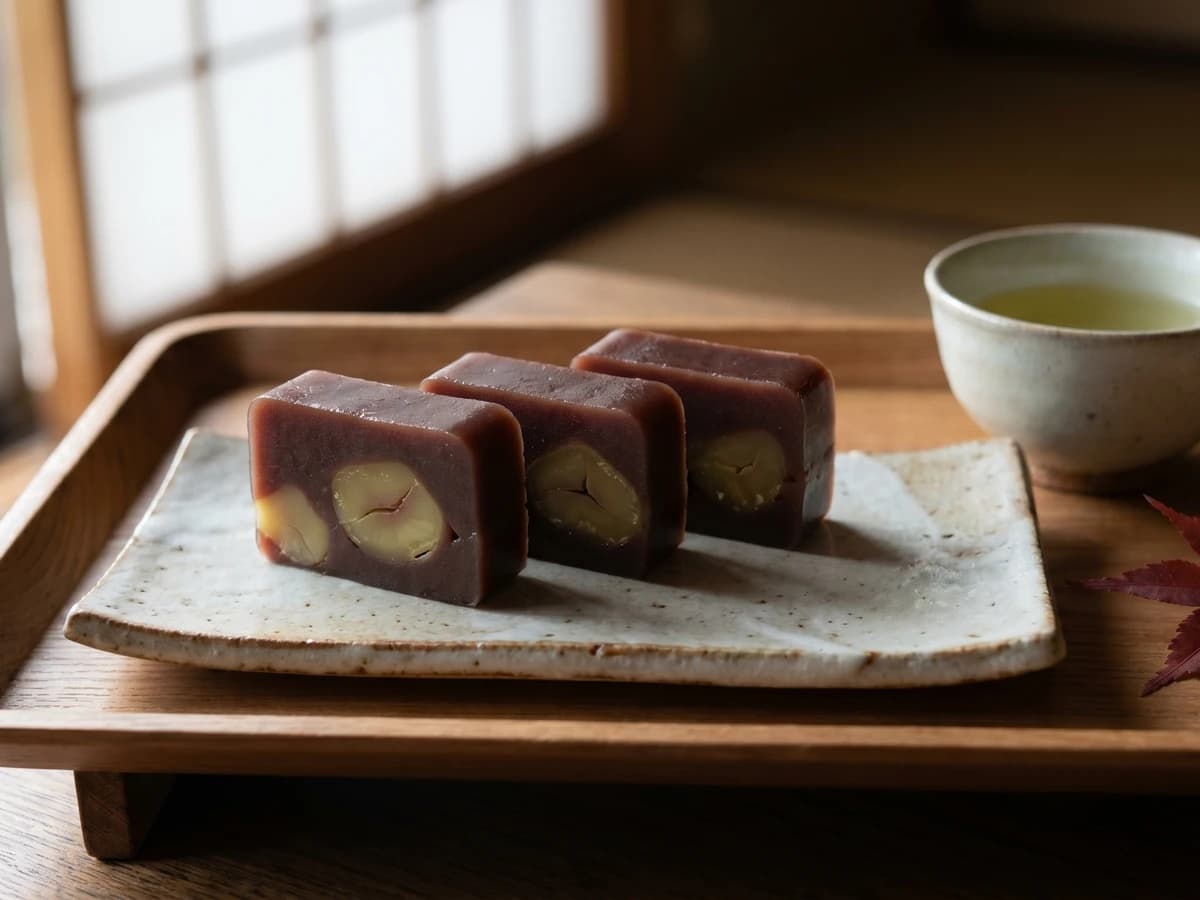
Autumn's grand yōkan is simpler than it looks: smooth anko, properly boiled kanten, and whole sweet chestnuts held in a firm jelly that slices cleanly.

Chef Takumi
Dorayaki asks for no pastry skill, only patience at the pan. Rest the batter, cook slowly, and the cakes turn soft and evenly brown around a quiet center of anko.

Chef Takumi
Neri yōkan looks severe, almost scholarly. Then you make it and learn the truth: bean paste, kanten, sugar, steady stirring, and patience while it sets.
Chef Takumi
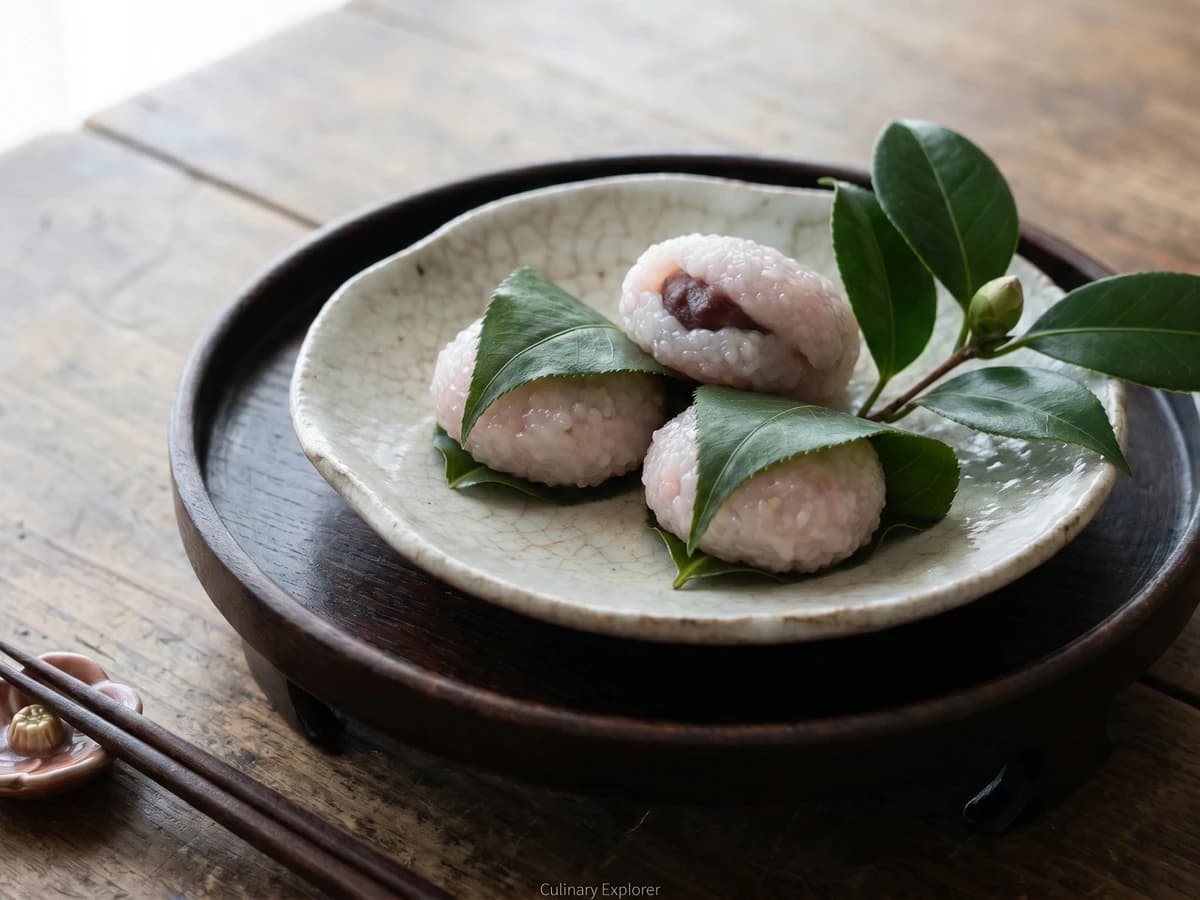
The first February sweet: tender dōmyōji rice around anko, pressed between two camellia leaves. The work is small, but the season announces itself clearly.

Chef Takumi
A spring wagashi of soft gyūhi, smooth red bean paste, and pale uguisu kinako. The shape looks delicate, but the work is mostly patience and a well-dusted board.

Chef Takumi
Taiyaki looks like a shop trick. It isn't. Thin batter, good anko, a hot fish mold, and the patience to cook each side until the tai releases cleanly.
Chef Takumi
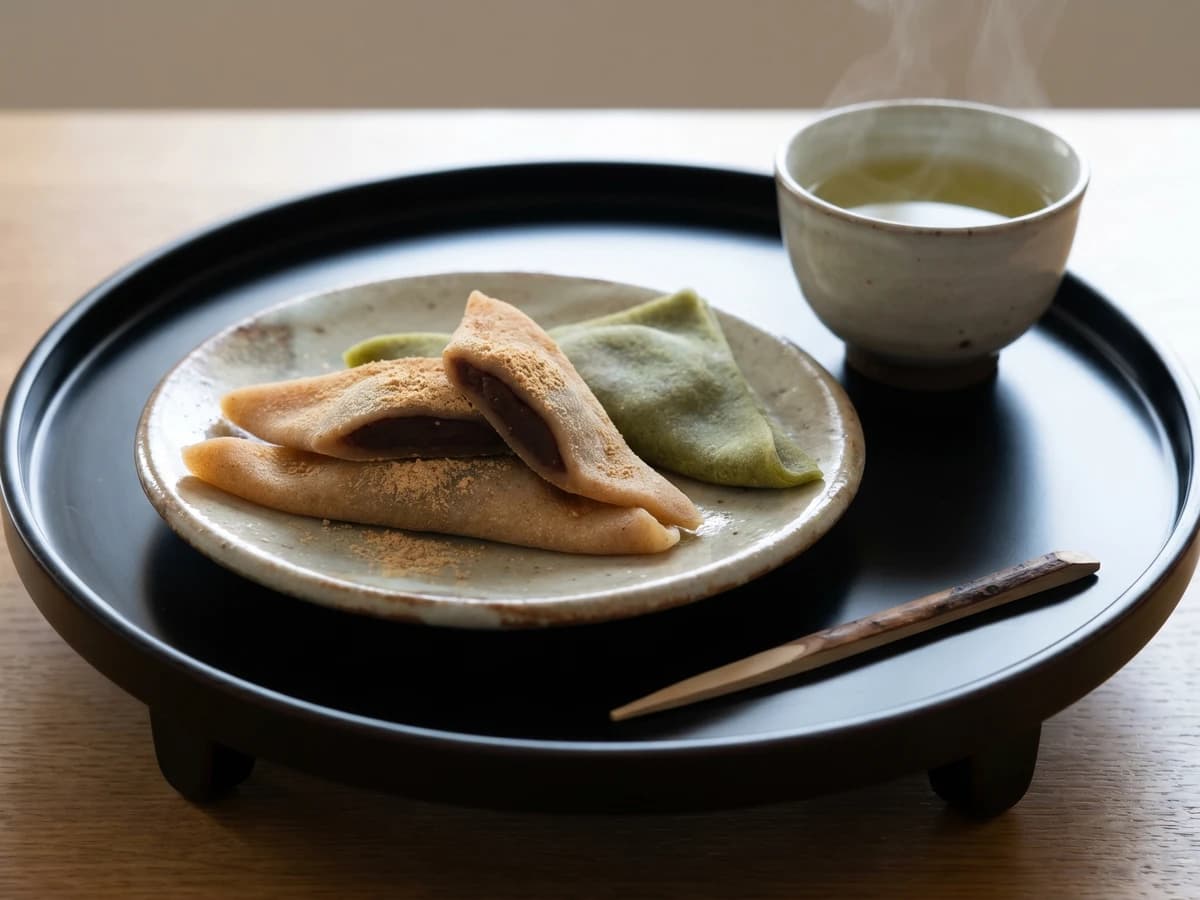
Soft, cinnamon-scented yatsuhashi asks for evenly steamed rice dough and a modest spoon of anko. Fold it while warm, leave it room, and Kyoto's souvenir sweet becomes kitchen work.

Chef Takumi
A thin castella batter, smooth red bean paste, and a warm maple mold: this Hiroshima sweet looks clever, but the whole character rests on filling lightly and closing the mold gently.

Chef Takumi
Real kuzu-mochi is pure kuzu starch stirred over heat until it turns glass-clear, then chilled just enough to tremble under kinako and dark kuromitsu syrup.

Chef Takumi
Steamed rather than agar-set, this older yōkan folds autumn chestnuts into smooth azuki paste and sets softly under steady heat. The batter should fall in a heavy ribbon, then rest before slicing.

Chef Takumi
Real warabi-mochi is not bouncy candy. It is cool, translucent, and barely held together, with toasted kinako clinging to the surface and kuromitsu running dark at the edge.

Chef Takumi
Mame daifuku is soft mochi, sweet anko, and whole salted beans in the skin. The salt is small, but it is the hinge that makes the sweetness clean.

Chef Takumi
Three colors, one skewer: pink blossom, white snow, green spring grass. Hanami dango asks only for good rice flour, gentle kneading, and the sense to stop cooking when the dumplings float.

Chef Takumi
A thick little cake, browned on both faces and hiding warm anko at its center. The trick is slow heat, not bravery, so the batter cooks through before the crust gets too dark.

Chef Takumi
Rakugan looks like a confectioner's secret, but it is only rice flour, fine sugar, a little syrup, and firm pressing. The one thing to guard is moisture.

Chef Takumi
Hishimochi looks ceremonial, but it is only three simple rice cakes stacked with care: green for new growth, white for snow, pink for peach blossom.
Chef Takumi
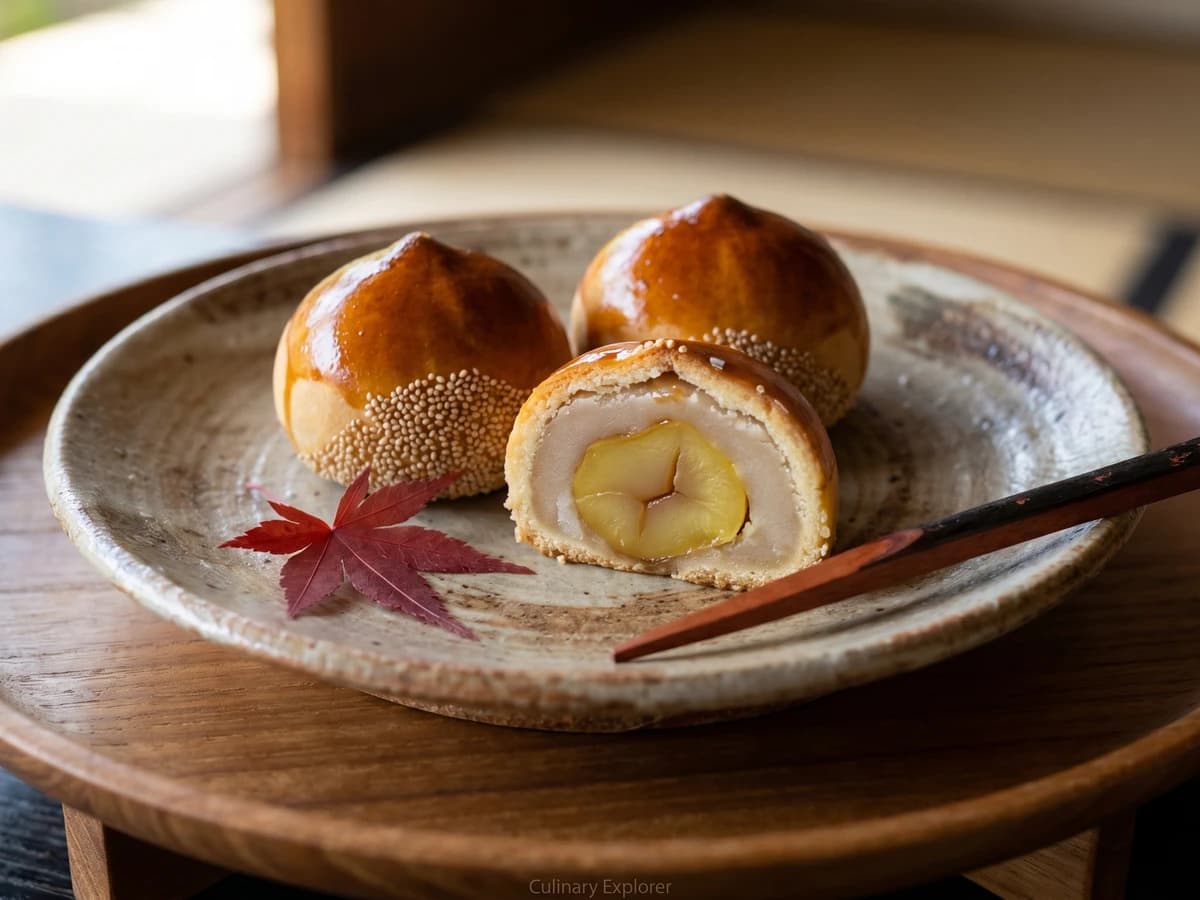
Autumn sits inside this manjū: a whole sweetened chestnut wrapped in pale bean paste, sealed in soft dough, and brushed until the top bakes glossy as lacquer.

Chef Takumi
Monaka is not difficult. The shell is bought from a wagashi maker, the anko is cooked slowly until firm, and the whole sweet depends on one decision: fill it late.

Chef Takumi
One bright strawberry, a thin coat of white-bean paste, and soft mochi pulled around it while warm. Ichigo daifuku is modern wagashi with an old lesson: freshness decides everything.

Chef Takumi
Kansai's sakuramochi is soft grain, smooth anko, and one salty cherry leaf. Steam the dōmyōji gently and the sweet comes together with spring's scent already built in.
Chef Takumi
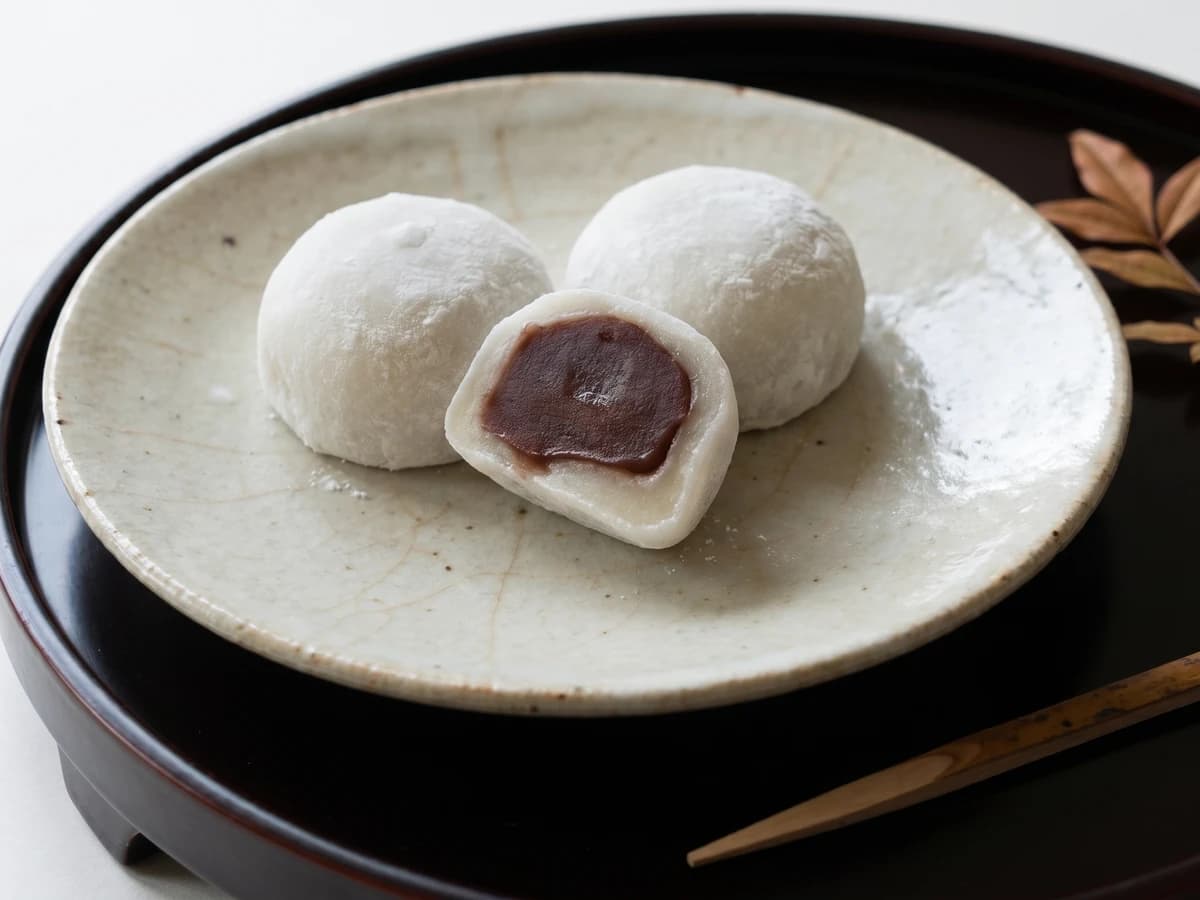
Daifuku looks like wagashi that belongs behind glass, but the first secret is simple: soft mochi skin, cool anko, and a quick hand while the dough is warm.

Chef Takumi
Chimaki looks ceremonial because the leaves do their work in silence: they shape the rice, scent it lightly, and turn a plain dumpling into May 5 food.
Chef Takumi
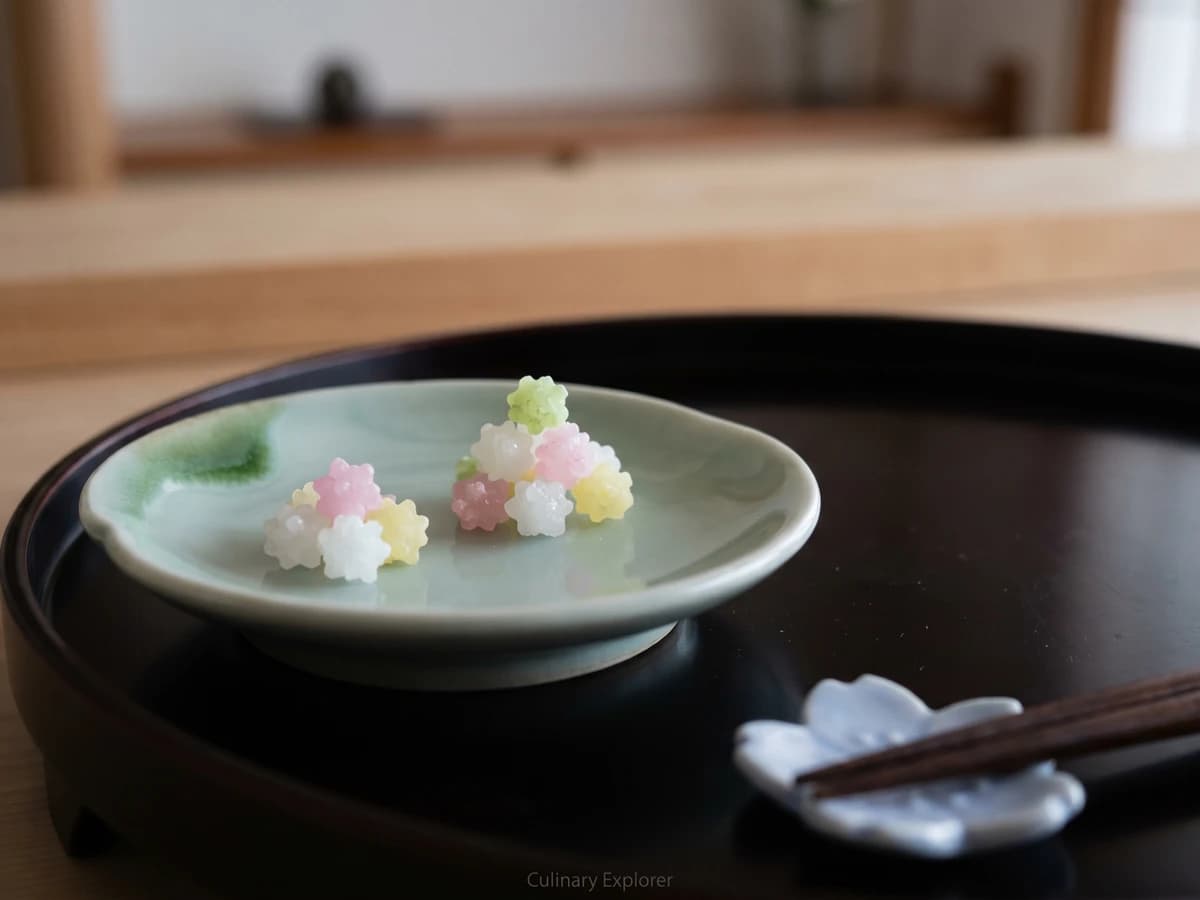
Konpeitō looks like magic, but it is patient sugar work: tiny cores warmed and turned while thin syrup dries in layers, growing points one careful spoonful at a time.

Chef Takumi
Kusamochi is spring pressed into rice: young yomogi, hot steamed mochigome, and sweet anko wrapped while the mochi is still soft enough to listen.
Chef Takumi
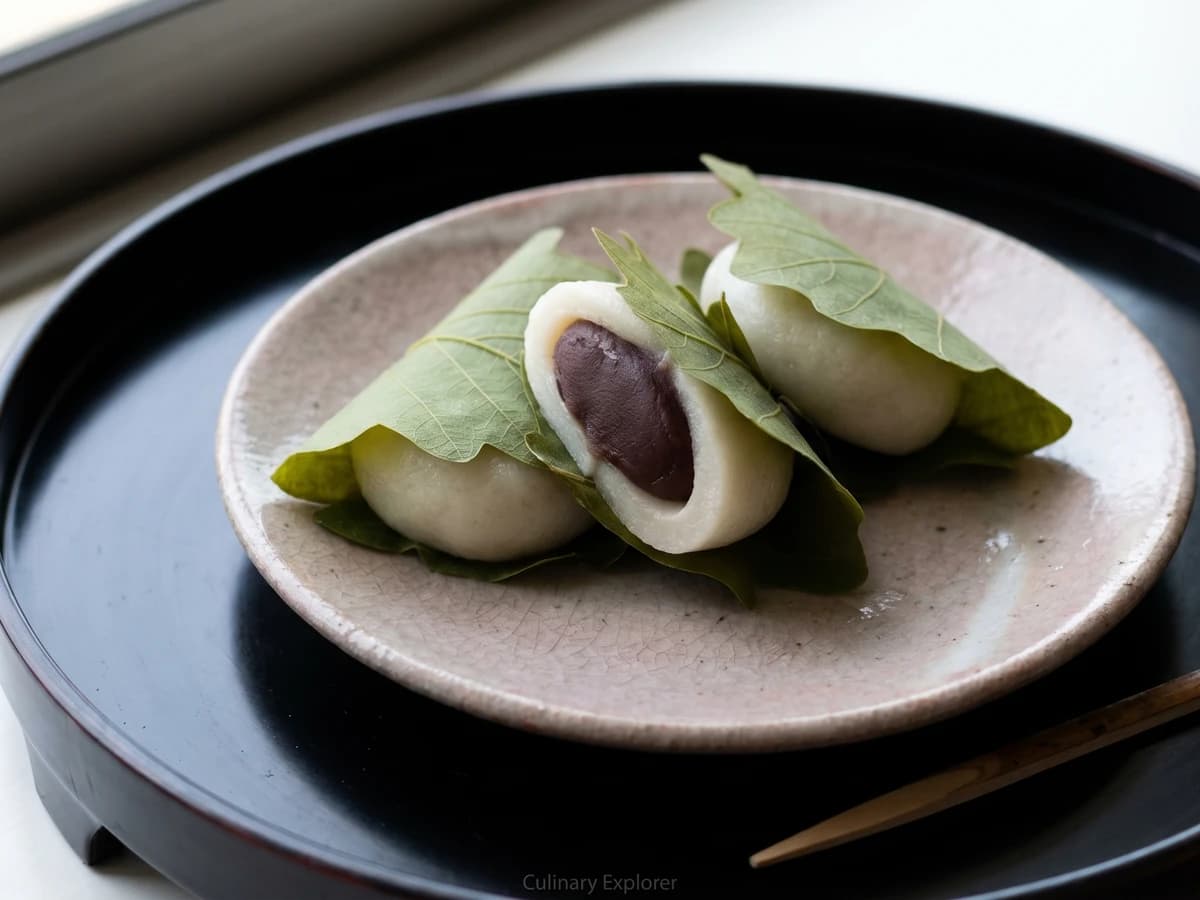
Kashiwamochi is Children's Day in the hand: plain rice dough, sweet bean paste, and an oak leaf whose fragrance makes the little folded cake feel unmistakably spring.

Chef Takumi
Kantō sakuramochi is a spring sweet with a thin pink skin, smooth anko, and one salted cherry leaf doing quiet work. The pan is gentle, the wrapper pale, the leaf the perfume.

Chef Takumi
Nerikiri looks like confectionery for people with secret hands. It isn't. Smooth white-bean paste, a little gyūhi for suppleness, and one clear seasonal idea are the whole matter.

Chef Takumi
Imo yōkan is Asakusa's quiet autumn sweet: steamed satsumaimo, sugar, and a pinch of salt, pressed into a clean block and left to set by the potato's own starch.

Chef Takumi
Kuzukiri is a summer sweet built from almost nothing: hon-kuzu, water, ice, and dark kuromitsu. Cook the starch until it turns clear, then eat it before the cold loses its snap.

Chef Takumi
Karukan is Kagoshima's snowy yam cake: fresh mountain yam beaten until sticky and light, folded with rice flour and sugar, then steamed into a tender wagashi that needs no decoration.

Chef Takumi
This is autumn made small: fresh chestnuts at their prime, sweetened only enough to hold, then twisted in cloth until each piece keeps the quiet shape of a chestnut.

Chef Takumi
This is confectionery reduced to its clearest form: fine Awa wasanbon, a breath of moisture, firm pressing, and enough drying time for each tiny shape to hold.

Chef Takumi
A formal tea sweet made from grated mountain yam, fine rice flour, and smooth anko, worked lightly and steamed into tender white domes. The yam gives the lift, so your hand stays gentle.
Chef Takumi
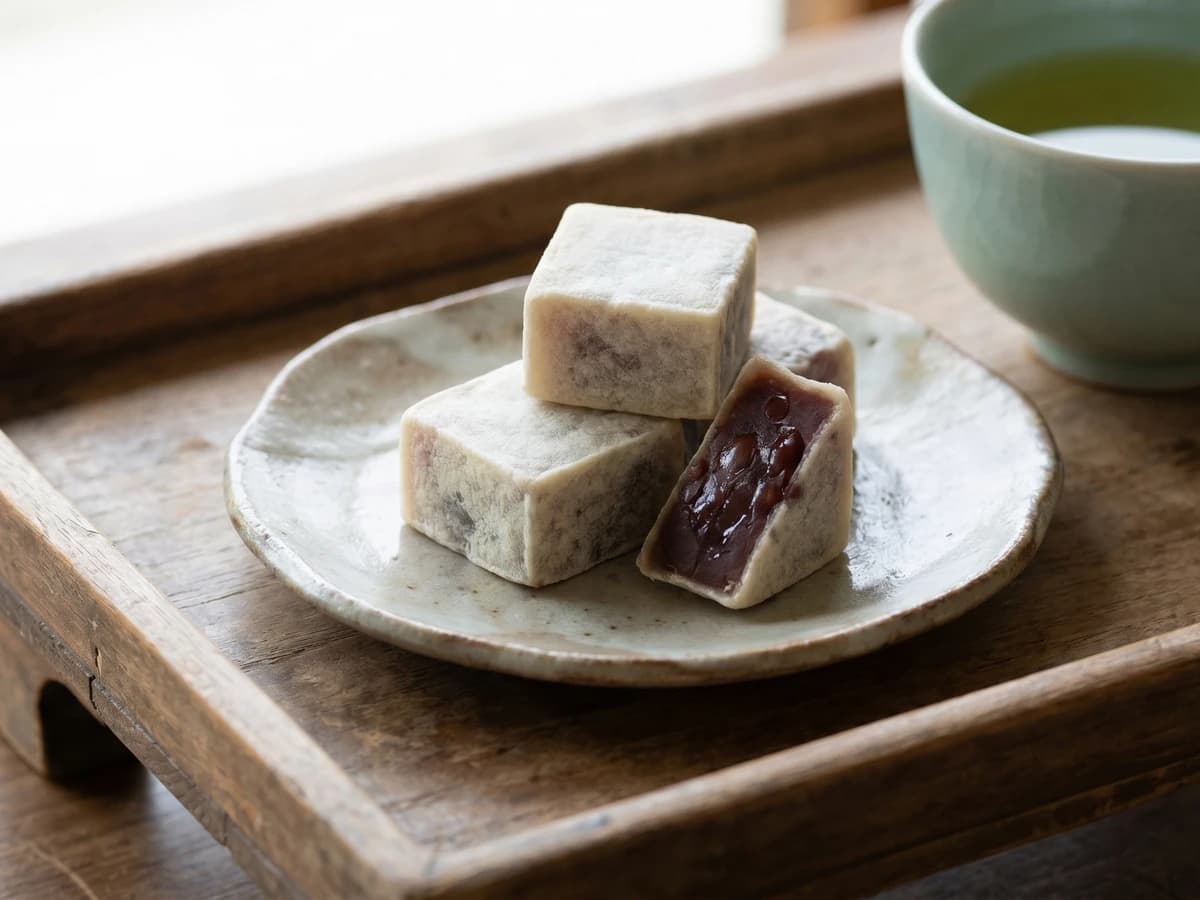
Kintsuba is confectionery with no hiding place: a block of good azuki anko, a thin coat of batter, and the patience to cook each face cleanly.

Chef Takumi
Kyoto's June sweet is less pastry than calendar. A tender uirō slab, a scatter of sweet azuki, and one clean triangular cut mark the body for summer.

Chef Takumi
Mitarashi dango is not pastry work in disguise. Rice flour, water, a short simmer, and a soy-sugar glaze give you chewy dumplings with a dark shine and a little grill mark.

Chef Takumi
Tsukimi dango are not sweetshop tricks. They are plain rice dumplings, gently kneaded, boiled until firm and tender, then stacked so the autumn moon has somewhere to rest its eye.

Chef Takumi
Mizu yōkan is summer yōkan: cool, smooth, and barely set. More water and less kanten make it tender enough to cut cleanly and eat chilled from a small dish.

Chef Takumi
Aruheitō looks like courtly work, but the first secret is plain: boil the sugar cleanly, cool it just enough to touch, then pull until it shines.
Culinary guides, cultural storytelling, and the editorial depth that makes cooking meaningful.
Discover Culinary ExplorerChef Takumi is a fictional culinary guide to Japanese Washoku Cuisine, written with the assistance of AI.