
Chef Takumi
Shirasudon (しらす丼, whitebait rice bowl)
Kama-age shirasu needs almost no cooking at home. Set it lightly over hot rice, sharpen it with ginger and shōyu, and the little fish stay sweet, briny, and clear.

Updated June 2, 2026
The Japanese rice-bowl meal in its many faces. A bowl of rice, one good topping, the dashi that ties them: the five great donburi, the home cook's egg-bound bowls, the seafood family of the edomae fish stalls, and the regional bowls that mark a place. Honmono, the real thing, made reachable.
A cooking platform built around craft, culture, and the stories behind what we eat.
Chef Takumi
Kama-age shirasu needs almost no cooking at home. Set it lightly over hot rice, sharpen it with ginger and shōyu, and the little fish stay sweet, briny, and clear.
Chef Takumi
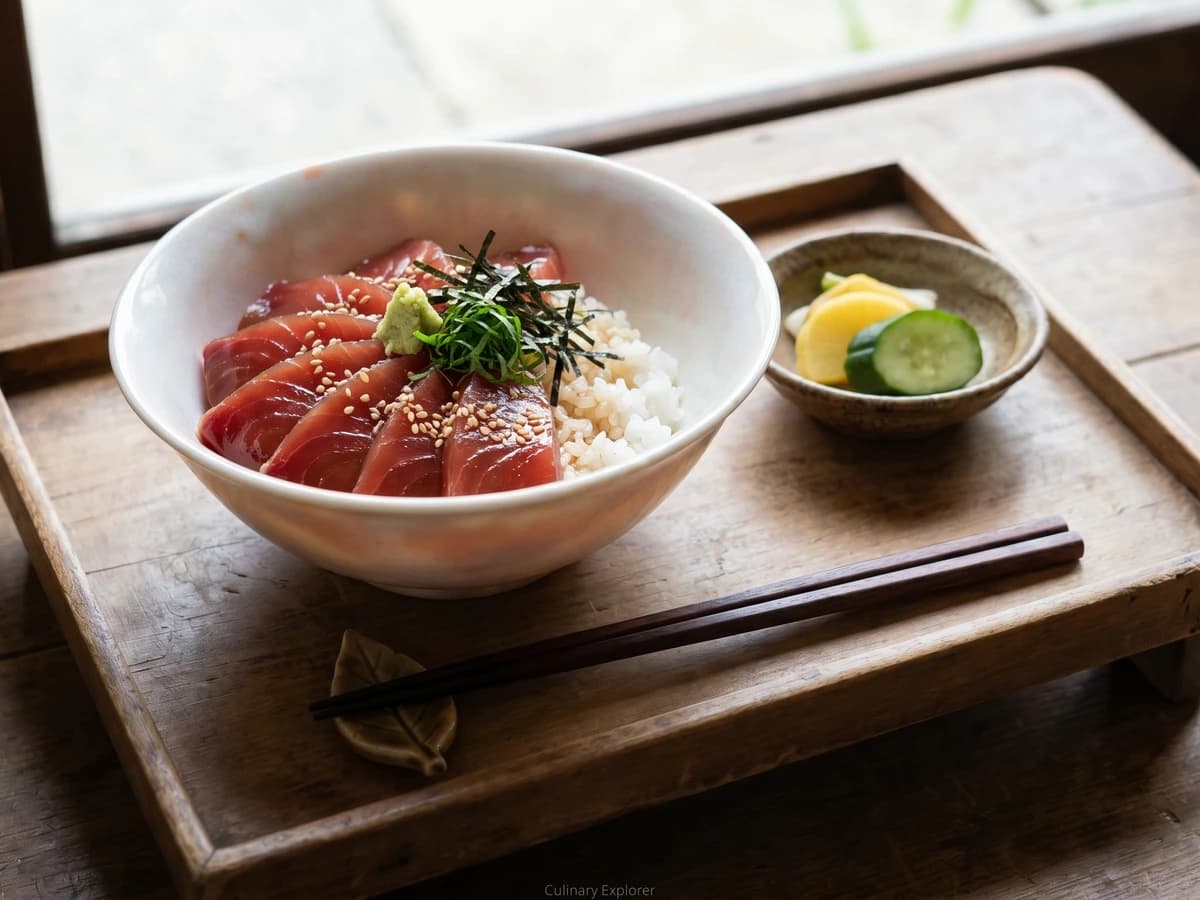
Zukedon is the weeknight answer to sashimi: good fish, a brief soy marinade, warm rice cooled enough to respect it, and a bowl that tastes composed without pretending to be grand.

Chef Takumi
Ikuradon looks lavish, but the work is quiet: clean roe, a cooled soy-dashi marinade, hot rice, and the restraint to let each bead burst without anything heavy in its way.

Chef Takumi
Fukagawadon is the old Tokyo fisherman's bowl: asari opened in dashi, miso stirred in gently, scallions softened, then everything ladled over hot rice, exact enough to taste of the bay.

Chef Takumi
Two quiet stripes over rice: seasoned chicken, soft egg, and green peas. Soborodon is a bento staple because it keeps well, eats cleanly, and asks only for careful stirring.

Chef Takumi
Tendon asks for one piece of nerve: cold batter into hot oil, then sauce at the last moment. Do that, and the shrimp and vegetables sit crisp over rice that drinks the tare.

Chef Takumi
Unadon looks like a shopkeeper's secret, but the heart is plain: good eel, a soy-mirin glaze cooked to a shine, and hot rice ready to catch every drop.

Chef Takumi
Negitorodon is the thrift of the sushi counter turned into supper: glistening fresh tuna trim, chopped just enough to hold together, over room-temperature vinegared rice.

Chef Takumi
A good butadon is pork, rice, and a tare that catches at the edge of the grill. The trick is not heaviness. It is timing.

Chef Takumi
A thin cutlet, crisp from the oil, dipped once in dark sauce and laid over rice. Fukui sauce katsudon is direct food: no egg, no onion, nothing hidden.

Chef Takumi
Gyūdon is weeknight washoku at its most direct: thin beef, sweet onion, a small pan of seasoned dashi, and hot rice waiting underneath.

Chef Takumi
Unajū looks formal because the box is formal. The work itself is simple: good eel, patient glaze, hot rice, and the nerve to stop before the tare turns heavy.

Chef Takumi
A pork cutlet, hot rice, and a dark hatcho-miso tare: Nagoya's comfort bowl is not subtle, but it is precise. The sauce must gloss the crust, not drown it.

Chef Takumi
Tekkadon looks like a restaurant privilege, but it's only good tuna, properly seasoned rice, and a clean knife. Buy well, slice calmly, and there's nothing to hide.

Chef Takumi
Oyakodon is quick because it asks for control, not fuss: tender chicken, sweet onion, clear dashi, and egg poured twice so the top stays soft over hot rice.

Chef Takumi
The first egg-bound bowl is only dashi, onion, egg, and rice. Keep the egg soft and slide it over hot rice before it sets too firmly.
Chef Takumi
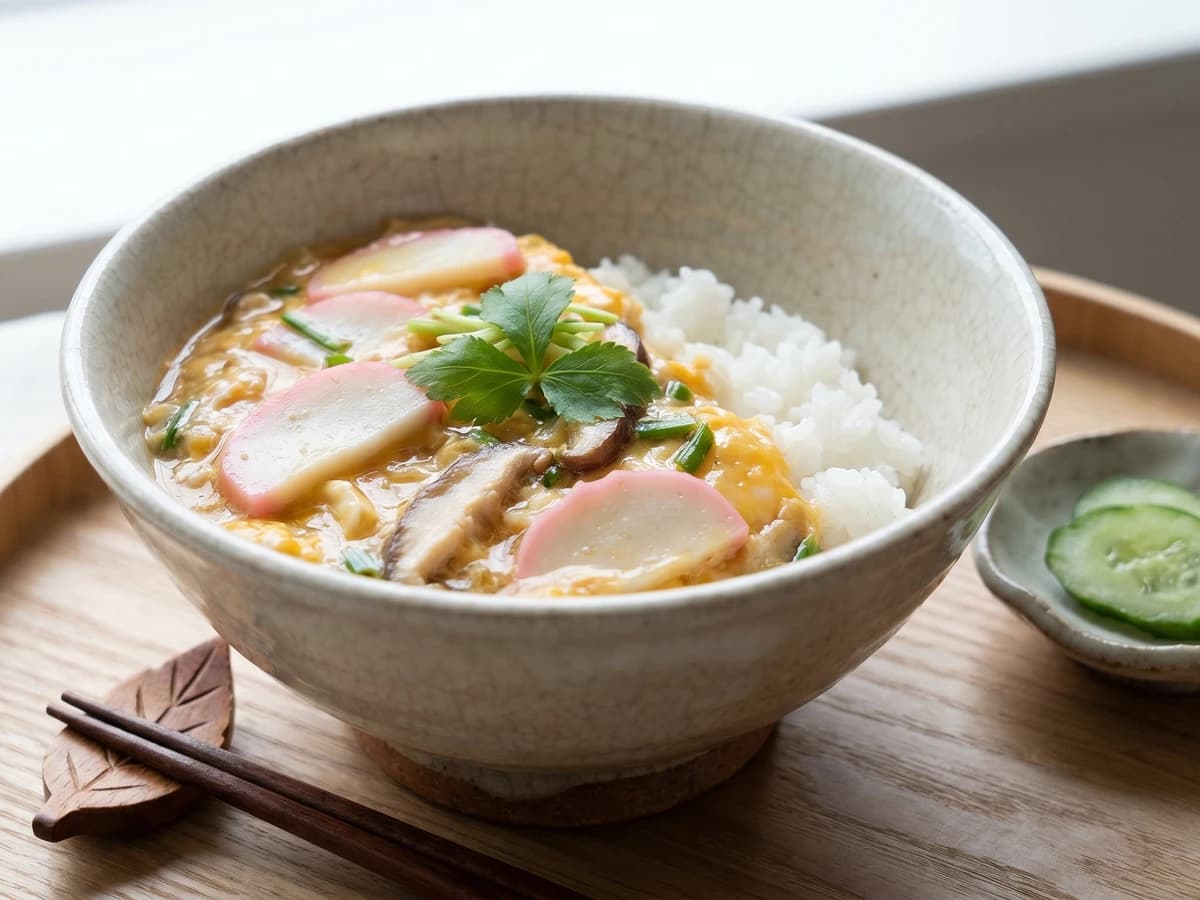
A Kansai rice bowl with no meat and no fuss: thin kamaboko, shiitake, and scallion simmered in clear dashi, then softly covered with egg over hot rice.

Chef Takumi
Kaisendon is not a display of knife tricks. It is good rice, glistening fresh seafood, and enough restraint to let each cut taste like itself.

Chef Takumi
Hyūgadon is fishermen's food at its clearest: cool tuna, warm rice, a sweet sesame-shōyu sauce, and a yolk that turns the bowl rich without hiding the fish.

Chef Takumi
Katsudon is comfort with timing: a just-fried tonkatsu, shallow soy-dashi broth, and softly set egg, slid over rice before the cutlet forgets it was crisp.

Chef Takumi
Tanindon is the quiet cousin of oyakodon: thin beef, sweet onion, clear dashi, and egg poured in two stages so the bowl finishes tender, glossy, and never heavy.

Chef Takumi
Chūkadon looks crowded, but its lesson is simple: cut everything first, cook it in order, then let a clear dashi sauce turn glossy around pork, seafood, and vegetables.
Culinary guides, cultural storytelling, and the editorial depth that makes cooking meaningful.
Discover Culinary ExplorerChef Takumi is a fictional culinary guide to Japanese Washoku Cuisine, written with the assistance of AI.