
Chef Takumi
Grated-Daikon Clear Soup (みぞれ汁, Mizorejiru)
Winter daikon, grated just before serving, turns clear dashi into a bowl of quiet sleet. Keep the stock clean and warm the radish gently, and the soup stays almost weightless.

Updated June 2, 2026
The daily-table broth tradition of washoku. Misoshiru in white, red, blended, and barley shades; the clear suimono floating one or two perfect things in ichiban dashi; kenchin-jiru on the shojin stock; tonjiru for cold mornings.
A cooking platform built around craft, culture, and the stories behind what we eat.
Chef Takumi
Winter daikon, grated just before serving, turns clear dashi into a bowl of quiet sleet. Keep the stock clean and warm the radish gently, and the soup stays almost weightless.

Chef Takumi
The weeknight miso soup: clear dashi, miso stirred in off the boil, scallion kept bright, and aburaage rinsed first so its richness never muddies the bowl.
Chef Takumi
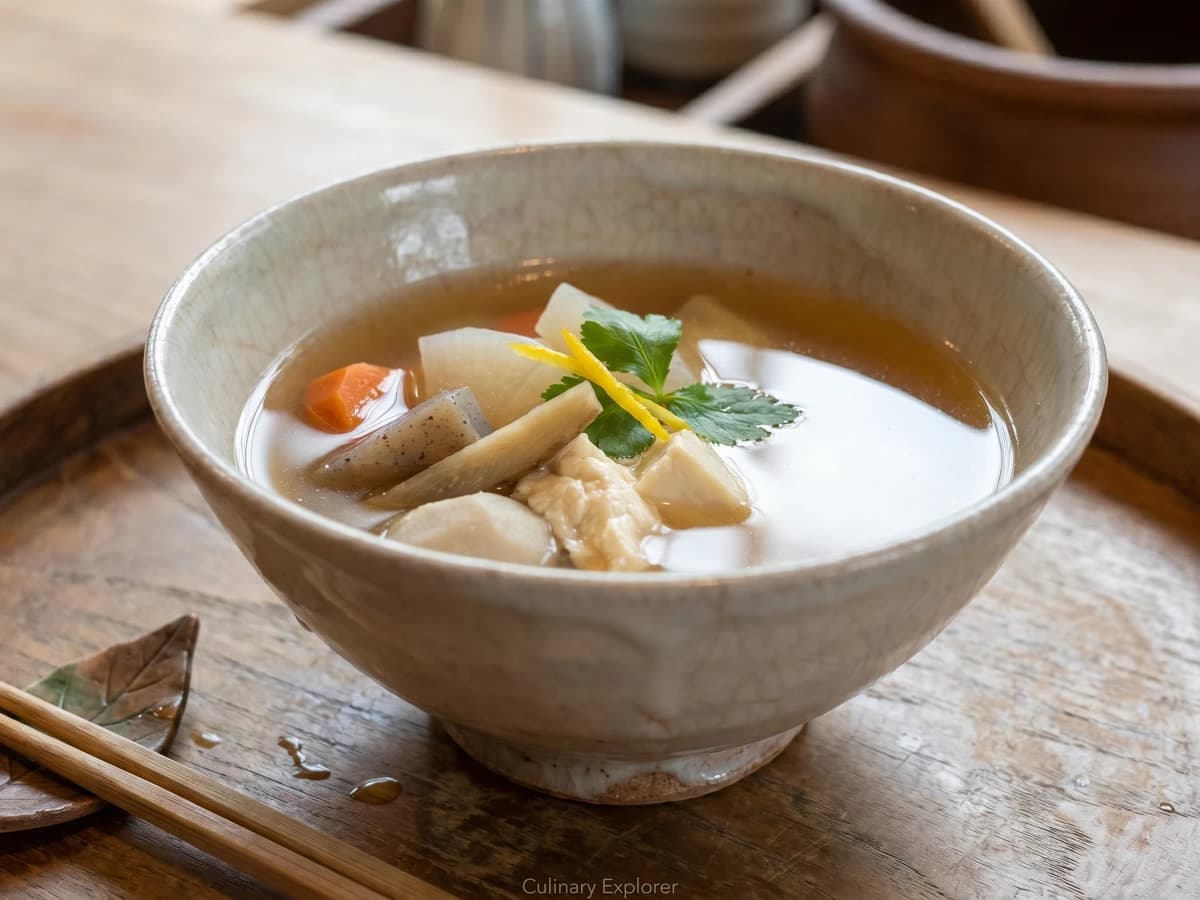
Kenchin-jiru is winter comfort from the temple kitchen: root vegetables, torn tofu, sesame oil, and a clear konbu-shiitake stock, each piece cut so the broth tastes clean.

Chef Takumi
Barley miso makes a softer, rounder soup than rice miso, with a toasted grain sweetness that belongs especially well to sweet potato and a quiet bowl of rice.
Chef Takumi
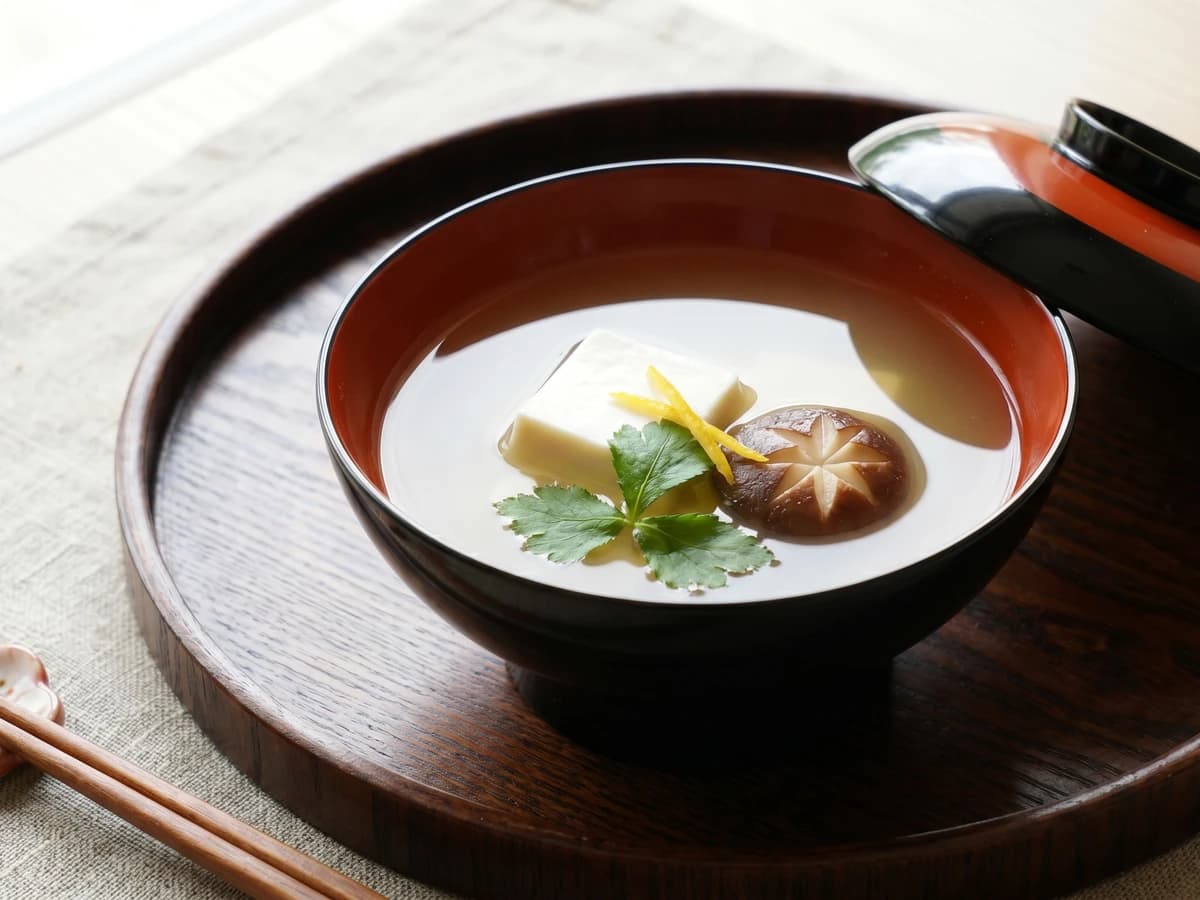
Sumashijiru is the clear soup that teaches restraint: first-pressing dashi, a breath of light soy and salt, then one or two seasonal things left visible.

Chef Takumi
A kaiseki clear soup made reachable: sweet shrimp pounded with egg white and yamaimo, poached into a soft dumpling, then set in pale-gold dashi with one seasonal fragrance.

Chef Takumi
Yoshinojiru is winter clear soup with a silk sleeve: clean first dashi, a little hon-kuzu, and seasonal pieces set carefully so the broth clings without becoming heavy.

Chef Takumi
Small shijimi make the stock themselves. Purge them well, simmer only until the shells open, skim cleanly, then stir in miso off the heat so the broth stays clear and alive.

Chef Takumi
For Hinamatsuri, the clam does the generous work: open it gently in konbu water and sake, season only at the end, and the broth turns clear, briny, and quietly festive.

Chef Takumi
The everyday bowl that teaches the whole cuisine: clear dashi, miso dissolved off the boil, soft tofu, and wakame turning green in the heat of the broth.
Chef Takumi
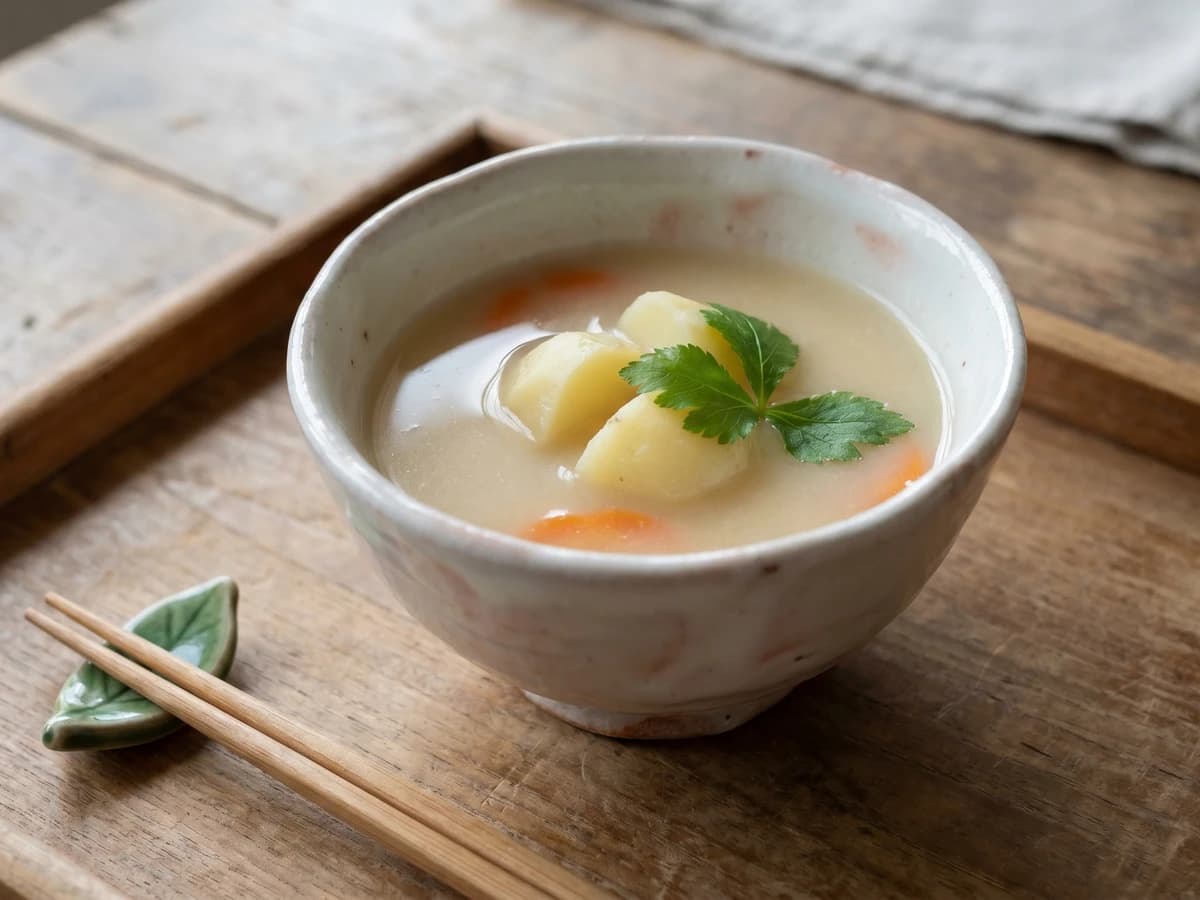
Kyoto white miso makes a pale, sweet soup that asks for restraint: clear dashi, tender new potato, and the discipline to stir the miso in off the heat.
Chef Takumi
Akadashi asks you to trust the dark miso. Build a clear dashi, loosen the Hatchō mame-miso gently, and the soup turns coffee-dark, savory, and clean.

Chef Takumi
A good sea-bream head, a piece of konbu, water, and salt. That is the dish, which is why the cleaning matters more than any flourish.
Chef Takumi
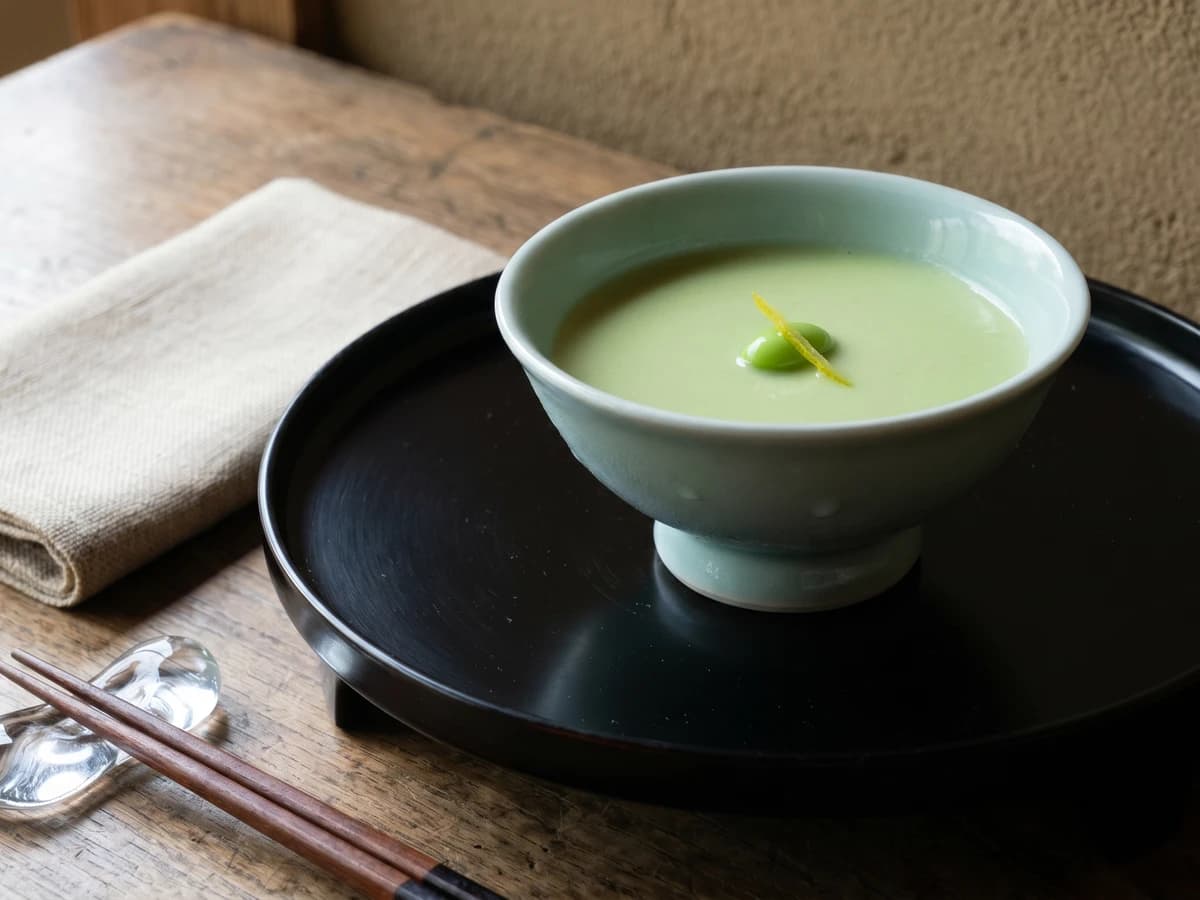
High-summer edamame needs very little help: a quick blanch, patient pounding, and cold ichiban dashi enough to make a pale-green soup that tastes clean and almost weightless.

Chef Takumi
Hiyajiru is summer comfort without heaviness: grilled fish, toasted miso, and sesame thinned with iced dashi, poured over hot rice so the bowl wakes up at first contact.

Chef Takumi
Kasujiru is winter in a bowl: sake lees softened into clear dashi, salted salmon giving its clean depth, and root vegetables simmered until the broth turns cloudy and gentle.

Chef Takumi
Tonjiru is miso soup with shoulders: pork, daikon, gobō, carrot, and konnyaku simmered until the roots sweeten the broth and the miso finishes it quietly.

Chef Takumi
Lift the lid and autumn arrives before the spoon does. Matsutake no Dobinmushi is clear dashi, a few seasonal pieces, and the discipline to keep every flavor unclouded.
Chef Takumi
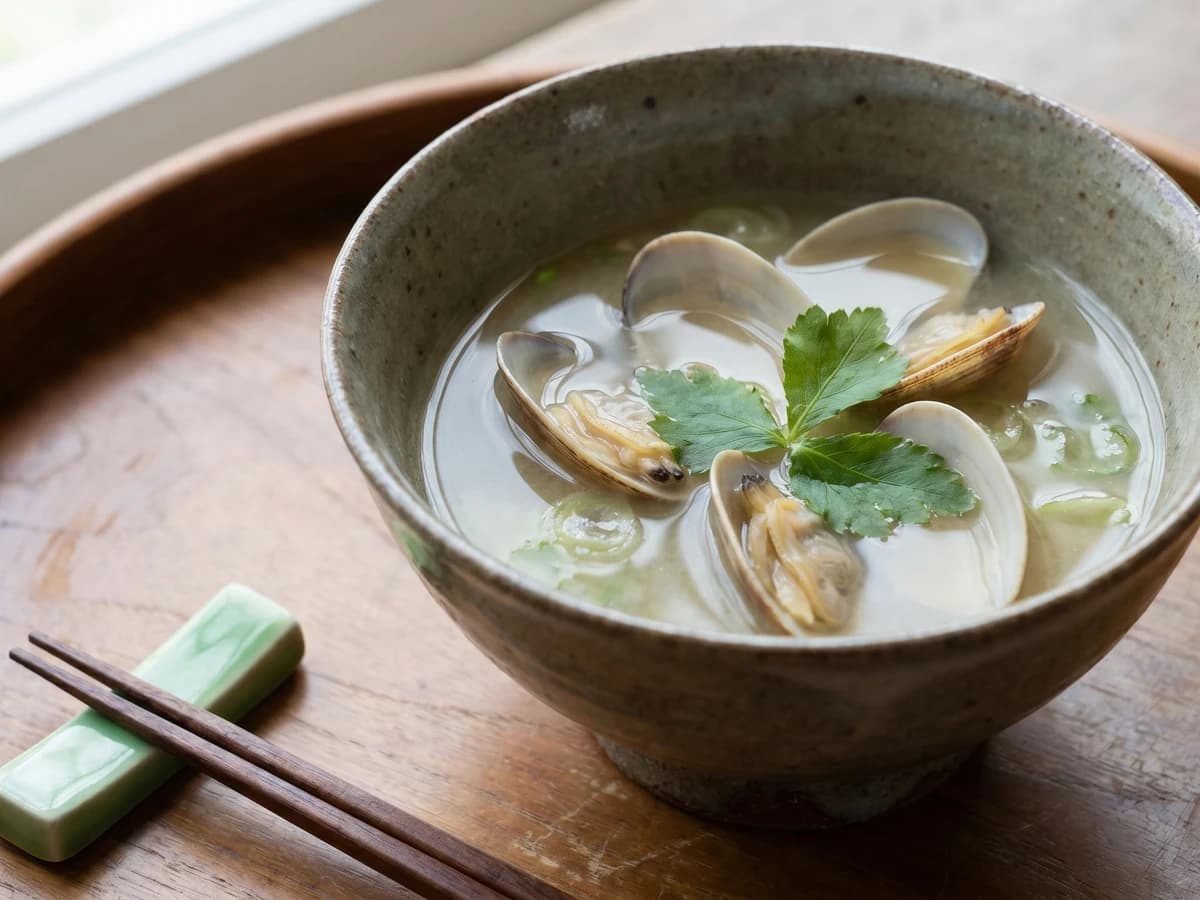
The clams make their own dashi in this spring miso soup. Purge the sand well, open them gently, then whisk in miso off the heat so the broth stays clean.

Chef Takumi
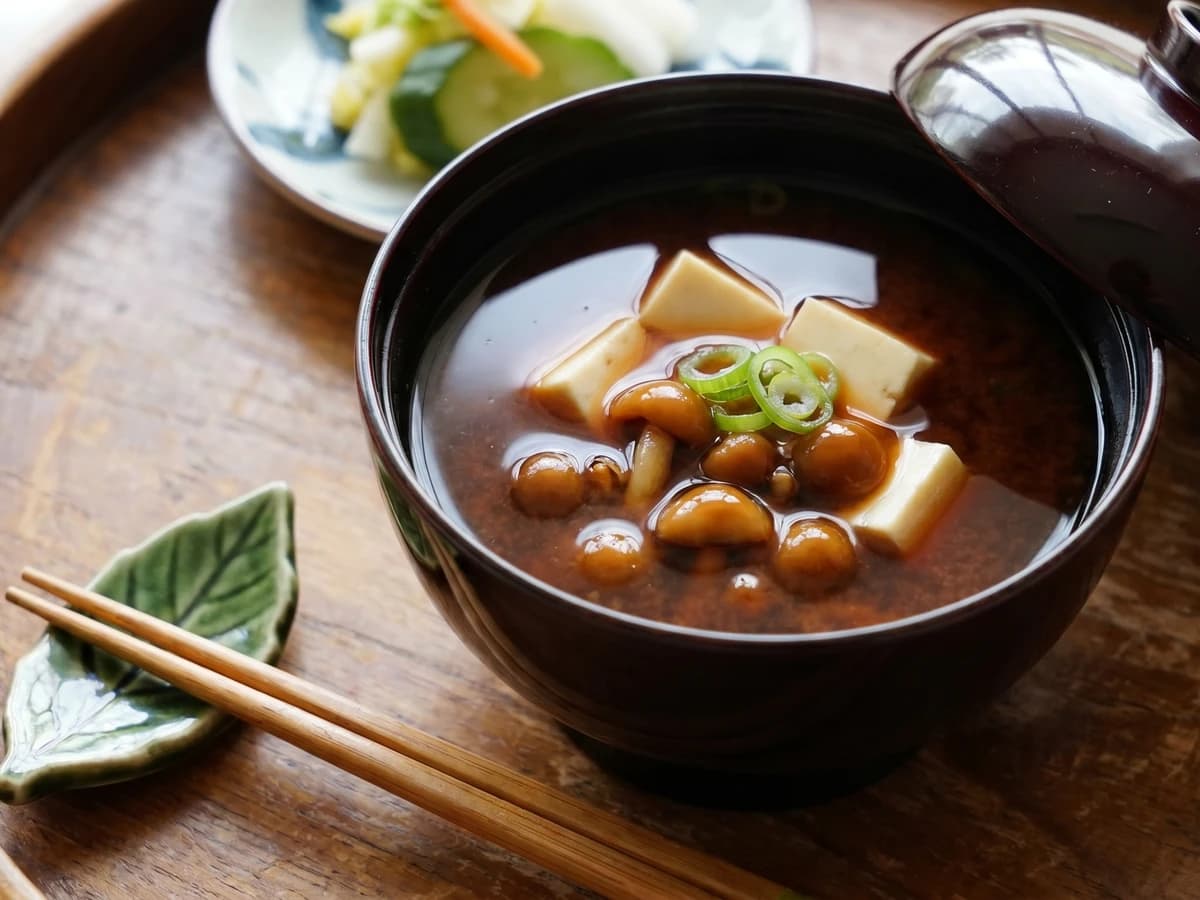
Nameko does the quiet work here, turning fresh dashi slightly glossy while soft tofu warms through. Keep the miso below a boil and the whole bowl stays fragrant, clean, and calm.
Culinary guides, cultural storytelling, and the editorial depth that makes cooking meaningful.
Discover Culinary ExplorerChef Takumi is a fictional culinary guide to Japanese Washoku Cuisine, written with the assistance of AI.