
Chef Takumi
Abura Soba (油そば, brothless ramen)
Abura soba is ramen without the hiding place of soup: hot noodles, strong shōyu tare, fragrant oil, and the discipline to mix while every strand is still hot.
A cooking platform built around craft, culture, and the stories behind what we eat.
Created by
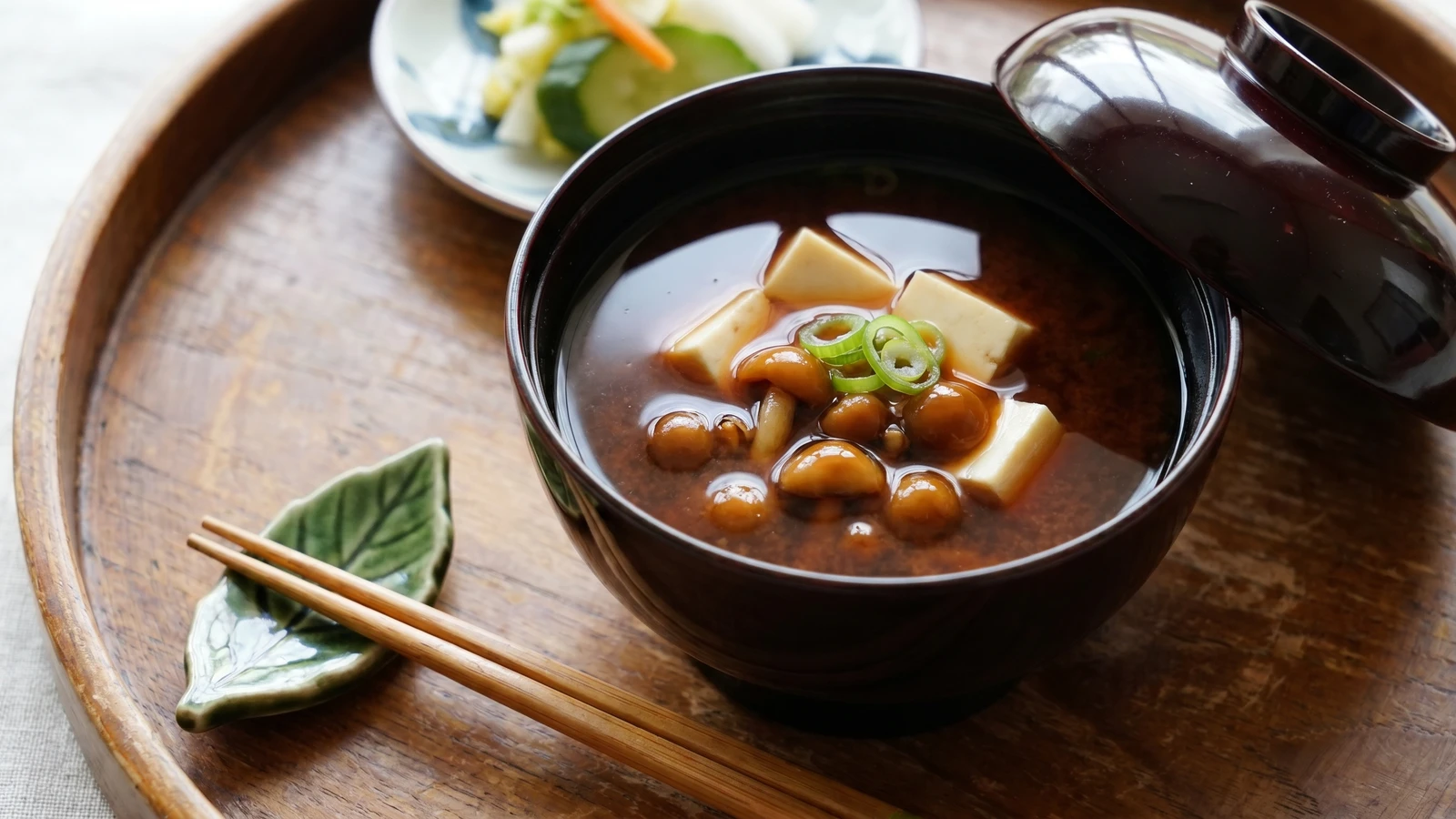
Akadashi asks you to trust the dark miso. Build a clear dashi, loosen the Hatchō mame-miso gently, and the soup turns coffee-dark, savory, and clean.
Akadashi is the miso soup that makes nervous cooks reach for a smaller spoon. It looks too dark, almost black in the bowl, and the first taste carries a bitter edge. That's not a flaw. Hatchō mame-miso is soybeans, salt, water, and time, pressed under stones through two summers until it becomes coffee-dark and strong enough to stand beside grilled eel, fried pork, and rice without blinking.
The dish isn't difficult. It only refuses to be treated like pale miso soup. Make a clean ichiban dashi, first stock, from konbu and katsuobushi, then loosen the miso in a ladle or miso koshi before it enters the pot. Hatchō miso is dense and stubborn; if you drop it in whole, you'll chase little lumps around like a scholar who has lost his spectacles. Mash it smooth first and the soup turns even, deep, and calm.
The detail that decides it is heat. The dashi may simmer to warm the tofu and nameko, but once the miso is in, the soup must not boil. Boiling drives off the aroma, sharpens the bitterness, and muddies the clean stock you took the trouble to make. Warm it, taste it, serve it. In the method, not the menu, this is a small soup with a serious backbone.
Hatchō miso takes its name from Hatchō, a district of Okazaki in Aichi Prefecture said to lie eight chō, roughly 870 meters, from Okazaki Castle. By the Edo period, makers there were fermenting soybean miso in great cedar vats weighted with river stones, a method still associated with firms such as Kakukyu, whose origins are traced to 1645. Akadashi spread as the red-miso soup of the Tōkai region, especially Nagoya, though outside Aichi the word often means a blend of Hatchō-style mame-miso and lighter rice miso.
Quantity
1 piece (about 10g)
Quantity
4 1/2 cups
Quantity
20g
Quantity
4
for meatless shōjin dashi
Quantity
120g
trimmed if fresh, briefly rinsed if packaged
Quantity
150g
cut into 1cm cubes
Quantity
3 to 4 tablespoons
Quantity
2
thinly sliced
| Ingredient | Quantity |
|---|---|
| konbu (dried kelp) | 1 piece (about 10g) |
| cold water | 4 1/2 cups |
| katsuobushi (dried bonito flakes) | 20g |
| dried shiitake (optional)for meatless shōjin dashi | 4 |
| nameko mushroomstrimmed if fresh, briefly rinsed if packaged | 120g |
| firm tofucut into 1cm cubes | 150g |
| Hatchō mame-miso (red soybean miso) | 3 to 4 tablespoons |
| scallionsthinly sliced | 2 |
Wipe the konbu with a damp cloth, but don't wash it. The pale bloom on the surface isn't dirt, it's flavor, and water takes it away. Put the konbu in the cold water and bring it up slowly over low heat, ten to fifteen minutes. Pull it out when the water trembles and small bubbles climb the sides of the pot, before a full boil begins.
Bring the konbu water to a gentle boil. Add the katsuobushi all at once, turn off the heat, and leave the pot alone for two or three minutes. The flakes will sink as they give up their flavor. Don't stir them around; stirring pulls out stronger, heavier flavors when you want a clean dashi under the red miso.
Strain the dashi through a fine-mesh strainer lined with a clean cloth, and let it drip naturally. Don't squeeze the bonito flakes. Squeezing presses out oily, fishy notes and roughens the stock, and akadashi already has all the strength it needs from the miso.
Briefly rinse packaged nameko to remove the sharp taste of the packing liquid, but don't scrub away their natural slipperiness. That texture is part of the pleasure. Cut the tofu into small cubes so it warms quickly without needing a hard boil, and slice the scallions thinly for the finish.
Return about 4 cups of dashi to the pot and bring it to a quiet simmer. Add the nameko and cook for two minutes, until they look glossy and settled in the broth. Add the tofu and warm it for another minute. These are strong enough companions for Hatchō miso, but they don't need rough handling.
Turn the heat low, or off if your stove runs hot. Set 3 tablespoons of Hatchō miso in a miso koshi, or put it in a ladle with a little hot dashi, and mash until smooth before stirring it into the pot. Taste, then add the remaining miso if the soup needs more depth. Hatchō miso is dense, so this step saves you from lumps and lets you season by taste rather than hope.
Ladle the akadashi into warmed bowls and scatter the scallion over the surface. Serve it beside rice and food with some force to it: grilled fish, broiled eel, fried pork, or simmered root vegetables. This is not a delicate whisper of a soup. Leave it clear, dark, and unhidden.
1 serving (about 300g)
Culinary guides, cultural storytelling, and the editorial depth that makes cooking meaningful.
Discover Culinary ExplorerChef Takumi
Abura soba is ramen without the hiding place of soup: hot noodles, strong shōyu tare, fragrant oil, and the discipline to mix while every strand is still hot.

Chef Takumi
Toast the rice until its skin is firm, then let it meet chicken broth, burdock, maitake, and seri. The pot looks grand, but the work is rice, broth, and patience.
Chef Takumi
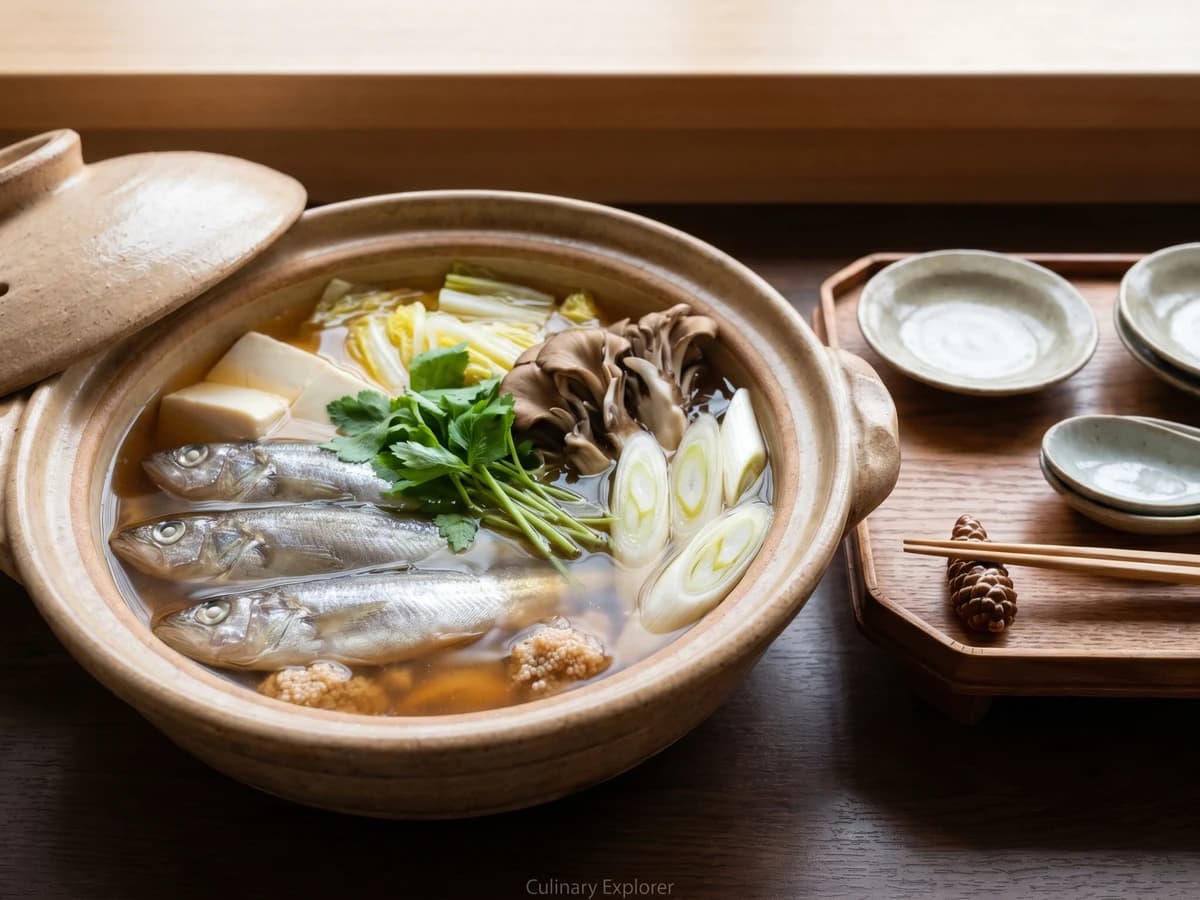
Shottsuru nabe is Akita winter in one pot: clean dashi, hatahata at shun, tofu and napa cabbage carrying a salt-deep broth without anything heavy enough to hide the fish.

Chef Takumi
Winter udon with staying power: clear dashi, a little soy and mirin, and just enough starch to make the broth cling without turning heavy.