Chef Takumi
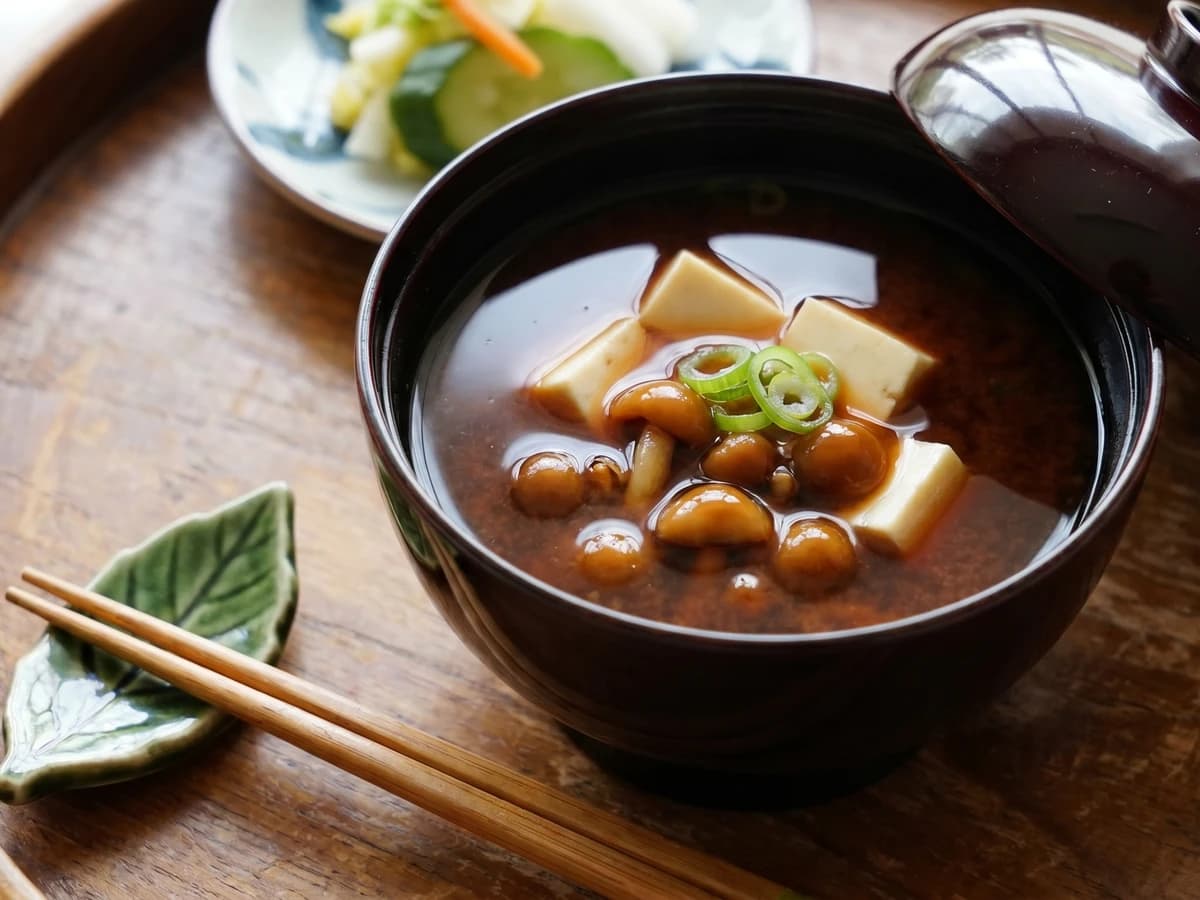
Akadashi (赤だし, Nagoya red-miso soup)
Akadashi asks you to trust the dark miso. Build a clear dashi, loosen the Hatchō mame-miso gently, and the soup turns coffee-dark, savory, and clean.
A cooking platform built around craft, culture, and the stories behind what we eat.
Created by
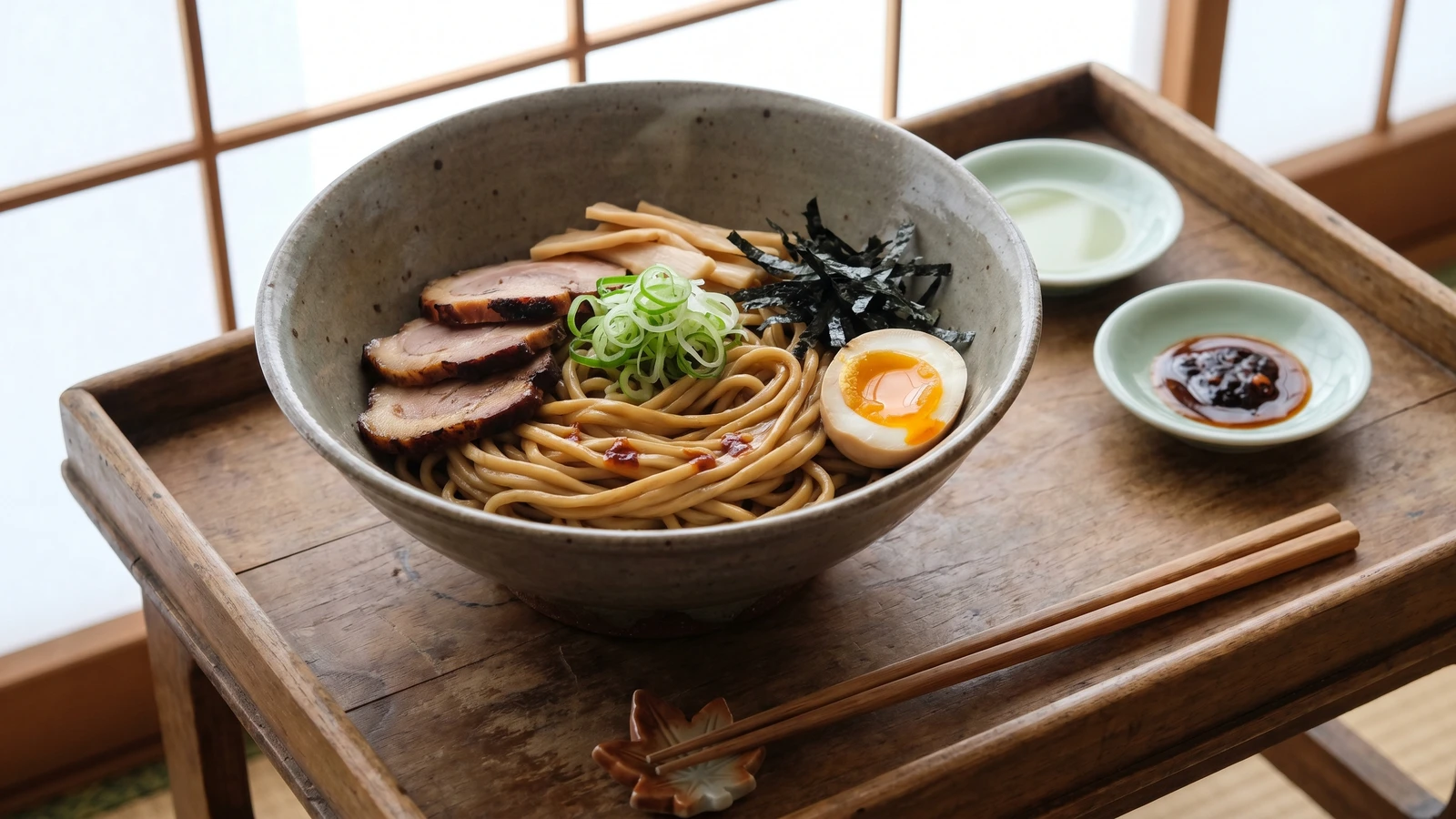
Abura soba is ramen without the hiding place of soup: hot noodles, strong shōyu tare, fragrant oil, and the discipline to mix while every strand is still hot.
The first surprise is in the name. Abura soba is not buckwheat soba, and it is not soup. It is a bowl of hot chūkamen, Chinese-style wheat noodles, tossed with shōyu tare and fragrant oil until every strand glints. If ramen has taught you to search for broth, this one asks you to look at the bottom of the bowl.
That is where the dish lives. The tare must be concentrated enough to season noodles without a soup, so I give the soy a small dashi and cook it down until it tastes too strong to sip. The oil must coat, not swamp. Use good fresh noodles, because their alkaline chew holds the tare and vinegar in a way dried buckwheat soba never will. That isn't snobbery. It's anatomy.
The one detail is speed. Hot noodles go straight from the colander into a warm bowl, then you mix from underneath before the toppings make a little roof over the work. At the table, rice vinegar wakes the soy and cuts the oil; ra-yu brings heat without hiding the noodle. Honmono here is plain: timing, good noodles, and nothing left unmixed.
Abura soba is most often traced to the Kitatama area of western Tokyo in the 1950s, especially Musashino and Koganei. Chinchintei, near Asia University in Musashino, and Sankō in Koganei are the two shops most often named in the origin dispute, which is why the dish still carries a strong Musashino identity. The table finish of rice vinegar and ra-yu is not a late garnish but part of the shop style: customers season the hot noodles after they are mixed, adjusting sharpness and heat bowl by bowl.
Quantity
1 cup
Quantity
1 small piece (about 5g)
Quantity
10g
Quantity
1/4 cup
Quantity
2 tablespoons
Quantity
1 tablespoon
Quantity
1 teaspoon
Quantity
3 tablespoons
Quantity
1 teaspoon
Quantity
300g
Quantity
4 slices
warmed
Quantity
1/2 cup
Quantity
2
thinly sliced
Quantity
1 sheet
cut into strips
Quantity
2
Quantity
for serving
Quantity
for serving
| Ingredient | Quantity |
|---|---|
| cold water | 1 cup |
| konbu (dried kelp) | 1 small piece (about 5g) |
| katsuobushi (bonito flakes) | 10g |
| soy sauce | 1/4 cup |
| mirin | 2 tablespoons |
| sake | 1 tablespoon |
| sugar | 1 teaspoon |
| rendered chicken fat, lard, or neutral oil | 3 tablespoons |
| toasted sesame oil (optional) | 1 teaspoon |
| fresh medium-thick ramen noodles (chūkamen) | 300g |
| chashu porkwarmed | 4 slices |
| menma (seasoned bamboo shoots) | 1/2 cup |
| scallionsthinly sliced | 2 |
| noricut into strips | 1 sheet |
| soft-boiled eggs or onsen tamago (optional) | 2 |
| rice vinegar | for serving |
| ra-yu (Japanese chili oil) | for serving |
Wipe the konbu with a damp cloth, but don't wash it. Put it in the cold water and bring it up slowly until the water trembles and small bubbles climb the side of the pot, 8 to 10 minutes. Pull the konbu before the water boils. Add the katsuobushi all at once, take the pot off the heat, and leave it alone for 2 minutes. Strain without pressing. You need 1/2 cup dashi for the tare.
Measure 1/2 cup dashi into a small saucepan with the soy sauce, mirin, sake, and sugar. Simmer for 5 to 6 minutes, until it reduces to about 1/2 cup and looks glossy on the spoon. Taste one drop. It should seem too salty and a little sweet on its own, because it has to season a whole bowl of noodles without the help of soup.
Warm two deep bowls with hot water, then empty and dry them. Put 2 tablespoons tare and 1 1/2 tablespoons fat or oil in each bowl. If you're using neutral oil, add 1/2 teaspoon toasted sesame oil to each bowl. The warm bowl keeps the fat loose long enough for the noodles to coat themselves instead of cooling into a slick puddle.
Boil the chūkamen in plenty of unsalted water, loosening them as they go in. Fresh ramen noodles usually need 2 to 3 minutes. Taste early and drain while they still have a firm chew. Shake the colander well, but don't rinse. That light surface starch helps the tare cling, and cold water would steal the heat you need for mixing.
Drop the noodles straight into the prepared bowls. With chopsticks, lift from the bottom and turn quickly for 20 to 30 seconds, until every strand glints soy-dark and no bare patches remain. If the tare pools underneath, keep mixing. If the noodles feel tight, add a spoonful of noodle water and turn again.
Set the chashu, menma, scallion, nori, and egg if using on top in small groups, leaving some open space in the bowl. Bring rice vinegar and ra-yu to the table. Start each bowl with 2 teaspoons vinegar and 1 teaspoon ra-yu, mix again, then adjust. The vinegar wakes the soy and keeps the oil from tasting heavy. Eat at once.
1 serving (about 430g)
Culinary guides, cultural storytelling, and the editorial depth that makes cooking meaningful.
Discover Culinary ExplorerChef Takumi
Akadashi asks you to trust the dark miso. Build a clear dashi, loosen the Hatchō mame-miso gently, and the soup turns coffee-dark, savory, and clean.

Chef Takumi
Toast the rice until its skin is firm, then let it meet chicken broth, burdock, maitake, and seri. The pot looks grand, but the work is rice, broth, and patience.
Chef Takumi
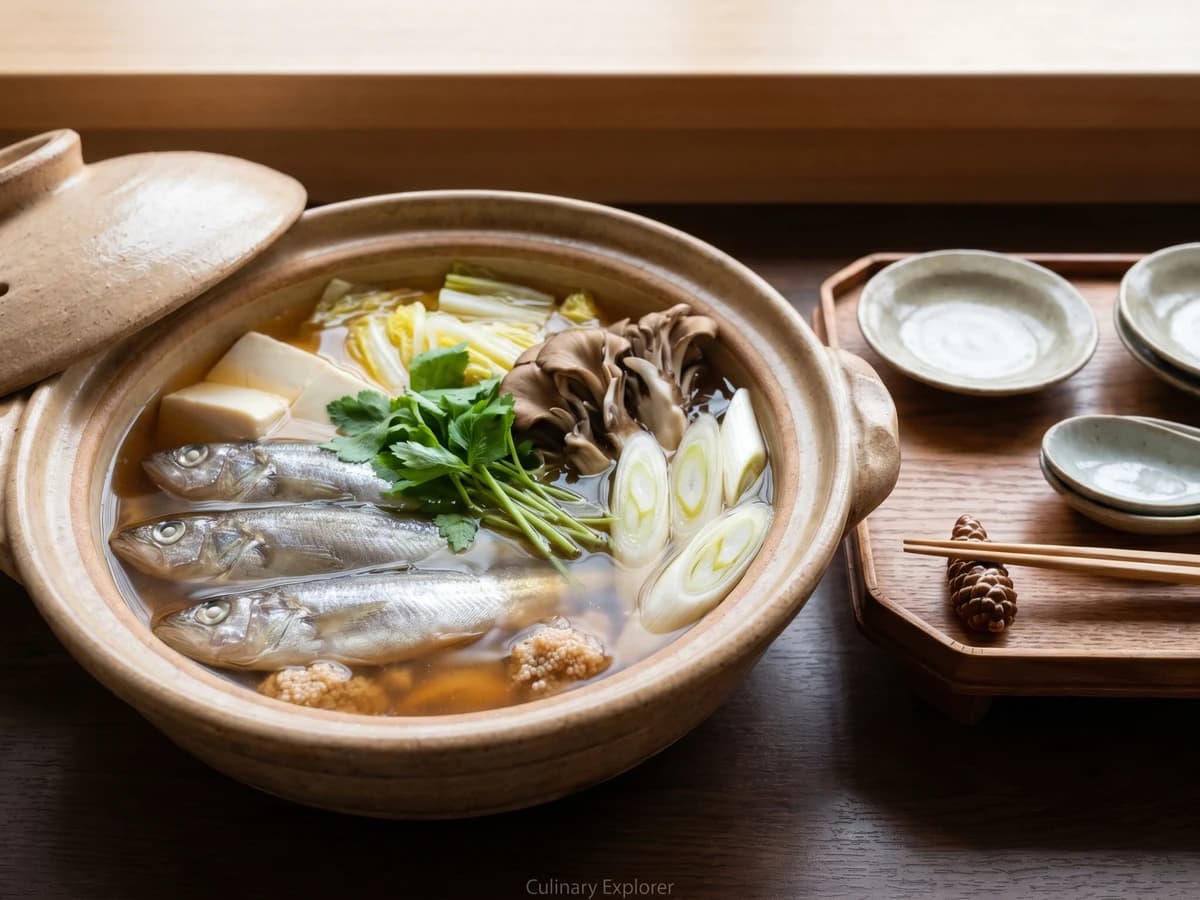
Shottsuru nabe is Akita winter in one pot: clean dashi, hatahata at shun, tofu and napa cabbage carrying a salt-deep broth without anything heavy enough to hide the fish.

Chef Takumi
Winter udon with staying power: clear dashi, a little soy and mirin, and just enough starch to make the broth cling without turning heavy.