
Chef Takumi
Abura Soba (油そば, brothless ramen)
Abura soba is ramen without the hiding place of soup: hot noodles, strong shōyu tare, fragrant oil, and the discipline to mix while every strand is still hot.
A cooking platform built around craft, culture, and the stories behind what we eat.

Created by
Winter udon with staying power: clear dashi, a little soy and mirin, and just enough starch to make the broth cling without turning heavy.
Ankake udon is winter food because it holds its warmth. Plain udon broth slips away quickly, as good broth should. Thicken it lightly, and it coats each noodle, carrying dashi, soy, mirin, and ginger with every bite. A small mercy, which is often the best kind.
People make the thickening sound delicate. It isn't. The one detail that decides it is the slurry: kuzu or potato starch mixed with cold water, stirred in slowly while the broth is moving. Add dry starch straight to hot broth and it clumps, because the outside seizes before the inside can disperse. Cold water gives it time to open evenly. That is the whole secret, not a ceremony.
Keep the broth clear and restrained. This is not a stew, and the starch is not there to hide anything. We build the flavor from dashi first, then season it with the two quiet hands of washoku, soy sauce and mirin. Grated ginger at the end wakes the bowl without shouting. Serve it hot, with room in the bowl, and let the shine of the broth tell you the meal is ready.
Ankake, a glossy thickened sauce or broth, appears across Japanese cooking and became especially useful in the cold months because it keeps food warm longer at the table. In Kansai, and particularly around Kyoto, lightly thickened dashi is often paired with ginger for noodle dishes and simple winter bowls. Kuzu starch, made from the root of the kudzu plant, has long been prized in Japanese cooking for its clean texture, while potato starch became the common household stand-in.
Quantity
1 piece (about 8g)
Quantity
4 cups
Quantity
18g
Quantity
2 portions (about 400g total)
Quantity
2 tablespoons
Quantity
1 tablespoon
Quantity
1/2 teaspoon
plus more to taste
Quantity
2 tablespoons
Quantity
3 tablespoons
for the slurry
Quantity
2 teaspoons
grated
Quantity
2 tablespoons
thinly sliced
Quantity
2 slices
| Ingredient | Quantity |
|---|---|
| konbu (dried kelp) | 1 piece (about 8g) |
| cold water | 4 cups |
| katsuobushi (bonito flakes) | 18g |
| fresh or frozen udon noodles | 2 portions (about 400g total) |
| usukuchi (light soy sauce) | 2 tablespoons |
| mirin | 1 tablespoon |
| sea saltplus more to taste | 1/2 teaspoon |
| kuzu starch or potato starch | 2 tablespoons |
| cold waterfor the slurry | 3 tablespoons |
| fresh gingergrated | 2 teaspoons |
| scallionthinly sliced | 2 tablespoons |
| kamaboko (optional) | 2 slices |
Wipe the konbu with a damp cloth, but don't wash it. Put it in the cold water and bring it up slowly over low heat, about ten minutes. Pull the konbu when the water trembles and small bubbles climb the sides of the pot. Let it boil with the kelp in and the stock can turn bitter and slick, which is a poor bargain for impatience.
Bring the water just to a gentle boil, add the katsuobushi all at once, and take the pot off the heat. Leave it alone for two or three minutes, until the flakes sink. Strain through a cloth or fine sieve and let it drip. Don't squeeze, because pressing the flakes pushes cloudy, oily flavors into the clear stock you were protecting.
Return the dashi to a clean pot and add the usukuchi, mirin, and salt. Warm it gently and taste. It should be clear, savory, and a little more seasoned than a plain soup, because the noodles will soften it. If it tastes thin, give it more dashi or a pinch of salt, not a heavy hand with soy.
Cook the udon in a separate pot according to the package directions, then drain well. Fresh udon usually needs only warming through, while frozen udon turns supple after a short boil. Keeping this pot separate protects the broth from extra starch, so the final thickening stays clean and under your control.
Mix the kuzu or potato starch with the 3 tablespoons cold water until smooth. Bring the seasoned dashi to a lively simmer and stir in the slurry slowly, a little at a time, while the broth keeps moving. Simmer for one minute, until the broth turns glossy and lightly coats the spoon. If it sits too thick, add a spoonful of hot water or dashi. Ankake should cling, not sit like paste.
Divide the drained udon between two warmed bowls. Ladle the thickened broth over the noodles, setting a slice of kamaboko on each bowl if using. Finish with grated ginger and sliced scallion. Add the ginger at the end so its fragrance stays bright and clean against the dashi.
1 serving (about 690g)
Culinary guides, cultural storytelling, and the editorial depth that makes cooking meaningful.
Discover Culinary ExplorerChef Takumi
Abura soba is ramen without the hiding place of soup: hot noodles, strong shōyu tare, fragrant oil, and the discipline to mix while every strand is still hot.
Chef Takumi
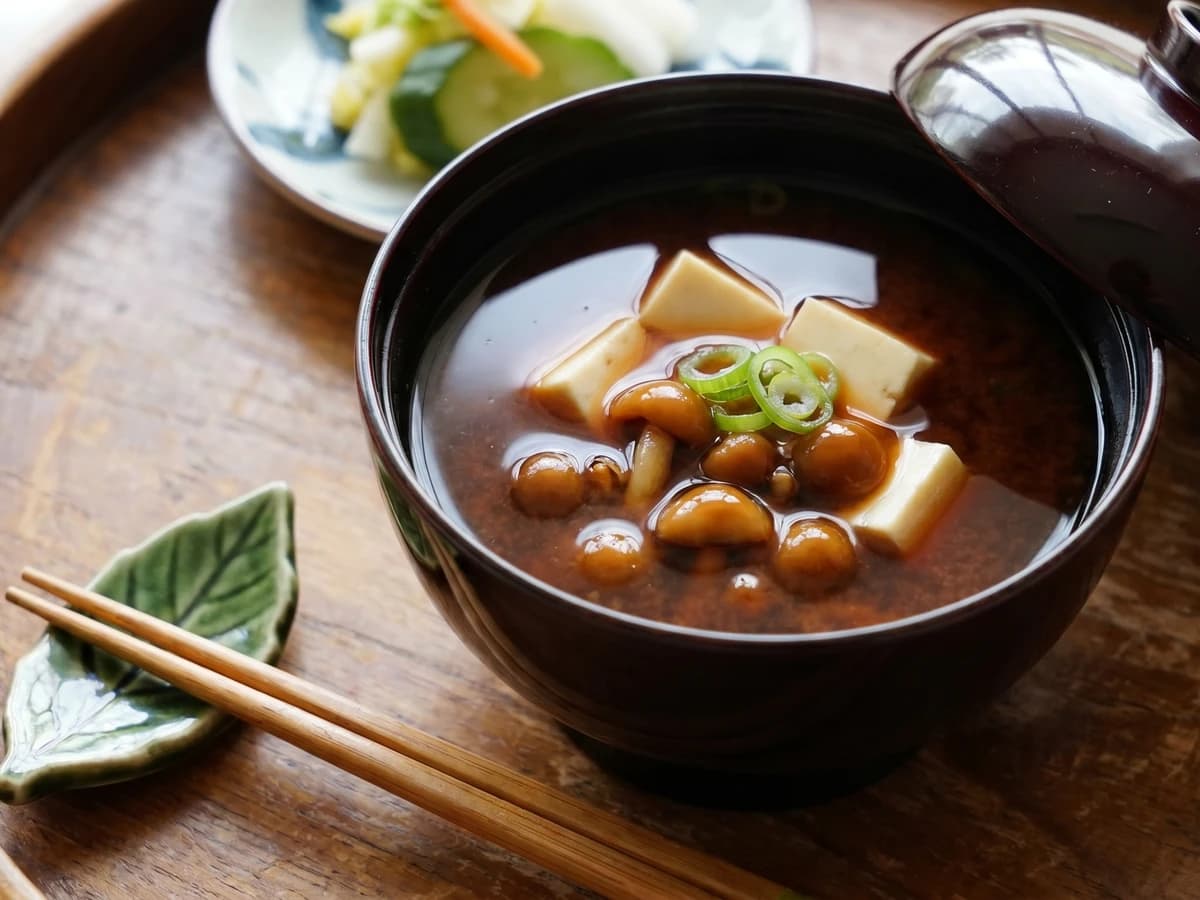
Akadashi asks you to trust the dark miso. Build a clear dashi, loosen the Hatchō mame-miso gently, and the soup turns coffee-dark, savory, and clean.

Chef Takumi
Toast the rice until its skin is firm, then let it meet chicken broth, burdock, maitake, and seri. The pot looks grand, but the work is rice, broth, and patience.
Chef Takumi
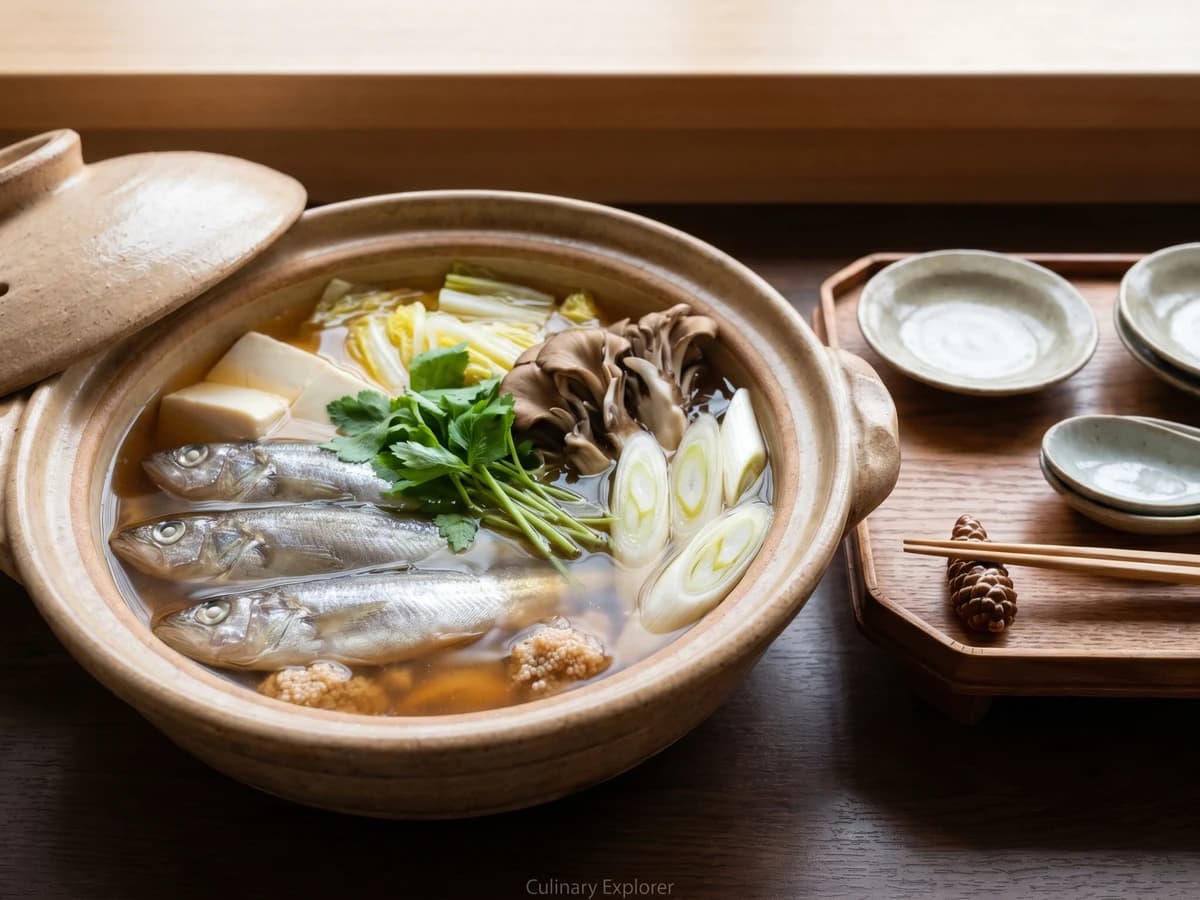
Shottsuru nabe is Akita winter in one pot: clean dashi, hatahata at shun, tofu and napa cabbage carrying a salt-deep broth without anything heavy enough to hide the fish.