
Chef Takumi
Abura Soba (油そば, brothless ramen)
Abura soba is ramen without the hiding place of soup: hot noodles, strong shōyu tare, fragrant oil, and the discipline to mix while every strand is still hot.
A cooking platform built around craft, culture, and the stories behind what we eat.
Created by
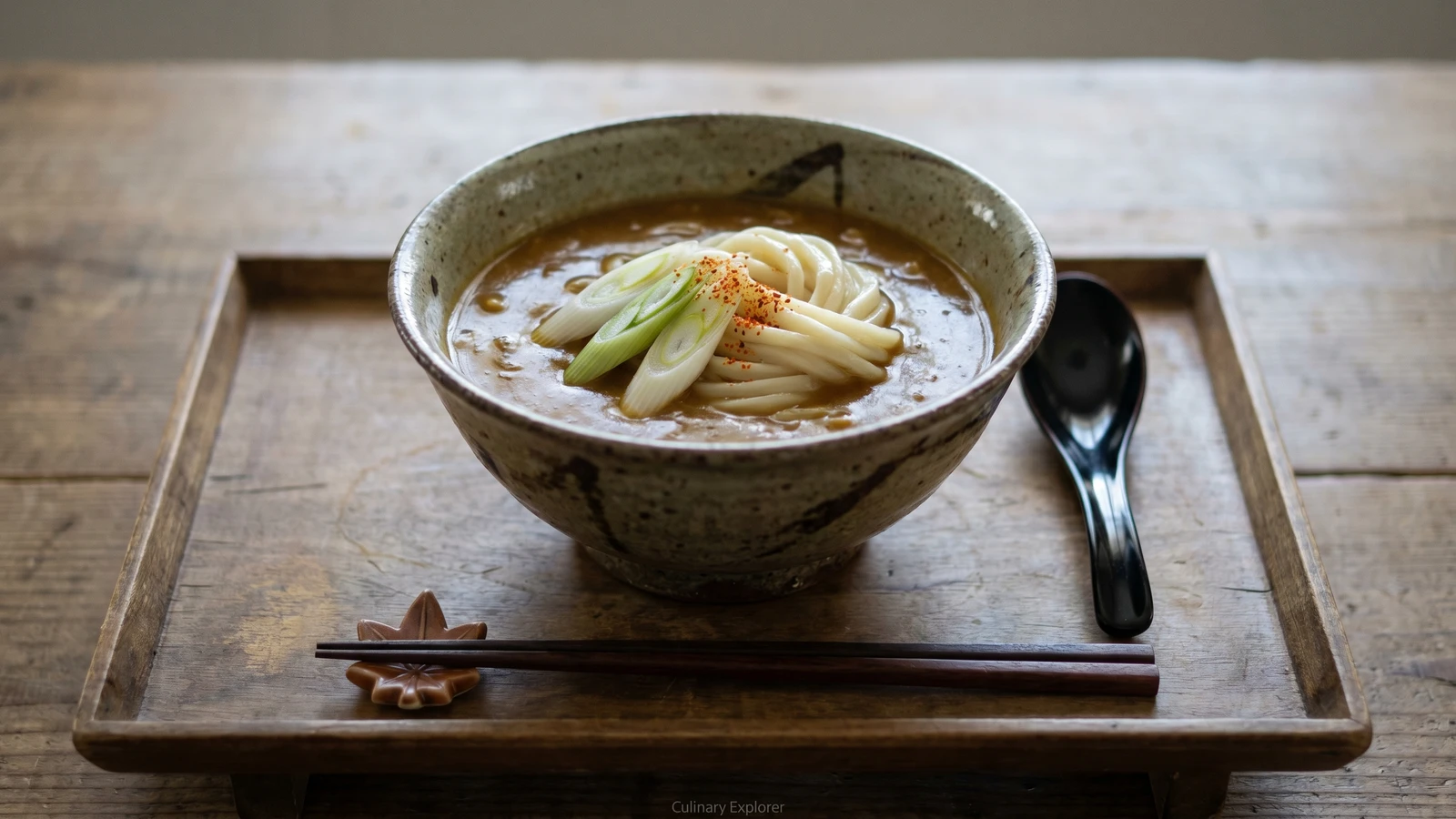
Curry udon is yesterday's karē made bright again with dashi, soy, and thick wheat noodles. The trick is the gloss: loose enough to drink, thick enough to cling.
Abowl of curry udon is honest about itself. The broth is brown, glossy, and just thick enough to cling to the noodles, which means it will also cling to your sleeve if you lean in like a hero. Wear the apron. This is weeknight food, not difficult, only a little unfamiliar in its marriage of noodle-shop dashi and yesterday's karē.
The first secret is thickness. Too thin and it eats like curry-flavored soup; too stiff and the udon drags through paste. We loosen the curry with clear dashi, season it in the old two-seasoning way with soy and mirin, then bind it lightly with potato starch so the broth coats the udon and still moves in the bowl.
Cook the udon separately. That sounds fussy until you see what raw noodle starch does to the broth: it dulls the shine and makes the curry heavy before you've had your first slurp. Warm the noodles, fold them through the finished broth for a minute, and stop. Curry udon belongs at the end of a busy day, often after a pot of karē has already done its first work over rice. The method, not the menu, is what makes it washoku.
Curry entered Japanese cookbooks in the early Meiji period through British-style curry powder, and by the 1870s curry rice was already being written into yōshoku, Western-style cookery. Curry udon grew from noodle-shop curry nanban in the late Meiji and early Taishō years; several Tokyo soba shops, including Waseda's Sanchō-an, are credited in early twentieth-century accounts rather than one uncontested inventor. The Japanese turn was the broth: dashi and kaeshi, the soy-based seasoning kept by noodle shops, pulled curry into the language of soba and udon.
Quantity
3 cups
Quantity
1 piece (about 5g)
Quantity
12g
Quantity
2 servings (about 400 to 500g)
Quantity
1 teaspoon
Quantity
1/2 medium
thinly sliced
Quantity
120g
cut into bite-size pieces
Quantity
1 1/2 cups
large pieces cut smaller
Quantity
1 tablespoon
Quantity
1 tablespoon
Quantity
1 tablespoon
Quantity
2 tablespoons
Quantity
1/2 naga-negi or 3 scallions
sliced on the diagonal
Quantity
to taste
| Ingredient | Quantity |
|---|---|
| cold water | 3 cups |
| konbu (dried kelp) | 1 piece (about 5g) |
| katsuobushi (bonito flakes) | 12g |
| frozen or fresh udon | 2 servings (about 400 to 500g) |
| neutral oil | 1 teaspoon |
| onionthinly sliced | 1/2 medium |
| thinly sliced pork shoulder or beef (optional)cut into bite-size pieces | 120g |
| leftover Japanese curry (karē)large pieces cut smaller | 1 1/2 cups |
| soy sauce | 1 tablespoon |
| mirin | 1 tablespoon |
| potato starch | 1 tablespoon |
| cold water for slurry | 2 tablespoons |
| naga-negi (Japanese long onion) or scallionssliced on the diagonal | 1/2 naga-negi or 3 scallions |
| shichimi tōgarashi (optional) | to taste |
Wipe the konbu with a damp cloth, but don't wash it. Put it in the cold water and bring it up slowly over low heat, about ten minutes. Pull the konbu when the water trembles and small bubbles climb the sides of the pot. Boil it and the dashi turns faintly bitter and slick, which is a poor trade for impatience.
Bring the water to a gentle boil after the konbu is out. Add the katsuobushi all at once, take the pot off the heat, and leave it alone for two or three minutes until the flakes sink. Strain through a cloth-lined sieve into a heatproof bowl. Let it drip by itself. Don't squeeze, because squeezing presses strong, oily flavors into the clear stock.
Bring fresh water to a boil in the same pot. Slip in the udon and cook only until the noodles loosen and turn supple, 1 to 2 minutes for frozen udon or about 30 seconds for fresh. Drain well. Cook the noodles outside the curry broth because raw noodle starch clouds the sauce and makes it heavy.
Wipe the pot dry, add the oil, and cook the onion over medium heat until the edges turn translucent, about three minutes. Add the sliced pork or beef, if using, and cook just until it loses its raw color. The onion needs this short head start; in a thick broth it will not soften properly later.
Pour in 2 1/4 cups dashi, then stir in the leftover karē, soy sauce, and mirin. Simmer gently for three to five minutes, stirring until the curry loosens into the dashi. Taste it now. It should be a little stronger than you want the finished bowl, because udon will quiet the seasoning.
Stir the potato starch with the cold water until smooth. Drizzle in half the slurry while stirring the simmering broth, then wait a minute before adding more. Potato starch thickens only after heat wakes it, so give it time. The broth should coat the back of a spoon in a glossy layer and slide back into the pot, not sit there like pudding.
Add the drained udon to the curry broth and fold gently with saibashi, long cooking chopsticks, or tongs. Warm for about one minute, just until the noodles are coated and fully hot. Don't boil hard now. Udon bloats if it sits too long in the thickened broth, and the bowl loses its clean shape.
Ladle the curry udon into deep bowls. Tuck the noodles into a small mound, spoon broth around them, and finish with the sliced naga-negi and a pinch of shichimi tōgarashi if you like its heat. Serve immediately. If the broth tightens while it waits, loosen it with a spoonful of the reserved dashi.
1 serving (about 825g)
Culinary guides, cultural storytelling, and the editorial depth that makes cooking meaningful.
Discover Culinary ExplorerChef Takumi
Abura soba is ramen without the hiding place of soup: hot noodles, strong shōyu tare, fragrant oil, and the discipline to mix while every strand is still hot.
Chef Takumi
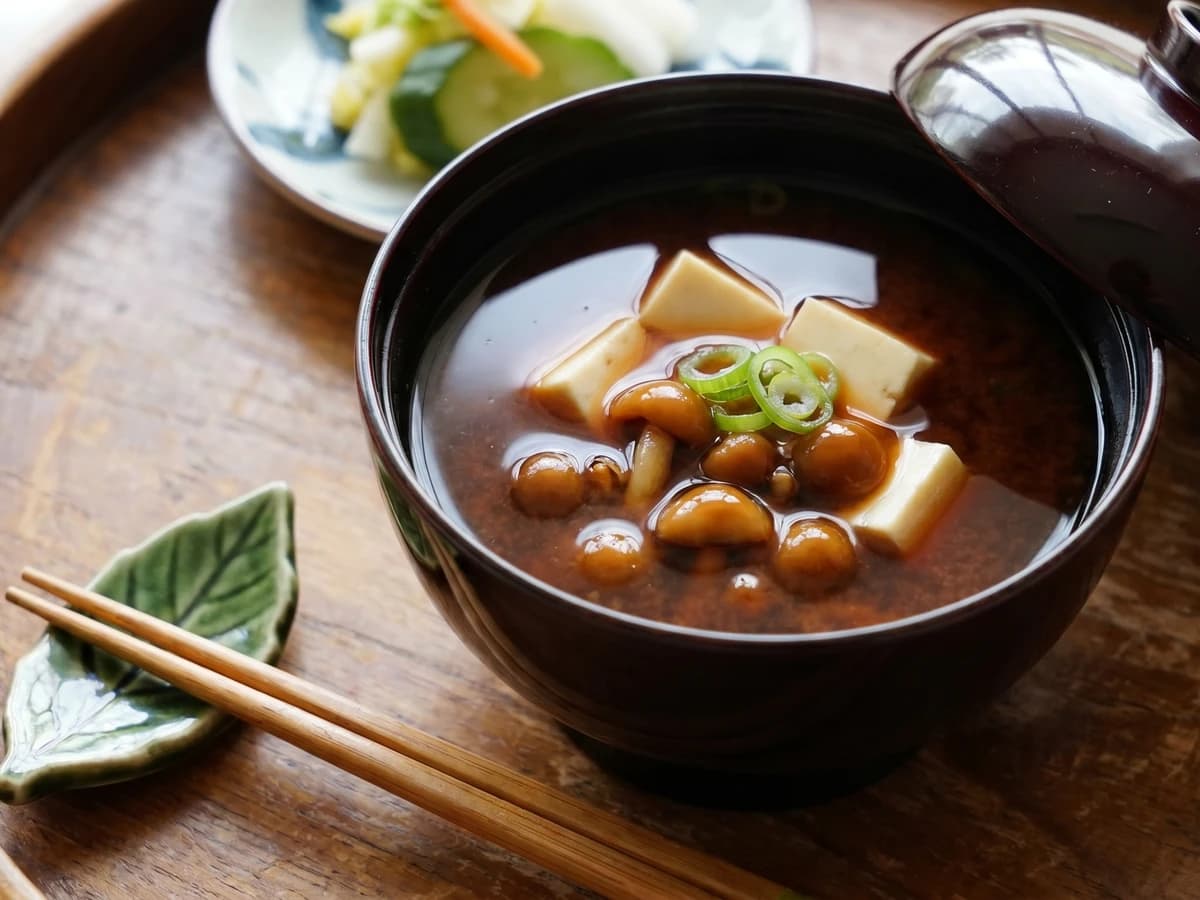
Akadashi asks you to trust the dark miso. Build a clear dashi, loosen the Hatchō mame-miso gently, and the soup turns coffee-dark, savory, and clean.

Chef Takumi
Toast the rice until its skin is firm, then let it meet chicken broth, burdock, maitake, and seri. The pot looks grand, but the work is rice, broth, and patience.
Chef Takumi
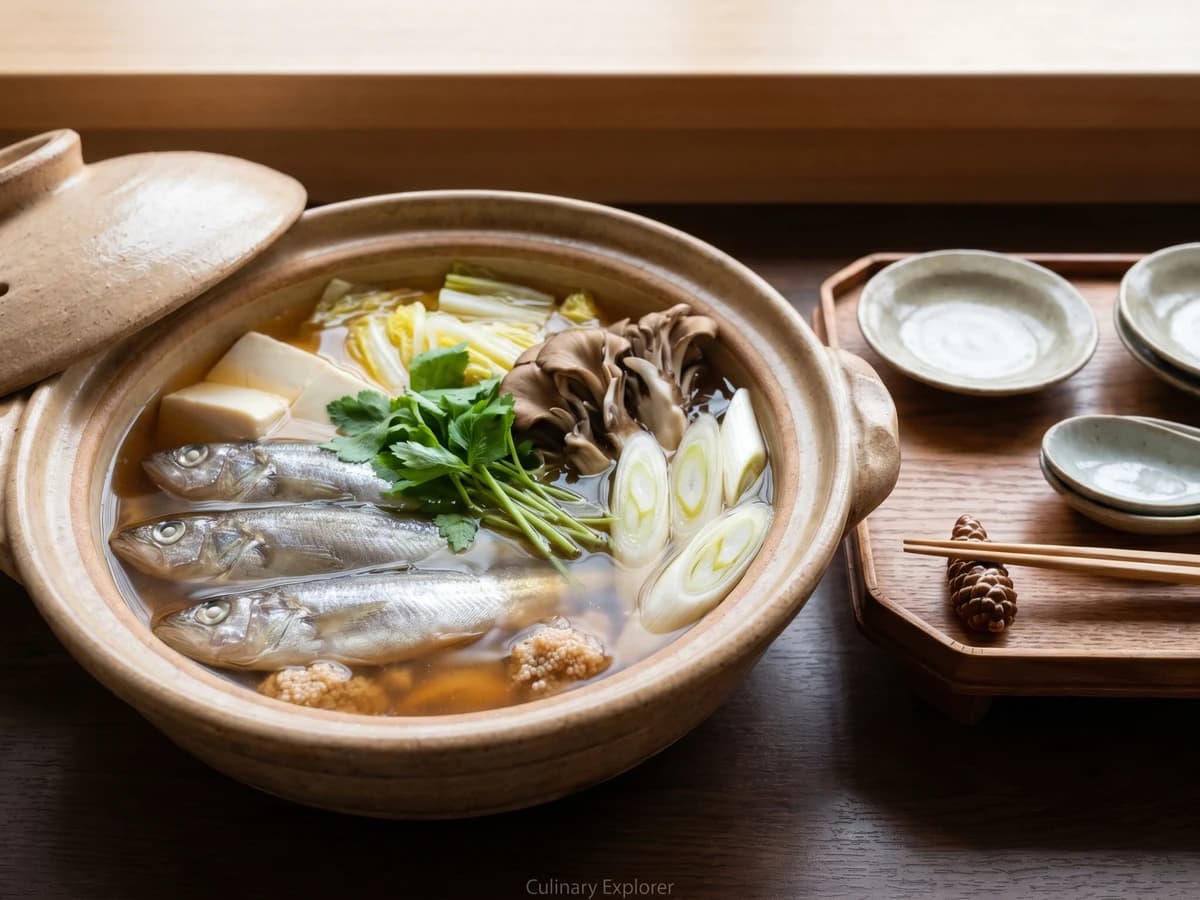
Shottsuru nabe is Akita winter in one pot: clean dashi, hatahata at shun, tofu and napa cabbage carrying a salt-deep broth without anything heavy enough to hide the fish.