
Chef Takumi
Abura Soba (油そば, brothless ramen)
Abura soba is ramen without the hiding place of soup: hot noodles, strong shōyu tare, fragrant oil, and the discipline to mix while every strand is still hot.
A cooking platform built around craft, culture, and the stories behind what we eat.

Created by
Kamo Nanban is cold-month soba at its most direct: duck breast browned just enough to perfume a soy-dark broth, thick negi softened until sweet, and noodles kept clean and springy.
Duck belongs to the cold months. Its fat is firmer then, its flavor rounder, and it gives a bowl of soba the kind of warmth that doesn't need shouting. Kamo Nanban looks like a special-occasion dish, and it is, but the work is plain: make good dashi, brown the duck, soften the negi, and keep the noodles honest.
The detail that decides it is restraint with the duck. Sear the skin slowly so the fat renders, then let only a little of that fat enter the broth. Too much and the soup turns greasy; just enough and the dashi gains a quiet richness without losing its clear edge. The negi needs the same patience. Brown it until the outside takes color and the inside goes sweet, because raw onion sharpness has no business in this bowl.
Cook the soba separately. This is not fussiness. Soba throws starch into the water as it boils, and that starch would cloud the broth you worked to keep clean. Boil, rinse, warm again, then place it in the bowl. The method, not the menu, is what makes the dish feel like honmono: each part treated simply, each part given its reason.
Kamo nanban belongs to Edo soba-shop culture, where hot noodle broths became common urban food in the eighteenth and nineteenth centuries. In soba-shop language, nanban came to mean negi, the long onion served with the duck, and one common explanation traces the term to Nanba negi, associated with Osaka's Namba area. Wild duck was historically a cold-season ingredient, so the dish kept its reputation as a winter bowl even after farmed duck made it easier to serve year-round.
Quantity
1 piece (about 10g)
Quantity
5 cups
Quantity
25g
Quantity
1/2 cup
Quantity
1/3 cup
Quantity
2 tablespoons
Quantity
2 teaspoons
Quantity
2 (about 600g total)
Quantity
1/2 teaspoon
Quantity
3
cut into 2-inch lengths
Quantity
360g
Quantity
1 small strip
cut into fine slivers
Quantity
for serving
| Ingredient | Quantity |
|---|---|
| konbu (dried kelp) | 1 piece (about 10g) |
| cold water | 5 cups |
| katsuobushi (bonito flakes) | 25g |
| koikuchi shōyu (dark soy sauce) | 1/2 cup |
| mirin | 1/3 cup |
| sake | 2 tablespoons |
| sugar | 2 teaspoons |
| skin-on duck breasts | 2 (about 600g total) |
| fine sea salt | 1/2 teaspoon |
| Japanese long negi (naganegi)cut into 2-inch lengths | 3 |
| dried soba | 360g |
| yuzu peel (optional)cut into fine slivers | 1 small strip |
| shichimi tōgarashi (optional) | for serving |
Wipe the konbu with a damp cloth, but don't wash it. Put it in the cold water and bring it up slowly over low heat, about ten minutes. Pull the konbu when the water trembles and small bubbles climb the sides of the pot. Boil it and the stock turns bitter and a little slick, which is a poor trade for impatience.
Bring the water just to a gentle boil after the konbu is out. Add the katsuobushi all at once, take the pot off the heat, and leave it alone for three minutes. The flakes will sink as they give up their flavor. Strain through a cloth or fine-mesh strainer and let it drip without pressing.
Pat the duck breasts dry. Score the skin in a shallow crosshatch, cutting through the fat but not into the meat, then season with the salt. Scoring gives the fat a path out of the skin as it warms. Cut into the flesh and the juices escape where you wanted them kept.
Set the duck skin-side down in a cold heavy skillet and place it over medium-low heat. Let the skin render slowly for eight to ten minutes, pouring off excess fat if the pan floods. Turn the duck and sear the flesh side for one minute, then move it to a board to rest. Slow heat gives you browned skin and usable fat; high heat gives you burned skin over soft fat, which impresses no one.
Leave about one tablespoon of duck fat in the skillet. Add the negi pieces and brown them on two sides until marked and slightly softened, three to five minutes. The outside should color while the inside stays juicy. This turns the onion sweet and lets the duck fat season the broth without taking it over.
In a pot, combine the dashi, shōyu, mirin, sake, and sugar. Add the browned negi and bring the broth to a quiet simmer for five minutes. Taste it. It should be deeper and saltier than a clear soup, because soba will soften it in the bowl, but it should still taste like dashi first.
Slice the rested duck across the grain into pieces about 1/4 inch thick. Add the slices to the simmering broth for one to two minutes, just until warmed through and cooked to your comfort. For guests who need strict food safety, cook the duck through completely. Tender duck is the aim, but a guest's safety outranks style.
Boil the soba in a large pot of unsalted water according to the package timing, tasting a strand early. Drain, rinse under cold running water, and rub gently with your hands until the surface starch is gone. Just before serving, dip the noodles briefly in fresh hot water and drain well. This keeps the broth clear and the noodles springy.
Warm four deep bowls. Divide the soba among them, ladle in the hot broth, and arrange duck slices and negi on top in small groups rather than a heap. Finish with a sliver of yuzu peel and a light pinch of shichimi tōgarashi if you like. Leave the surface room to breathe, even in a soup bowl.
1 serving (about 700g)
Culinary guides, cultural storytelling, and the editorial depth that makes cooking meaningful.
Discover Culinary ExplorerChef Takumi
Abura soba is ramen without the hiding place of soup: hot noodles, strong shōyu tare, fragrant oil, and the discipline to mix while every strand is still hot.
Chef Takumi
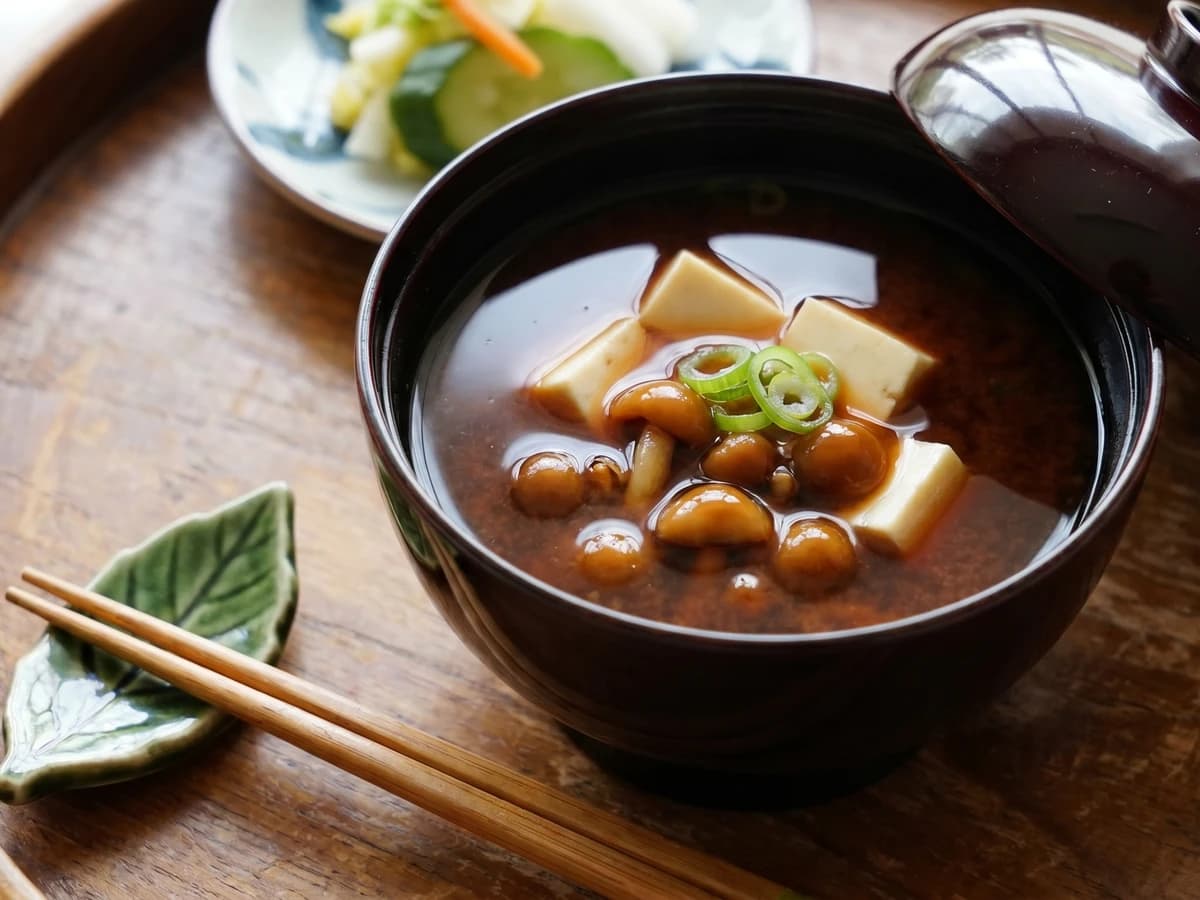
Akadashi asks you to trust the dark miso. Build a clear dashi, loosen the Hatchō mame-miso gently, and the soup turns coffee-dark, savory, and clean.

Chef Takumi
Toast the rice until its skin is firm, then let it meet chicken broth, burdock, maitake, and seri. The pot looks grand, but the work is rice, broth, and patience.
Chef Takumi
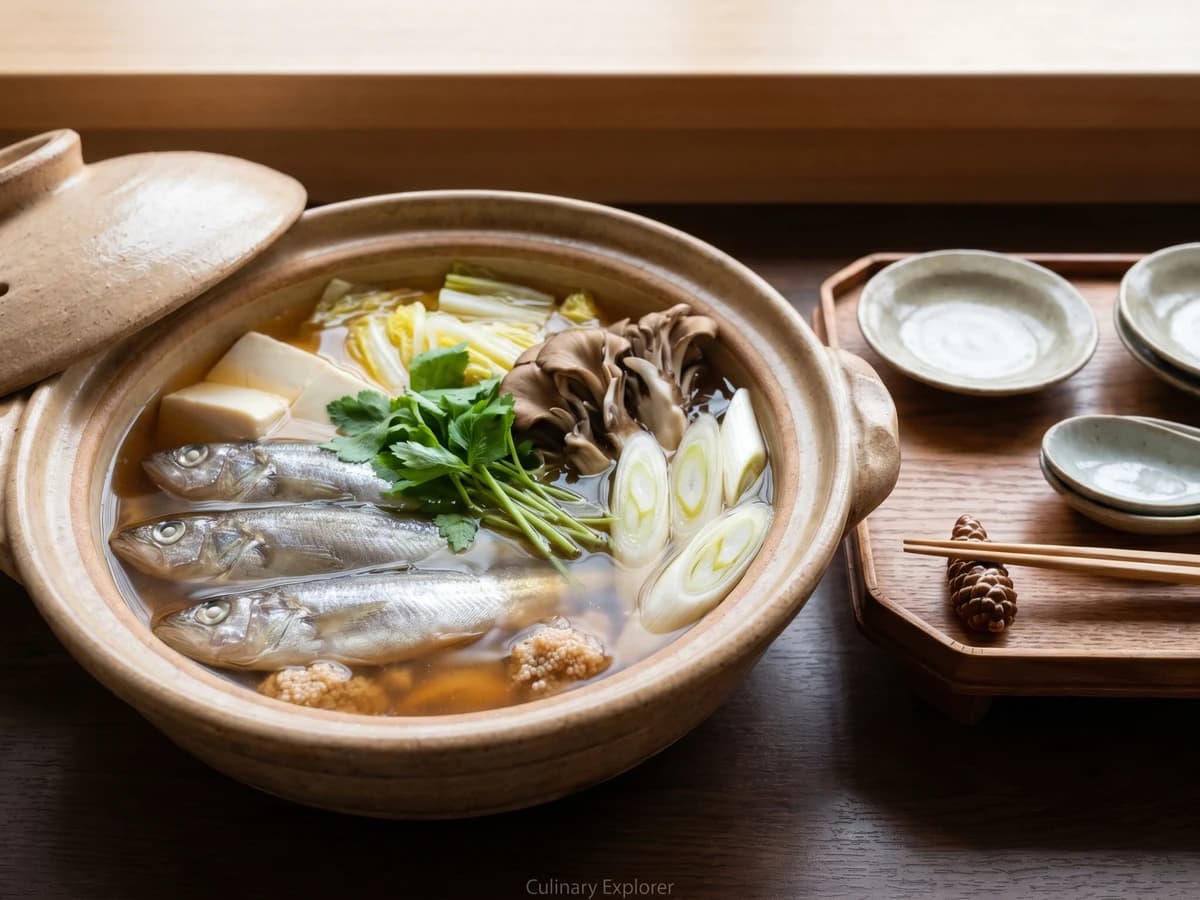
Shottsuru nabe is Akita winter in one pot: clean dashi, hatahata at shun, tofu and napa cabbage carrying a salt-deep broth without anything heavy enough to hide the fish.