
Chef Takumi
Abura Soba (油そば, brothless ramen)
Abura soba is ramen without the hiding place of soup: hot noodles, strong shōyu tare, fragrant oil, and the discipline to mix while every strand is still hot.
A cooking platform built around craft, culture, and the stories behind what we eat.
Created by
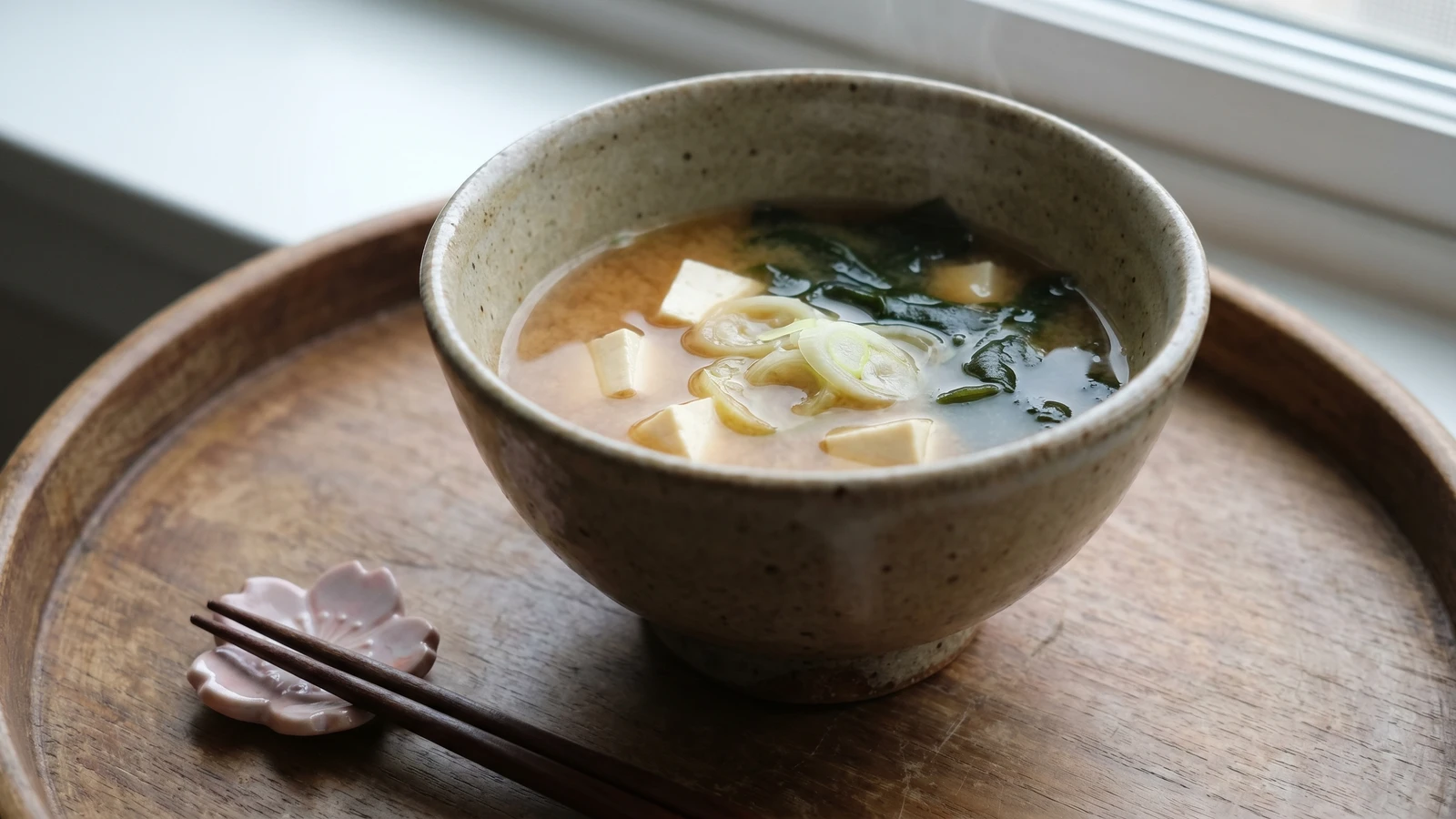
The everyday bowl that teaches the whole cuisine: clear dashi, miso dissolved off the boil, soft tofu, and wakame turning green in the heat of the broth.
Misoshiru is the most ordinary bowl on a Japanese table, which means it has very little patience for fuss. Rice, soup, one or two side dishes: the meal begins to make sense once this small bowl is there. Tofu and wakame are gentle company for it, pale cubes and sea-green ribbons in a broth that should taste clean, not heavy.
The one detail that decides it is simple: don't boil the miso. Miso is a living seasoning in the old sense, fermented and fragrant, and a hard boil roughens the aroma and turns the flavor flat. Dissolve it into hot dashi off the boil, then warm it just enough to serve. That is not a delicate ceremony. It's the shortest route to a good bowl.
Make the dashi properly and the rest is almost done. Konbu gives the stock its quiet depth, katsuobushi gives it backbone, and neither asks you for heroics. Pull the kelp before the water boils so bitterness stays out. Let the bonito flakes sink on their own and don't squeeze them, because the strong oily edge is not what we want here. Nothing hidden, nothing forced.
Use soft tofu if you like tenderness, medium-firm if your spoon is less gentle. Wakame should be rinsed and rehydrated, then added near the end so it blooms green instead of turning tired. This is honmono at weeknight speed: a bowl built from the first foundation, finished with restraint, and ready before anyone has had time to make it sound difficult.
Misoshiru became a daily partner to rice as miso production spread widely from the medieval period into the Edo period, when regional miso styles became tied to local climate, grain, and salt levels. The pairing of tofu and wakame is a modern household standard because both ingredients are inexpensive, quick to prepare, and sit cleanly within ichijū-sansai, the one-soup, three-dish structure of the Japanese meal. Awase miso, a blend of two miso types, is often used at home because it balances the sweetness of rice miso with the deeper savor of darker miso.
Quantity
4 cups
Quantity
1 piece (about 10g)
Quantity
20g
Quantity
3 tablespoons, or to taste
Quantity
200g
cut into 1/2-inch cubes
Quantity
5g
rehydrated and drained
Quantity
1
thinly sliced
| Ingredient | Quantity |
|---|---|
| cold water | 4 cups |
| konbu (dried kelp) | 1 piece (about 10g) |
| katsuobushi (bonito flakes) | 20g |
| awase miso | 3 tablespoons, or to taste |
| soft or medium-firm tofucut into 1/2-inch cubes | 200g |
| dried wakamerehydrated and drained | 5g |
| scallion (optional)thinly sliced | 1 |
Put the dried wakame in a small bowl of cool water for 5 minutes, until it opens into soft green ribbons. Drain it well and cut any long pieces shorter. Wakame swells more than seems polite, so start with less than your eyes want.
Wipe the konbu lightly with a damp cloth, but don't scrub it. Put it in the cold water and bring it up slowly over medium-low heat, about 10 minutes. When the water trembles and small bubbles climb the sides of the pot, lift the konbu out.
Bring the water just to a gentle boil, add the katsuobushi all at once, then turn off the heat. Leave the flakes alone for 2 to 3 minutes, until they sink. Strain through a fine-mesh strainer lined with cloth or sturdy paper towel.
Return the dashi to the pot and bring it to a gentle heat, not a rolling boil. Add the tofu cubes and warm them for 2 minutes, just until they are hot through. A lively boil chips the tofu edges and makes the bowl look careless.
Turn the heat off. Put the miso in a ladle, lower it partly into the hot dashi, and stir with chopsticks until the miso loosens into the broth. Taste, then add a little more miso if the soup needs depth.
Add the drained wakame and warm the soup gently for a few seconds, keeping it below a boil. Ladle into bowls and scatter a little sliced scallion on top. Serve at once, while the miso is still fragrant and the wakame is bright.
1 serving (about 290g)
Culinary guides, cultural storytelling, and the editorial depth that makes cooking meaningful.
Discover Culinary ExplorerChef Takumi
Abura soba is ramen without the hiding place of soup: hot noodles, strong shōyu tare, fragrant oil, and the discipline to mix while every strand is still hot.
Chef Takumi
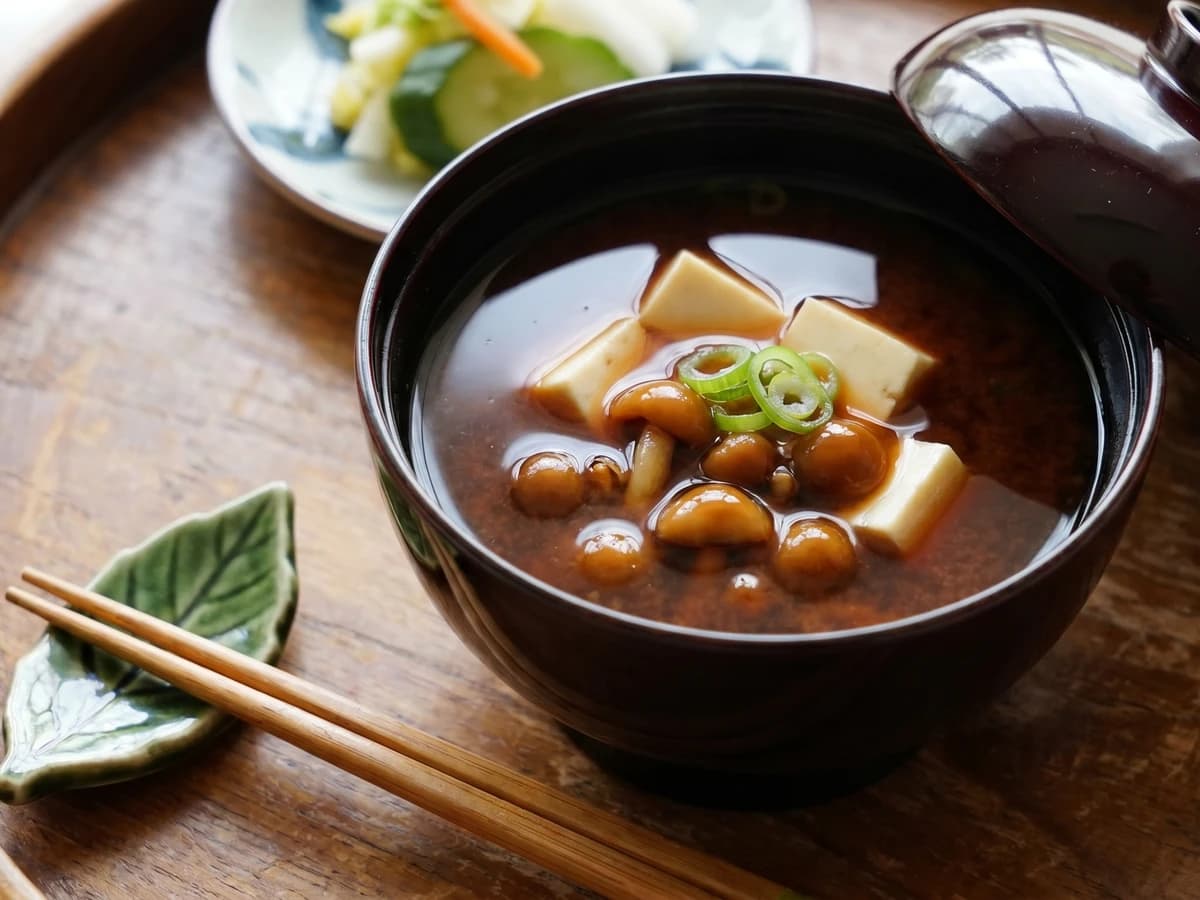
Akadashi asks you to trust the dark miso. Build a clear dashi, loosen the Hatchō mame-miso gently, and the soup turns coffee-dark, savory, and clean.

Chef Takumi
Toast the rice until its skin is firm, then let it meet chicken broth, burdock, maitake, and seri. The pot looks grand, but the work is rice, broth, and patience.
Chef Takumi
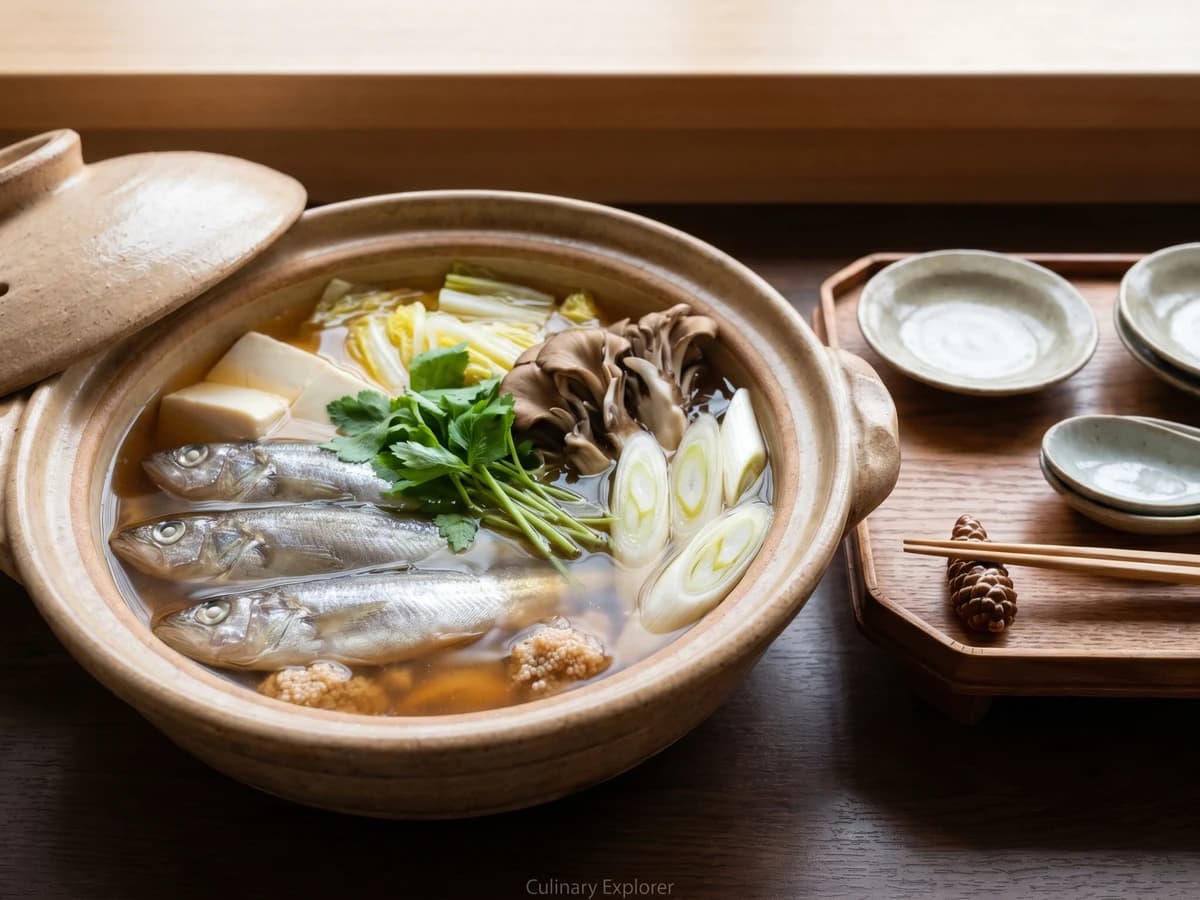
Shottsuru nabe is Akita winter in one pot: clean dashi, hatahata at shun, tofu and napa cabbage carrying a salt-deep broth without anything heavy enough to hide the fish.