
Chef Takumi
Abura Soba (油そば, brothless ramen)
Abura soba is ramen without the hiding place of soup: hot noodles, strong shōyu tare, fragrant oil, and the discipline to mix while every strand is still hot.
A cooking platform built around craft, culture, and the stories behind what we eat.

Created by
Lift the lid and autumn arrives before the spoon does. Matsutake no Dobinmushi is clear dashi, a few seasonal pieces, and the discipline to keep every flavor unclouded.
Matsutake announces itself before you taste it. Pine forest, damp leaves, clean earth after rain: this is the point of the dish, and also the reason people make it sound more fearsome than it is. Dobinmushi asks for rare ingredients, yes. The cooking itself is quiet.
The first secret is not technique. It is shun, the season when matsutake is at its prime and its fragrance can carry a whole bowl of clear soup. Scrub it harshly and you lose that fragrance. Slice it too thick and it sits there like a proud little plank. Cut it cleanly, warm it gently in good dashi, and let the teapot hold the aroma until the diner lifts the lid.
We serve dobinmushi as suimono, a clear soup, often in autumn meals when the table is allowed to speak softly. Conger eel gives body, ginkgo nuts give a faint bitter snap, and sudachi at the end sharpens the broth without shouting over it. Nothing hidden. If the matsutake is tired, change the dish. If it is glistening fresh and fragrant, most of your work is already done.
Dobinmushi takes its name from the dobin, a small clay teapot used to warm and serve the soup, and it became especially associated with refined autumn dining in the late Edo and Meiji periods. Matsutake had long been prized in poetry and seasonal cookery, but the pairing with a covered vessel made its fragrance part of the service: the diner first smells the season, then drinks the broth. Regional versions vary in the added seafood, with hamo in Kansai and anago or shrimp used elsewhere, but matsutake remains the deciding ingredient.
Quantity
1 piece (about 10g)
Quantity
4 1/2 cups
Quantity
20g
Quantity
2 medium (about 120g total)
cleaned and thinly sliced lengthwise
Quantity
160g
cut into 4 pieces
Quantity
8
shelled and peeled
Quantity
4 small
Quantity
1 tablespoon
Quantity
1 teaspoon
Quantity
3/4 teaspoon, plus more as needed
Quantity
1
quartered
| Ingredient | Quantity |
|---|---|
| konbu (dried kelp) | 1 piece (about 10g) |
| cold water | 4 1/2 cups |
| katsuobushi (bonito flakes) | 20g |
| matsutake mushroomscleaned and thinly sliced lengthwise | 2 medium (about 120g total) |
| cooked hamo (pike conger) or anago (saltwater eel)cut into 4 pieces | 160g |
| ginkgo nutsshelled and peeled | 8 |
| mitsuba sprigs | 4 small |
| sake | 1 tablespoon |
| usukuchi shōyu (light soy sauce) | 1 teaspoon |
| sea salt | 3/4 teaspoon, plus more as needed |
| sudachiquartered | 1 |
Wipe the konbu with a damp cloth, but don't wash it. Put it in the cold water and warm it slowly over low heat. Pull the konbu just before the water boils, when small bubbles climb the pot. Boil it and the stock turns bitter and a little slick, which is a poor bargain for impatience.
Bring the liquid to a gentle boil, add the katsuobushi all at once, and take the pot off the heat. Leave it alone for two or three minutes until the flakes sink. Strain through a cloth and let it drip without squeezing, because squeezing presses oily, rough flavors into the clean broth.
Trim the hard base of each matsutake, then wipe the caps and stems with a barely damp cloth. If soil clings, scrape it lightly with the back of a knife. Don't wash the mushrooms under running water. They drink water quickly, and water steals the fragrance you paid for.
Slice the matsutake lengthwise into thin pieces, keeping cap and stem together when you can. The long cut shows the mushroom's shape and releases scent evenly into the broth. Too thick and the pieces stay stiff. Too thin and they lose their presence.
Measure 3 1/2 cups of dashi into a saucepan and season it with sake, usukuchi shōyu, and sea salt. Warm it gently and taste. It should be clear, lightly salted, and fuller from dashi than from soy. If it tastes thin, add a little more dashi or salt with restraint.
Divide the eel, ginkgo nuts, and matsutake among four small dobin teapots, or use small lidded heatproof bowls if you don't own the clay pots. Pour in the seasoned dashi, leaving space at the top. The vessel needs room so the aroma gathers under the lid instead of spilling away.
Set the covered dobin in a steamer over gently boiling water for 8 to 10 minutes, just until the broth is hot and the matsutake has softened. Don't let the steamer rage. Hard heat muddies the broth and bullies the mushroom fragrance, and this dish has no use for bullying.
Set one mitsuba sprig inside each pot, replace the lid, and serve with a wedge of sudachi. At the table, lift the lid first and breathe in. Pour the broth into the small cup, sip it, then squeeze in a little sudachi and taste again. The citrus should brighten the soup, not take command.
1 serving (about 335g)
Culinary guides, cultural storytelling, and the editorial depth that makes cooking meaningful.
Discover Culinary ExplorerChef Takumi
Abura soba is ramen without the hiding place of soup: hot noodles, strong shōyu tare, fragrant oil, and the discipline to mix while every strand is still hot.
Chef Takumi
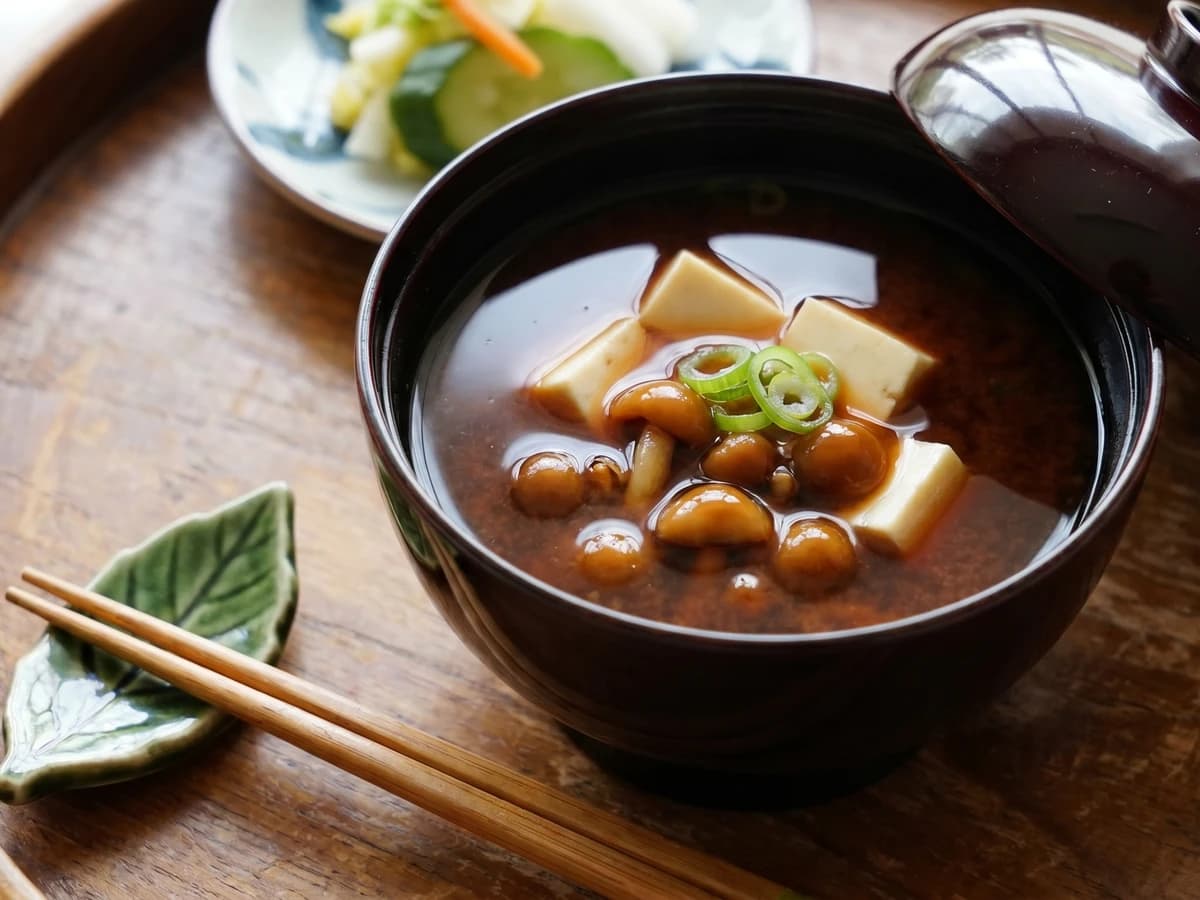
Akadashi asks you to trust the dark miso. Build a clear dashi, loosen the Hatchō mame-miso gently, and the soup turns coffee-dark, savory, and clean.

Chef Takumi
Toast the rice until its skin is firm, then let it meet chicken broth, burdock, maitake, and seri. The pot looks grand, but the work is rice, broth, and patience.
Chef Takumi
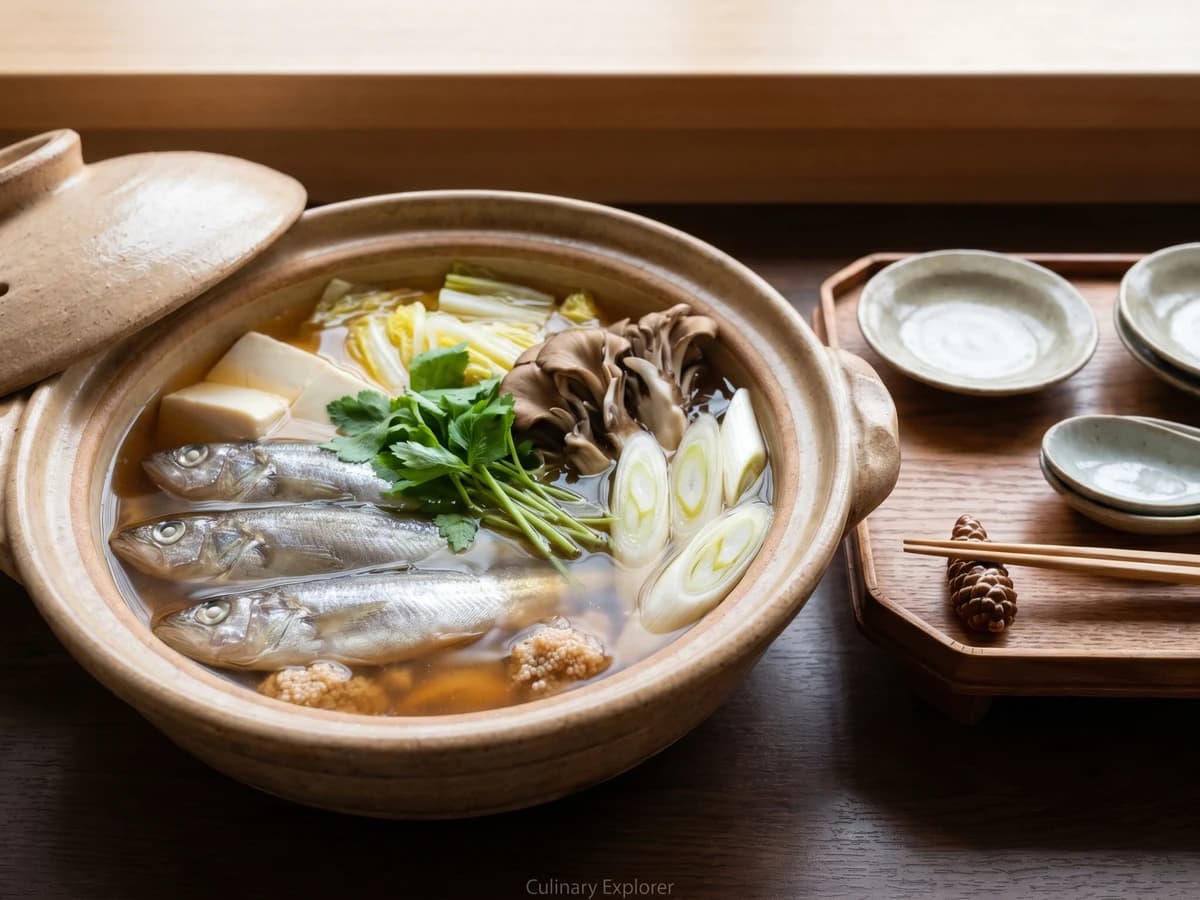
Shottsuru nabe is Akita winter in one pot: clean dashi, hatahata at shun, tofu and napa cabbage carrying a salt-deep broth without anything heavy enough to hide the fish.