
Chef Takumi
Abura Soba (油そば, brothless ramen)
Abura soba is ramen without the hiding place of soup: hot noodles, strong shōyu tare, fragrant oil, and the discipline to mix while every strand is still hot.
A cooking platform built around craft, culture, and the stories behind what we eat.

Created by
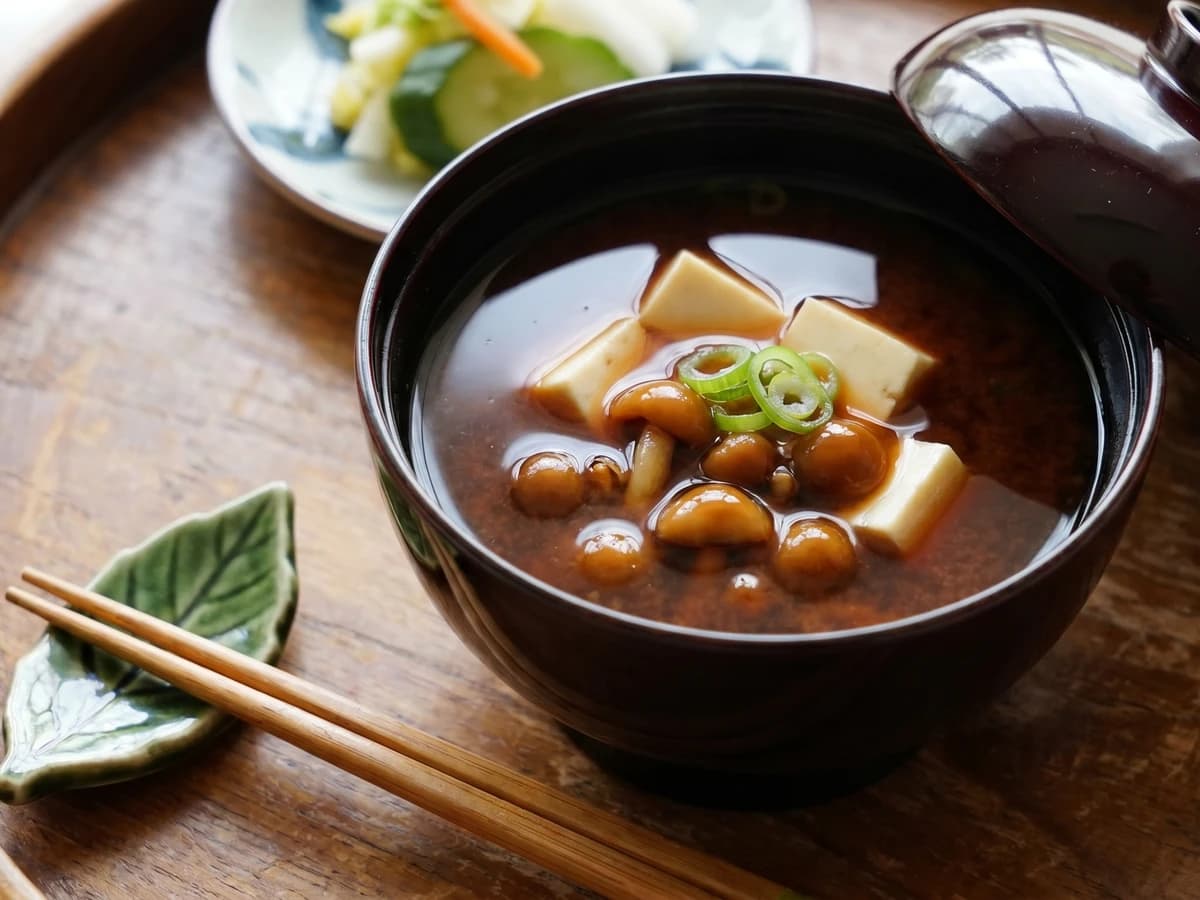
Nameko does the quiet work here, turning fresh dashi slightly glossy while soft tofu warms through. Keep the miso below a boil and the whole bowl stays fragrant, clean, and calm.
Nameko looks like the mushroom someone forgot to make respectable, amber caps wrapped in a slick coat. Leave that coat alone. It is the reason we use nameko in misoshiru: it turns the broth silken without any thickener, and it tastes most itself when autumn has cooled the mornings.
That slipperiness makes some cooks hesitate. Good. It means they're paying attention. Rinse the mushrooms only if they are gritty, then briefly; scrub them and you've washed away the very texture you bought them for. Sourcing first, always: the caps should be small, glossy, and fresh-smelling, with no sour edge.
The rest is simple order. Make clean dashi, warm the nameko and tofu, then dissolve the miso off the heat. Miso is never boiled because strong heat drives off its fragrance and leaves the broth flat, a little rough at the edges. Add it last and this bowl stays calm: mushroom, soybean, stock, season, nothing hidden.
Misoshiru became an everyday partner to rice from the Kamakura through Muromachi periods, when miso moved from a paste eaten as a side food into a seasoning dissolved in soup. Nameko, named for its slippery surface, was traditionally gathered from broadleaf trees in cool mountain forests, especially in northeastern Japan; commercial cultivation spread in the twentieth century through log culture and later bottle culture. The pairing with tofu is a plain household form: one mountain ingredient, one soybean food, and dashi tying them together.
Quantity
4 cups
Quantity
1 piece (about 10g)
Quantity
20g
Quantity
150g
lightly rinsed only if gritty, drained
Quantity
200g
cut into 1/2-inch cubes
Quantity
3 to 4 tablespoons
to taste
Quantity
1 small
thinly sliced
| Ingredient | Quantity |
|---|---|
| cold water | 4 cups |
| konbu (dried kelp) | 1 piece (about 10g) |
| katsuobushi (bonito flakes) | 20g |
| fresh nameko mushroomslightly rinsed only if gritty, drained | 150g |
| soft tofucut into 1/2-inch cubes | 200g |
| awase miso (blended miso)to taste | 3 to 4 tablespoons |
| scallion (optional)thinly sliced | 1 small |
Wipe the konbu with a damp cloth, but don't wash it. The pale powder on the surface is not dirt, it's flavor. Put the konbu in the cold water and warm it slowly over low heat until the water trembles and small bubbles climb the side of the pot, about ten minutes. Lift the konbu out before the water boils.
Bring the water just to a gentle boil, add the katsuobushi all at once, then take the pot off the heat. Let the flakes sink on their own for two or three minutes. Don't stir. The quiet steeping gives the dashi its clean depth without clouding it.
Strain the dashi through a cloth-lined fine-mesh strainer into a clean pot. Let it drip naturally and don't squeeze the flakes. Squeezing presses out stronger, oily flavors, and the clear stock you guarded at the stove becomes heavy for no good reason.
Look over the nameko and rinse them briefly only if they are gritty or packed with excess gel. Drain them well. Do not scrub them clean; their natural slippery coating is what gives this misoshiru its silken body. Cut the tofu into small cubes so it warms quickly and sits neatly in the bowl.
Return the dashi to a gentle simmer. Add the nameko and cook for about two minutes, until the broth looks slightly glossy and the mushrooms are tender. Slide in the tofu and warm it for another minute, stirring as little as possible so the cubes stay whole.
Turn off the heat. Put the miso in a miso-koshi, or hold it in a ladle and dissolve it with chopsticks into the hot dashi a little at a time. Taste before adding more. The soup should be savory and rounded, not salty enough to make the rice nervous.
Ladle the misoshiru into warm bowls, sharing the nameko and tofu evenly. Scatter a few scallion slices over each bowl and serve at once. Fill the bowls modestly; a soup surface with room around the garnish looks calmer and tastes that way too.
1 serving (about 300g)
Culinary guides, cultural storytelling, and the editorial depth that makes cooking meaningful.
Discover Culinary ExplorerChef Takumi
Abura soba is ramen without the hiding place of soup: hot noodles, strong shōyu tare, fragrant oil, and the discipline to mix while every strand is still hot.
Chef Takumi
Akadashi asks you to trust the dark miso. Build a clear dashi, loosen the Hatchō mame-miso gently, and the soup turns coffee-dark, savory, and clean.

Chef Takumi
Toast the rice until its skin is firm, then let it meet chicken broth, burdock, maitake, and seri. The pot looks grand, but the work is rice, broth, and patience.
Chef Takumi
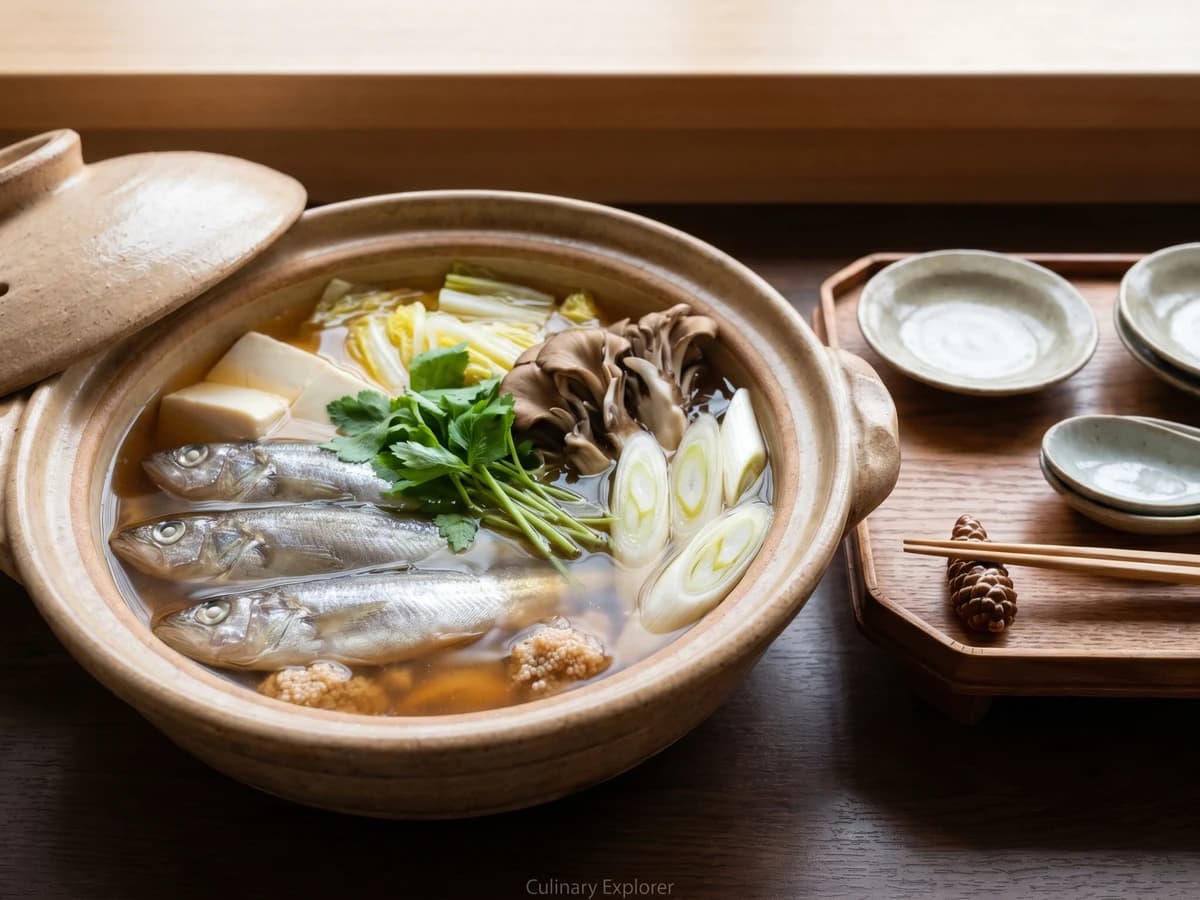
Shottsuru nabe is Akita winter in one pot: clean dashi, hatahata at shun, tofu and napa cabbage carrying a salt-deep broth without anything heavy enough to hide the fish.