
Chef Takumi
Abura Soba (油そば, brothless ramen)
Abura soba is ramen without the hiding place of soup: hot noodles, strong shōyu tare, fragrant oil, and the discipline to mix while every strand is still hot.
A cooking platform built around craft, culture, and the stories behind what we eat.

Created by
High-summer edamame needs very little help: a quick blanch, patient pounding, and cold ichiban dashi enough to make a pale-green soup that tastes clean and almost weightless.
Edamame is sweetest when the pods are full and the heat has settled over the day. This soup belongs there, cool and quiet, a small bowl at the beginning of a summer meal. It looks delicate enough to make people nervous. Good. Nervous cooks pay attention, and attention is most of this dish.
Surinagashi means something ground and poured. The method is plain: blanch the beans, pound them smooth, and loosen them with cold dashi until the texture falls from the spoon like light cream. The first secret is not the pounding, though your arm may disagree. It is keeping the edamame bright and sweet: salt the blanching water, cook only until tender, then chill the beans quickly so the color and freshness stay awake.
Use ichiban dashi, the first stock, because there is nowhere for a tired broth to hide here. Konbu gives breadth, katsuobushi gives lift, and neither should shout over the beans. Season with salt and a little usukuchi, light soy sauce, just enough to make the sweetness clear. Serve it cold in a small bowl and leave it room. A soup this restrained should arrive like a pause, not an announcement.
Surinagashi appears in the cuisine of kaiseki and ryōtei cooking as a refined soup made by grinding seasonal vegetables, legumes, nuts, or fish and thinning them with dashi. The word comes from suru, to grind, and nagasu, to pour, a practical name for a method rather than a fixed menu item. Edamame, immature soybeans, became common as a summer snack in the Edo period, when vendors sold the boiled pods still attached to their branches.
Quantity
450g
or about 200g shelled edamame
Quantity
1 piece (about 10g)
Quantity
20g
Quantity
4 cups
Quantity
1 tablespoon
for blanching
Quantity
1/2 teaspoon
plus more to taste
Quantity
1 teaspoon
Quantity
1 teaspoon
Quantity
4 small
reserved for garnish
Quantity
4 tiny strips or a few small tips
| Ingredient | Quantity |
|---|---|
| edamame in podsor about 200g shelled edamame | 450g |
| konbu (dried kelp) | 1 piece (about 10g) |
| katsuobushi (bonito flakes) | 20g |
| cold water | 4 cups |
| sea saltfor blanching | 1 tablespoon |
| sea saltplus more to taste | 1/2 teaspoon |
| usukuchi (light soy sauce) | 1 teaspoon |
| sake (optional) | 1 teaspoon |
| edamame beansreserved for garnish | 4 small |
| yuzu peel or chive tips (optional) | 4 tiny strips or a few small tips |
Wipe the konbu with a damp cloth, but don't wash it. Put it in 4 cups cold water and bring it up slowly over low heat, about 10 minutes. Pull the konbu when the water trembles and small bubbles climb the sides, before it boils, because boiling kelp draws out bitterness and a slick texture you don't want in a clear summer soup.
Bring the konbu water to a gentle boil, add the katsuobushi all at once, then take the pot off the heat. Let the flakes sink on their own for 2 to 3 minutes. Strain through a cloth or very fine sieve and let it drip naturally. Don't squeeze, or the strong oily taste in the flakes will cloud the stock you just kept so carefully.
Measure out 2 cups of the ichiban dashi for the soup and chill it until cold. The remaining dashi can be saved for another dish. A cold soup wants cold stock, because warm dashi dulls the bean color and makes the finished texture feel heavier than it should.
Bring a pot of water to a lively boil and salt it with 1 tablespoon sea salt. Add the edamame and cook until the beans are tender and sweet, 4 to 5 minutes for pods, 2 to 3 minutes for shelled beans. Taste one. It should be fully cooked, not chalky, because pounding only makes a smooth bean smoother. It won't rescue an undercooked one.
Drain the edamame and spread the pods on a tray to cool quickly, or rinse shelled beans briefly under cold water and drain well. Shell the beans, then slip off the thin inner skins if you want the finest texture. This is the patient part, not the difficult part. The skins are harmless, but removing them gives the soup its quiet, almost silken finish.
Reserve 4 bright beans for garnish. Pound the rest in a suribachi, a ridged Japanese mortar, until they become a thick, even paste. A blender works as a stand-in, but use short pulses and scrape often. Pounding breaks the beans gradually and keeps the texture soft; hard blending can make them pasty if you let the machine run too long.
Whisk in the chilled dashi a little at a time until the soup pours like light cream. You may need 1 1/2 to 2 cups, depending on the beans. Season with 1/2 teaspoon salt, the usukuchi, and the sake if using. Taste cold, not warm, because cold food needs slightly clearer seasoning. It should taste sweet first, then gently savory, with nothing heavy covering the edamame.
For a very refined soup, pass it through a fine sieve, pressing gently with a ladle. Chill for at least 30 minutes, then stir before serving. Straining is not vanity. It removes tiny skins and coarse bits so the soup lands cleanly on the tongue, which is exactly what surinagashi is meant to do.
Pour into four small chilled bowls, filling each only halfway to two-thirds. Set one reserved edamame bean and a thread of yuzu peel or a few chive tips on the surface. Serve at once while the color is fresh and the bowl is cold.
1 serving (about 210g)
Culinary guides, cultural storytelling, and the editorial depth that makes cooking meaningful.
Discover Culinary ExplorerChef Takumi
Abura soba is ramen without the hiding place of soup: hot noodles, strong shōyu tare, fragrant oil, and the discipline to mix while every strand is still hot.
Chef Takumi
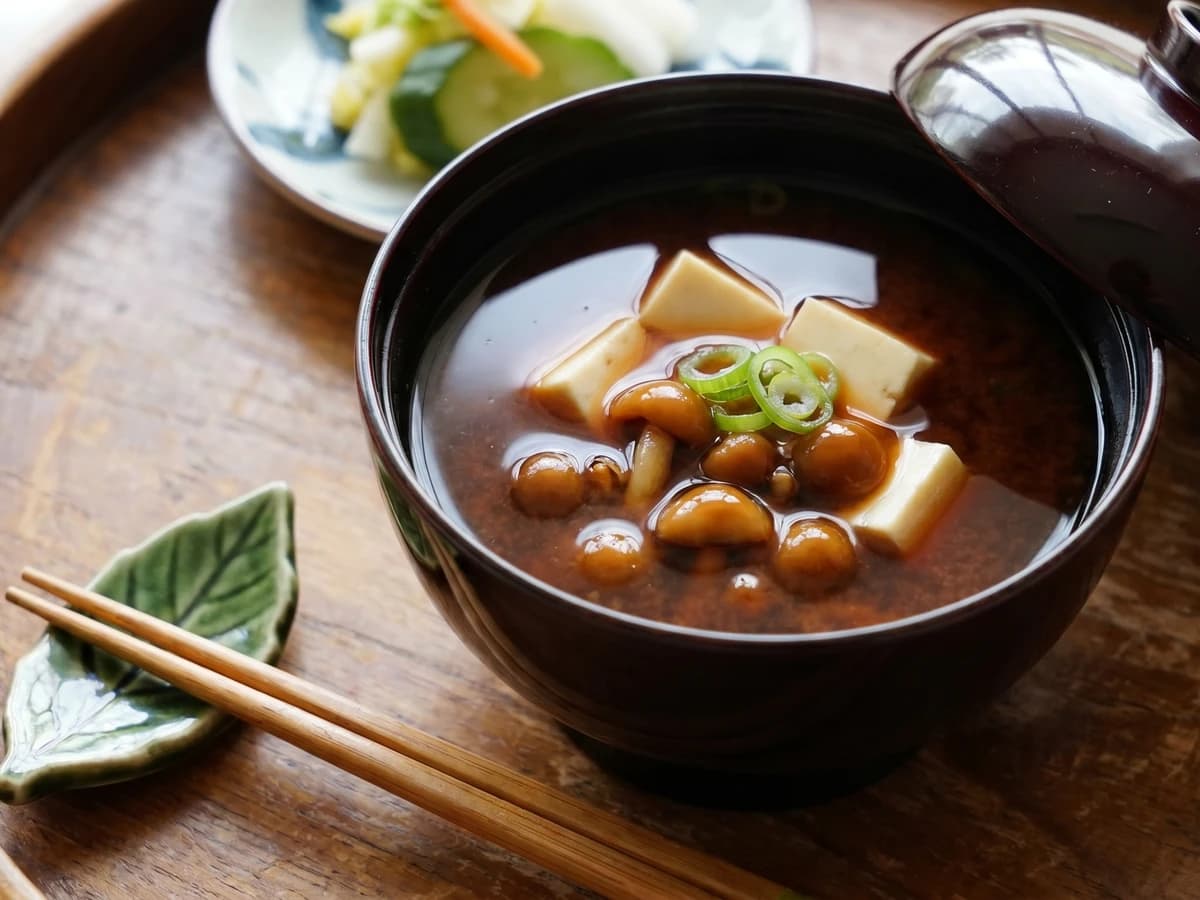
Akadashi asks you to trust the dark miso. Build a clear dashi, loosen the Hatchō mame-miso gently, and the soup turns coffee-dark, savory, and clean.

Chef Takumi
Toast the rice until its skin is firm, then let it meet chicken broth, burdock, maitake, and seri. The pot looks grand, but the work is rice, broth, and patience.
Chef Takumi
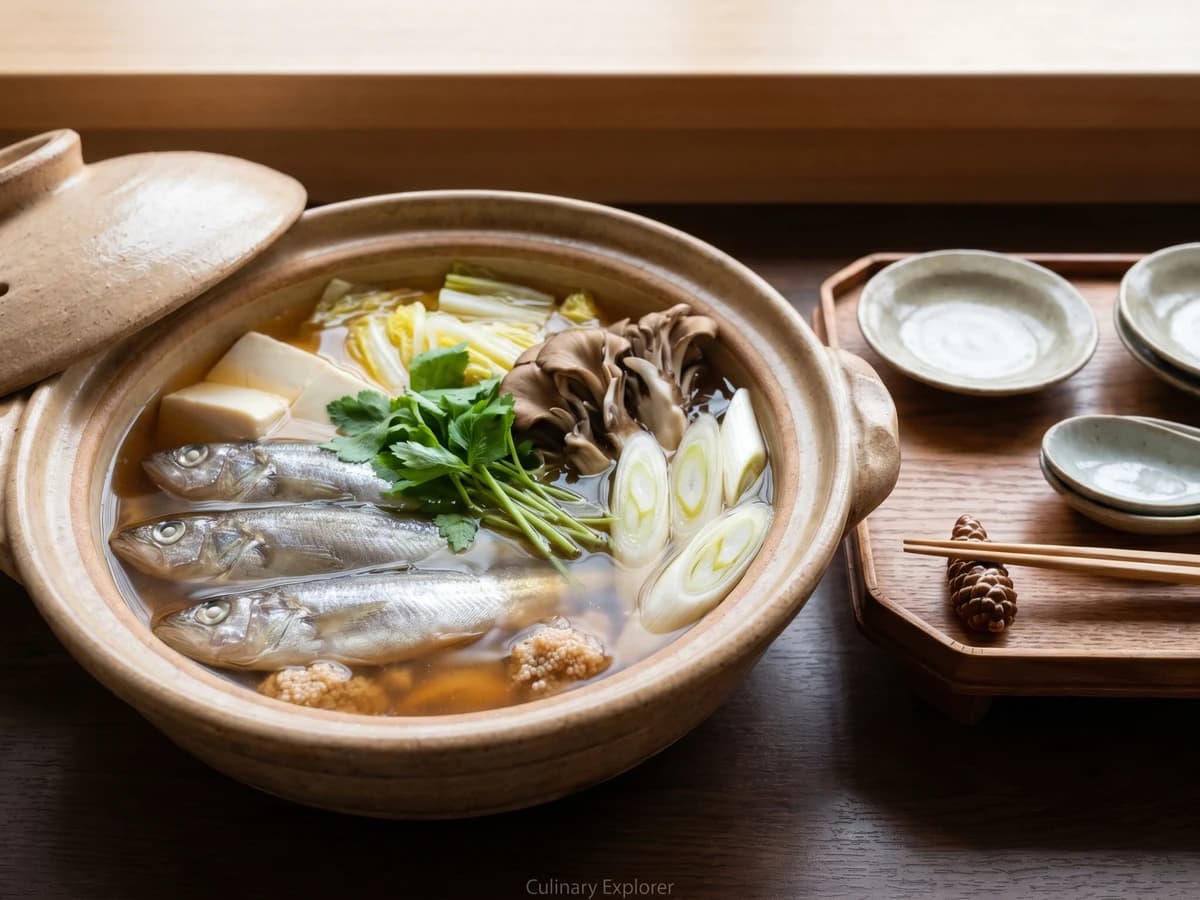
Shottsuru nabe is Akita winter in one pot: clean dashi, hatahata at shun, tofu and napa cabbage carrying a salt-deep broth without anything heavy enough to hide the fish.