
Chef Takumi
Abura Soba (油そば, brothless ramen)
Abura soba is ramen without the hiding place of soup: hot noodles, strong shōyu tare, fragrant oil, and the discipline to mix while every strand is still hot.
A cooking platform built around craft, culture, and the stories behind what we eat.

Created by
The clams make their own dashi in this spring miso soup. Purge the sand well, open them gently, then whisk in miso off the heat so the broth stays clean.
Asari are small clams, but they don't speak quietly. In spring, when they're at their prime, they give the soup its broth almost before you've done any cooking. Water, clams, miso. It sounds too plain, which is usually where the good things are hiding.
The one detail that decides this bowl is not the miso. It's the sand. Purge the clams in salted water first, dark and calm, so they spit out what would otherwise end up between your teeth. A clam that tastes of grit has taught you nothing except impatience, and we have better teachers.
Here the shellfish make the dashi themselves. A small piece of konbu can round the broth, but katsuobushi would crowd the clean sweetness of the clams. Bring the water up gently, pull the konbu before it boils, and take each clam out as it opens. Then dissolve the miso off the heat. Boil miso and its fragrance goes flat, which is a poor bargain after the clams have done such honest work.
Misoshiru belongs beside rice as part of the everyday Japanese meal, but this version carries the season clearly. Nothing hidden, no heavy seasoning, no drama. Just glistening fresh clams, a clear broth clouded only by miso, and a few green leaves to tell the bowl it's spring.
Asari have been gathered from tidal flats around Japan since ancient times, and shell mounds from the Jōmon period contain clam remains that show how long coastal communities relied on them. Edo-period Tokyo Bay was especially known for shellfish, and asari entered everyday dishes such as misoshiru, takikomi gohan, and tsukudani. The spring clam-digging outing, shiohigari, remains tied to asari because low tides and the clams' seasonal fullness meet at the right moment.
Quantity
500g
scrubbed
Quantity
4 cups, plus more for purging
Quantity
about 3 percent by weight
for purging
Quantity
1 small piece (about 5g)
Quantity
3 tablespoons
awase miso or light rice miso
Quantity
2 tablespoons
thinly sliced or picked into small leaves
| Ingredient | Quantity |
|---|---|
| live asari (manila clams)scrubbed | 500g |
| water | 4 cups, plus more for purging |
| sea saltfor purging | about 3 percent by weight |
| konbu (dried kelp) (optional) | 1 small piece (about 5g) |
| misoawase miso or light rice miso | 3 tablespoons |
| scallion or mitsuba (optional)thinly sliced or picked into small leaves | 2 tablespoons |
Set the clams in a shallow bowl or tray and cover them with salt water that tastes like the sea, about 3 percent salt. Keep them in one layer if you can, cover loosely, and leave them in a cool dark place for 1 hour, or up to 3 hours if they look sandy. Darkness keeps them calm and open enough to spit out grit. Discard any cracked clams, or any open ones that don't close when tapped.
Lift the clams out of the purge water instead of pouring the water over them, because the sand is sitting at the bottom. Scrub the shells against each other under running water until they feel clean. Don't soak them now in fresh water, which dulls the clean sea taste you just protected.
Put 4 cups water and the konbu, if using, in a pot and warm it slowly over medium-low heat. Pull the konbu when small bubbles begin to climb the sides, before the water boils. Boiled konbu turns the broth faintly bitter and slick, and this soup wants the clams to speak clearly.
Add the scrubbed clams to the pot and bring the water just to a gentle simmer. As each clam opens, lift it into a warm bowl with tongs or a slotted spoon. Taking them out as they open keeps the flesh plump. Leave them boiling and they tighten, which is a small tragedy in a very small shell.
Let the broth stand for 1 minute so any last grit settles, then ladle or strain it carefully into a clean pot, stopping before the sandy bottom. This is not fussiness. It is the difference between a clean misoshiru and one that reminds you of the beach in the wrong way.
Turn off the heat. Put the miso in a ladle, dip the ladle into the hot broth, and loosen the miso with chopsticks or a small whisk before stirring it back into the pot. Taste before adding all of it, because clams bring their own salt. Never boil the soup after the miso goes in. Heat wakes miso, but boiling flattens its fragrance.
Return the opened clams to the pot just long enough to warm through, then divide them among four bowls and ladle the miso broth over them. Finish with scallion or mitsuba. Serve immediately, while the clams are tender and the miso still smells alive.
1 serving (about 260g)
Culinary guides, cultural storytelling, and the editorial depth that makes cooking meaningful.
Discover Culinary ExplorerChef Takumi
Abura soba is ramen without the hiding place of soup: hot noodles, strong shōyu tare, fragrant oil, and the discipline to mix while every strand is still hot.
Chef Takumi
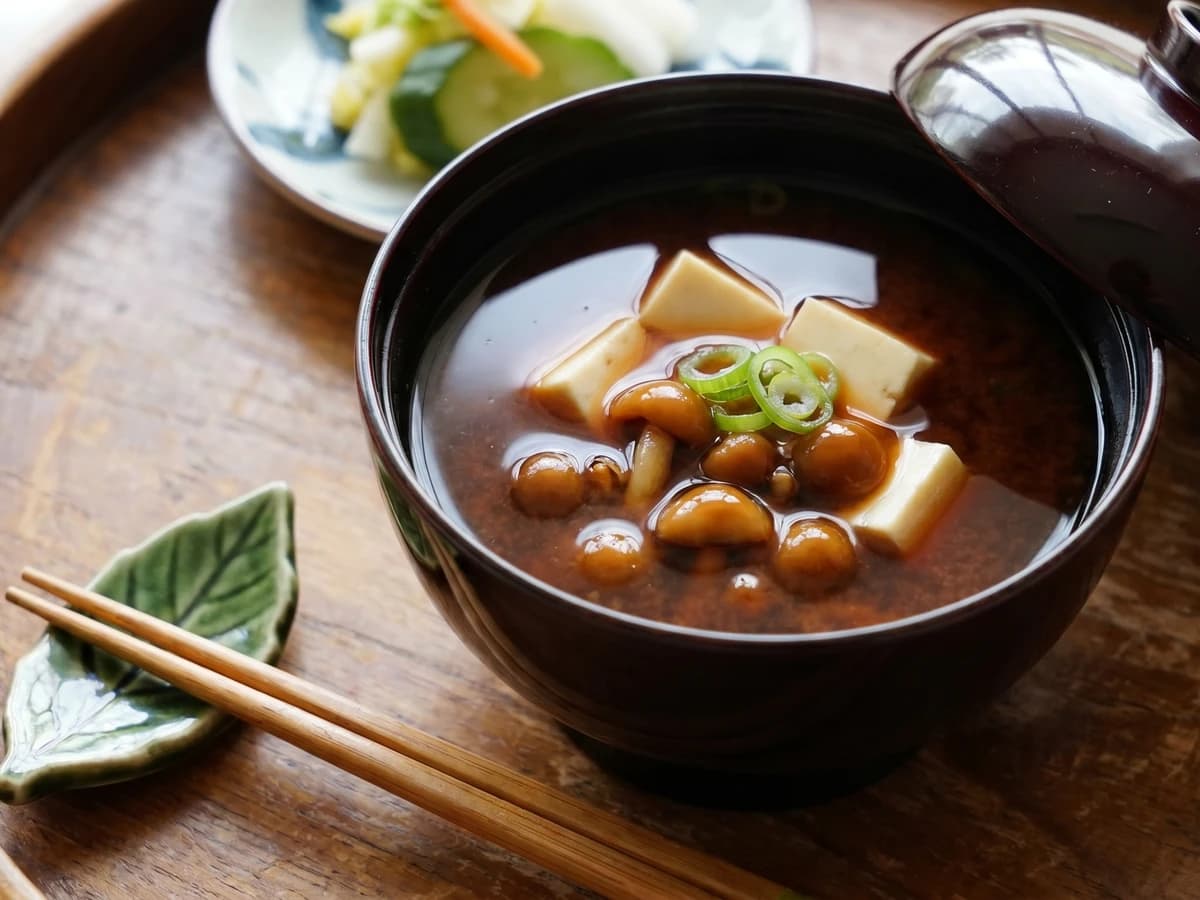
Akadashi asks you to trust the dark miso. Build a clear dashi, loosen the Hatchō mame-miso gently, and the soup turns coffee-dark, savory, and clean.

Chef Takumi
Toast the rice until its skin is firm, then let it meet chicken broth, burdock, maitake, and seri. The pot looks grand, but the work is rice, broth, and patience.
Chef Takumi
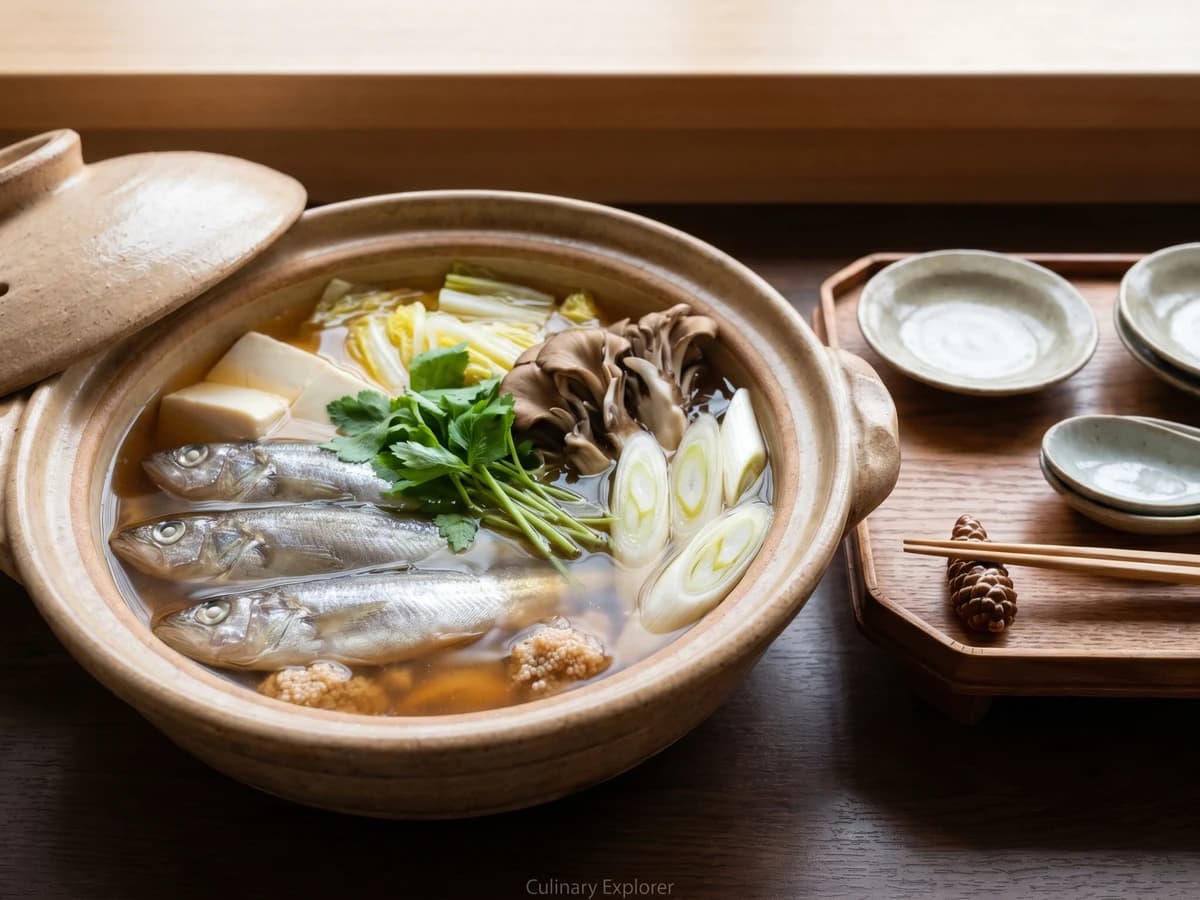
Shottsuru nabe is Akita winter in one pot: clean dashi, hatahata at shun, tofu and napa cabbage carrying a salt-deep broth without anything heavy enough to hide the fish.