
Chef Takumi
Abura Soba (油そば, brothless ramen)
Abura soba is ramen without the hiding place of soup: hot noodles, strong shōyu tare, fragrant oil, and the discipline to mix while every strand is still hot.
A cooking platform built around craft, culture, and the stories behind what we eat.

Created by
Winter daikon, grated just before serving, turns clear dashi into a bowl of quiet sleet. Keep the stock clean and warm the radish gently, and the soup stays almost weightless.
Daikon tells you the season by weight. In winter it feels dense in the hand, sweet at the shoulder, and almost snowy when grated. Mizorejiru takes that plain root and lets it fall through clear dashi like sleet, which is all the name promises. Good names do not need a committee.
The soup looks fragile, so cooks sometimes overhandle it. There is no need. Make a clean first dashi, season it lightly, and add the grated daikon at the end. That last moment is the one detail that decides the dish: boil the daikon and it turns dull and cloudy; warm it gently and it stays bright, soft, and faintly sweet.
This is a winter clear soup, the kind of bowl that sits quietly beside rice and one or two small dishes, or opens a dinner party without announcing itself. The daikon is not a garnish and not a thickener. It is the season made visible. Nothing hidden, nothing heavy, just broth clear enough to show you whether you cared.
Use the upper or middle part of the daikon if you can. The tip is sharper, useful elsewhere, but here we want the gentle part. Grate close to serving, drain only the loose water, and leave the little white grains intact. Japanese food is often called difficult at the very moment it is asking for restraint.
The word mizore means sleet, and Japanese cooks use it for dishes where grated daikon turns broth or sauce into a white winter scatter, as in mizore-ni and mizore-ae. Daikon was already ordinary in Edo-period cookery; Ryōri Monogatari, published in 1643, treats radishes among the vegetables of the everyday table. Mizorejiru keeps that language visible, with grated daikon falling through pale dashi rather than being hidden in a sauce.
Quantity
1 piece (about 10g)
Quantity
4 1/2 cups
to yield about 4 cups dashi
Quantity
20g
Quantity
300g
peeled, preferably from the upper or middle section
Quantity
150g
cut into 1/2-inch cubes
Quantity
1 tablespoon
Quantity
1 teaspoon
Quantity
3/4 teaspoon, plus more to taste
Quantity
4 small sprigs
cut into 2-inch lengths
Quantity
1 small strip
cut into 4 fine slivers
| Ingredient | Quantity |
|---|---|
| konbu (dried kelp) | 1 piece (about 10g) |
| cold waterto yield about 4 cups dashi | 4 1/2 cups |
| katsuobushi (bonito flakes) | 20g |
| daikonpeeled, preferably from the upper or middle section | 300g |
| silken tofucut into 1/2-inch cubes | 150g |
| sake | 1 tablespoon |
| usukuchi (light soy sauce) | 1 teaspoon |
| sea salt | 3/4 teaspoon, plus more to taste |
| mitsuba (optional)cut into 2-inch lengths | 4 small sprigs |
| yuzu peel (optional)cut into 4 fine slivers | 1 small strip |
Wipe the konbu with a damp cloth, but don't wash it. That pale dust on the surface is flavor, not dirt. Put the konbu in the cold water and, if you have 30 minutes, let it sit before heating. Bring it up slowly over low heat until the water trembles and small bubbles climb the sides of the pot, 10 to 12 minutes. Lift the konbu out before the water boils. A rolling boil pulls bitterness and slickness from the kelp, and this soup has nowhere to hide it.
Bring the water to a gentle boil after the konbu is out. Add the katsuobushi all at once, turn off the heat, and leave the pot alone for 2 to 3 minutes, until the flakes sink. Don't stir. Stirring makes a rougher stock, and the flavor you want here is clean, not loud.
Strain the dashi through a fine-mesh strainer lined with a clean cloth or sturdy paper towel. Let it drip naturally. Don't squeeze the flakes, because squeezing presses out strong, oily flavors and clouds the stock you just took such care to keep clear.
Grate the peeled daikon on an oroshigane, a Japanese grater, or on the fine holes of a box grater. Gather the grated daikon in a small sieve and let it drain for 2 or 3 minutes. Don't press it dry. The loose water would thin the soup, but a little moisture keeps the grated daikon soft enough to float like sleet.
Measure 4 cups of dashi into a clean pot. Add the sake, usukuchi, and salt, then bring it to a bare simmer for 1 minute so the sake loses its raw edge. Taste the broth. It should be lightly salted but not sharp, a little more seasoned than plain stock because the tofu and daikon will soften it.
Slide the tofu cubes into the seasoned dashi and warm them gently for 1 to 2 minutes. Keep the broth quiet. Hard bubbling breaks the tofu and makes the bowl look careless, which is a great deal of trouble to cause with very little effort.
Lower the heat so the broth is barely moving. Stir in the grated daikon and warm it for 30 to 60 seconds, just until the white grains are suspended and heated through. Do not boil it. Long boiling dulls the daikon, collapses its snowy texture, and turns clear soup into cloudy soup for no good reason.
Ladle the soup into warmed lidded bowls, filling them only about two-thirds full. Set mitsuba and one sliver of yuzu peel on each bowl. Cover the bowls if carrying them to the table, because the first lift of the lid gives you the yuzu scent. Serve while the daikon still drifts through the broth.
1 serving (about 350g)
Culinary guides, cultural storytelling, and the editorial depth that makes cooking meaningful.
Discover Culinary ExplorerChef Takumi
Abura soba is ramen without the hiding place of soup: hot noodles, strong shōyu tare, fragrant oil, and the discipline to mix while every strand is still hot.
Chef Takumi
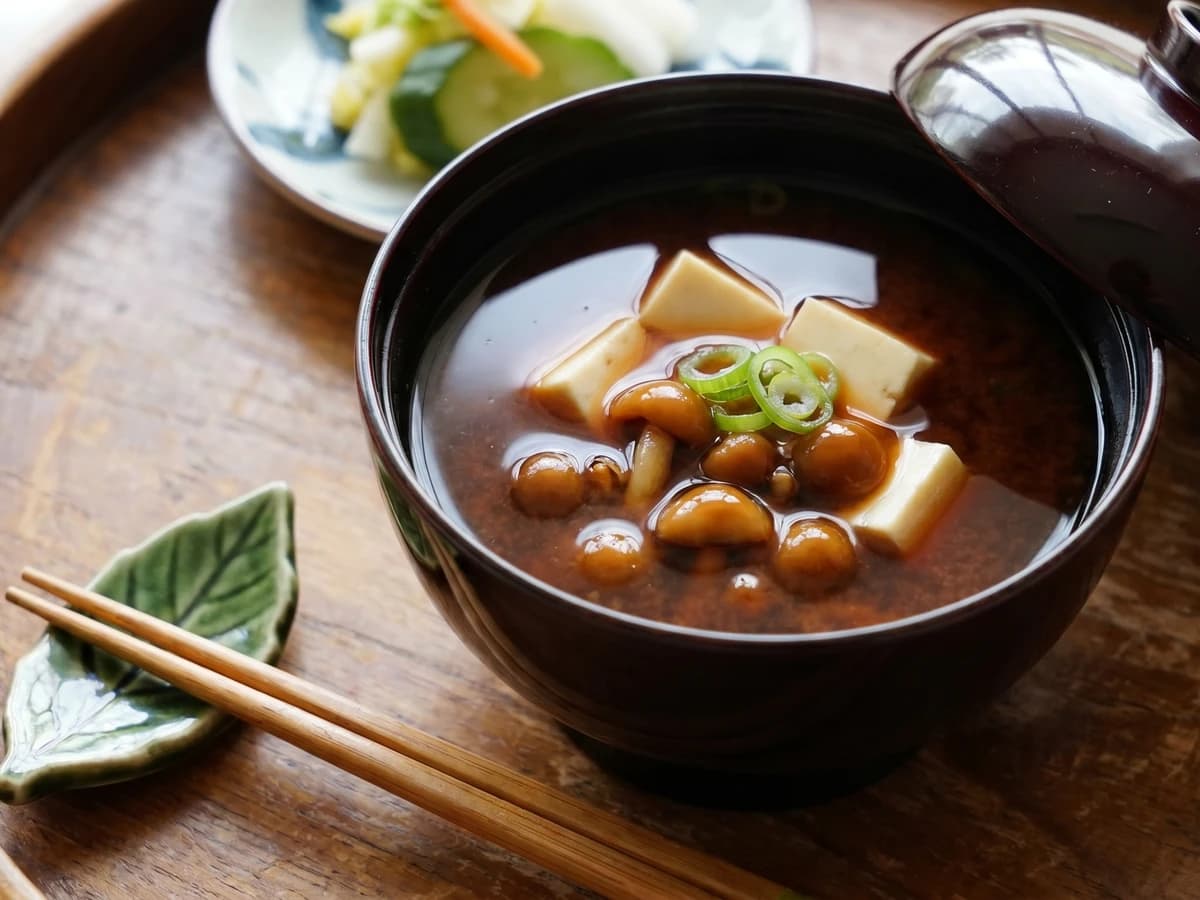
Akadashi asks you to trust the dark miso. Build a clear dashi, loosen the Hatchō mame-miso gently, and the soup turns coffee-dark, savory, and clean.

Chef Takumi
Toast the rice until its skin is firm, then let it meet chicken broth, burdock, maitake, and seri. The pot looks grand, but the work is rice, broth, and patience.
Chef Takumi
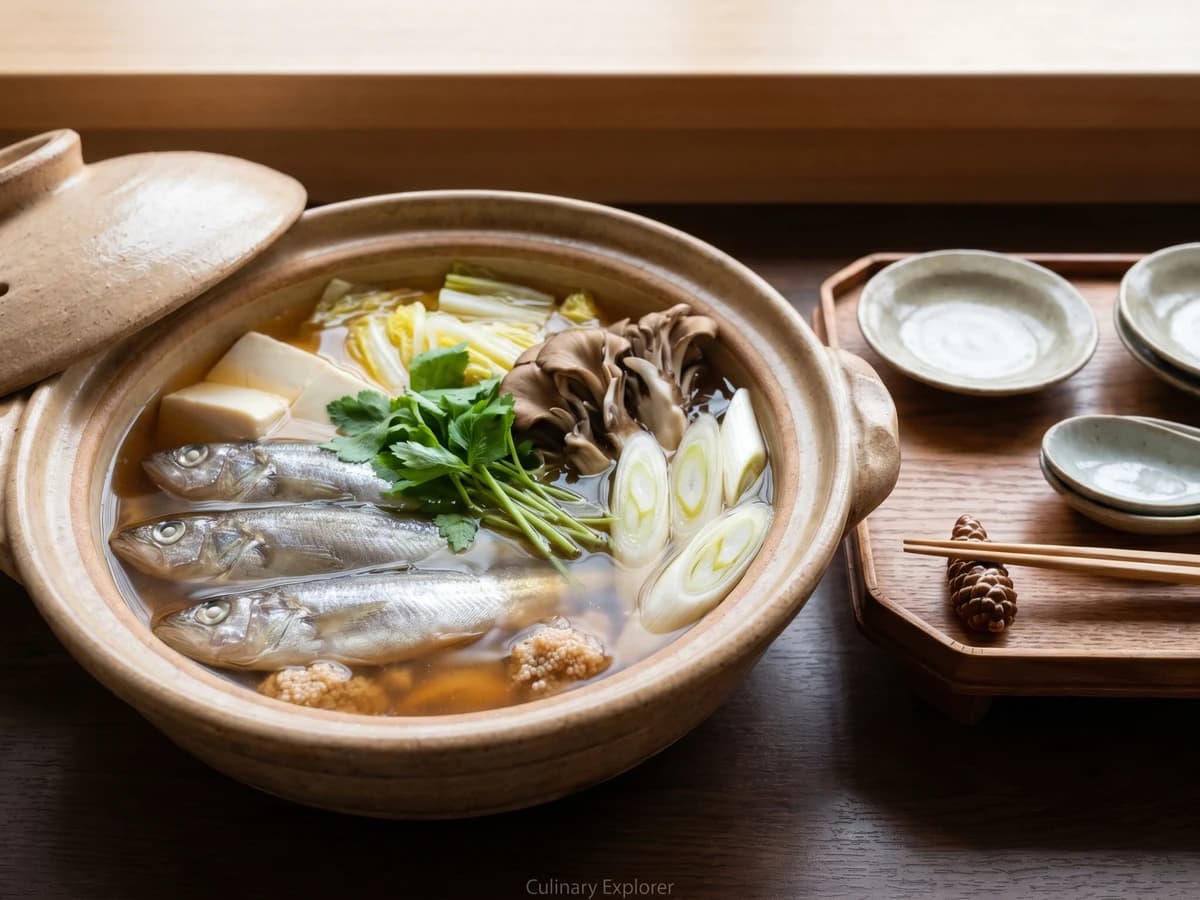
Shottsuru nabe is Akita winter in one pot: clean dashi, hatahata at shun, tofu and napa cabbage carrying a salt-deep broth without anything heavy enough to hide the fish.