Chef Takumi
Aichi Red-Miso Glaze (赤味噌田楽味噌, Akamiso Dengaku-miso)
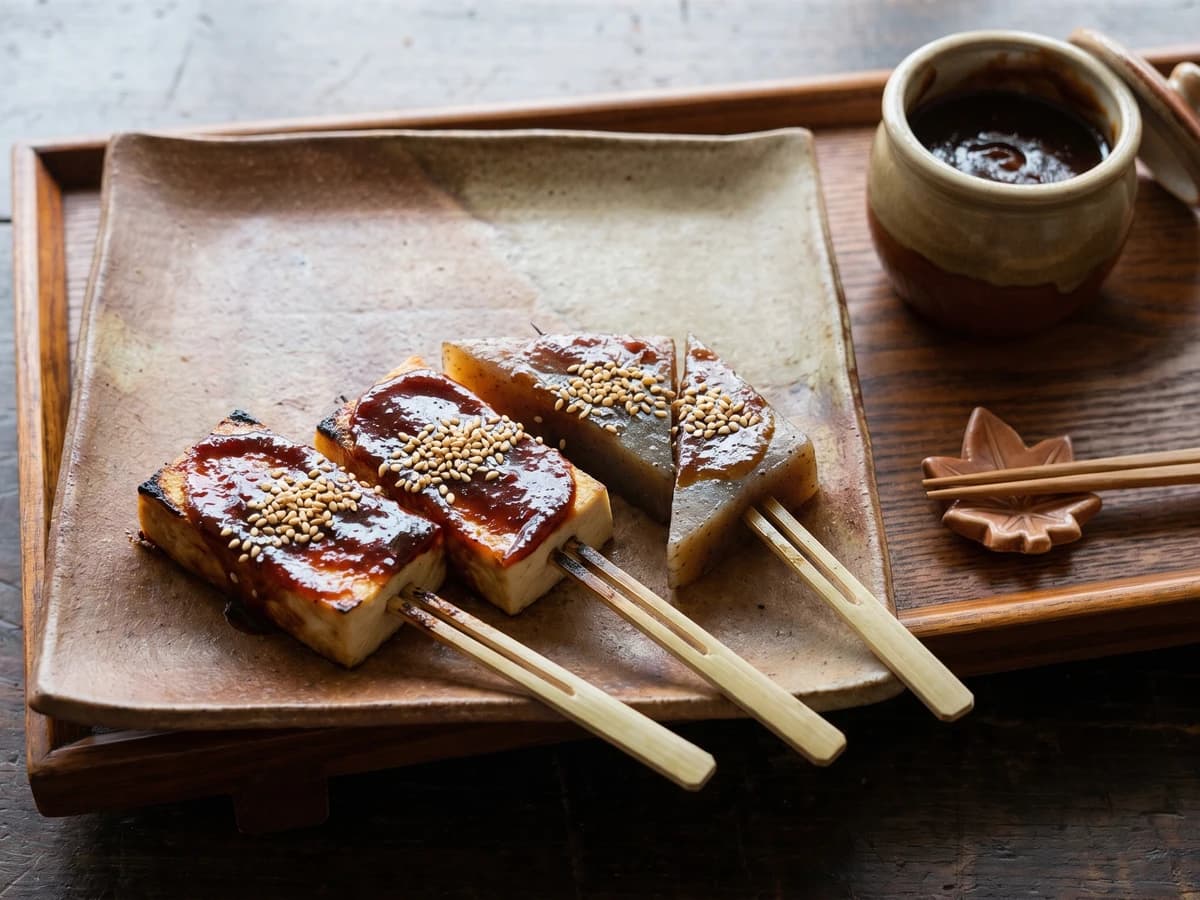
Akamiso dengaku-miso is plain work: bean miso, sweetness, sake, and patient stirring until the glaze turns dark, glossy, and thick enough to cling to the grill.

Updated June 3, 2026
Washoku's pre-cooking flavor builders, taught as the bases themselves: the Saikyō miso bed, the kasu and koji marinades, the citrus yūan-ji, and the neri-miso paste family that brushes onto grilled tofu, vegetables, and fish. Learn one base, use it for years.
A cooking platform built around craft, culture, and the stories behind what we eat.
Chef Takumi
Akamiso dengaku-miso is plain work: bean miso, sweetness, sake, and patient stirring until the glaze turns dark, glossy, and thick enough to cling to the grill.

Chef Takumi
Sweet white miso, sake, mirin, and egg yolk cook into a pale, fragrant glaze that belongs on grilled tofu and vegetables, light enough to show what sits beneath it.

Chef Takumi
Saikyō miso doko is not a sauce to hide fish under. It is a quiet bed of sweet white miso, sake, and mirin that seasons by patience.

Chef Takumi
A miso bed asks for patience, not difficulty. Salt the vegetables lightly, keep the paste clean and cool, and by morning it gives you crisp pickles with deep, quiet savor.

Chef Takumi
Sake lees look stubborn at first, then soften into one of the most generous beds in the Japanese kitchen: fragrant, pale, gently sweet, and patient enough to season while you do nothing.

Chef Takumi
When yuzu arrives in November, use the peel first. Its fragrance turns a quiet white miso base into a winter sauce for tofu, daikon, and konnyaku.

Chef Takumi
Tamamiso is the quiet mother paste behind many miso sauces: white miso, yolk, sake, sugar, and dashi warmed slowly until glossy, ready for vinegar, yuzu, or spring kinome.

Chef Takumi
Three ingredients, one jar, and a week of patience. Shio-kōji quietly turns rice kōji and salt into a sweet-savory seasoning that does more than salt alone.
Chef Takumi
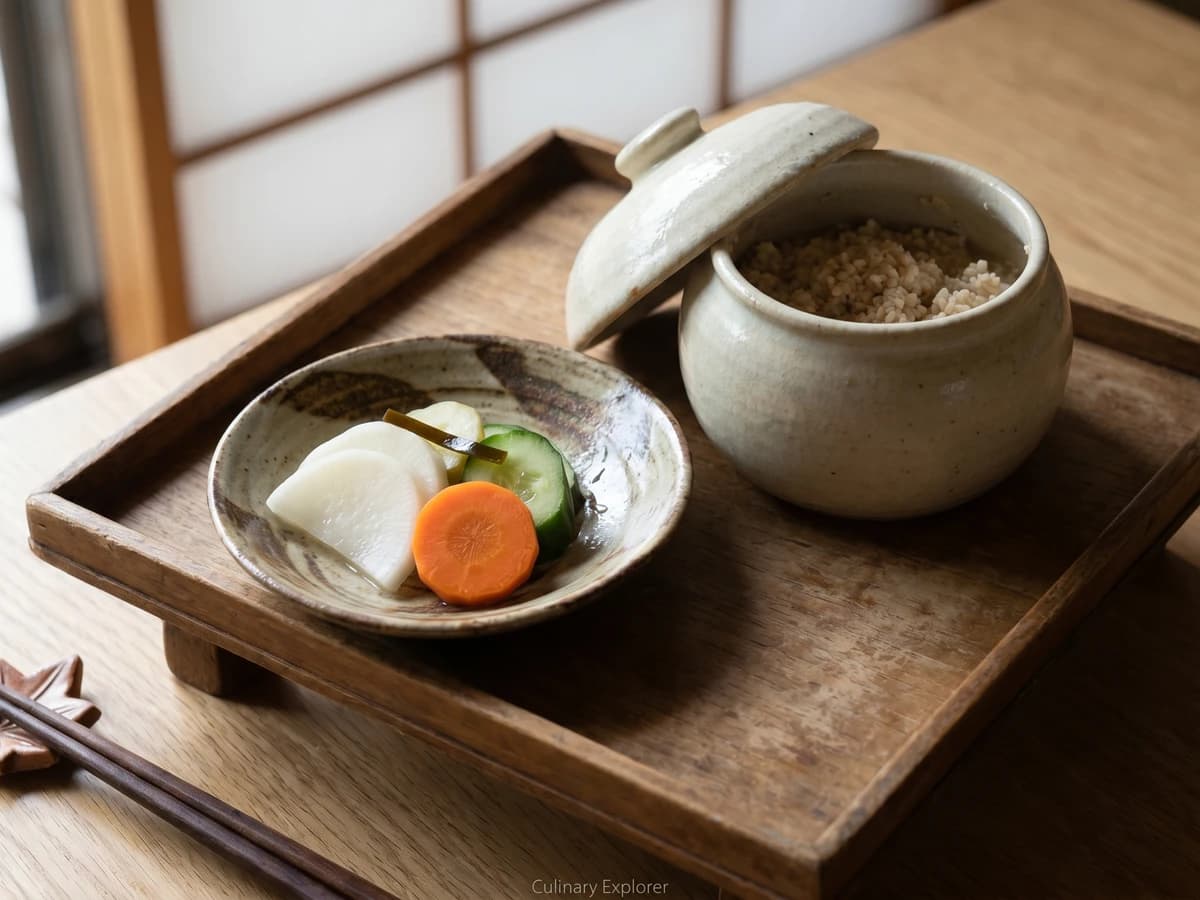
A pickle bed doesn't ask for mystery. Salt steadies it, koji sweetens it, rice feeds it, and the vegetables you bury inside come out seasoned all the way through.

Chef Takumi
Soy sauce and rice koji need no drama: stir them together, keep them covered, and let a week of quiet fermentation turn salt into depth.

Chef Takumi
Equal parts shōyu, sake, and mirin, brightened by yuzu. Yūan-ji asks only one discipline: marinate briefly, so the fish tastes seasoned, not cured.

Chef Takumi
Half miso for body, half sake lees for fragrance. This quiet Hokuriku bed seasons fish, vegetables, and chicken while asking only that you keep time and salt in balance.

Chef Takumi
Kinome-miso is spring made useful: young sansho leaves ground fine and folded into sweet white miso, a small green paste that turns bamboo shoots, fish, or tofu into the season.
Culinary guides, cultural storytelling, and the editorial depth that makes cooking meaningful.
Discover Culinary ExplorerChef Takumi is a fictional culinary guide to Japanese Washoku Cuisine, written with the assistance of AI.