Culinary Explorer
A cooking platform built around craft, culture, and the stories behind what we eat.
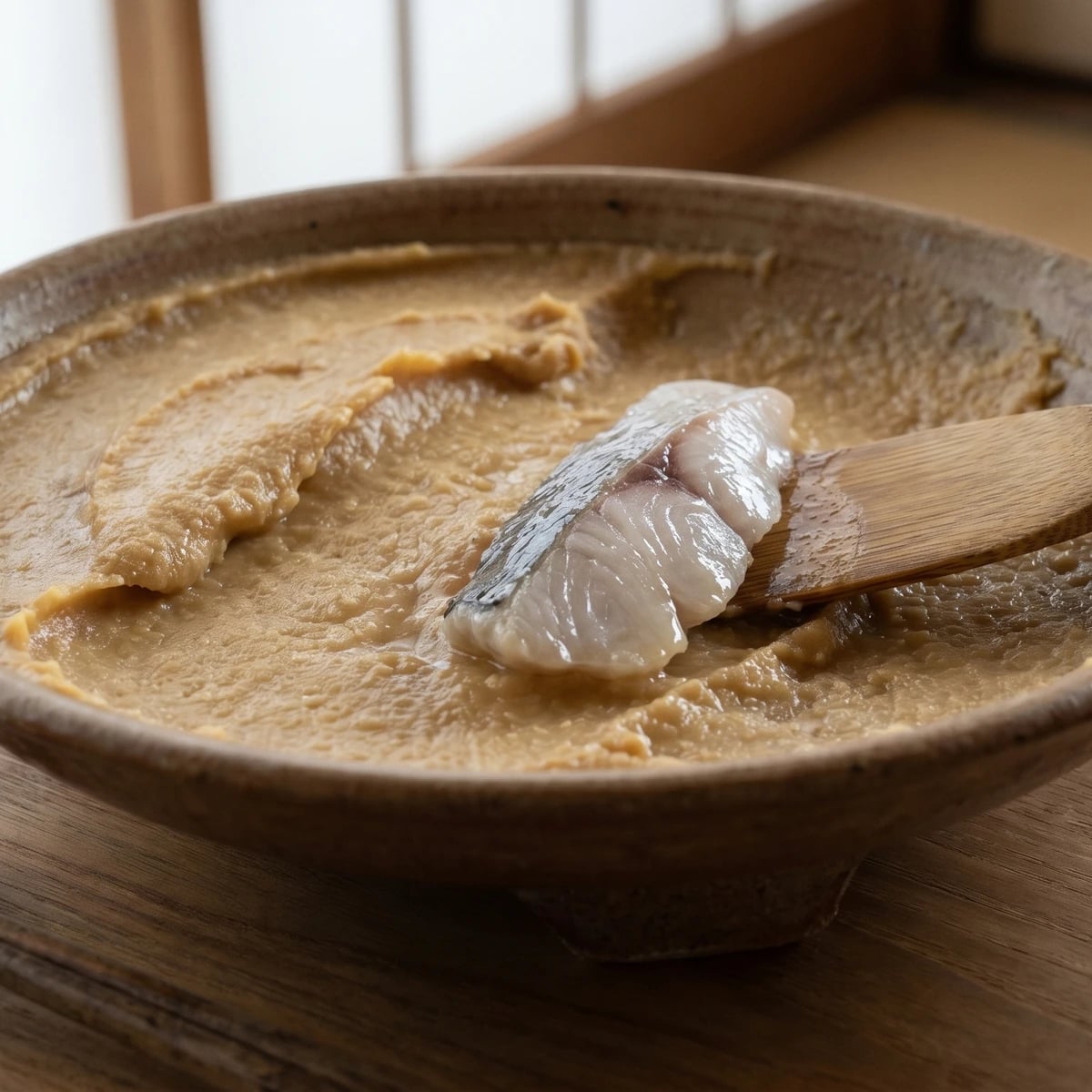
Miso and Sake-Lees Marinade Bed (味噌粕床, Misokasu Doko)
Created by Chef Takumi
Half miso for body, half sake lees for fragrance. This quiet Hokuriku bed seasons fish, vegetables, and chicken while asking only that you keep time and salt in balance.
A marinade bed looks more severe than it is. The word doko means a bed, and that is exactly how we use it: spread, tuck the ingredient inside, and let time do the careful work.
Misokasu doko sits between two preserving habits, misozuke and kasuzuke. Miso gives salt, body, and a steady sweetness. Sake lees, kasu, gives fragrance, faint alcohol, and that soft rice-brew aroma you cannot fake with more sugar. Use equal weights and the two keep each other honest. Too much miso grows heavy. Too much kasu can turn sharp and boozy, like a guest who has mistaken the hour.
The one detail that decides it is moisture. Salt fish or watery vegetables first, then blot them dry before they enter the bed. If you put wet ingredients straight into the paste, the doko loosens, the seasoning turns muddy, and the surface flavors more than the center. Wrap delicate fish in gauze if you have it. The paste seasons through the cloth, and you don't have to scrape good flesh raw to get it clean.
This is make-ahead food in the best sense. A small piece of yellowtail in winter, a few turnips in spring, a chicken thigh for tomorrow's supper: each comes out tasting more itself, not hidden. That is the point of honmono. The bed does not cover the ingredient. It steadies it.
Ingredients
miso, preferably white miso or mild awase miso
Quantity
300g
sake kasu (sake lees)
Quantity
300g
softened
mirin
Quantity
3 tablespoons
| Ingredient | Quantity |
|---|---|
| miso, preferably white miso or mild awase miso | 300g |
| sake kasu (sake lees)softened | 300g |
| mirin | 3 tablespoons |
Where cooking meets culture.
Culinary guides, cultural storytelling, and the editorial depth that makes cooking meaningful.
Discover Culinary Explorer