
Chef Takumi
Ago Dashi (あごだし, grilled flying fish stock)
Ago dashi is quiet luxury: roasted flying fish, konbu, and patient water. Steep it slowly and you get a clear stock that tastes sweet, clean, and full without heaviness.
A cooking platform built around craft, culture, and the stories behind what we eat.
Created by
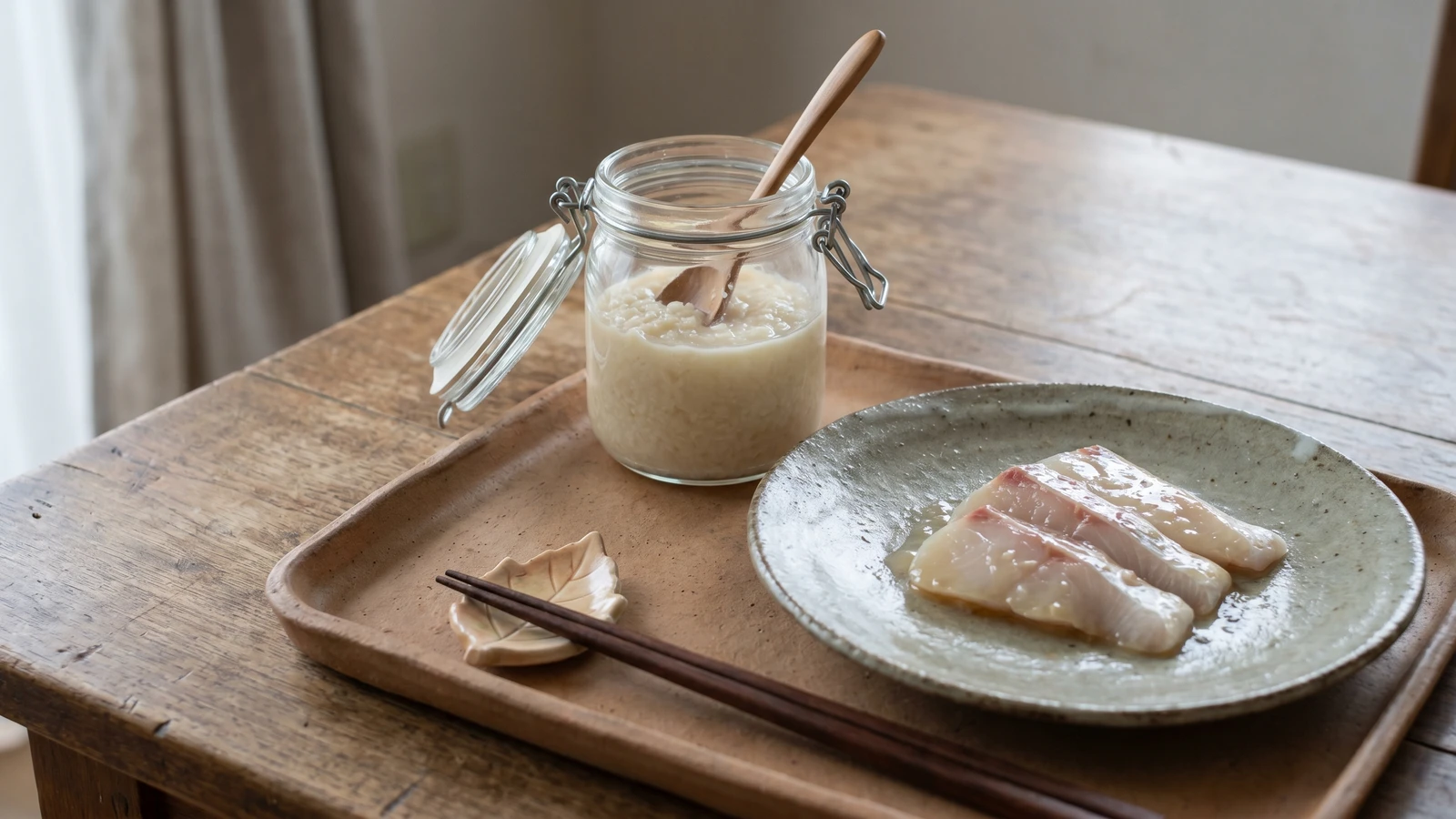
Three ingredients, one jar, and a week of patience. Shio-kōji quietly turns rice kōji and salt into a sweet-savory seasoning that does more than salt alone.
Shio-kōji looks too plain to be powerful. Rice kōji, salt, water. Stir them in a jar, wait a week, and you have one of the most useful seasonings we keep near the stove. It is not difficult, only a little unfamiliar, which is how many good things begin.
The first secret is the rice kōji. Kōji is rice cultivated with Aspergillus oryzae, a benevolent mold that brings enzymes to the work. Those enzymes soften proteins and draw sweetness from starch, so a thin coat of shio-kōji can season a piece of fish or chicken all the way through while keeping it tender. Salt alone seasons. Shio-kōji seasons and persuades.
The detail that decides it is the salt ratio. Too little salt and the jar spoils before it ripens. Too much and the kōji cannot work well. Keep the salt at about one-third the weight of the dried kōji, stir daily while it wakes, and stop when the grains soften and the aroma turns gently sweet, like warm rice and miso without the heaviness.
Use it with restraint. A teaspoon or two on a fillet overnight is enough, then wipe off the excess before cooking because the rice grains brown quickly. Nothing hidden here, no heavy sauce rescuing tired food. Shio-kōji is best when it protects a good ingredient at its shun, its prime, and lets you taste more of what was already there.
Kōji-based seasonings have been part of Japanese food culture for centuries through miso, soy sauce, sake, and pickling beds, but shio-kōji became widely visible as a household seasoning in Japan during the early twenty-first century. Its modern boom is often linked to Ōita Prefecture, where kōji makers and home cooks promoted it as a practical way to bring fermentation back into everyday meals. The preparation is old in principle and modern in its current popularity: salt, kōji, and water turned into a seasoning jar for ordinary kitchens.
Quantity
200g
Quantity
60g
Quantity
250ml
room temperature, plus more as needed
| Ingredient | Quantity |
|---|---|
| dried rice kōji | 200g |
| fine sea salt | 60g |
| waterroom temperature, plus more as needed | 250ml |
Break up the dried rice kōji with clean hands until the grains separate. You are giving the salt and water more surface to reach, which helps the jar ferment evenly instead of leaving dry pockets.
Add the salt and rub it through the kōji until every grain feels lightly coated. This is not busywork. The salt guards the mixture while the kōji ripens, keeping the fermentation clean rather than wild in the wrong direction.
Stir in the water until the grains are just covered, then scrape everything into a clean jar. Leave a little headroom. The kōji will absorb water during the first day, and a crowded jar makes stirring a chore, which is how people start skipping the one step that matters.
Cover the jar loosely and keep it at cool room temperature, out of direct sun, for 7 to 10 days. Stir once a day with a clean spoon. The daily stir brings oxygen through the paste, evens the salt, and prevents the top from drying while the grains soften.
The shio-kōji is ready when the grains crush easily between your fingers and the aroma is sweet, salty, and gently fermented, not sharp or rotten. It should taste rounded and savory, with a soft rice sweetness under the salt.
Tighten the lid and refrigerate. Use 1 to 2 teaspoons for a small fish fillet, 1 tablespoon for a chicken thigh, or enough to coat vegetables thinly. Wipe off excess before grilling or pan-cooking because the rice and sugars brown fast.
1 serving (about 15g)
Culinary guides, cultural storytelling, and the editorial depth that makes cooking meaningful.
Discover Culinary ExplorerChef Takumi
Ago dashi is quiet luxury: roasted flying fish, konbu, and patient water. Steep it slowly and you get a clear stock that tastes sweet, clean, and full without heaviness.
Chef Takumi
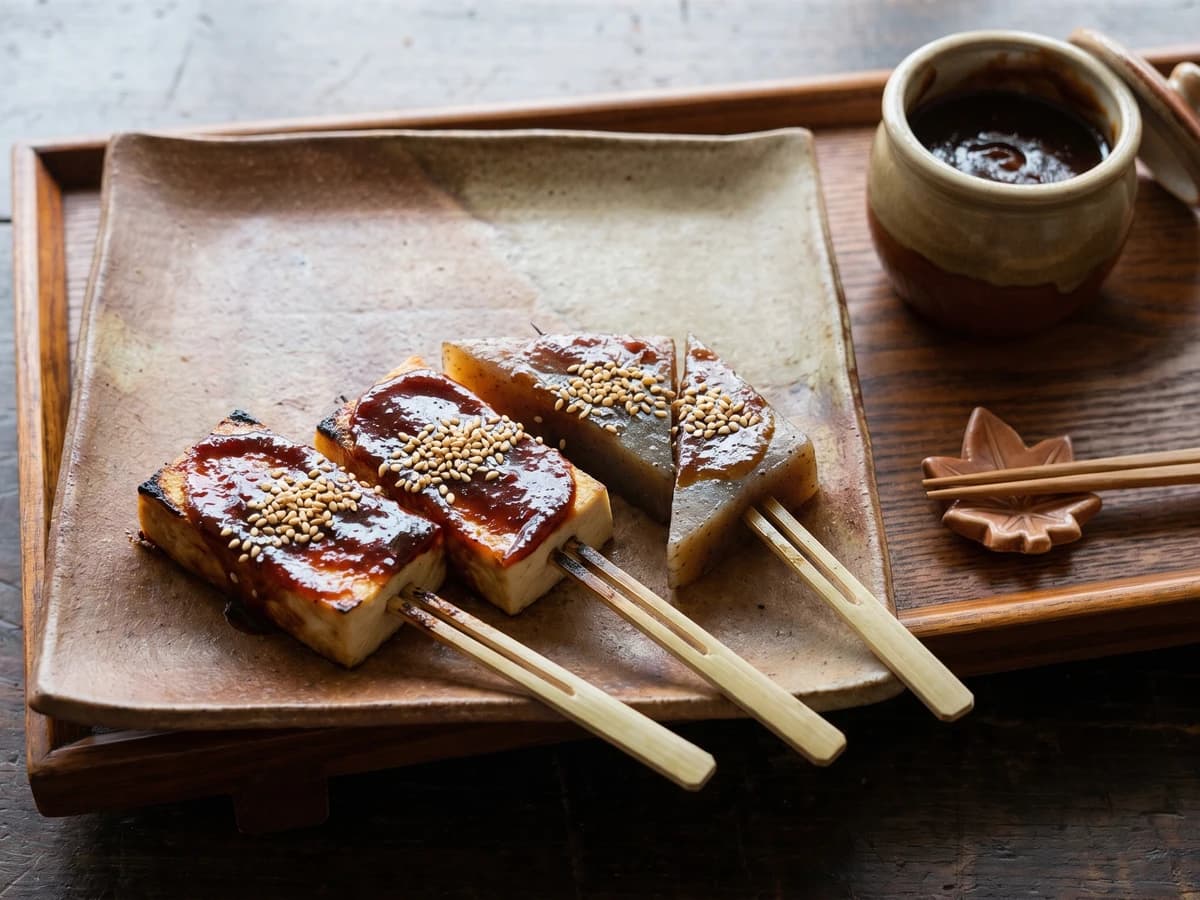
Akamiso dengaku-miso is plain work: bean miso, sweetness, sake, and patient stirring until the glaze turns dark, glossy, and thick enough to cling to the grill.
Chef Takumi
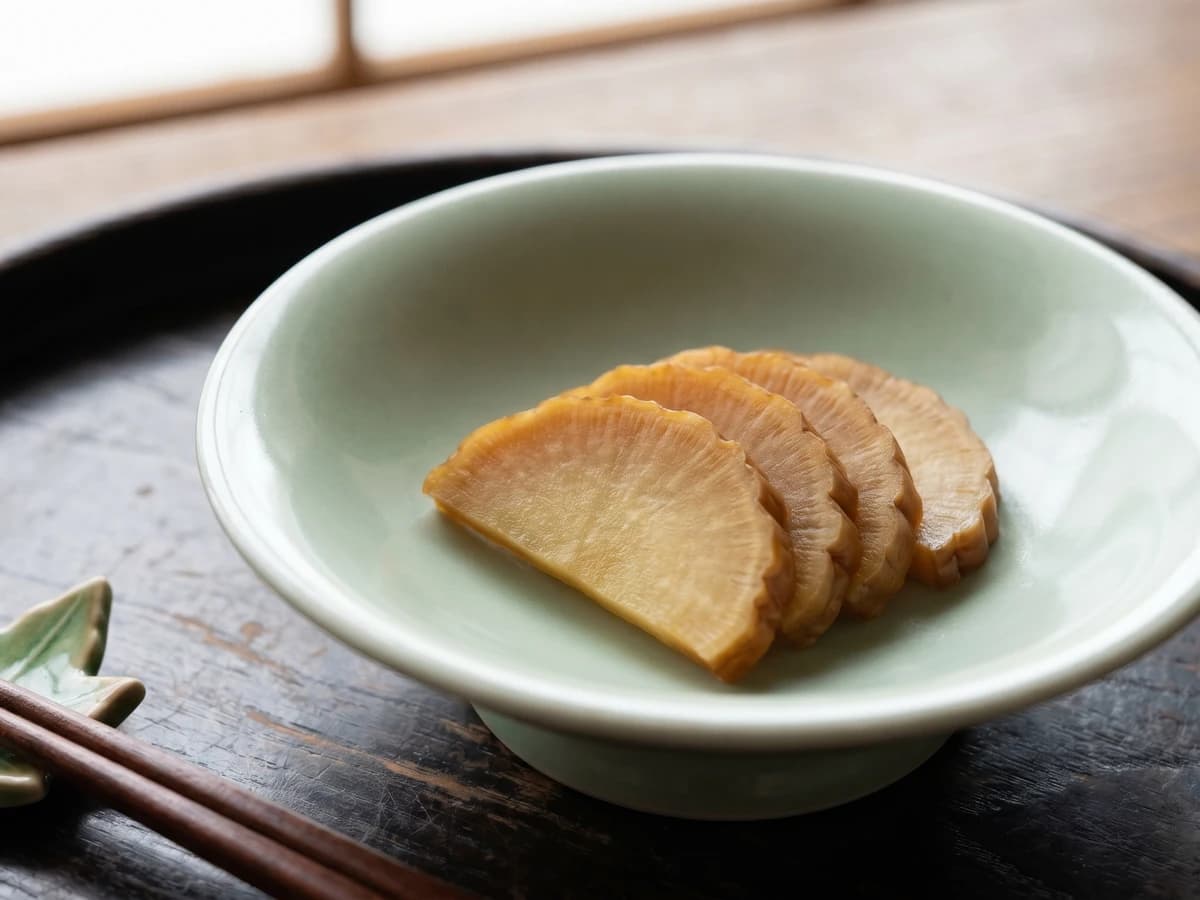
Snow-country takuan begins with smoke. Hang the daikon, dry it gently, then let rice bran, salt, and time turn it into Akita's amber pickle.

Chef Takumi
Aso takanazuke is spring caught in salt: sharp mustard greens pressed until they soften, fermented until their edge turns round, then fried briefly with sesame for rice.