Chef Takumi
Grated Ginger (おろし生姜, Oroshi Shōga)
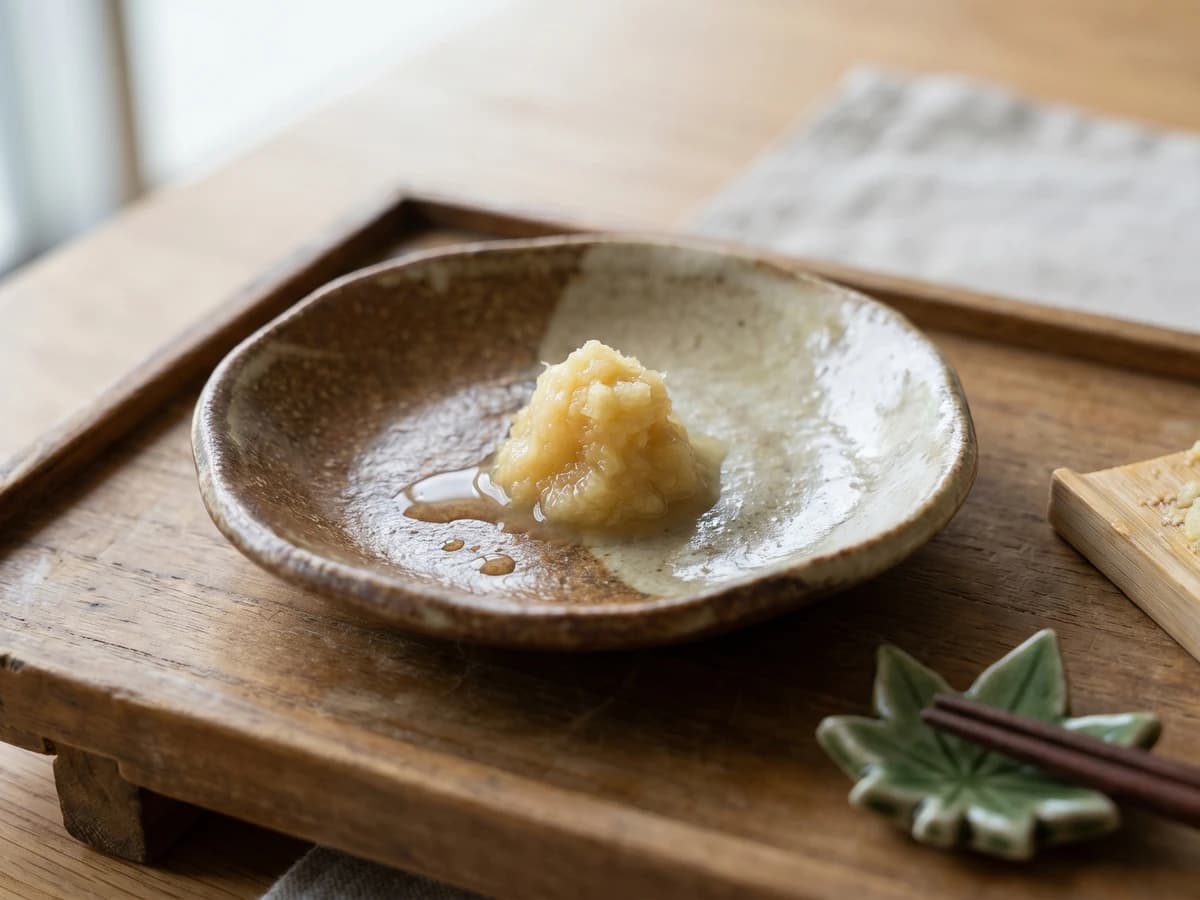
Oroshi shōga is not a sauce to hide behind. It is fresh ginger grated fine, squeezed only if needed, and served as a small bright heap beside the food.

Updated June 3, 2026
The stocks and sauces washoku rests on. Ichiban dashi (konbu and katsuobushi), niban dashi (the second pull), shojin konbu-and-shiitake dashi for the meatless table, niboshi for everyday miso soup, konbu alone, and Kyushu's ago dashi; the tare family (yakitori, kabayaki, teriyaki, mitarashi); kaeshi, mentsuyu, tentsuyu, ponzu, goma dare, sumiso; gin-an and bekko-an; the fresh relishes, momiji oroshi, daikon oroshi, yuzu kosho, oroshi wasabi, oroshi shoga, and neri karashi. The two foundations made reachable.
A cooking platform built around craft, culture, and the stories behind what we eat.
Chef Takumi
Oroshi shōga is not a sauce to hide behind. It is fresh ginger grated fine, squeezed only if needed, and served as a small bright heap beside the food.
Chef Takumi
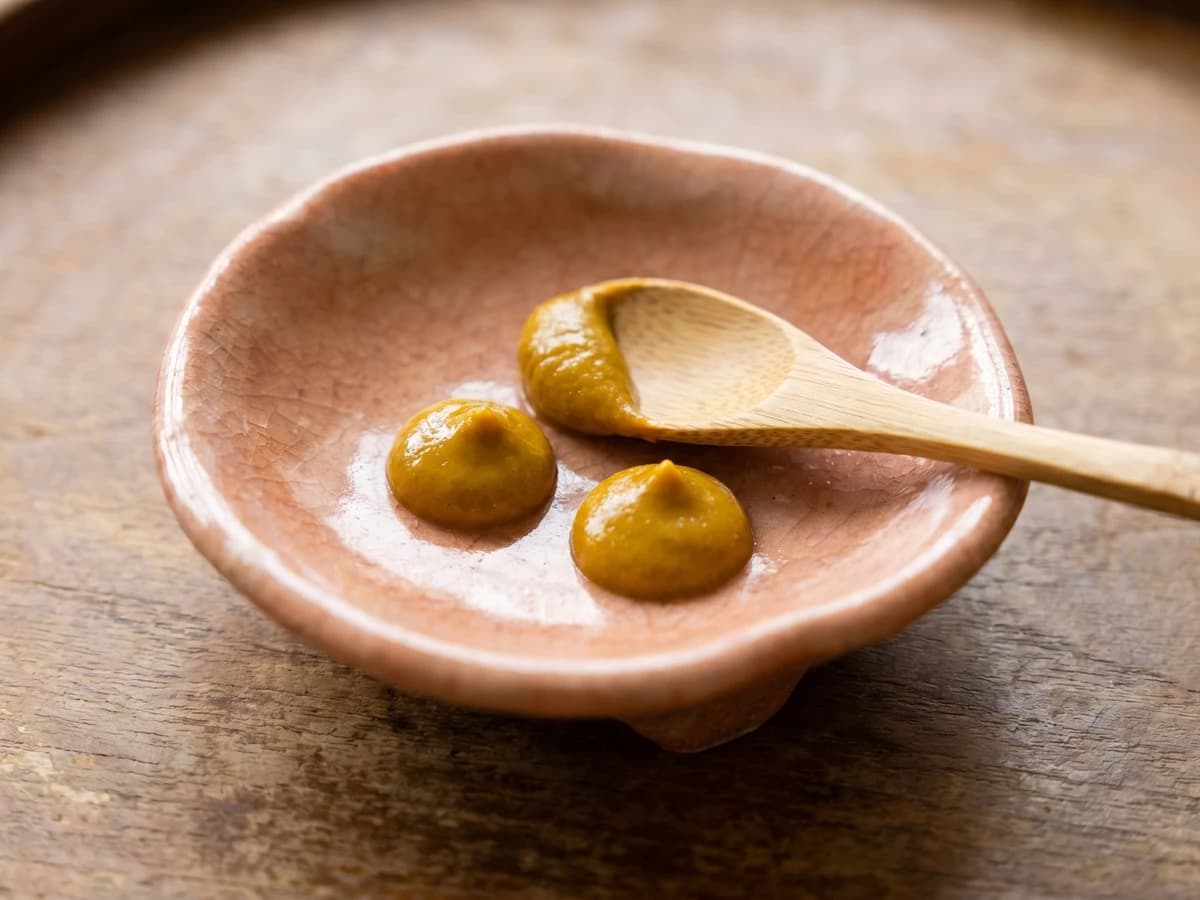
Neri karashi is only mustard powder, warm water, and a short rest. The whole character of it lives in that rest, when the heat wakes up.
Chef Takumi
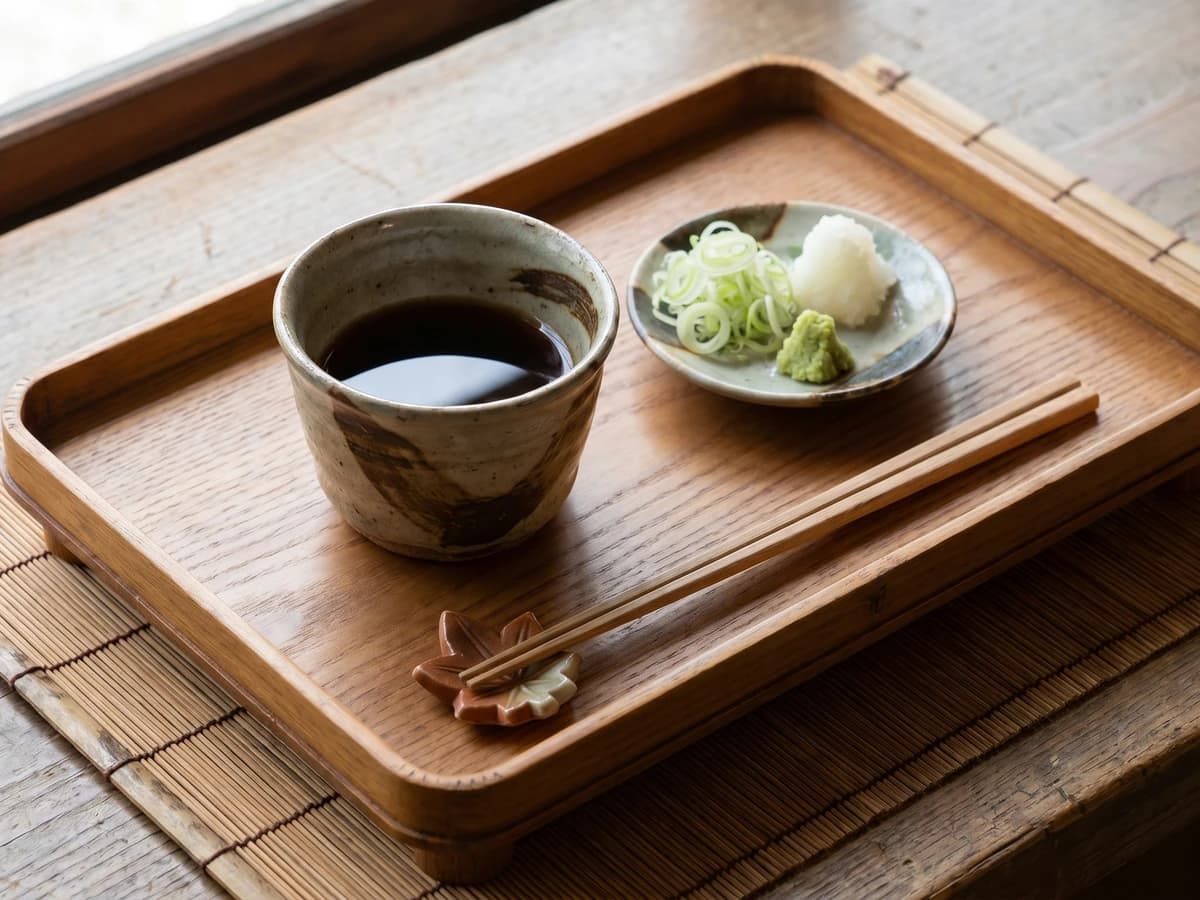
Mentsuyu is the quiet jar that makes noodles possible on a tired evening: dashi folded into soy, mirin, and sugar, concentrated enough to keep, clean enough to taste the stock.
Chef Takumi
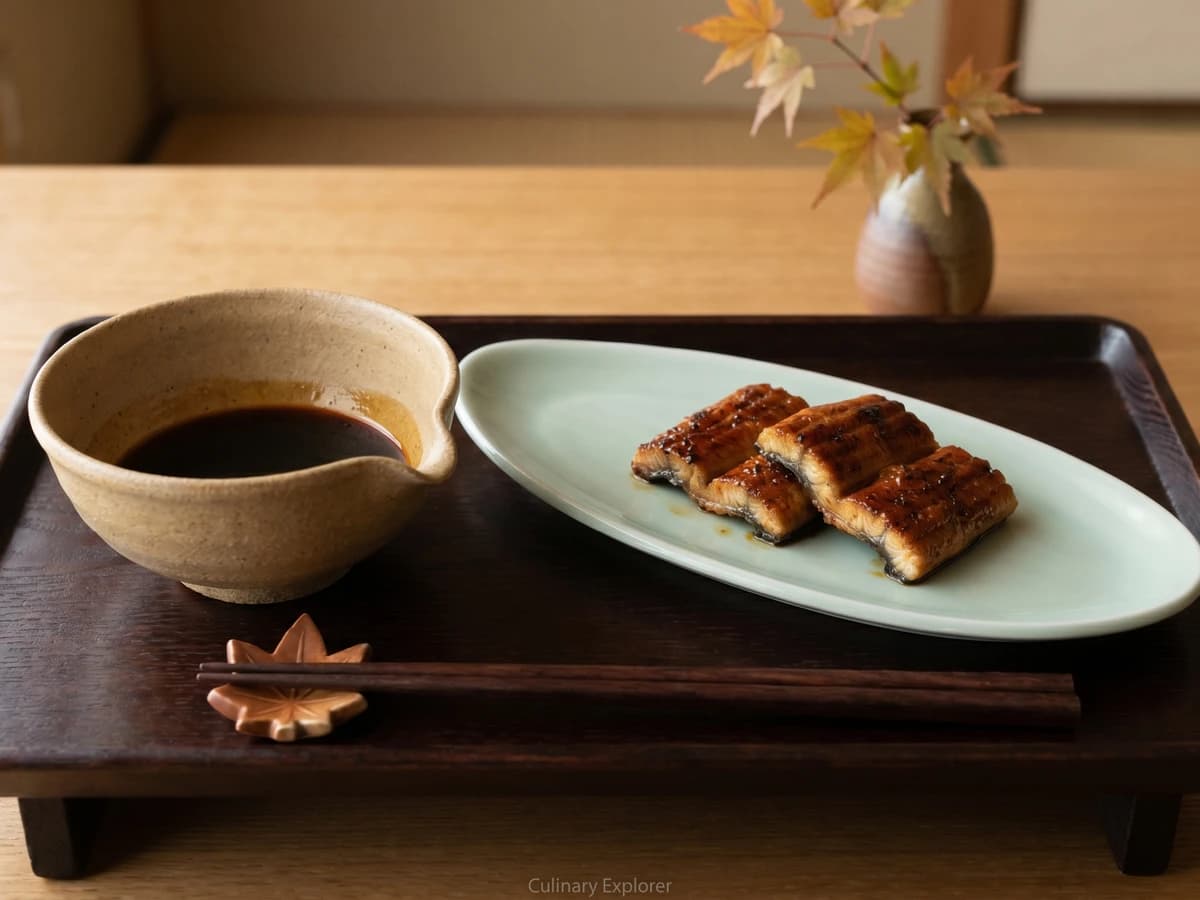
The eel glaze is only soy, mirin, sake, and sugar, but timing decides it. Reduce it gently, brush it late, and the fish wears a dark lacquer, not a burnt coat.

Chef Takumi
Rich where ponzu is sharp, goma dare is sesame made calm and useful: toasted paste, clear dashi, soy, vinegar, and enough sugar to round the edge.
Chef Takumi
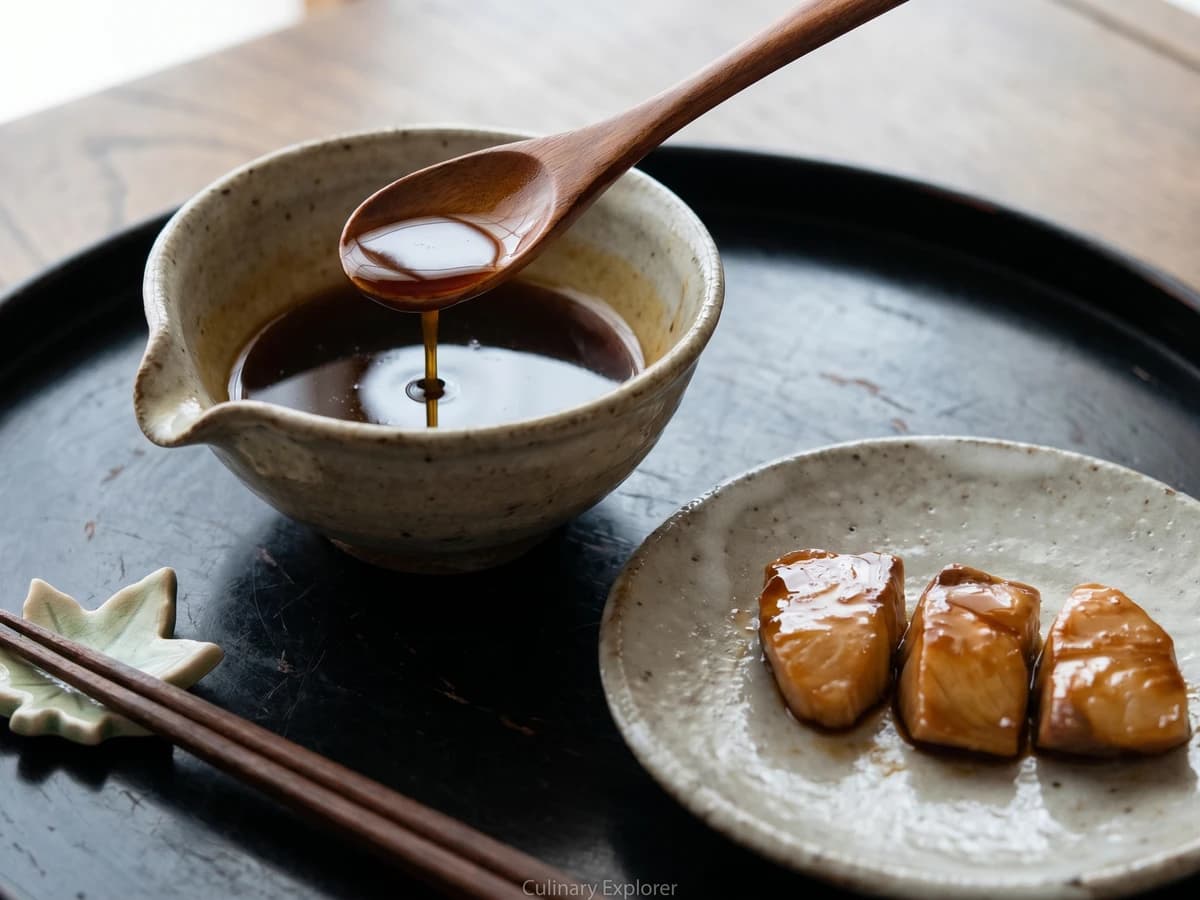
Real teriyaki sauce is not bottled sweetness. It is soy, mirin, sake, and sugar reduced only until glossy, so fish or chicken shines without being buried.
Chef Takumi
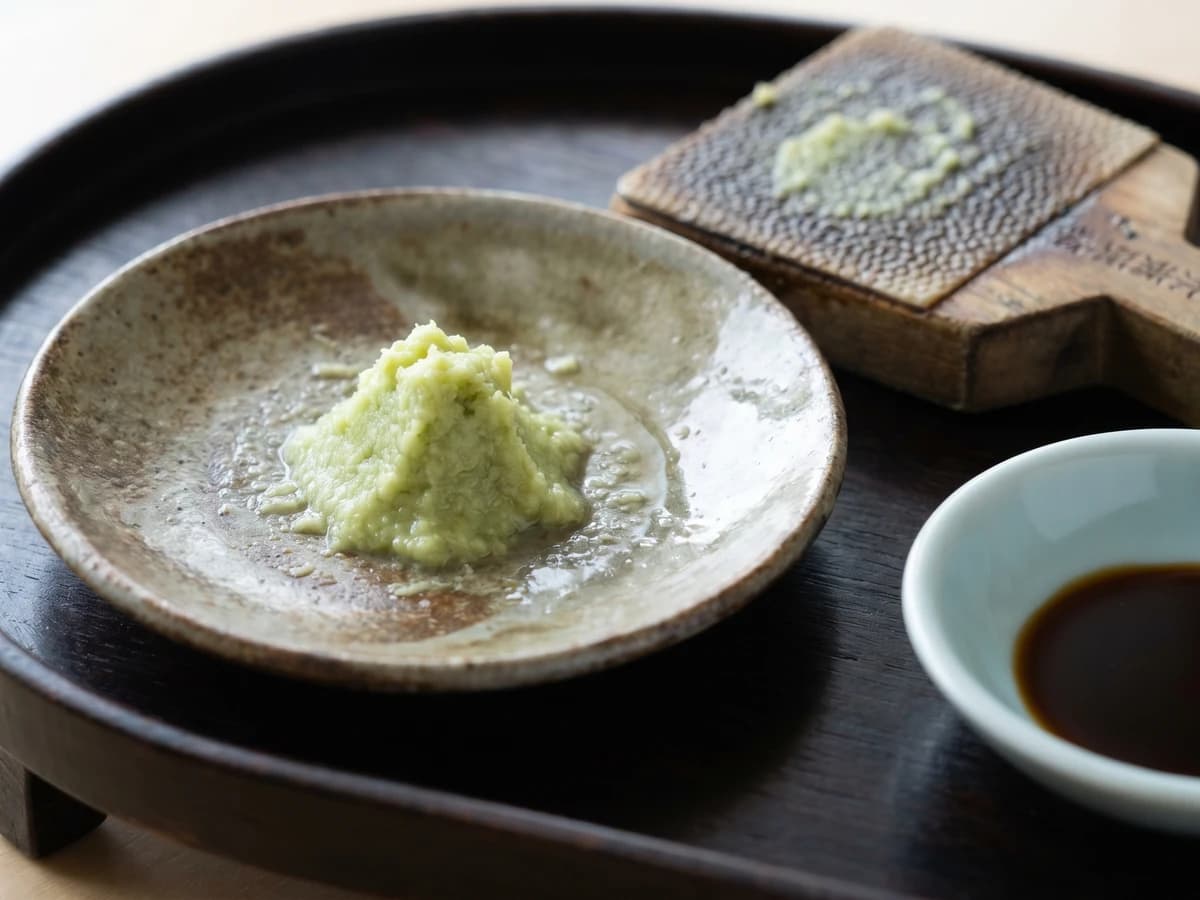
Fresh wasabi is not a trick. Choose a firm, fragrant rhizome, grate only what you need, rest it briefly, and serve before its brightness fades.
Chef Takumi
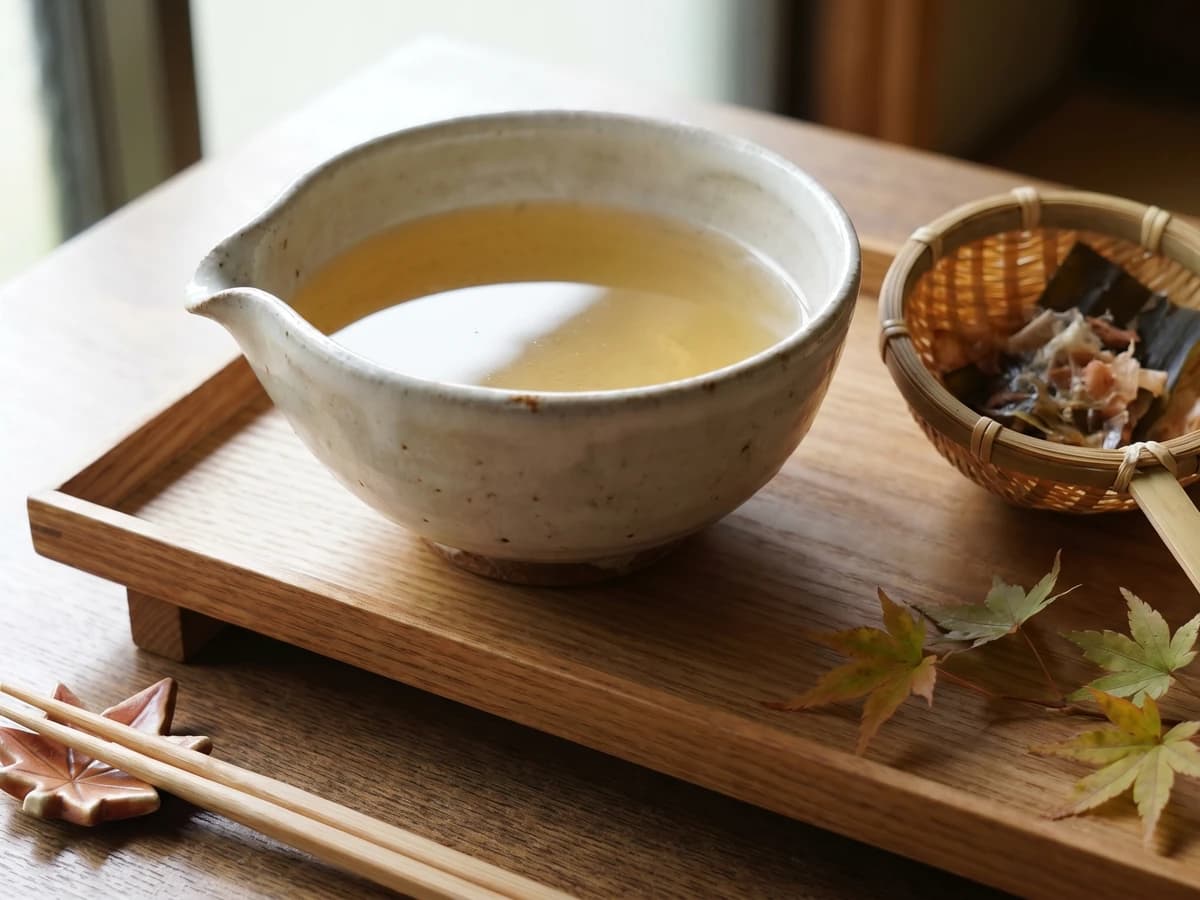
Niban dashi is thrift with standards: the second pull from konbu and bonito, less perfumed than the first stock, but round enough for simmered dishes.
Chef Takumi
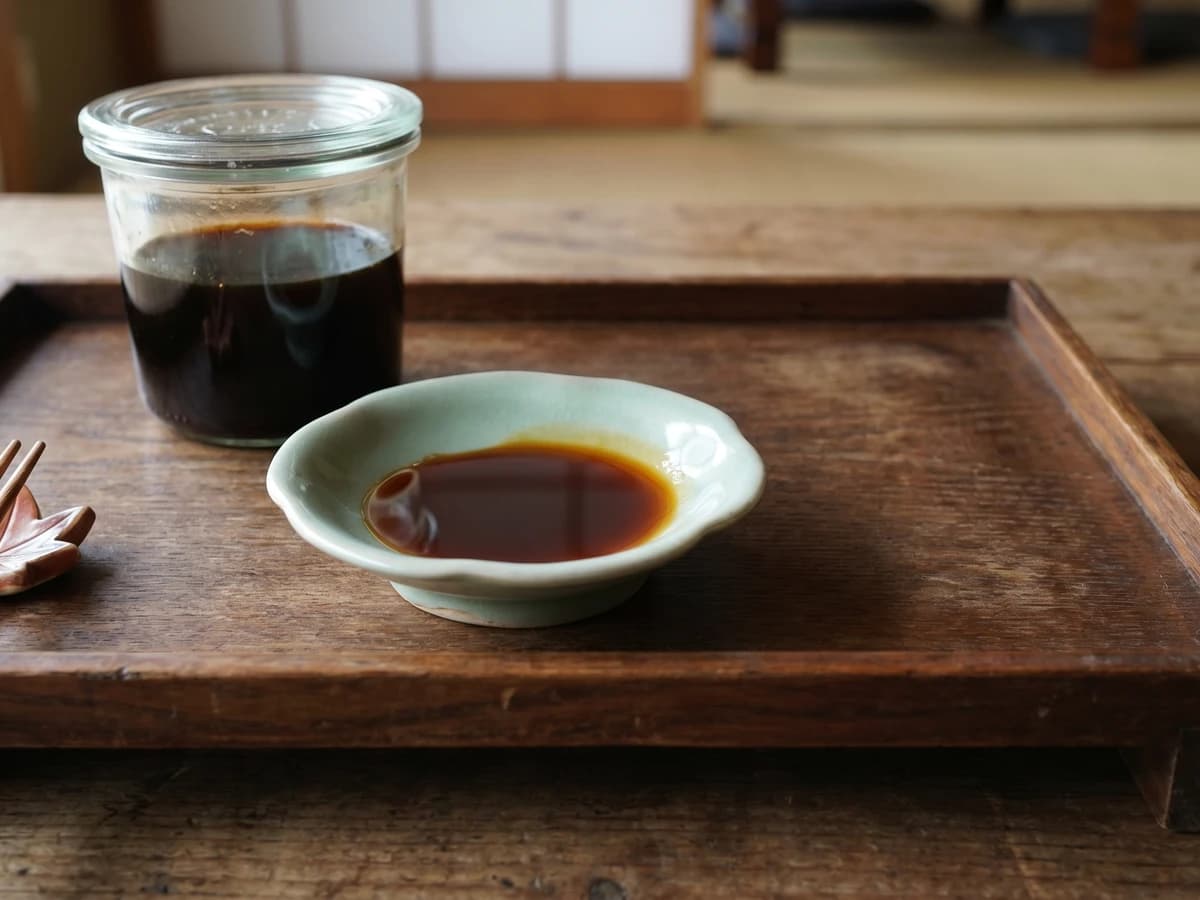
Kaeshi is not a sauce yet. It is the dark, patient base: shōyu, mirin, and sugar warmed gently, then rested until it is ready to meet dashi.
Chef Takumi
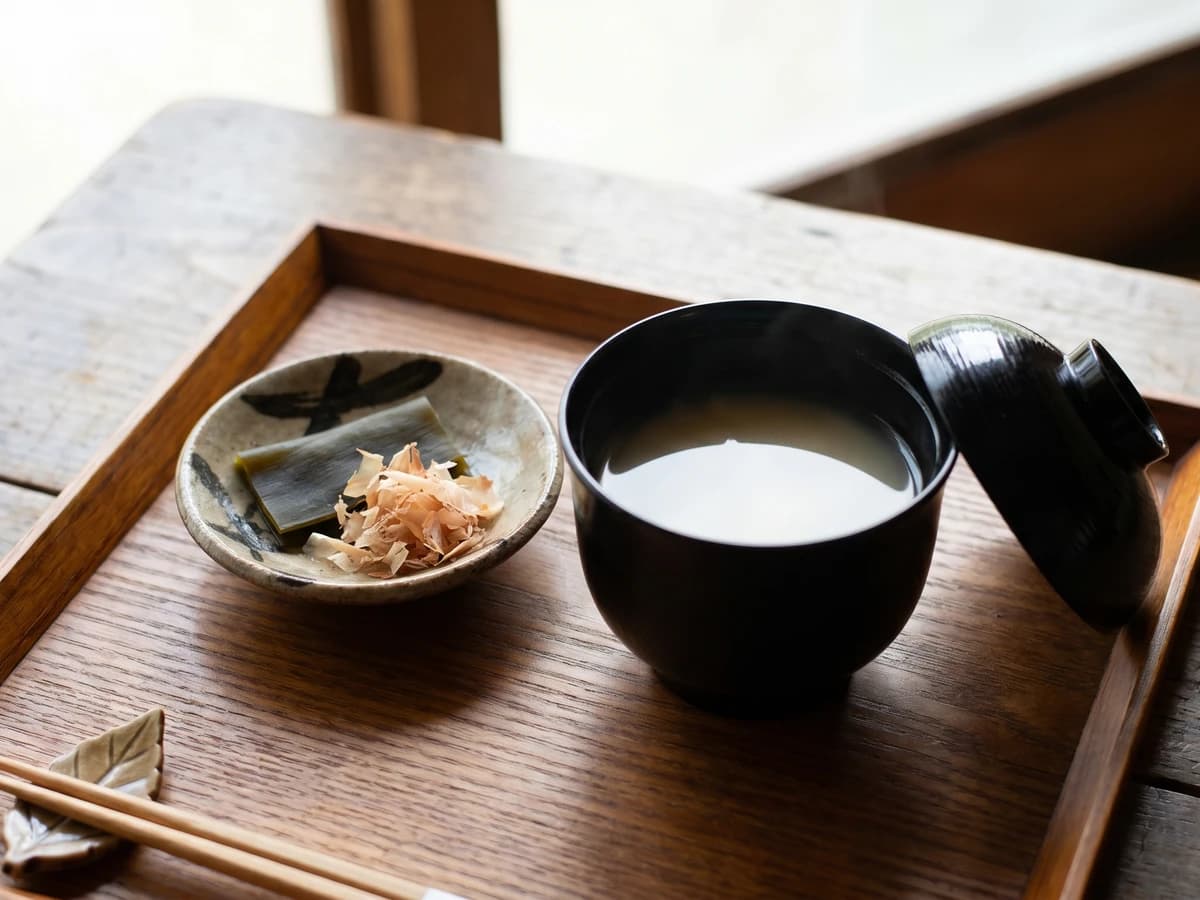
First dashi is not a difficult stock. It is cold water, good konbu, fragrant katsuobushi, and the restraint to stop before clarity is lost.
Chef Takumi
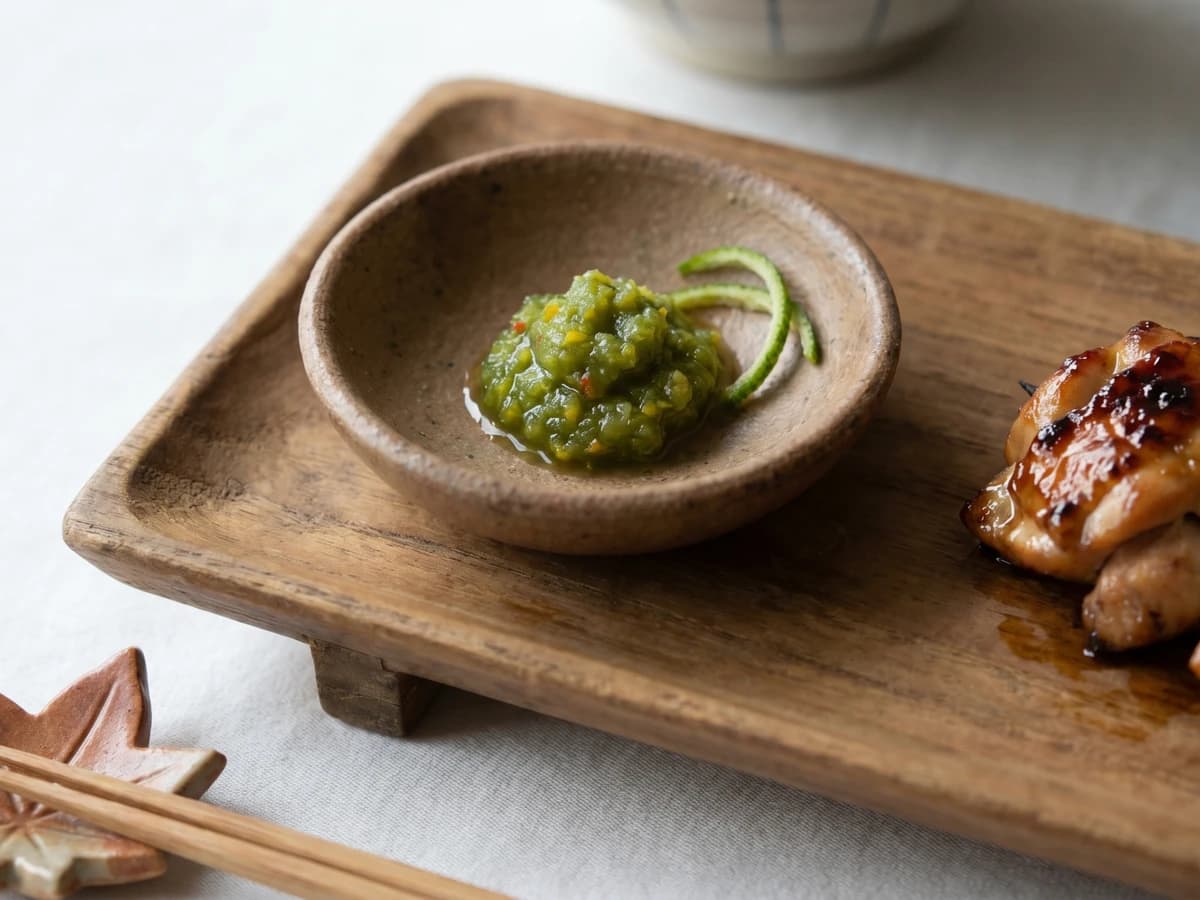
Green yuzu peel, fresh chili, and salt. Pound them fine, let them rest, and Kyushu's small fierce condiment becomes bright heat you use by the dab.
Chef Takumi
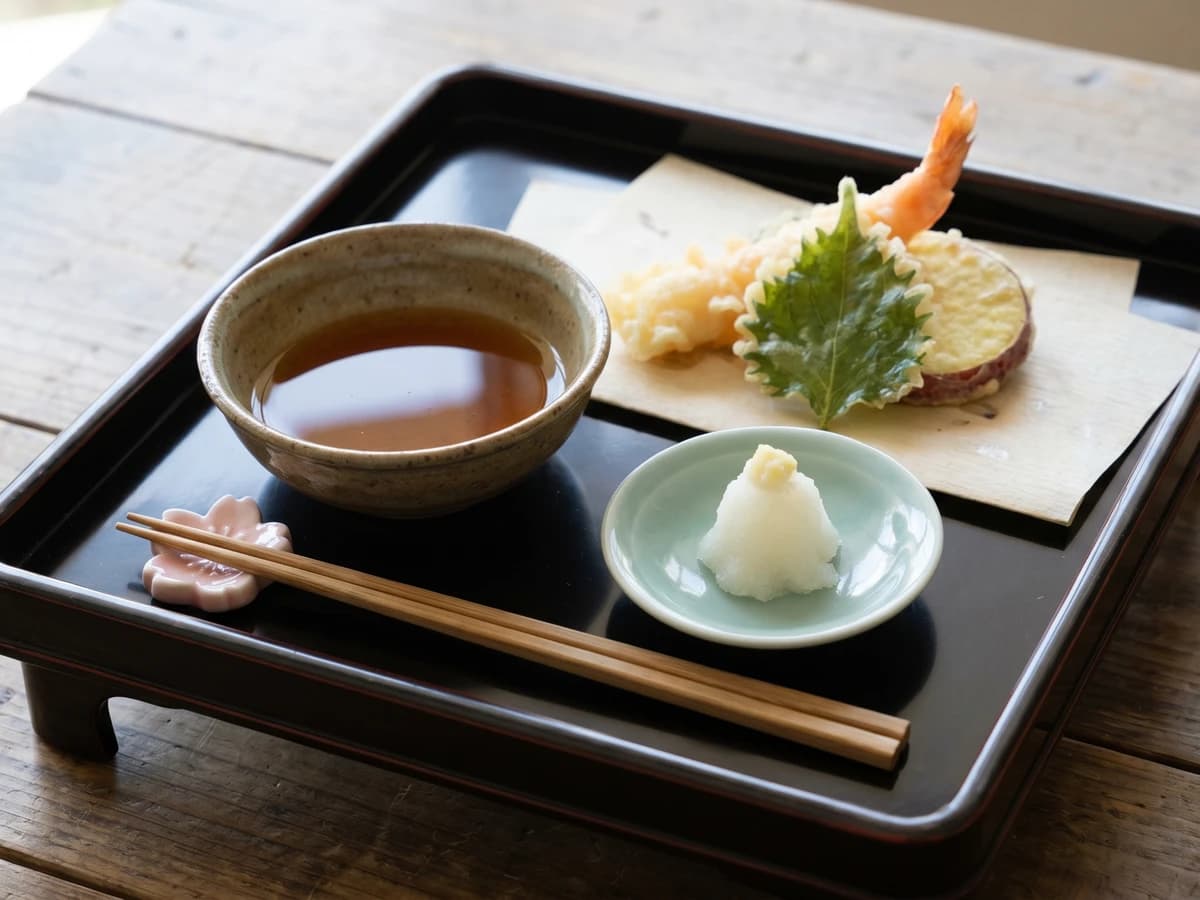
Tentsuyu is the small bowl that lets tempura stay itself: clear dashi, soy, and mirin warmed together, with grated daikon waiting to brighten each crisp piece.

Chef Takumi
Daikon oroshi is only grated radish, which is why it matters. Choose a firm daikon, grate it fresh, drain it lightly, and let its cool bite brighten the meal.
Chef Takumi
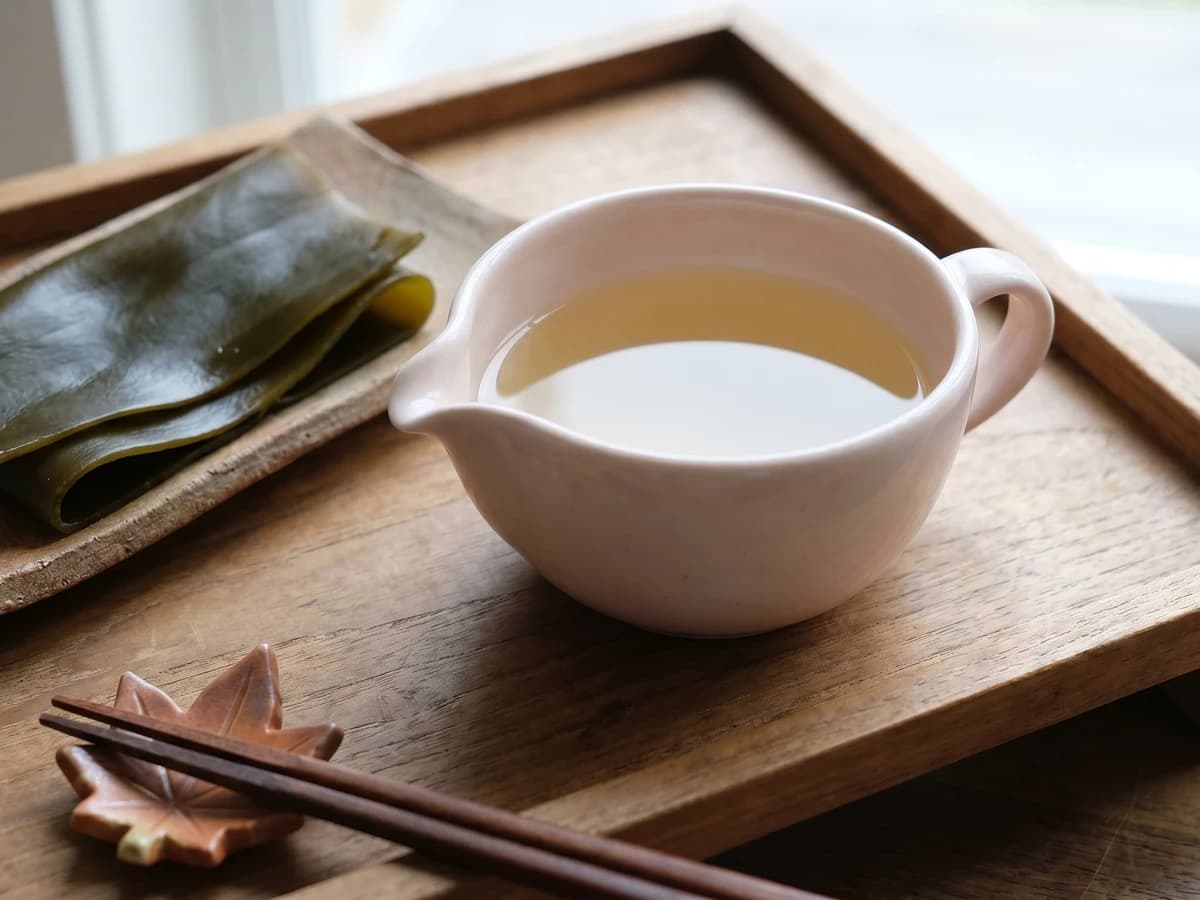
Konbu dashi asks for patience, not skill: good kelp, cold water, and the sense to stop before the pot boils. The result is clear, quiet, and deeply useful.
Chef Takumi
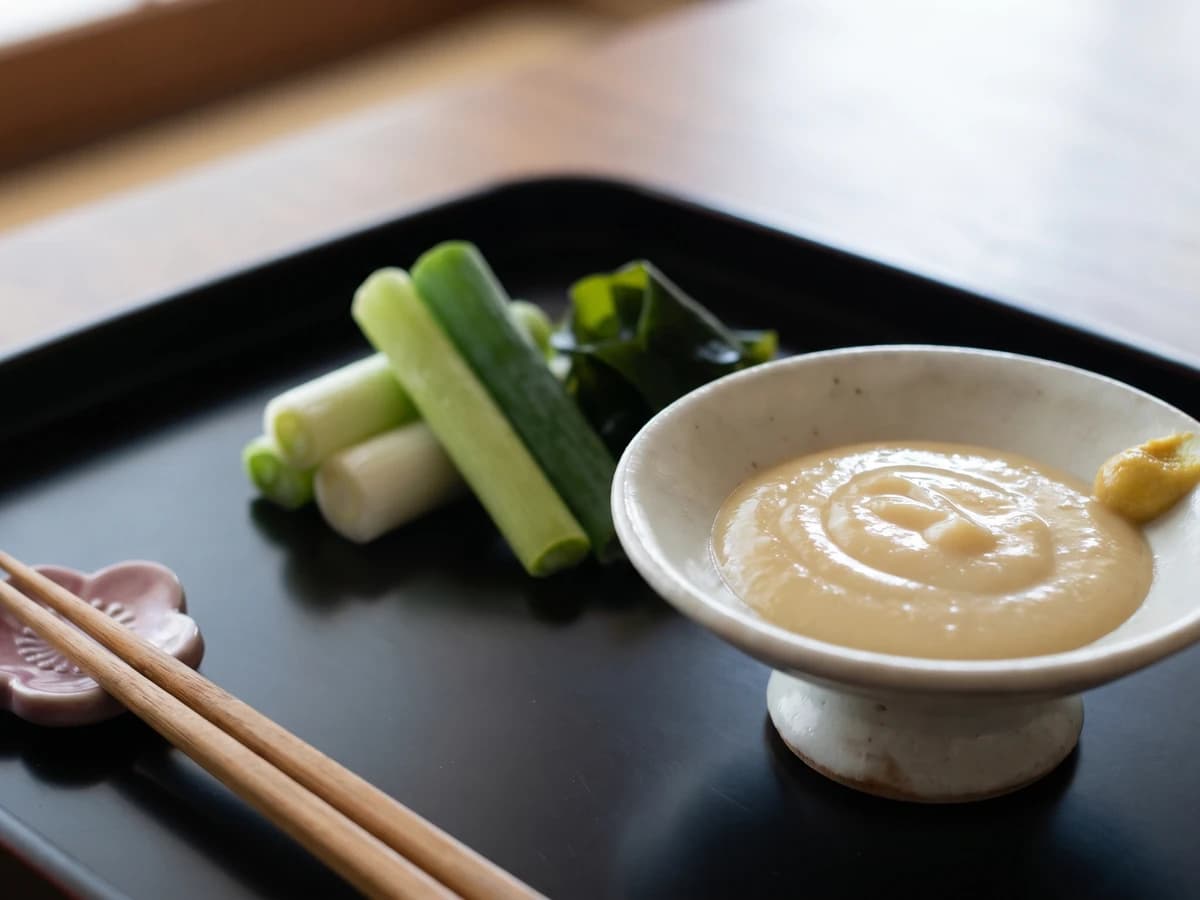
Sumiso is the quiet sweet-sour sauce that makes spring greens, wakame, and seafood taste more like themselves. White miso, rice vinegar, sugar, and restraint do the work.
Chef Takumi
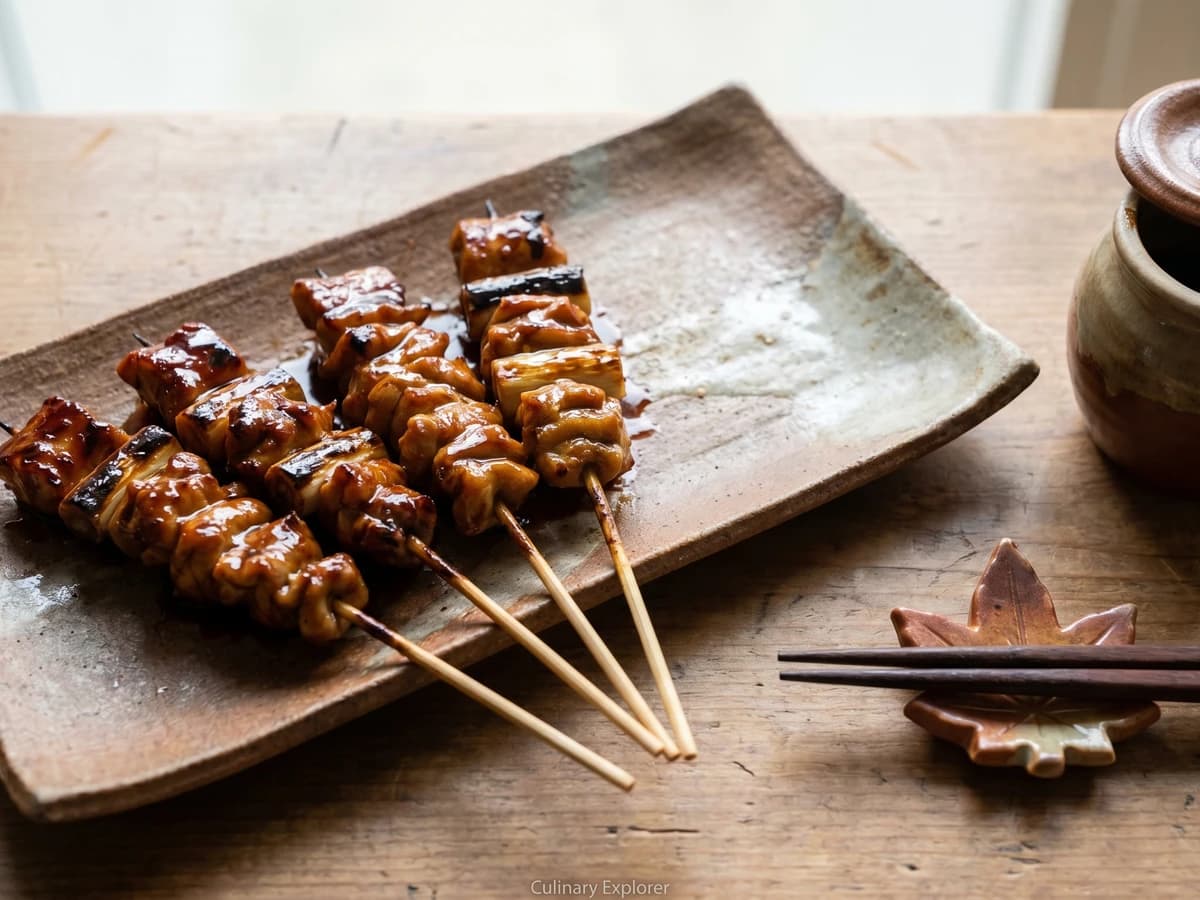
Soy, mirin, sake, and sugar make the base. The care is in reducing it just enough, then brushing it late at the grill so the chicken turns glossy without burning.
Chef Takumi
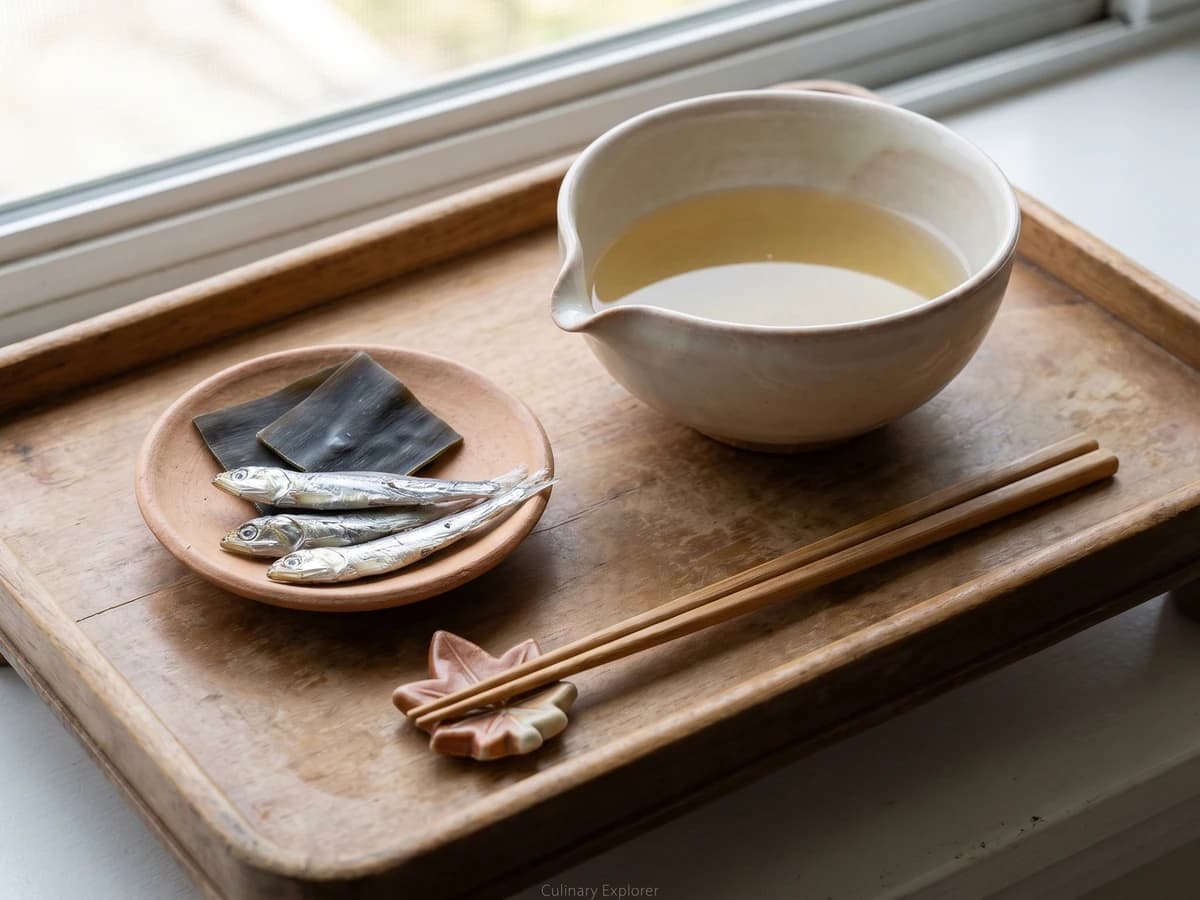
This is the everyday dashi with a little backbone: niboshi soaked cold, warmed gently, and strained before bitterness takes hold. It makes miso soup taste like home food, not performance.

Chef Takumi
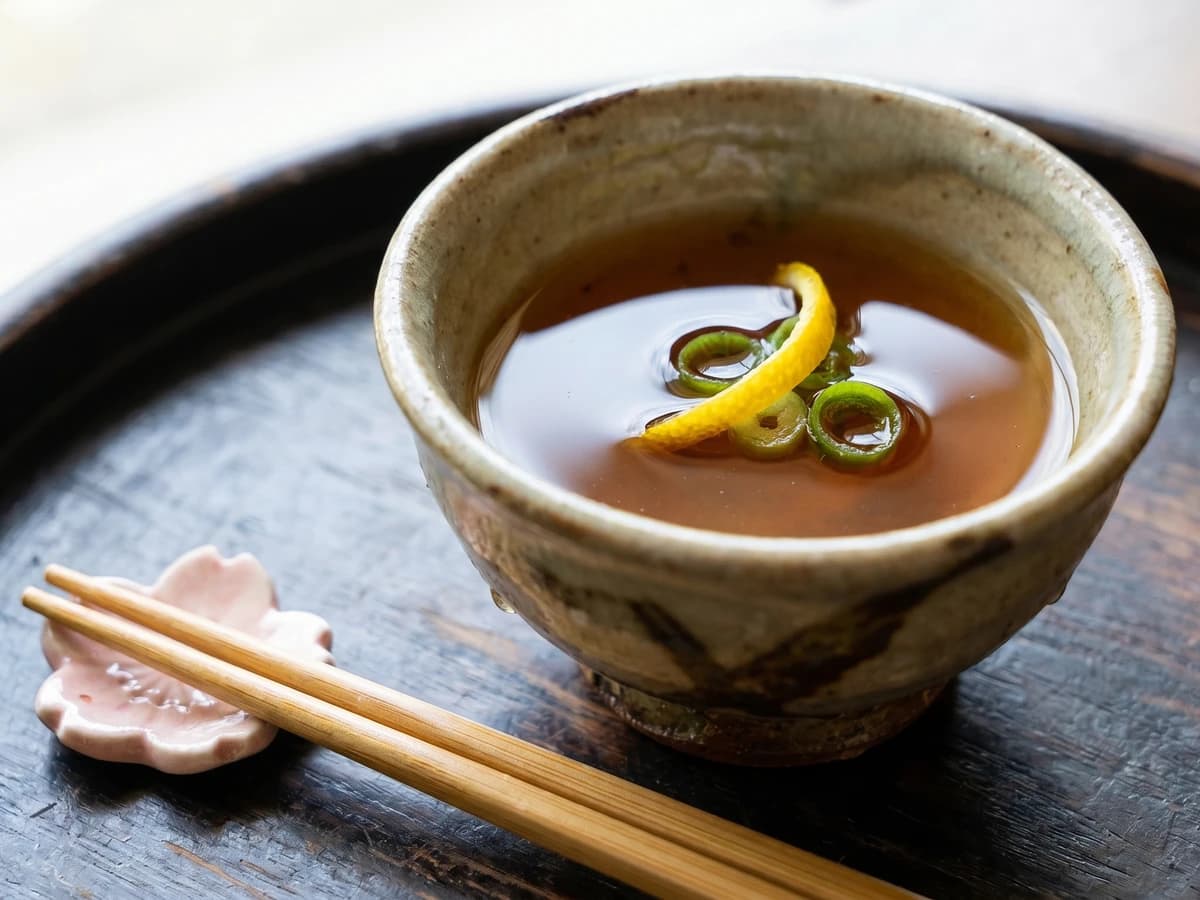
A white daikon, a red chili, and a grater. Momiji oroshi looks like a small flourish, but it brings clean heat, fresh bite, and autumn color to the table.
Chef Takumi
Ponzu is only soy, dashi, and sour citrus, but time does the quiet work. Rest it a week, and the sharpness settles into a clean dip for the table.
Chef Takumi
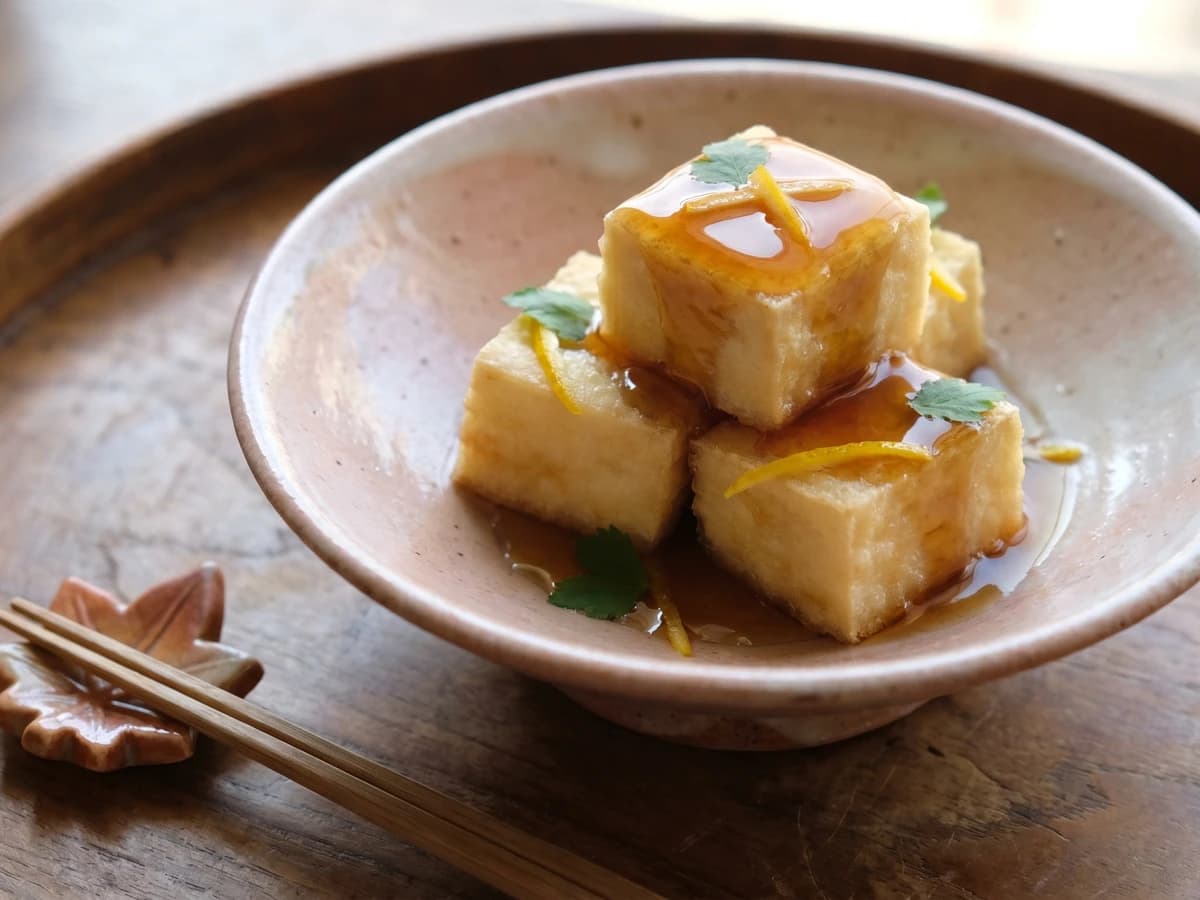
Bekkō-an is dashi given an amber coat: soy-dark, glossy, and light enough to flatter fried tofu or fish without covering the thing beneath.
Chef Takumi
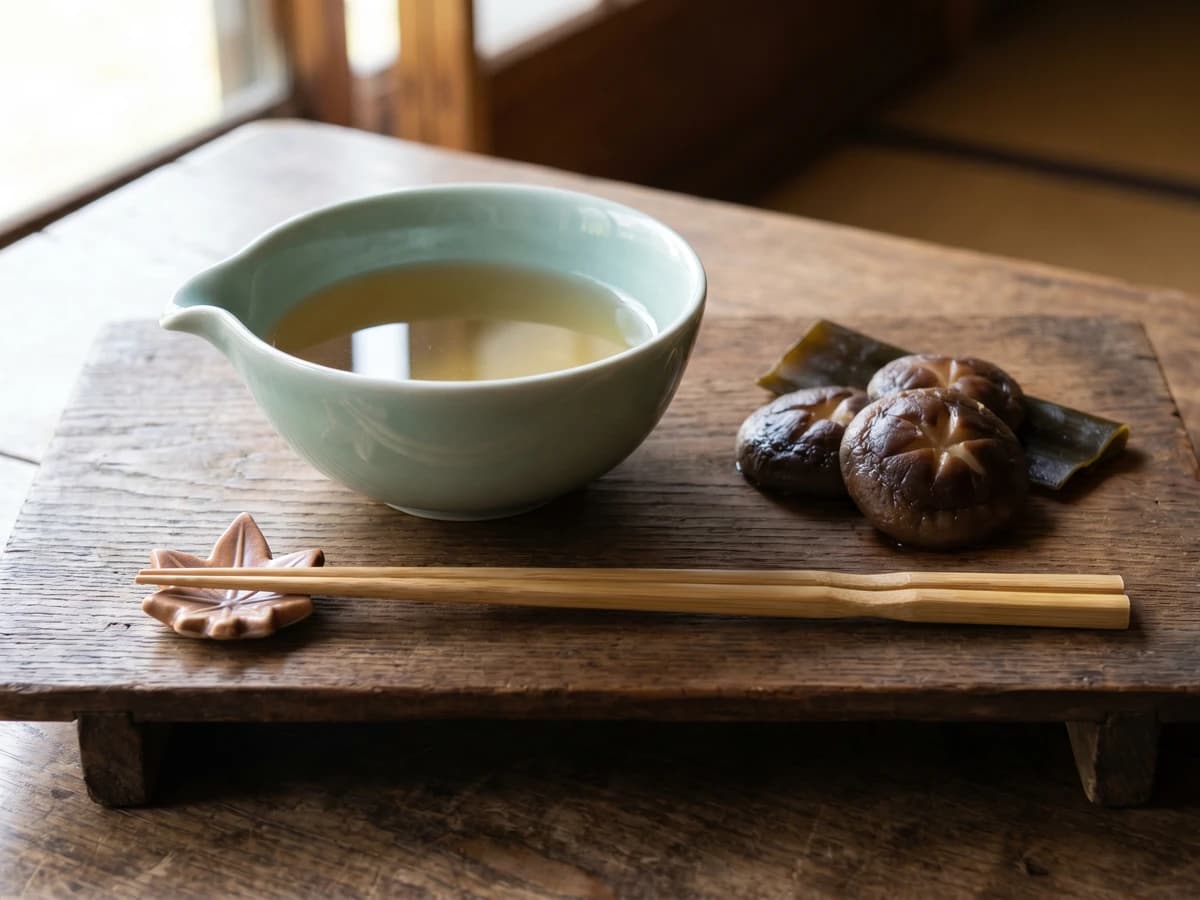
This is the meatless dashi that carries the temple table: konbu for clarity, dried shiitake for depth, and enough patience to let water do its quiet work.

Chef Takumi
Ago dashi is quiet luxury: roasted flying fish, konbu, and patient water. Steep it slowly and you get a clear stock that tastes sweet, clean, and full without heaviness.
Chef Takumi
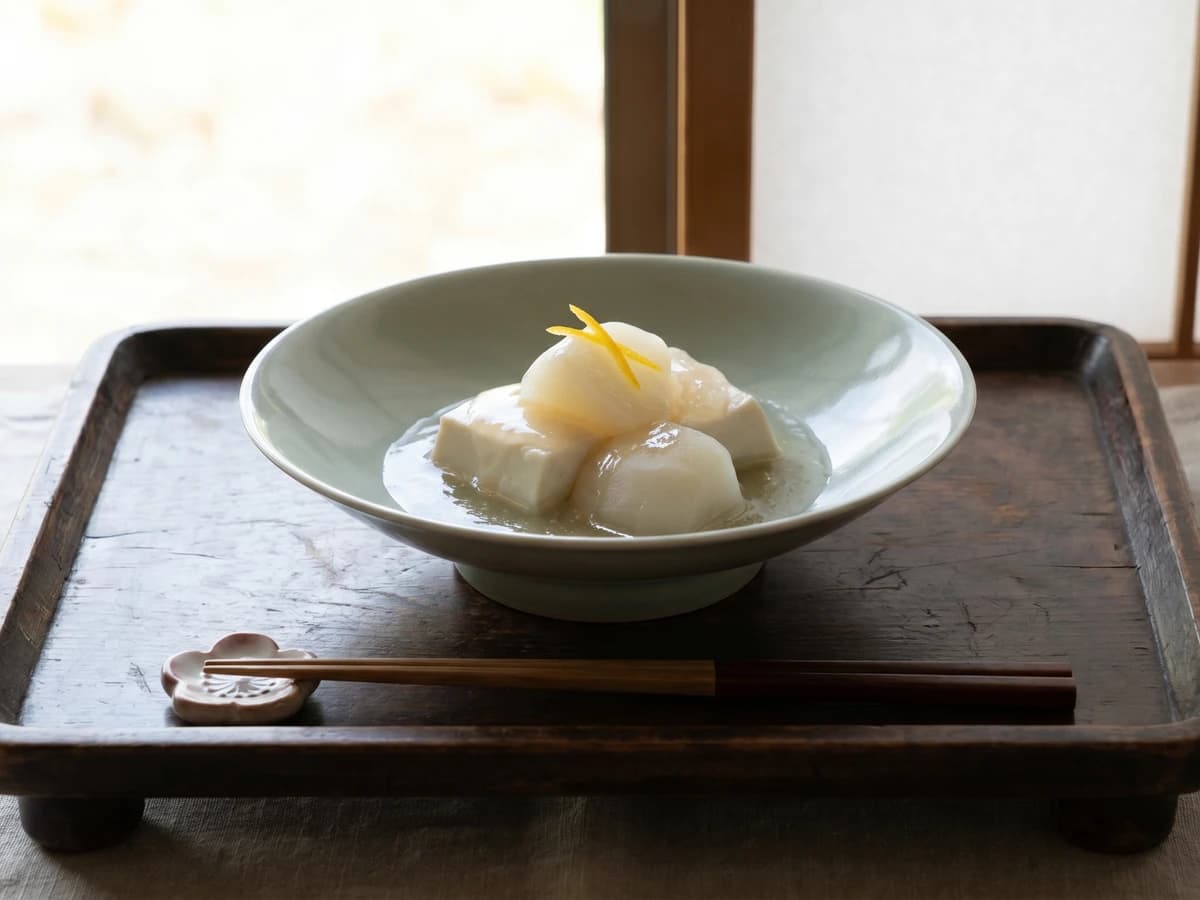
Gin-an is a quiet sauce: clear dashi, pale seasoning, and kuzu thickened just enough to cling while the color of the food still shows through.
Chef Takumi
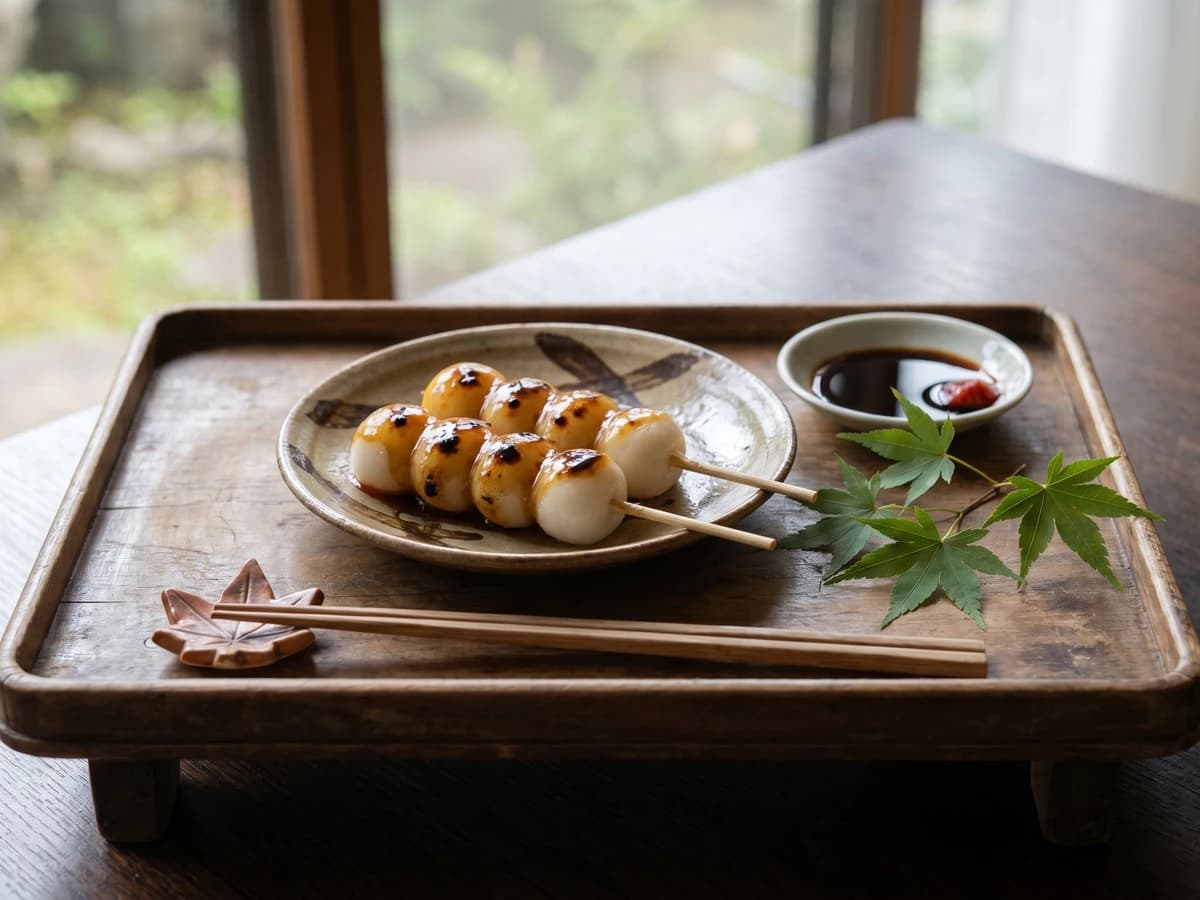
Mitarashi tare is a small sauce with one job: cling to grilled rice dumplings in a clear soy-brown gloss, sweet first, salty after, never heavy.
Culinary guides, cultural storytelling, and the editorial depth that makes cooking meaningful.
Discover Culinary ExplorerChef Takumi is a fictional culinary guide to Japanese Washoku Cuisine, written with the assistance of AI.