
Chef Takumi
Ago Dashi (あごだし, grilled flying fish stock)
Ago dashi is quiet luxury: roasted flying fish, konbu, and patient water. Steep it slowly and you get a clear stock that tastes sweet, clean, and full without heaviness.
A cooking platform built around craft, culture, and the stories behind what we eat.

Created by
Green yuzu peel, fresh chili, and salt. Pound them fine, let them rest, and Kyushu's small fierce condiment becomes bright heat you use by the dab.
Yuzu koshō looks like something bought in a tiny jar by people who know a secret. The secret is short. Green yuzu peel, fresh green chili, and salt, pounded until the citrus oil and chili heat become one paste. It isn't difficult. It is only seasonal.
The one thing that decides it is the peel. Use firm green yuzu in early autumn, while the rind is still sharp and fragrant, before the fruit turns yellow and softer in character. Grate only the colored skin, not the white pith beneath it, because the pith brings bitterness without aroma. We want the bright oil in the peel and nothing dull hiding under it.
Salt does more than season here. It draws moisture from the chili and peel, tightens the paste, and lets it age safely for a few weeks in the refrigerator. That rest matters. Freshly pounded yuzu koshō is loud, all elbows and opinions; after time, the heat settles and the citrus deepens.
Set out a little dish beside nabe, grilled chicken, grilled fish, or a bowl of udon. Use less than you think. This is not a sauce to bury food under. It is a clear, hot accent, honmono by restraint.
Yuzu koshō is most closely associated with Kyushu, especially Ōita and Fukuoka, where the word koshō can mean chili pepper rather than black pepper. The condiment developed as a preserved seasoning made from local yuzu, chili, and salt, and it remains a common partner for nabe, yakitori, and grilled fish. Green yuzu koshō is made with unripe yuzu and green chili, while the red version uses yellow yuzu peel and red chili later in the season.
Quantity
6 to 8
finely grated, colored peel only
Quantity
25g
stems removed, seeds kept for heat or scraped out for gentler paste
Quantity
10g
| Ingredient | Quantity |
|---|---|
| firm green yuzufinely grated, colored peel only | 6 to 8 |
| fresh green togarashi chiliesstems removed, seeds kept for heat or scraped out for gentler paste | 25g |
| fine sea salt | 10g |
Wash the yuzu and chilies, then dry them very well. Water left on the fruit thins the paste and shortens its keeping life, so don't hurry this small plain step. The yuzu should feel firm and smell sharp even before you grate it.
Grate only the green outer peel from the yuzu, stopping before you reach the white pith. The colored peel holds the fragrant oil; the pith brings bitterness and no help. Weigh the grated peel, because the salt should follow the ingredient, not a guess.
Remove the chili stems and chop the chilies finely. Keep the seeds if you want the Kyushu heat to stand up straight, or scrape out some seeds for a quieter paste. Wear gloves if your skin is sensitive, then wash the board and knife well.
Add the weight of the yuzu peel and chopped chilies together, then measure fine sea salt at about 20 percent of that weight. This amount tastes strong at first, but it preserves the paste and gives the citrus and chili time to become one flavor.
Put the peel, chilies, and salt in a suribachi and pound with the surikogi until the mixture turns moist, coarse, and glossy. You are not making it pretty for the jar. You are breaking the peel cells so the yuzu oil meets the chili and salt.
Pack the paste into a clean small jar, pressing out air pockets, and cover tightly. Refrigerate for at least 2 weeks before using if you can bear it. The rest softens the raw bite, rounds the salt, and lets the fragrance settle through the whole paste.
Use a pea-sized dab beside nabe, grilled fish, chicken, tofu, or udon. Stir it into broth at the table or touch it to a bite as you eat. Too much will bully the dish, and this cuisine has enough manners not to do that.
1 serving (about 8g)
Culinary guides, cultural storytelling, and the editorial depth that makes cooking meaningful.
Discover Culinary ExplorerChef Takumi
Ago dashi is quiet luxury: roasted flying fish, konbu, and patient water. Steep it slowly and you get a clear stock that tastes sweet, clean, and full without heaviness.
Chef Takumi
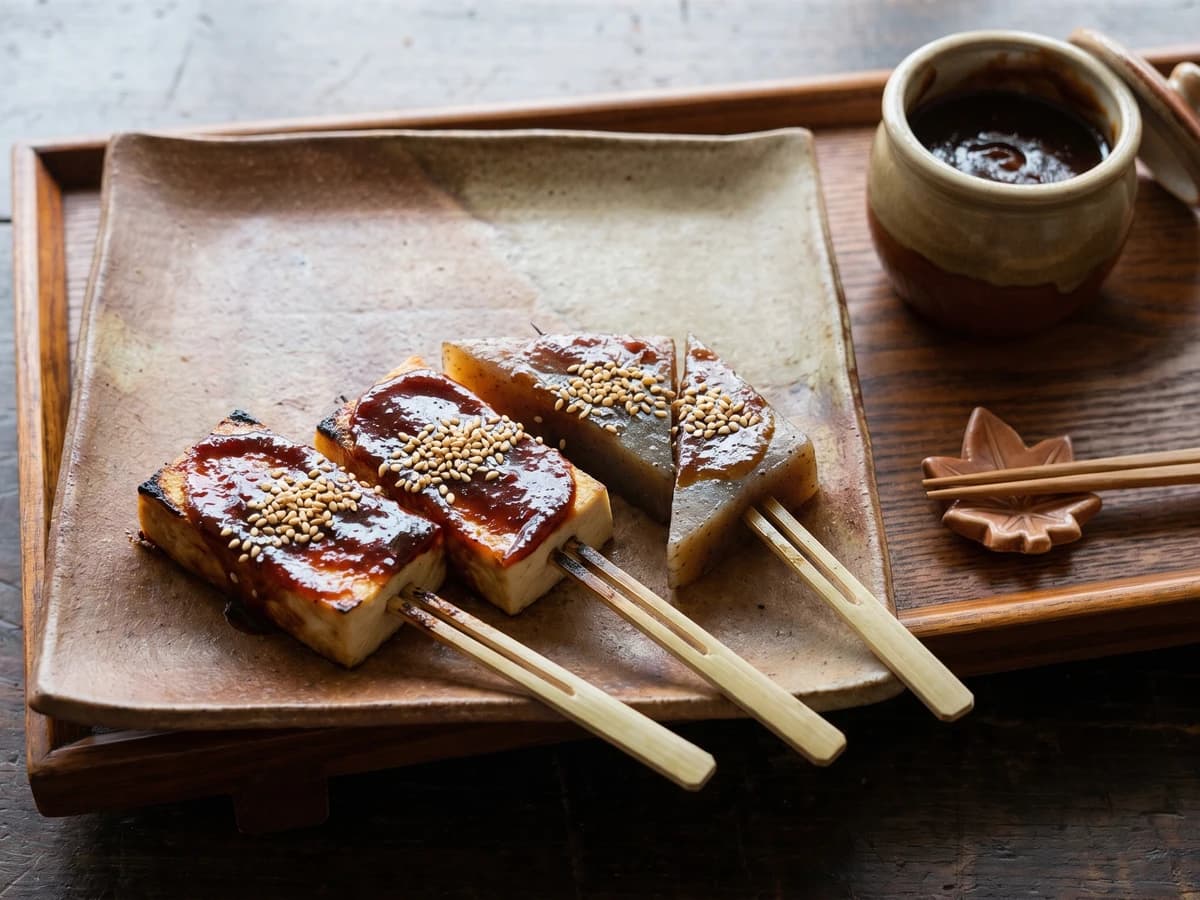
Akamiso dengaku-miso is plain work: bean miso, sweetness, sake, and patient stirring until the glaze turns dark, glossy, and thick enough to cling to the grill.
Chef Takumi
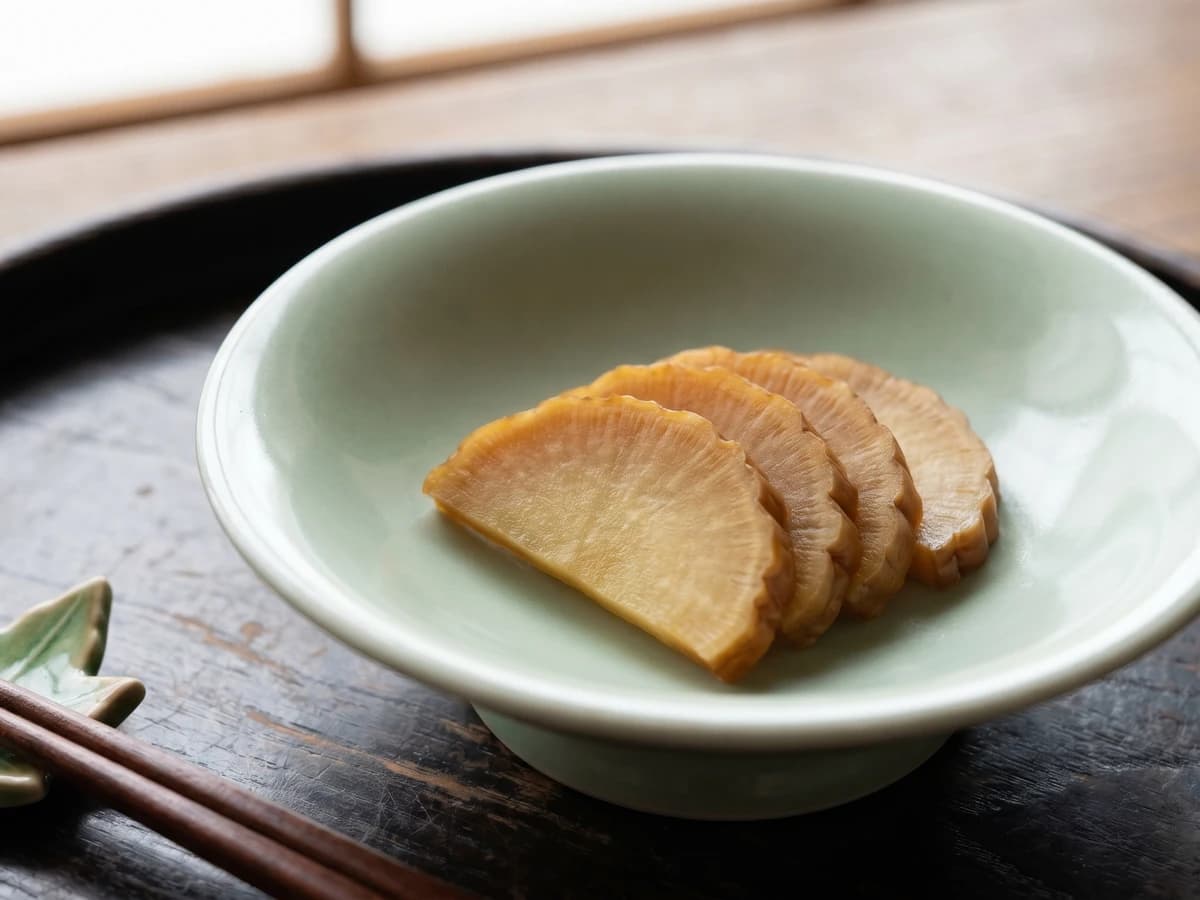
Snow-country takuan begins with smoke. Hang the daikon, dry it gently, then let rice bran, salt, and time turn it into Akita's amber pickle.

Chef Takumi
Aso takanazuke is spring caught in salt: sharp mustard greens pressed until they soften, fermented until their edge turns round, then fried briefly with sesame for rice.