
Chef Takumi
Ago Dashi (あごだし, grilled flying fish stock)
Ago dashi is quiet luxury: roasted flying fish, konbu, and patient water. Steep it slowly and you get a clear stock that tastes sweet, clean, and full without heaviness.
A cooking platform built around craft, culture, and the stories behind what we eat.

Created by
Rich where ponzu is sharp, goma dare is sesame made calm and useful: toasted paste, clear dashi, soy, vinegar, and enough sugar to round the edge.
Sesame can be stubborn. Grind it too little and the sauce tastes gritty. Loosen it too quickly and it breaks into a thin, sulking puddle. This is not difficult work, only unfamiliar work, and the first secret is patience with the paste.
Goma dare is the other half of the shabu-shabu table, set beside ponzu. Ponzu cuts through richness with citrus and vinegar. This one clings: nutty, rounded, lightly sweet, with enough dashi to keep it from becoming heavy. We don't drown the meat or vegetables in it. We dip, taste, and let the sauce do its quiet work.
The detail that decides it is how you add the liquid. Start with toasted sesame paste or well-ground sesame, then stir in the seasonings a spoonful at a time. At first the paste stiffens, which makes people nervous. Keep going. The dashi loosens it slowly into a glossy sauce that coats the back of a spoon. That gloss is the sign you're there.
Use a clear dashi if you can. Konbu and katsuobushi give the sauce depth without heaviness, and for a meatless table, konbu and dried shiitake make a honmono version in the temple-kitchen spirit. Instant powder would give you salt and a flat shadow. The dashi is doing real work here, so give it the courtesy of being real.
Goma dare belongs to the wider family of ae-goromo and tare, dressings and dipping sauces that use ground sesame to add body to vegetables, tofu, noodles, and hot-pot foods. Sesame entered Japan through the continent by the Nara period, and by the medieval era it was important in Buddhist temple cooking because it gave richness without meat or fish. The modern pairing of ponzu and goma dare is especially tied to shabu-shabu, a twentieth-century hot-pot style popularized in Osaka in the 1950s.
Quantity
1/2 cup
white sesame preferred
Quantity
1/3 cup, plus more as needed
cooled
Quantity
2 tablespoons
Quantity
1 tablespoon
Quantity
1 tablespoon
Quantity
2 teaspoons
Quantity
1 teaspoon
Quantity
1/2 teaspoon, or to taste
Quantity
1 tablespoon
lightly crushed
| Ingredient | Quantity |
|---|---|
| nerigoma (Japanese sesame paste)white sesame preferred | 1/2 cup |
| dashicooled | 1/3 cup, plus more as needed |
| soy sauce | 2 tablespoons |
| rice vinegar | 1 tablespoon |
| mirin | 1 tablespoon |
| sugar | 2 teaspoons |
| sake | 1 teaspoon |
| sea salt | 1/2 teaspoon, or to taste |
| toasted white sesame seedslightly crushed | 1 tablespoon |
Put the mirin, sake, and sugar in a small pan and warm just until the sugar dissolves, about one minute. This takes off the raw edge of the alcohol and helps the sugar disappear evenly into the sauce, instead of sitting grainy against the sesame. Let it cool.
Put the nerigoma in a bowl and stir it until smooth. Sesame paste separates as it rests, with oil on top and dense paste below, so bring it back together before seasoning. If using whole toasted sesame instead, grind it in a suribachi until it turns damp, fragrant, and pasty.
Stir the soy sauce and rice vinegar into the sesame paste a little at a time. The paste may tighten at first. That's normal. Add the cooled mirin mixture, then add the dashi by spoonfuls, stirring steadily, until the sauce turns glossy and falls slowly from the spoon.
Taste and adjust with salt, then loosen with a little more dashi if needed. For shabu-shabu, it should cling to a slice of beef or a leaf of napa cabbage without sitting like paste. For noodles or tofu, make it a little looser. The method, not the menu, tells you where to stop.
Stir in the lightly crushed toasted sesame seeds and let the sauce rest ten minutes before serving. The rest lets the sesame swell and the vinegar settle into the background. Stir once more before pouring it into small dipping bowls.
1 serving (about 70g)
Culinary guides, cultural storytelling, and the editorial depth that makes cooking meaningful.
Discover Culinary ExplorerChef Takumi
Ago dashi is quiet luxury: roasted flying fish, konbu, and patient water. Steep it slowly and you get a clear stock that tastes sweet, clean, and full without heaviness.
Chef Takumi
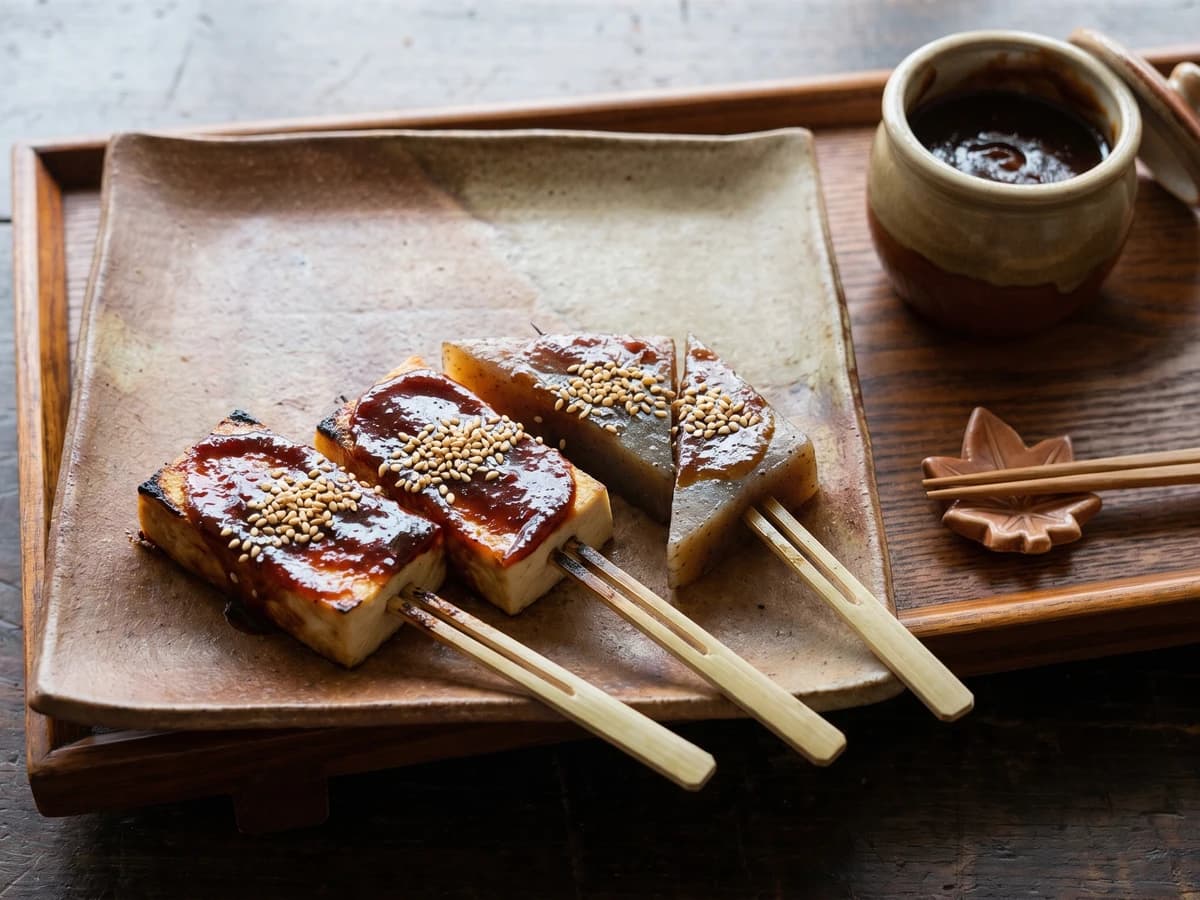
Akamiso dengaku-miso is plain work: bean miso, sweetness, sake, and patient stirring until the glaze turns dark, glossy, and thick enough to cling to the grill.
Chef Takumi
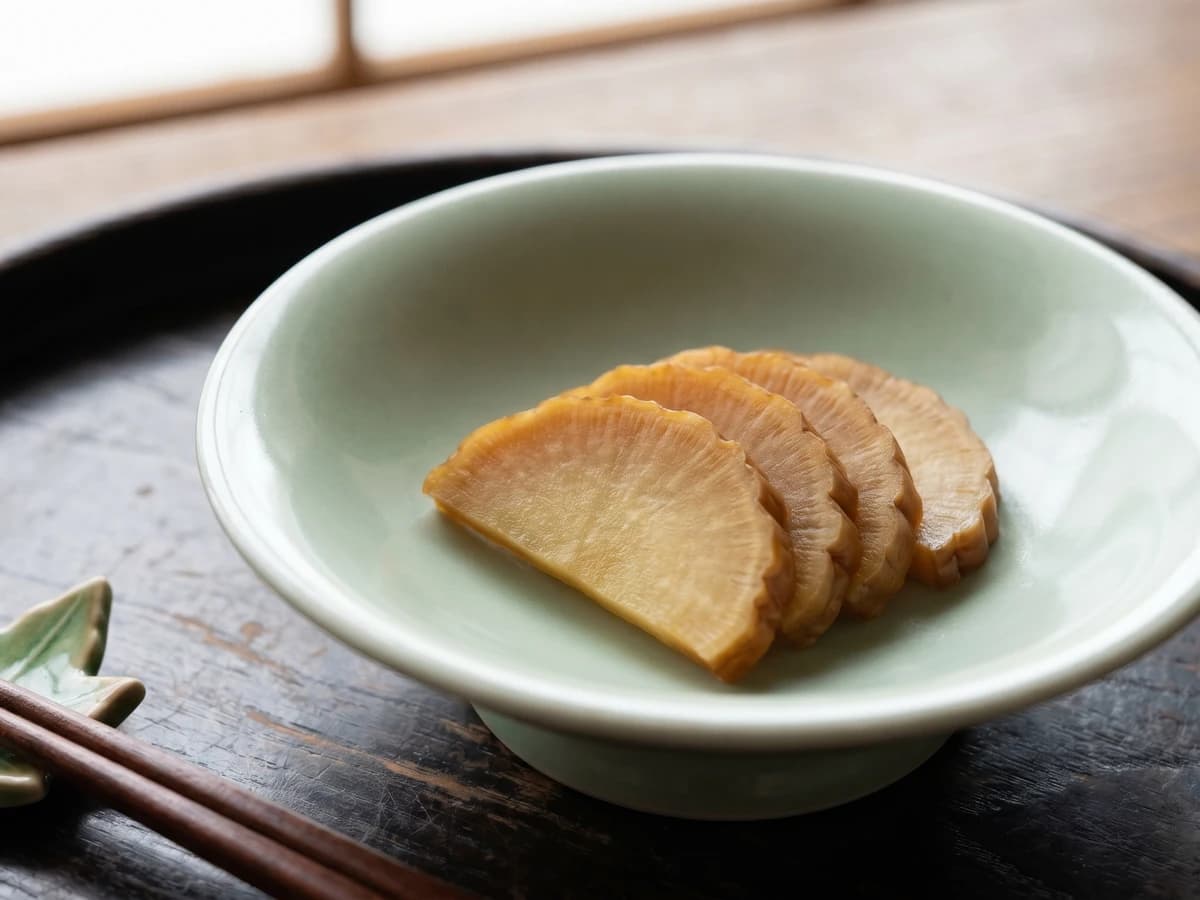
Snow-country takuan begins with smoke. Hang the daikon, dry it gently, then let rice bran, salt, and time turn it into Akita's amber pickle.

Chef Takumi
Aso takanazuke is spring caught in salt: sharp mustard greens pressed until they soften, fermented until their edge turns round, then fried briefly with sesame for rice.