
Chef Takumi
Ago Dashi (あごだし, grilled flying fish stock)
Ago dashi is quiet luxury: roasted flying fish, konbu, and patient water. Steep it slowly and you get a clear stock that tastes sweet, clean, and full without heaviness.
A cooking platform built around craft, culture, and the stories behind what we eat.
Created by
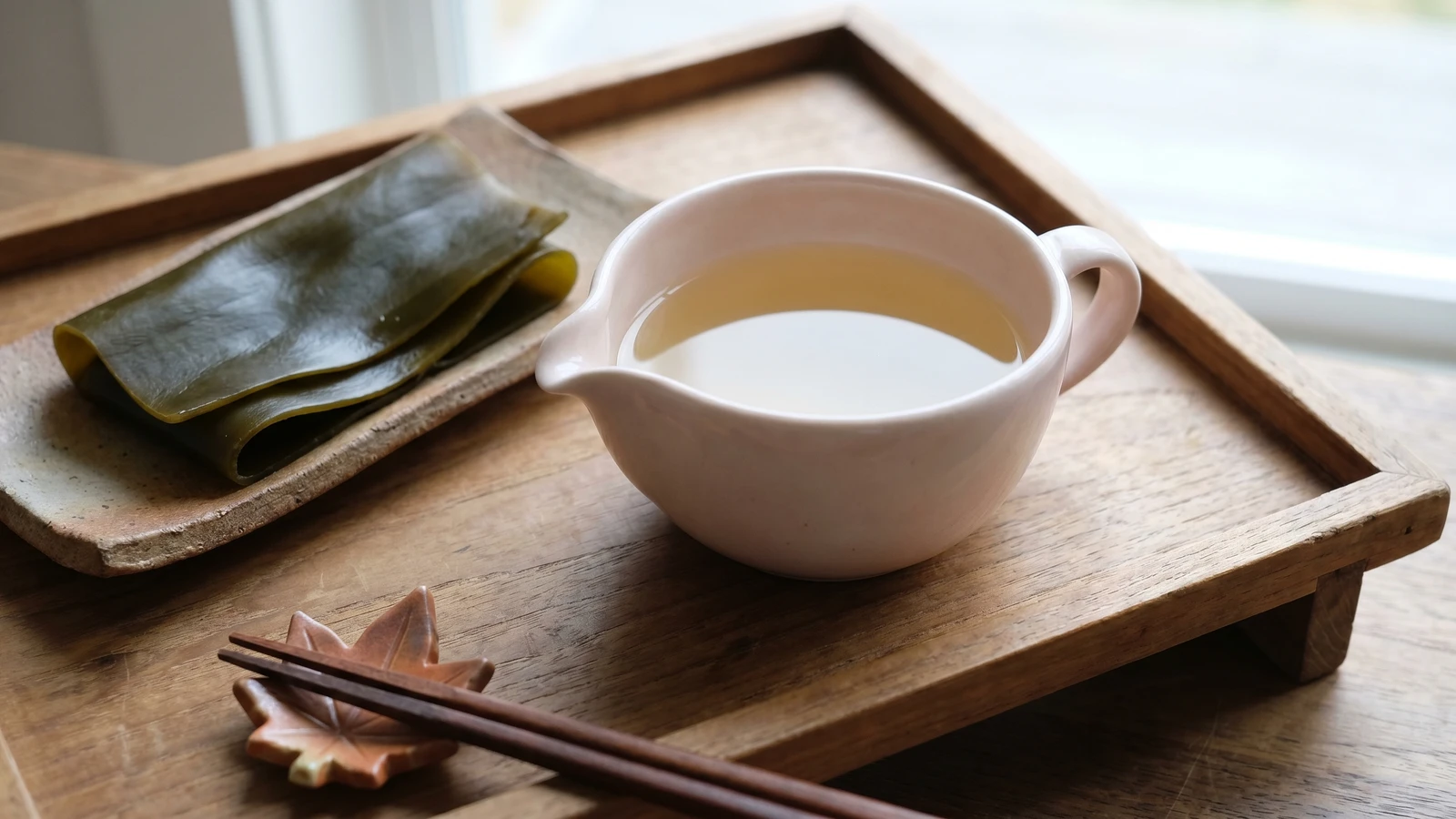
Konbu dashi asks for patience, not skill: good kelp, cold water, and the sense to stop before the pot boils. The result is clear, quiet, and deeply useful.
Konbu looks like a dry sheet of seaweed, stiff and dusty, and that is where many cooks start doubting it. Don't. This is one of the first secrets of washoku, and it is almost embarrassingly plain: kelp, water, and time.
The flavor is drawn out slowly because konbu gives its best to water before the boil. Cold soaking makes a round, gentle stock. Warming it afterward coaxes a little more depth, but only until the water trembles. Let the kelp boil and the dashi turns slick, cloudy, and faintly bitter. The rule is simple because the thing it protects is simple: clarity.
This is the dashi we reach for when the table is meatless, the way temple kitchens do it. Honmono, not a compromise. It carries tofu, konnyaku, greens, and clear soups without pushing itself forward. Nothing hidden, nothing loud. The one detail that decides it is the moment you pull the konbu, just before the water rolls.
Konbu became central to Japanese cooking through trade from Hokkaido, especially along the kitamaebune sea routes that linked the north with Osaka during the Edo period. Osaka's merchants and cooks prized high-quality kelp, and the city's stock-making traditions helped spread konbu-based flavor through western Japan. In Buddhist temple cooking, konbu dashi remains one of the foundations of shōjin ryōri, where depth is built without fish or meat.
Quantity
1 piece (about 10g)
preferably ma-konbu, rishiri-konbu, or rausu-konbu
Quantity
4 cups
| Ingredient | Quantity |
|---|---|
| dried konbupreferably ma-konbu, rishiri-konbu, or rausu-konbu | 1 piece (about 10g) |
| cold water | 4 cups |
Look over the konbu and wipe it lightly with a damp cloth if there is grit. Don't scrub it and don't rinse it under running water. The pale powder on the surface is not dirt, it is part of the flavor you are trying to draw into the water.
Put the konbu in the cold water and leave it at room temperature for 3 to 4 hours, or refrigerate it overnight. Cold water draws out sweetness and depth gently, without pulling harshness from the kelp. The konbu will soften and the water will take on a faint gold-green tint.
Set the pot over low heat and warm the water slowly, about 10 to 15 minutes. Watch the sides of the pot, not the clock. When small bubbles begin to gather and the surface starts to tremble, the konbu has given what you want.
Lift out the konbu before the water boils. This is the step that decides the stock. Boiled konbu can make the dashi cloudy, slippery, and bitter, which is a poor trade for a few more seconds of heat.
Strain the dashi through a fine-mesh strainer if you see any sediment. Use it at once, or cool it quickly and refrigerate it. It should taste light, clean, and faintly sweet, with a sea-breeze scent rather than a strong seaweed smell.
1 serving (about 240g)
Culinary guides, cultural storytelling, and the editorial depth that makes cooking meaningful.
Discover Culinary ExplorerChef Takumi
Ago dashi is quiet luxury: roasted flying fish, konbu, and patient water. Steep it slowly and you get a clear stock that tastes sweet, clean, and full without heaviness.
Chef Takumi
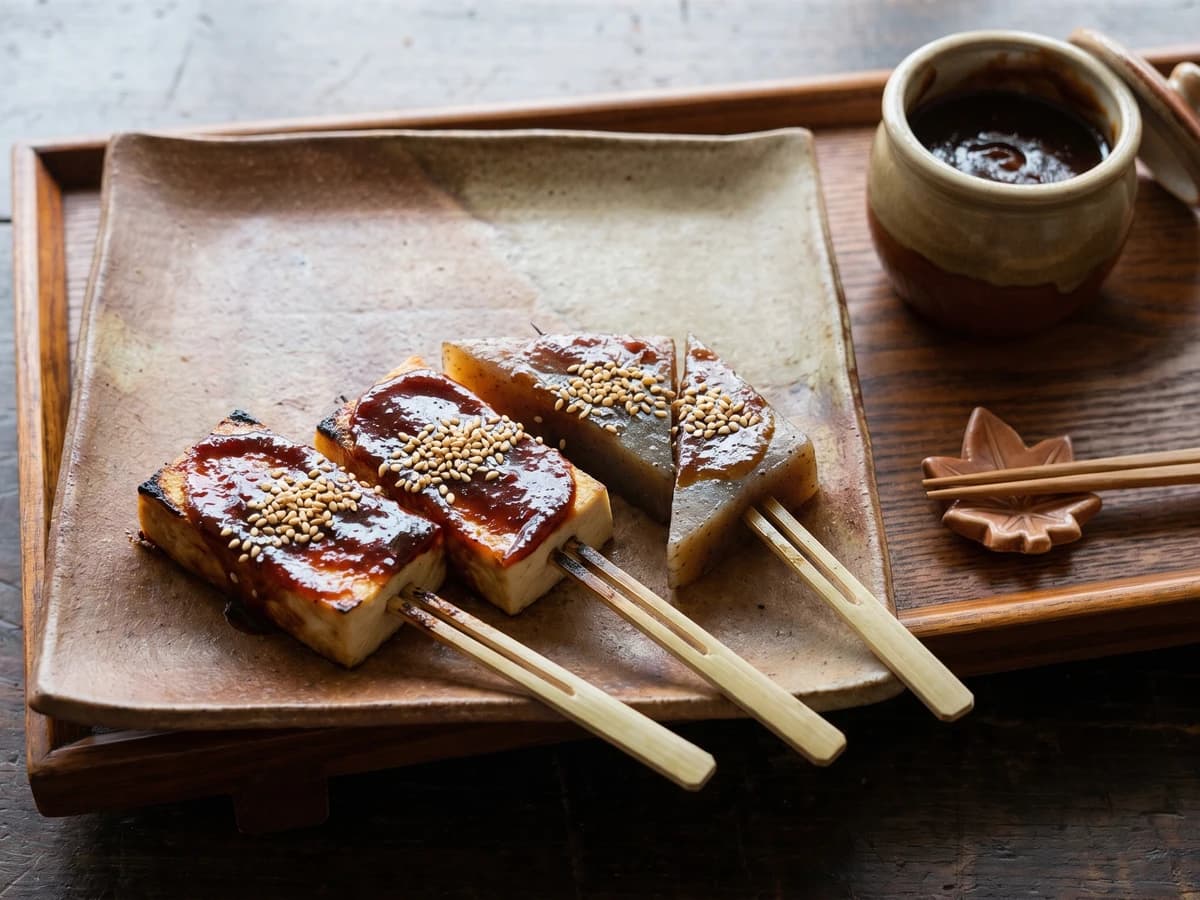
Akamiso dengaku-miso is plain work: bean miso, sweetness, sake, and patient stirring until the glaze turns dark, glossy, and thick enough to cling to the grill.
Chef Takumi
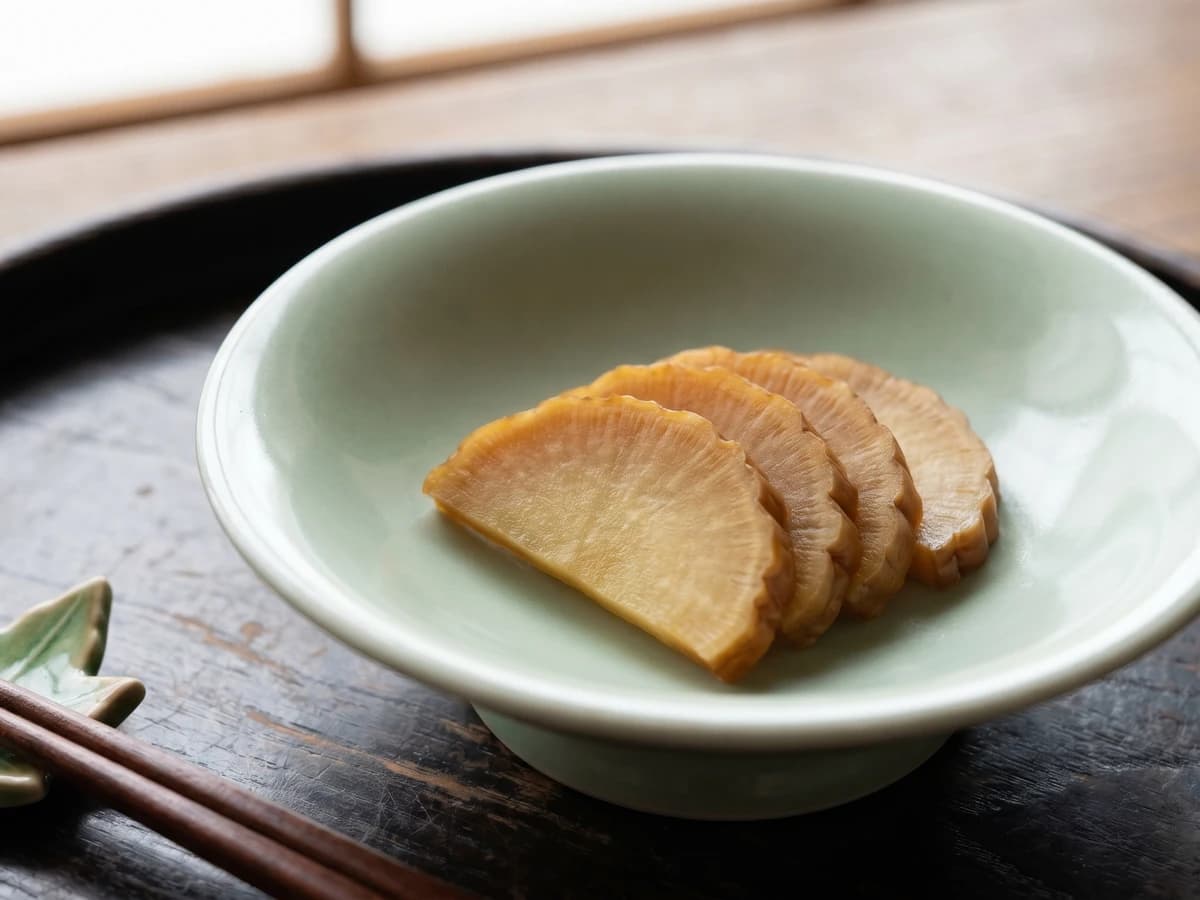
Snow-country takuan begins with smoke. Hang the daikon, dry it gently, then let rice bran, salt, and time turn it into Akita's amber pickle.

Chef Takumi
Aso takanazuke is spring caught in salt: sharp mustard greens pressed until they soften, fermented until their edge turns round, then fried briefly with sesame for rice.