
Chef Takumi
Ago Dashi (あごだし, grilled flying fish stock)
Ago dashi is quiet luxury: roasted flying fish, konbu, and patient water. Steep it slowly and you get a clear stock that tastes sweet, clean, and full without heaviness.
A cooking platform built around craft, culture, and the stories behind what we eat.

Created by
Ponzu is only soy, dashi, and sour citrus, but time does the quiet work. Rest it a week, and the sharpness settles into a clean dip for the table.
Sour citrus is the whole face of ponzu. In winter that may be yuzu or daidai; in late summer and autumn, sudachi or kabosu. Use fruit that smells alive the moment you cut it, because no amount of soy will make dull juice lively. This sauce hides nothing, which is why it is so useful.
The making is plain: dashi, shōyu, citrus, a little mirin. The part people skip is the rest. Freshly mixed ponzu tastes like a quarrel, soy on one side and acid on the other, each making its case with unnecessary volume. Give it a week in the refrigerator and the edges settle. The kelp and bonito make the middle, and the citrus returns as brightness instead of bite.
We set ponzu beside shabu-shabu, tataki, grilled fish, chilled tofu, and hot pots because it cleans the palate without burying the ingredient. The one detail to guard is the dashi: lift the konbu before the boil, let the katsuobushi sink off the heat, and never squeeze the flakes. Clarity here is not decoration. It is the difference between a sauce that tastes clean and one that tastes tired.
The word ponzu traces to Dutch pons, a citrus punch that reached Japan through Nagasaki trade in the Edo period; Japanese cooks later wrote the ending with 酢, su, as the seasoning became sour rather than sweet. The soy-seasoned form is more precisely ponzu shōyu, but in everyday speech ponzu often means this mixture of citrus, soy sauce, and stock. Its regional character follows local sour citrus: sudachi in Tokushima, kabosu in Ōita, yuzu in winter dishes, and daidai in older New Year seasonings.
Quantity
1 cup
for dashi; you will use 1/2 cup finished dashi
Quantity
1 piece (about 5g)
Quantity
8g
Quantity
1/4 cup
Quantity
3/4 cup
Quantity
1/2 cup
yuzu, sudachi, kabosu, daidai, or a seasonal mix, strained
Quantity
up to 2 tablespoons
Quantity
1 thin strip
colored zest only, no white pith
Quantity
1 tablespoon
| Ingredient | Quantity |
|---|---|
| cold waterfor dashi; you will use 1/2 cup finished dashi | 1 cup |
| konbu (dried kelp) | 1 piece (about 5g) |
| katsuobushi (bonito flakes) | 8g |
| hon mirin | 1/4 cup |
| koikuchi shōyu (Japanese dark soy sauce) | 3/4 cup |
| fresh sour citrus juiceyuzu, sudachi, kabosu, daidai, or a seasonal mix, strained | 1/2 cup |
| unseasoned rice vinegar (optional) | up to 2 tablespoons |
| yuzu or sudachi peel (optional)colored zest only, no white pith | 1 thin strip |
| thinly sliced scallion (optional) | 1 tablespoon |
Halve the citrus and juice it gently, stopping before the reamer scrapes hard into the white pith. The colored flesh gives aroma and acidity; the pith gives a dull bitterness that a week in the jar will not fix. Strain out the seeds and measure 1/2 cup.
Wipe the konbu with a damp cloth, but don't wash it. That pale bloom on the surface is flavor, not dirt. Put the konbu in 1 cup cold water and warm it slowly over low heat, about ten minutes, until the water trembles and small bubbles climb the sides. Lift the konbu out before the water boils.
Bring the konbu water just to a gentle boil, add the katsuobushi all at once, and take the pot off the heat. Leave it alone for two or three minutes, until the flakes sink. Strain through a cloth-lined sieve and let it drip by itself. Don't squeeze. Measure 1/2 cup dashi for the ponzu and let it cool.
Put the mirin in a small saucepan and bring it just to a simmer for about thirty seconds, then take it off the heat and cool it. This softens the raw alcohol edge in a cold sauce. Don't boil it down into syrup; ponzu should stay lean and bright.
In a clean jar, combine the koikuchi shōyu, 1/2 cup cooled dashi, cooled mirin, and citrus juice. Taste it now. It should seem a little sharper and saltier than you want at the table, because resting will soften the edges. If your citrus is mild or you came up short, add unseasoned rice vinegar by the tablespoon.
Add the strip of citrus peel if using, making sure there is no white pith attached. Seal the jar and refrigerate for one week, shaking it gently once a day. Remove the peel after the first day so its aroma stays clean rather than bitter. Time does not make ponzu stronger; it makes the soy, acid, and dashi stop arguing.
After a week, strain the ponzu again if it has any sediment, then pour it into small dipping cups. Add a few scallion rings only when serving, if they suit the dish beside it. Use ponzu with shabu-shabu, tataki, chilled tofu, grilled fish, or nabemono, the family of hot-pot dishes. Keep it refrigerated and use within one month.
1 serving (about 15g)
Culinary guides, cultural storytelling, and the editorial depth that makes cooking meaningful.
Discover Culinary ExplorerChef Takumi
Ago dashi is quiet luxury: roasted flying fish, konbu, and patient water. Steep it slowly and you get a clear stock that tastes sweet, clean, and full without heaviness.
Chef Takumi
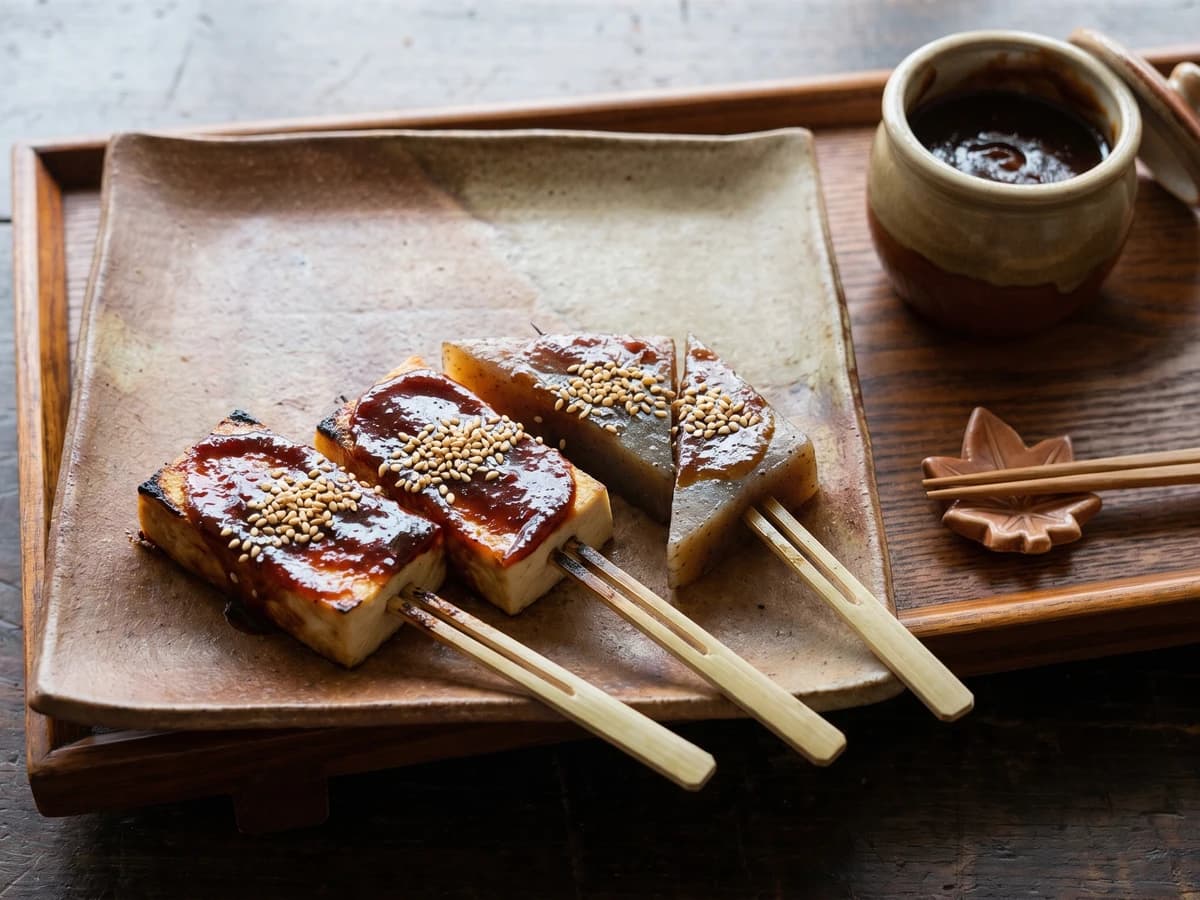
Akamiso dengaku-miso is plain work: bean miso, sweetness, sake, and patient stirring until the glaze turns dark, glossy, and thick enough to cling to the grill.
Chef Takumi
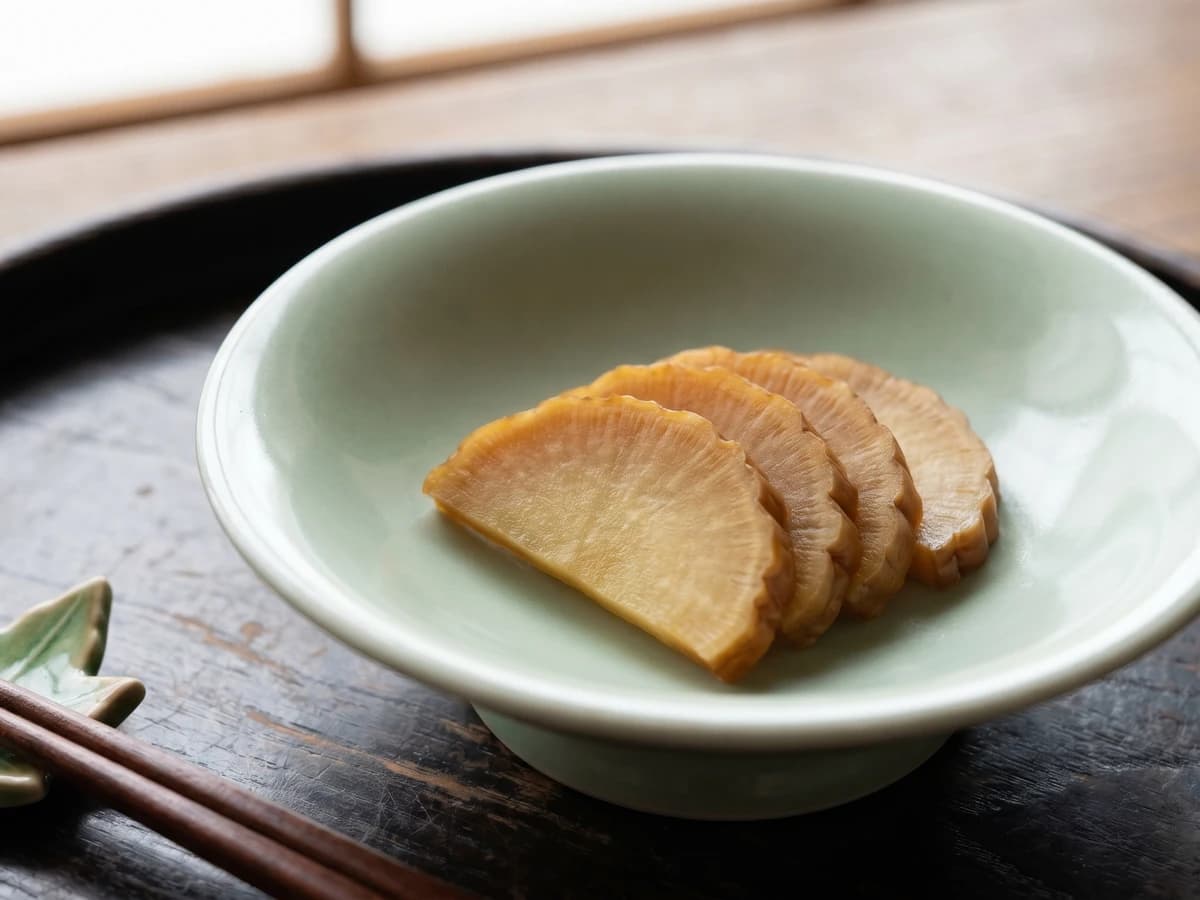
Snow-country takuan begins with smoke. Hang the daikon, dry it gently, then let rice bran, salt, and time turn it into Akita's amber pickle.

Chef Takumi
Aso takanazuke is spring caught in salt: sharp mustard greens pressed until they soften, fermented until their edge turns round, then fried briefly with sesame for rice.