
Chef Takumi
Ago Dashi (あごだし, grilled flying fish stock)
Ago dashi is quiet luxury: roasted flying fish, konbu, and patient water. Steep it slowly and you get a clear stock that tastes sweet, clean, and full without heaviness.
A cooking platform built around craft, culture, and the stories behind what we eat.
Created by
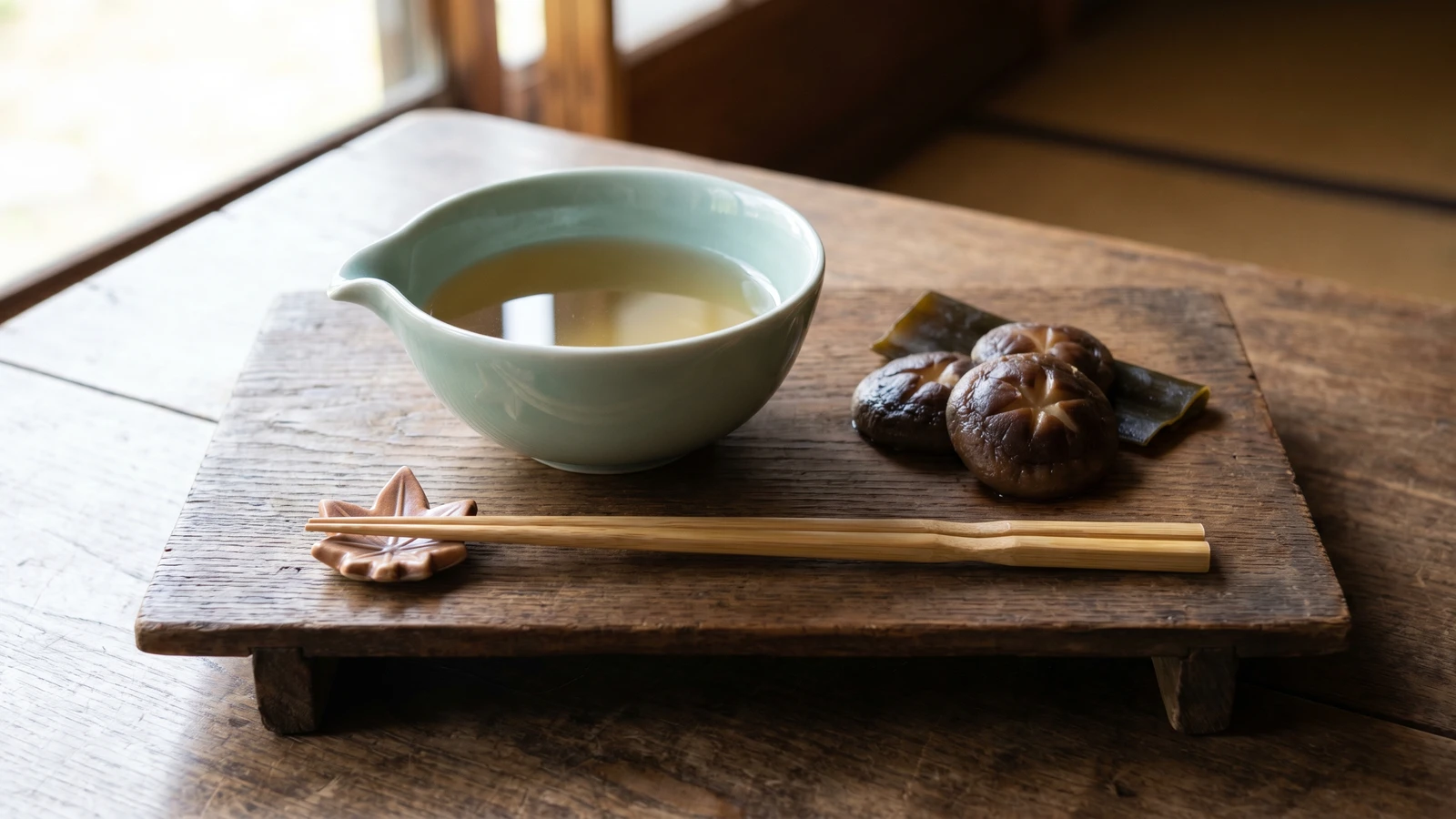
This is the meatless dashi that carries the temple table: konbu for clarity, dried shiitake for depth, and enough patience to let water do its quiet work.
Astock with no fish is not a lesser dashi. In the temple kitchen, we set the pot on konbu and dried shiitake, and the result is honmono, the real thing, not a polite apology for what is missing. The flavor is quieter than katsuobushi dashi, but quiet is not thin.
The first secret is time in cold water. Konbu gives itself gently, and dried shiitake needs time for the center to soften and release its deep, rounded flavor. Heat can hurry the water, but it cannot hurry the mushroom. Soak them overnight if you can. This is meal prep, yes, but with better manners.
When you warm the soaked konbu, pull it before the water boils. Boiling coaxes out bitterness and a slick texture, which muddies the clean stock you were making. The shiitake can stay a little longer because it is tougher and slower to speak. Strain without pressing, then season only when you use the dashi, because a stock should be ready for many dishes, not married too early to one.
Use it for miso soup, clear soup, simmered vegetables, noodle broth, or rice cooked with mushrooms. This is the foundation of a meatless washoku table: nothing hidden, nothing forced, just good dried things returned to life by water.
Shōjin ryōri, the Buddhist temple cooking of Japan, developed strongly from the Kamakura period, when Zen practice helped shape a meatless cuisine based on grains, vegetables, seaweeds, and preserved foods. Because fish-based katsuobushi was outside that discipline, temple kitchens built dashi from konbu, dried shiitake, kanpyō, soybeans, and other plant sources. Dried shiitake became especially prized because drying concentrates guanylate, giving a depth that lets a meatless stock carry soups and simmered dishes without disguise.
Quantity
4 cups
Quantity
1 piece (about 10g)
Quantity
4 mushrooms (about 16g)
Quantity
1 small piece
| Ingredient | Quantity |
|---|---|
| cold water | 4 cups |
| konbu (dried kelp) | 1 piece (about 10g) |
| dried shiitake mushrooms | 4 mushrooms (about 16g) |
| kanpyō (dried gourd strip) (optional) | 1 small piece |
Wipe the konbu lightly with a damp cloth, but don't wash it. The pale powder on the surface is not dirt, it is flavor, and rinsing it away is a very efficient way to make poorer stock. Trim nothing unless the piece will not fit your pot.
Put the konbu, dried shiitake, and optional kanpyō in the cold water. Cover and refrigerate at least 8 hours, or overnight. The shiitake should swell and soften, and the water should take on a pale amber color. Cold soaking draws flavor gently, which keeps the stock clear and clean.
Set the pot over low heat and bring it up slowly, about 15 minutes. Watch the sides of the pot. When small bubbles begin to climb and the water trembles, lift out the konbu. Do this before a boil, because boiled konbu can turn bitter and a little slippery.
Let the shiitake and kanpyō stay in the barely simmering water for 5 to 8 minutes more. Keep the heat gentle, with only small bubbles breaking now and then. The mushrooms are denser than the kelp, and this short simmer gives them time to finish releasing their flavor without clouding the stock.
Strain the dashi through a fine-mesh strainer lined with a clean cloth or paper towel. Let it drip on its own. Don't press the mushrooms hard, or you force out muddy, harsh flavors along with the last drops. Save the softened shiitake for simmered dishes or rice.
Use the dashi plain, or season it according to the dish with soy sauce, miso, salt, mirin, or sake. Left unseasoned, it can become many things. Cool it quickly, then refrigerate for up to 3 days or freeze for 1 month.
1 serving (about 240g)
Culinary guides, cultural storytelling, and the editorial depth that makes cooking meaningful.
Discover Culinary ExplorerChef Takumi
Ago dashi is quiet luxury: roasted flying fish, konbu, and patient water. Steep it slowly and you get a clear stock that tastes sweet, clean, and full without heaviness.
Chef Takumi
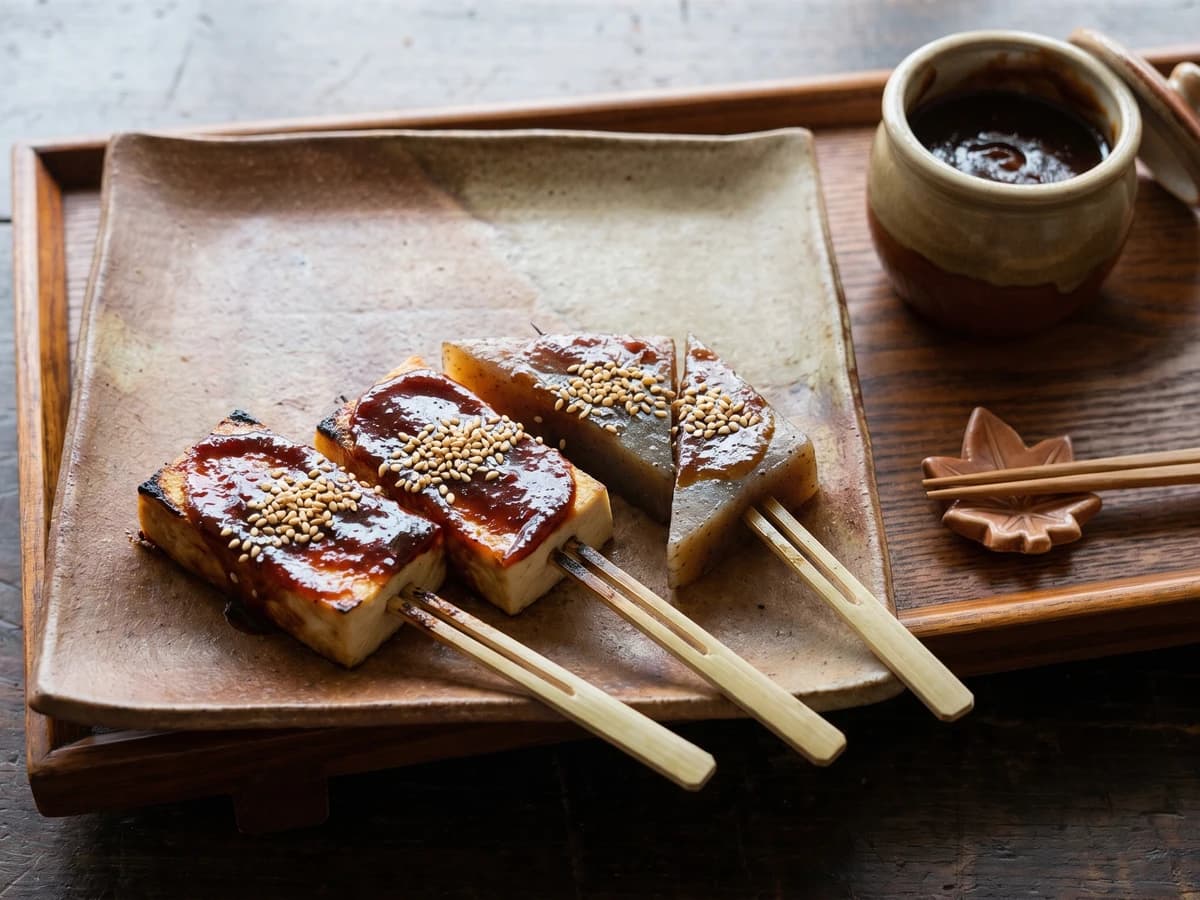
Akamiso dengaku-miso is plain work: bean miso, sweetness, sake, and patient stirring until the glaze turns dark, glossy, and thick enough to cling to the grill.
Chef Takumi
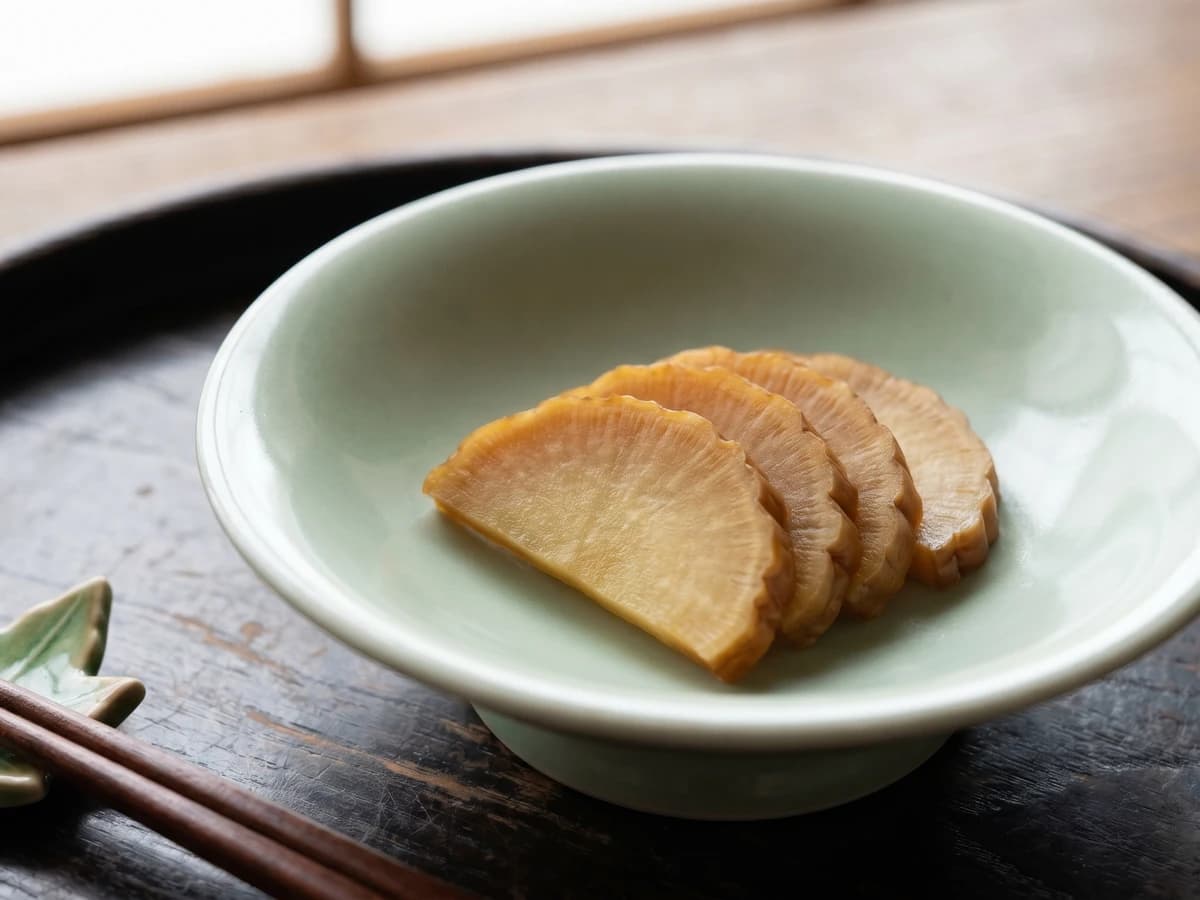
Snow-country takuan begins with smoke. Hang the daikon, dry it gently, then let rice bran, salt, and time turn it into Akita's amber pickle.

Chef Takumi
Aso takanazuke is spring caught in salt: sharp mustard greens pressed until they soften, fermented until their edge turns round, then fried briefly with sesame for rice.