
Chef Takumi
Ago Dashi (あごだし, grilled flying fish stock)
Ago dashi is quiet luxury: roasted flying fish, konbu, and patient water. Steep it slowly and you get a clear stock that tastes sweet, clean, and full without heaviness.
A cooking platform built around craft, culture, and the stories behind what we eat.
Created by
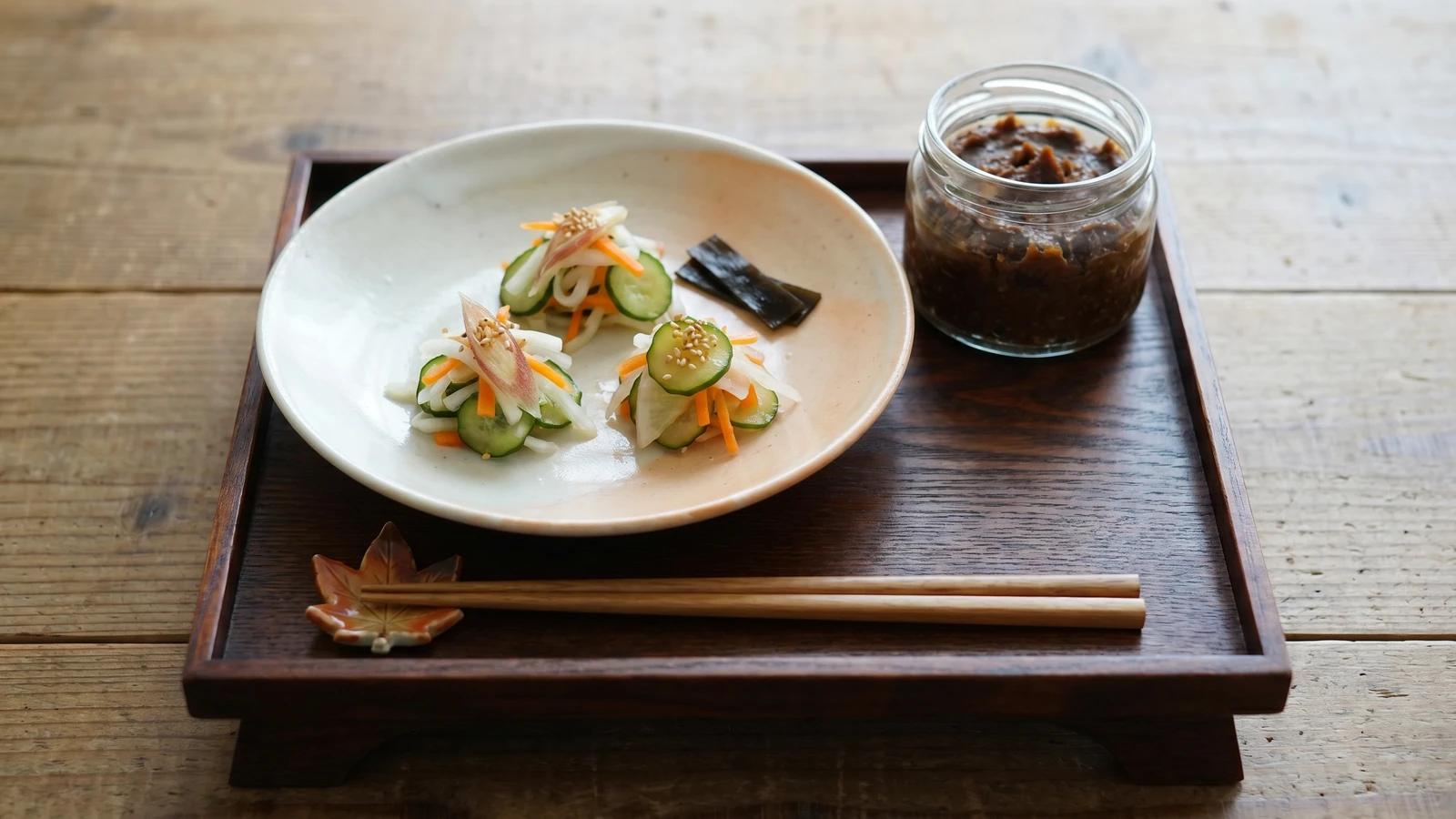
A miso bed asks for patience, not difficulty. Salt the vegetables lightly, keep the paste clean and cool, and by morning it gives you crisp pickles with deep, quiet savor.
Amiso bed looks like something secret because it sits in the refrigerator doing its work while you do nothing. Good. Let it. Yasai no misodoko is only seasoned miso, vegetables, and time, but the time changes everything.
The one detail that decides it is moisture. Vegetables carry water, and miso pulls that water out as it seasons them. Salt the vegetables first, wipe them dry, then press them into the bed. This keeps the paste from thinning too quickly and gives you pickles that taste clean, not muddy. A wet miso bed is not ruined, but it needs tending. We are cooking by attention, not by fussing.
Use vegetables at their 旬 (shun), when they have snap and sweetness of their own: cucumber in summer, myoga from summer into early autumn, daikon when the cold weather gives it weight, carrot when it tastes bright rather than woody. The miso does not hide poor vegetables. It deepens good ones.
Serve the finished pieces thinly sliced beside rice and soup, or set a few on a small plate with tea. This is the method, not the menu. Make the bed once, feed it carefully, and it will give you small dishes for weeks.
Misozuke, foods preserved or seasoned in miso, belongs to Japan's older household preserving traditions, when fermented seasonings helped carry vegetables, fish, and meat beyond their short seasons. Regional miso choices shaped the result: Kyoto cooks often favored pale, sweet Saikyō miso for gentler cures, while darker rice and barley miso were used in stronger country-style pickles. A misodoko, literally a 'miso bed,' is the reusable paste itself, tended much like other pickling beds rather than discarded after one use.
Quantity
450g
rice miso, or a blend of red and white miso
Quantity
3 tablespoons
Quantity
2 tablespoons
Quantity
1 tablespoon
Quantity
1 piece, about 5cm square
wiped clean
Quantity
2
trimmed
Quantity
200g
peeled and cut into thick batons
Quantity
1 medium
peeled and cut into thick batons
Quantity
3
trimmed
Quantity
2 teaspoons
for drawing moisture from the vegetables
| Ingredient | Quantity |
|---|---|
| misorice miso, or a blend of red and white miso | 450g |
| mirin | 3 tablespoons |
| sake | 2 tablespoons |
| sugar (optional) | 1 tablespoon |
| konbu (dried kelp)wiped clean | 1 piece, about 5cm square |
| Japanese cucumberstrimmed | 2 |
| daikonpeeled and cut into thick batons | 200g |
| carrotpeeled and cut into thick batons | 1 medium |
| myoga budstrimmed | 3 |
| sea saltfor drawing moisture from the vegetables | 2 teaspoons |
Stir the miso, mirin, sake, and sugar together until smooth. The paste should be thick enough to mound softly, not pour. Thin paste seasons unevenly and becomes watery too quickly once the vegetables go in.
Press the konbu into the miso bed. Don't wash it, just wipe away grit with a barely damp cloth. The pale bloom on good konbu is flavor, and rinsing it off is paying for food and then throwing the best part away.
Rub the cucumber, daikon, carrot, and myoga lightly with the sea salt and leave them in a shallow tray for 20 minutes. The salt draws out surface water before the miso has to do that work, which keeps the bed strong and the vegetables crisp.
Rinse off excess salt if the vegetables taste harsh, then pat them very dry with a clean towel. This is not tidiness for its own sake. Water dilutes the miso, weakens its keeping power, and makes the finished pickles taste flat.
Spread half the miso bed in a clean glass or enamel container. Lay the vegetables in a single layer, then cover completely with the remaining miso. Press out air pockets with a spoon or a piece of plastic wrap laid on the surface. Full contact means even seasoning.
Cover and refrigerate. Myoga is ready in 4 to 8 hours, cucumber in 6 to 12, daikon and carrot in 12 to 24. The longer they sit, the saltier and deeper they become, so taste early the first time and learn your miso.
Lift out only what you plan to serve. Wipe off the miso with your fingers or a damp cloth rather than rinsing hard under water. Rinsing washes away the seasoning you waited for. Slice thinly, arrange in small odd-numbered groups, and leave the plate some quiet space.
After each use, smooth the surface, remove any pooled liquid, and keep the bed covered in the refrigerator. If it loosens, stir in a spoonful of fresh miso. If it smells sharp in a bad way, grows fuzzy mold, or turns slimy, throw it away. Nothing hidden.
1 serving (about 105g)
Culinary guides, cultural storytelling, and the editorial depth that makes cooking meaningful.
Discover Culinary ExplorerChef Takumi
Ago dashi is quiet luxury: roasted flying fish, konbu, and patient water. Steep it slowly and you get a clear stock that tastes sweet, clean, and full without heaviness.
Chef Takumi
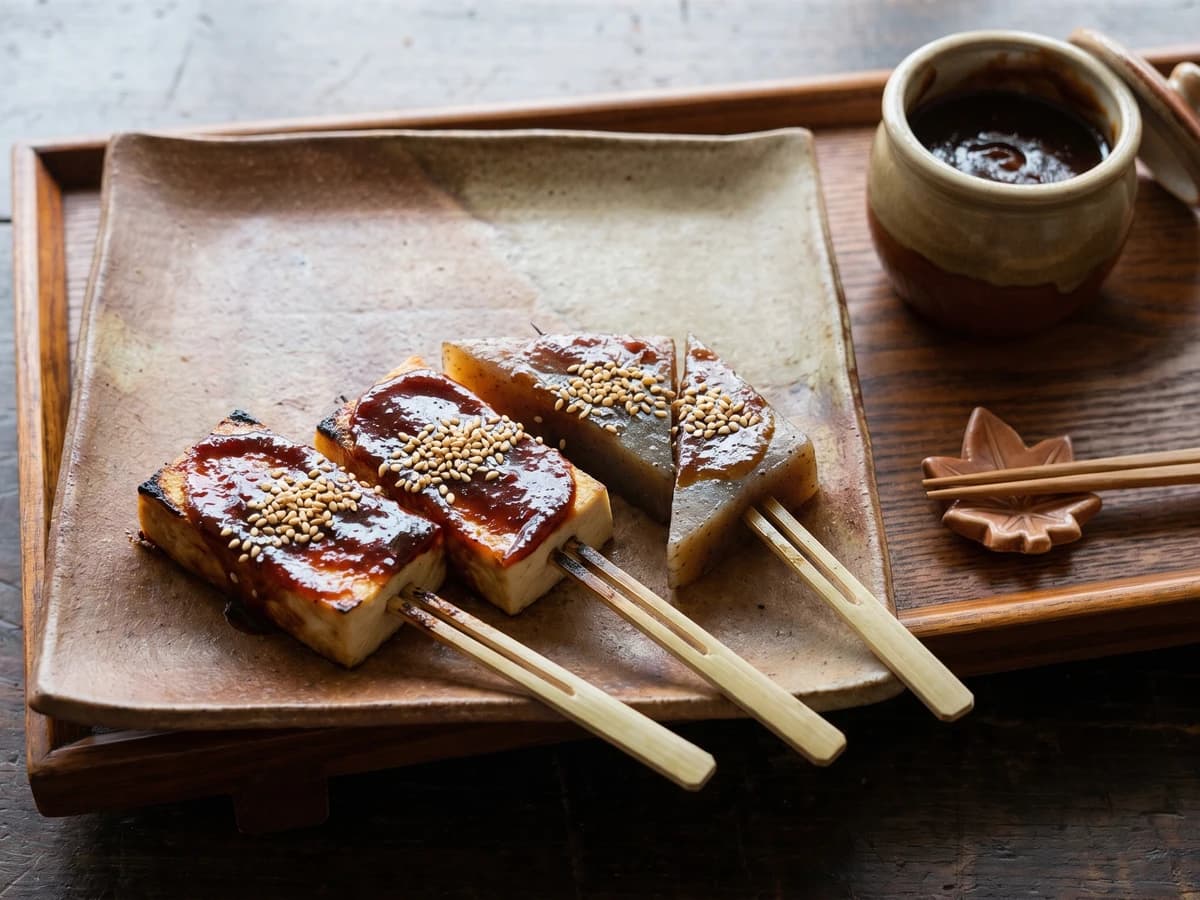
Akamiso dengaku-miso is plain work: bean miso, sweetness, sake, and patient stirring until the glaze turns dark, glossy, and thick enough to cling to the grill.
Chef Takumi
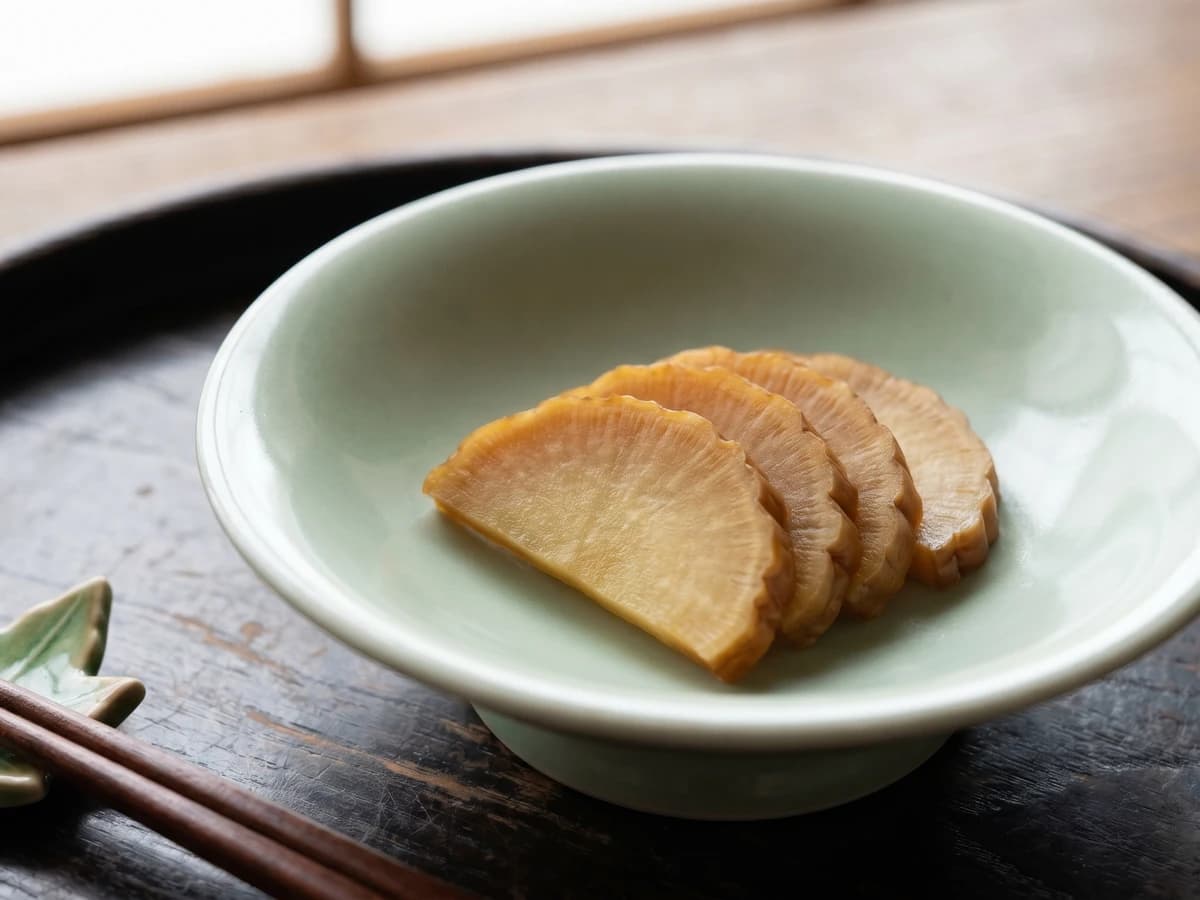
Snow-country takuan begins with smoke. Hang the daikon, dry it gently, then let rice bran, salt, and time turn it into Akita's amber pickle.

Chef Takumi
Aso takanazuke is spring caught in salt: sharp mustard greens pressed until they soften, fermented until their edge turns round, then fried briefly with sesame for rice.