
Chef Takumi
Ago Dashi (あごだし, grilled flying fish stock)
Ago dashi is quiet luxury: roasted flying fish, konbu, and patient water. Steep it slowly and you get a clear stock that tastes sweet, clean, and full without heaviness.
A cooking platform built around craft, culture, and the stories behind what we eat.
Created by
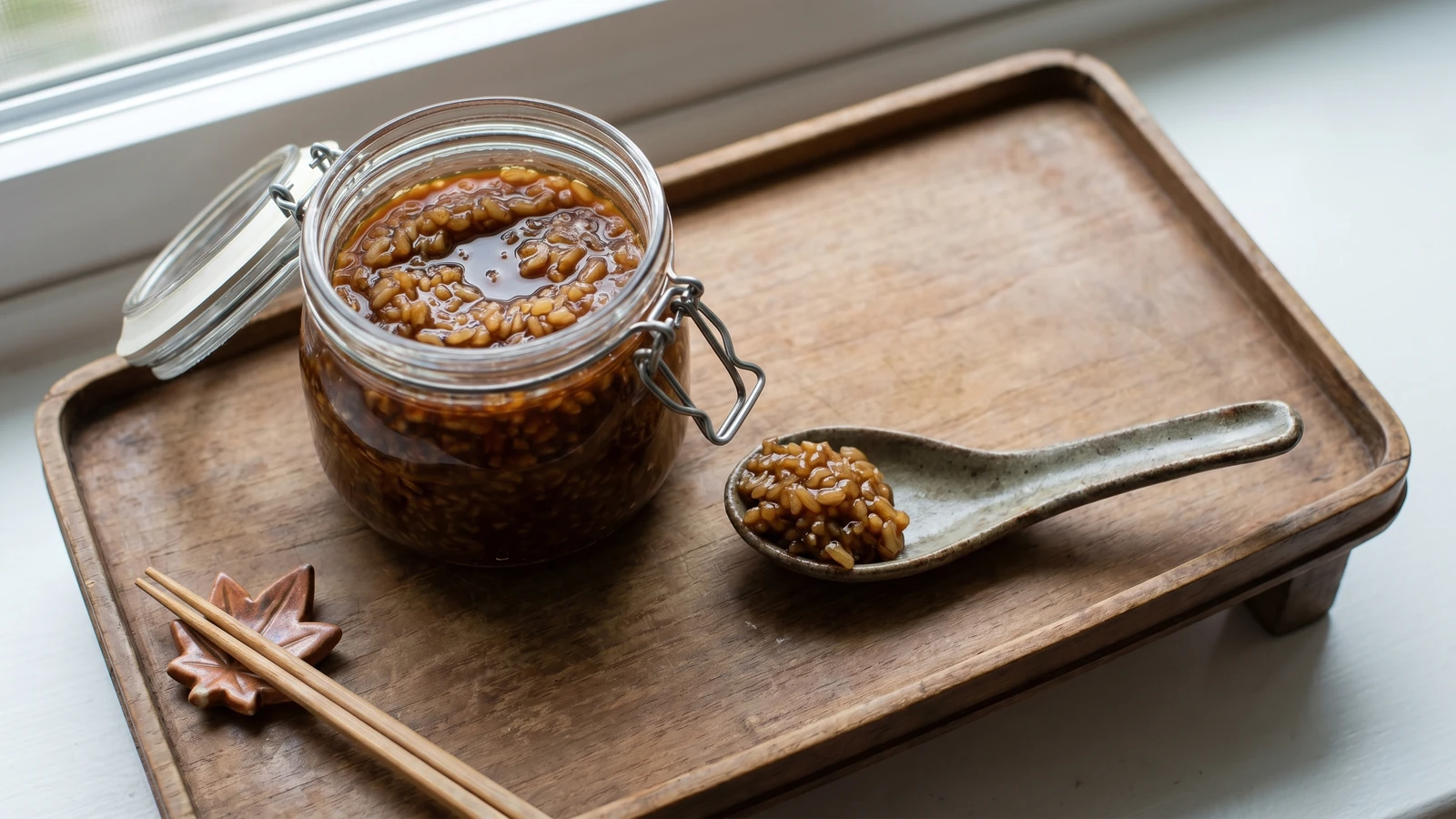
Soy sauce and rice koji need no drama: stir them together, keep them covered, and let a week of quiet fermentation turn salt into depth.
Shōyu-kōji looks like a jar of soy sauce with rice forgotten in it. That is nearly the truth, and also the trick. Koji, rice cultivated with the mold Aspergillus oryzae, brings enzymes that loosen sweetness and savor from the soy. You stir, wait, and the mixture thickens into something darker, rounder, and easier to use than plain soy sauce.
Fermentation frightens people because it sounds like a locked room full of rules. This one is a door left open. Keep the jar clean, keep the koji just covered with soy sauce, and stir every day so the grains stay wet and the surface stays even. The one detail that decides it is moisture: dry koji exposed to air hardens instead of softening, and then you have rice pebbles in salty ink. We are not doing surgery. We are keeping rice wet for a week, which is kinder work.
Use it as a marinade, but gently. Shōyu-kōji carries salt and enzymes, so it seasons deeply and tenderizes at the same time. A little time is enough for fish, a longer rest suits chicken or pork, and tofu drinks it quietly. Wipe off the excess before grilling or broiling, because koji browns quickly and then burns. Nothing hidden here, only soy, rice, time, and the plain patience that makes honmono feel almost unfairly simple.
Koji has been central to Japanese brewing since at least the Nara period, when court records mention grain molds used for making alcoholic drinks and fermented seasonings. Shōyu itself developed from medieval miso tamari into brewed soy sauce, with major production centers such as Yuasa and later Noda shaping the form used today. Shōyu-kōji is a home-scale seasoning in the same family as shio-kōji, using koji's enzymes to soften saltiness and deepen flavor before cooking.
Quantity
200g
Quantity
1 cup, plus 2 to 4 tablespoons more as needed
Quantity
1 tablespoon
| Ingredient | Quantity |
|---|---|
| dried rice koji | 200g |
| Japanese naturally brewed soy sauce | 1 cup, plus 2 to 4 tablespoons more as needed |
| mirin (optional) | 1 tablespoon |
Wash a 1-pint glass jar and lid with hot soapy water, rinse well, and let them air-dry completely. Clean equipment gives the koji the quiet place it needs. You don't need fear here, only ordinary cleanliness.
Break up the dried rice koji with clean fingers so there are no hard clumps. Each grain should be separate enough to meet the soy sauce. Clumps ferment unevenly, and the center stays dry while the outside softens.
Put the koji in the jar and pour in 1 cup soy sauce. Stir well, then press the grains down so they are just covered. If the surface looks dry after 10 minutes, add more soy sauce a tablespoon at a time. The koji drinks at first, and you want every grain wet, not floating in a flood.
Cover the jar loosely and leave it at cool room temperature, away from direct sun, for 7 days. Stir once a day with a clean spoon, scraping the sides and folding the top grains under. Stirring keeps the surface moist and lets the enzymes work evenly through the jar.
After a week, taste a little. The grains should be soft, the soy should taste round and savory rather than sharply salty, and the aroma should be clean, nutty, and soy-dark. If the rice still feels firm, give it 2 or 3 more days, stirring daily.
Tighten the lid and refrigerate. Use a clean spoon each time. For fish, spread on a thin coat and marinate 20 to 30 minutes. For chicken or pork, use 1 to 3 hours. For tofu or vegetables, 30 minutes is often enough. Wipe off excess before cooking, because the rice grains brown fast.
1 serving (about 16g)
Culinary guides, cultural storytelling, and the editorial depth that makes cooking meaningful.
Discover Culinary ExplorerChef Takumi
Ago dashi is quiet luxury: roasted flying fish, konbu, and patient water. Steep it slowly and you get a clear stock that tastes sweet, clean, and full without heaviness.
Chef Takumi
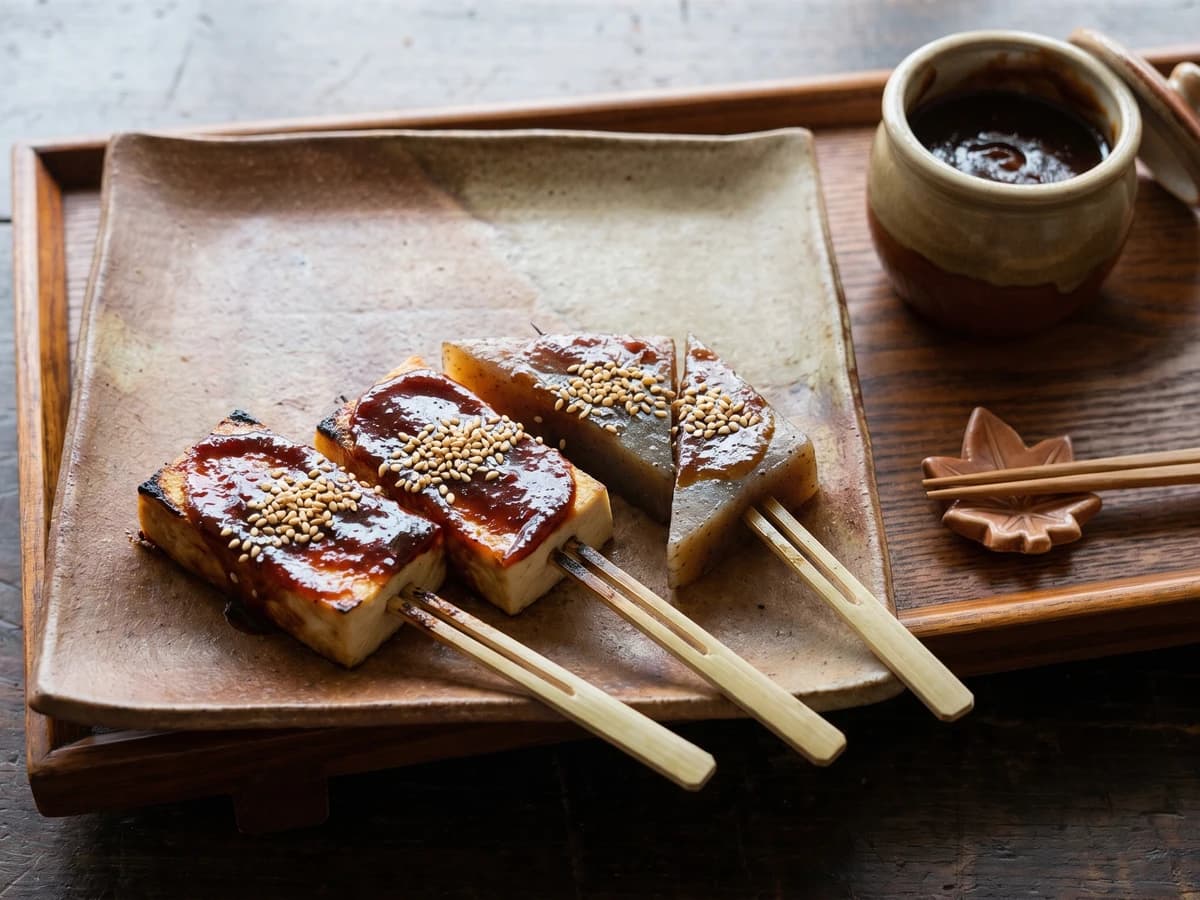
Akamiso dengaku-miso is plain work: bean miso, sweetness, sake, and patient stirring until the glaze turns dark, glossy, and thick enough to cling to the grill.
Chef Takumi
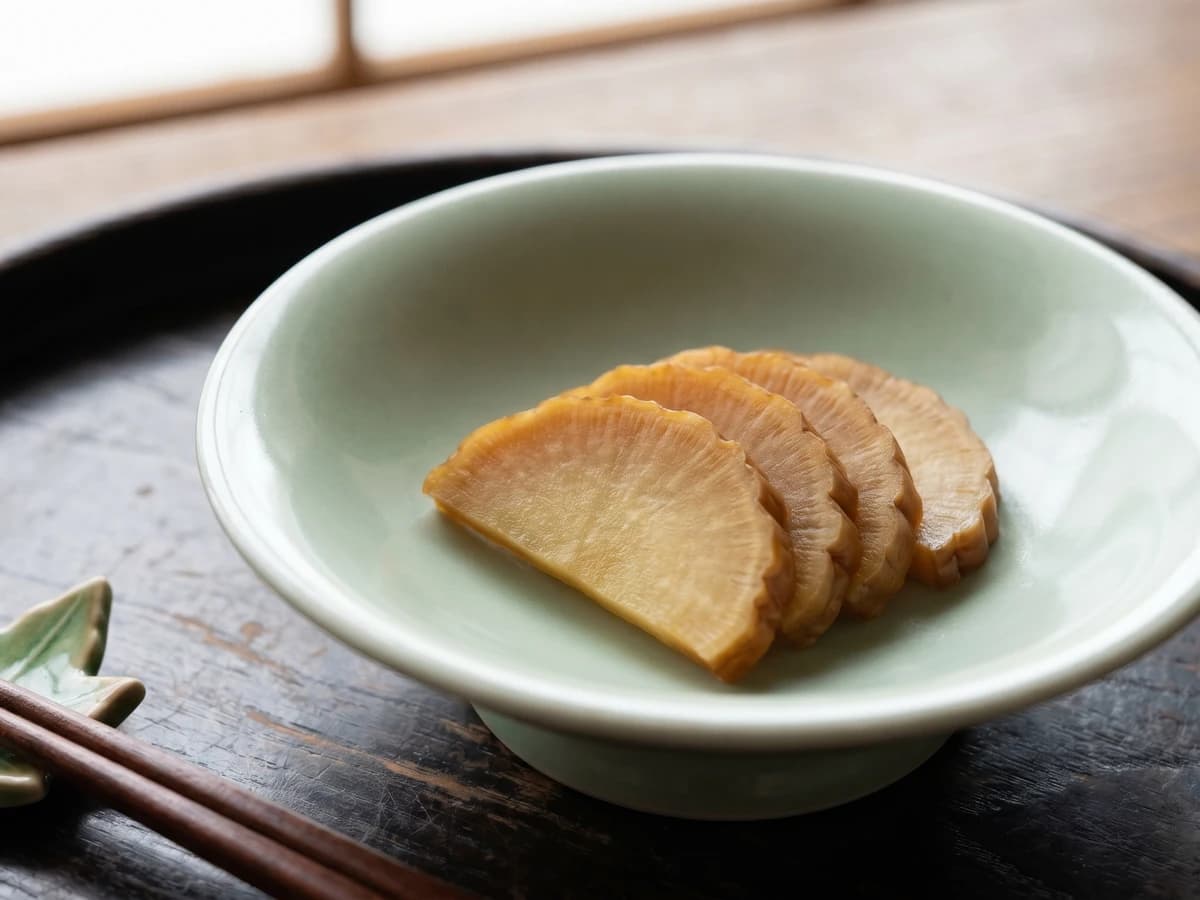
Snow-country takuan begins with smoke. Hang the daikon, dry it gently, then let rice bran, salt, and time turn it into Akita's amber pickle.

Chef Takumi
Aso takanazuke is spring caught in salt: sharp mustard greens pressed until they soften, fermented until their edge turns round, then fried briefly with sesame for rice.