
Chef Takumi
Abura Soba (油そば, brothless ramen)
Abura soba is ramen without the hiding place of soup: hot noodles, strong shōyu tare, fragrant oil, and the discipline to mix while every strand is still hot.
A cooking platform built around craft, culture, and the stories behind what we eat.
Created by
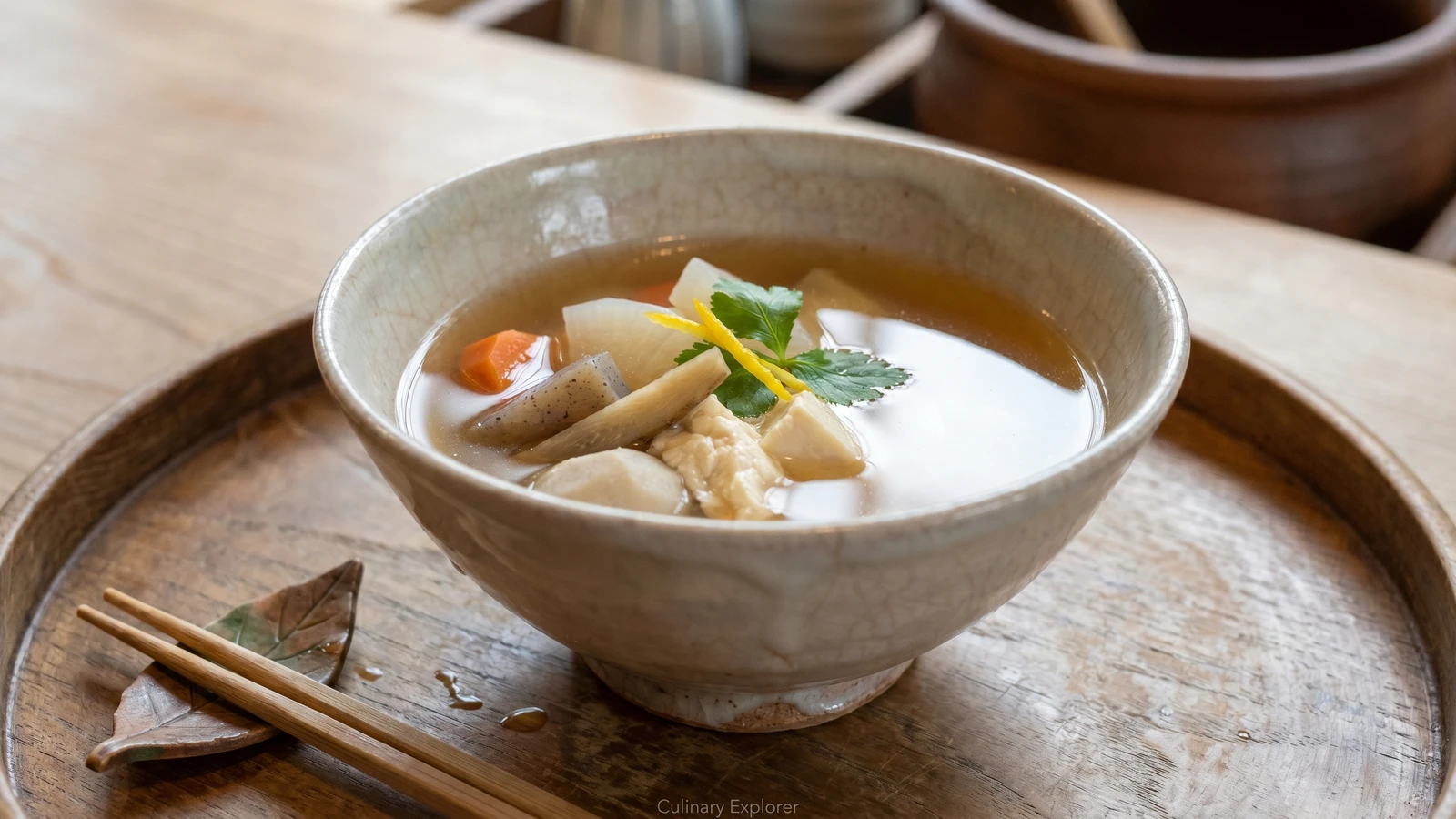
Kenchin-jiru is winter comfort from the temple kitchen: root vegetables, torn tofu, sesame oil, and a clear konbu-shiitake stock, each piece cut so the broth tastes clean.
Root vegetables tell you what month it is before the calendar does. In late autumn and winter, daikon turns sweet, gobō smells clean and earthy, satoimo softens to a gentle creaminess, and kenchin-jiru gives them all a clear bowl to speak in. This is shōjin ryōri, Buddhist temple cooking, but don't make a ceremony out of it. It is a vegetable soup, unhurried and exact.
The detail that decides it comes before the dashi. You sauté the torn tofu and the cut vegetables in sesame oil first, not to brown them, but to wake their aroma, drive off a little water, and coat each surface so the broth doesn't taste thin. The tofu is torn by hand because ragged edges drink stock better than polite cubes. A ruler has no business in this bowl.
For the stock, use konbu and dried shiitake. No bonito here, and no apology: this is honmono without animal, the way temple kitchens build depth. Lift the konbu before the water boils because boiled kelp turns the broth bitter and slick; let the shiitake steep until they give the water a brown-gold clarity. Then simmer gently, season with soy and salt, and stop while each piece still has its shape.
Kenchin-jiru sits comfortably beside rice as the soup in ichijū-sansai, but it can carry a meal by itself when the weather asks for one good bowl. Make it ahead if you like. The roots drink as they rest, and the soup becomes quieter, which in this case means better.
Kenchin-jiru is most closely associated with Kenchō-ji, the Rinzai Zen temple founded in Kamakura in 1253 by Hōjō Tokiyori. One tradition says the name began as Kenchō-jiru, the temple's vegetable soup for monks, and softened over time into kenchin-jiru; another connects kenchin to the older term kenchin or kenchen (巻繊), a Chinese-derived preparation of tofu and chopped vegetables. Both accounts place the dish in the world of shōjin ryōri, where fullness is built from vegetables, sea plants, and careful seasoning rather than fish or meat.
Quantity
5 cups
Quantity
1 piece (about 10g)
Quantity
4 medium (about 15g)
Quantity
200g
drained
Quantity
1/2 cake (about 125g)
torn into bite-size pieces
Quantity
1 small (about 100g)
scrubbed and sliced on the diagonal
Quantity
250g
peeled and cut into 1/4-inch quarter-moons
Quantity
1 medium (about 120g)
cut into 1/4-inch half-moons
Quantity
4 small (about 250g)
peeled and cut into 3/4-inch pieces
Quantity
1 tablespoon
Quantity
2 tablespoons
Quantity
3/4 teaspoon
plus more to taste
Quantity
4 fine strips
Quantity
4 small sprigs
| Ingredient | Quantity |
|---|---|
| cold water | 5 cups |
| konbu (dried kelp) | 1 piece (about 10g) |
| dried shiitake mushrooms | 4 medium (about 15g) |
| firm momen tofudrained | 200g |
| konnyakutorn into bite-size pieces | 1/2 cake (about 125g) |
| gobō (burdock root)scrubbed and sliced on the diagonal | 1 small (about 100g) |
| daikonpeeled and cut into 1/4-inch quarter-moons | 250g |
| carrotcut into 1/4-inch half-moons | 1 medium (about 120g) |
| satoimo (Japanese taro)peeled and cut into 3/4-inch pieces | 4 small (about 250g) |
| toasted sesame oil | 1 tablespoon |
| soy sauce | 2 tablespoons |
| sea saltplus more to taste | 3/4 teaspoon |
| yuzu peel (optional) | 4 fine strips |
| mitsuba (optional) | 4 small sprigs |
Very lightly wipe the konbu with a damp cloth if it has grit, but don't scrub it clean. Put the konbu, dried shiitake, and cold water in a pot and soak for at least 30 minutes, or overnight in the refrigerator if you planned ahead. Cold water draws out the kelp and mushroom flavor slowly and cleanly; hurry it with hard heat and the stock tastes flat before the soup has begun.
Set the pot over low heat and warm it slowly. When the water trembles and small bubbles climb the sides, lift out the konbu before the surface rolls. Let the shiitake stay in the hot liquid for 5 minutes more, then lift them out, strain the dashi if you see grit, trim off the tough stems, and slice the caps. Boiled konbu gives bitterness and a slick mouthfeel; the shiitake can take the heat and will return to the pot as part of the soup.
Scrub the gobō rather than peeling it bare, because much of its clean earthiness sits just under the skin. Slice it thinly on the diagonal and soak it in fresh water for 5 minutes, then drain. Cut the daikon, carrot, and satoimo so each will become tender at the same time: daikon in quarter-moons, carrot a little thinner, satoimo in thicker pieces. If the satoimo feels very slippery, rub it with a pinch of salt and rinse it; that surface starch can cloud the broth.
Tear the tofu into bite-size pieces with your hands. Tear the konnyaku the same way, then boil it in plain water for 2 minutes and drain. Ragged surfaces catch broth better than neat cubes, and the quick boil clears the konnyaku's alkaline smell before it enters the soup.
Warm the sesame oil in a wide pot over medium heat. Add the torn tofu and cook gently for 2 to 3 minutes, turning once or twice, until the water hisses away and the edges begin to firm. This is not browning for show; it gives the broth body and keeps the tofu from tasting watery.
Add the gobō and sliced shiitake first and stir for 1 minute, then add the daikon, carrot, satoimo, and konnyaku. Cook for 4 to 5 minutes, just until the surfaces glisten and the sesame oil smells nutty. You are waking the roots, not roasting them. Too much color would pull the soup away from its clean temple character.
Pour in the strained dashi and bring it to a quiet simmer. Skim off any foam, then cook for 18 to 22 minutes, until the daikon is translucent at the edges and the satoimo yields to a skewer without falling apart. If the vegetables bob above the broth in a wide pot, lay on a wooden drop-lid, or a circle of parchment with a small center hole, so they stay under the liquid without stirring.
Add the soy sauce and salt, then simmer for 3 minutes more. Seasoning late keeps the soy's fragrance clear and lets you judge the broth after the vegetables have given it their sweetness. Taste once. It should be savory and quiet, not salty enough to shout over the rice.
Turn off the heat and let the soup rest for 10 minutes before serving. The roots drink a little broth as they sit, and the pot becomes rounder for it. Ladle into bowls with a few pieces of each vegetable and tofu visible, then finish with a strip of yuzu peel or a small sprig of mitsuba if you have them. Leave the bowl some room.
1 serving (about 540g)
Culinary guides, cultural storytelling, and the editorial depth that makes cooking meaningful.
Discover Culinary ExplorerChef Takumi
Abura soba is ramen without the hiding place of soup: hot noodles, strong shōyu tare, fragrant oil, and the discipline to mix while every strand is still hot.
Chef Takumi
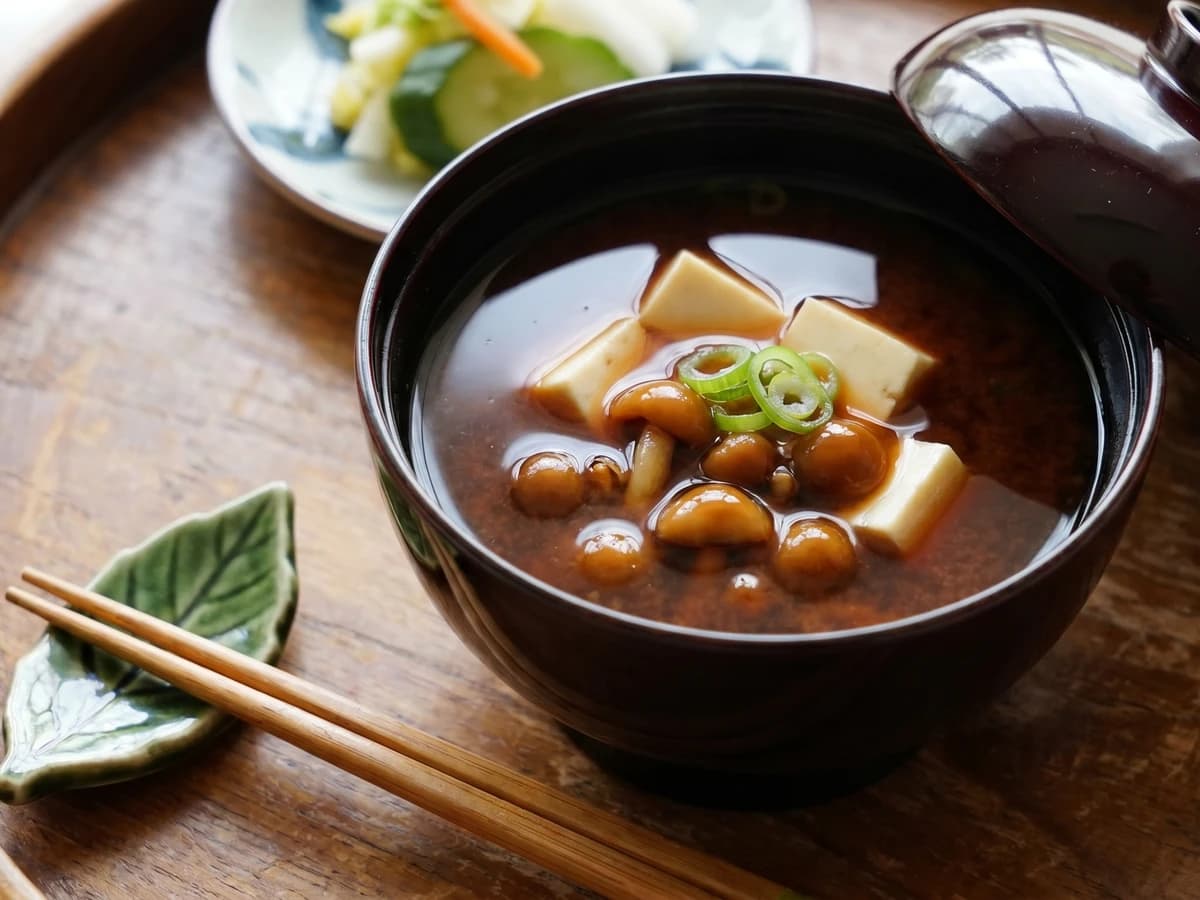
Akadashi asks you to trust the dark miso. Build a clear dashi, loosen the Hatchō mame-miso gently, and the soup turns coffee-dark, savory, and clean.

Chef Takumi
Toast the rice until its skin is firm, then let it meet chicken broth, burdock, maitake, and seri. The pot looks grand, but the work is rice, broth, and patience.
Chef Takumi
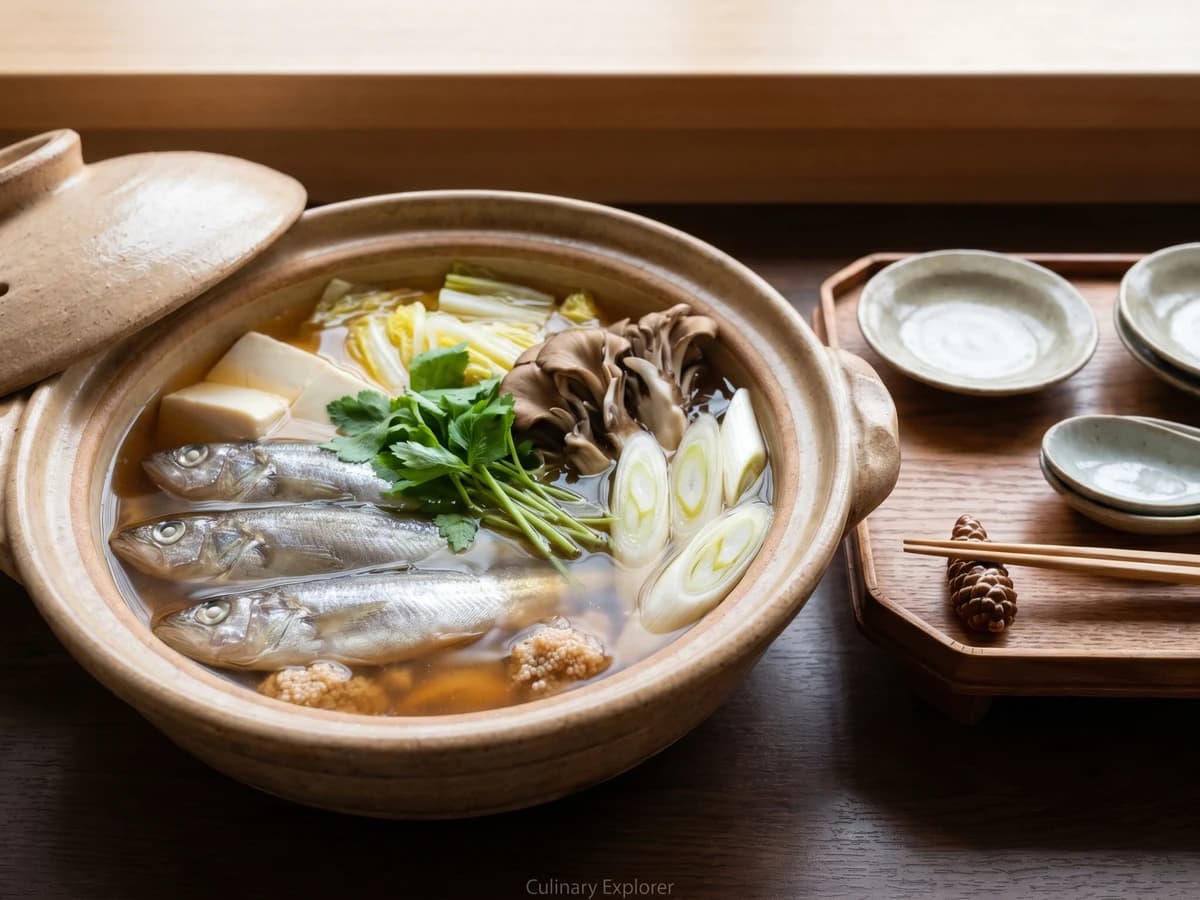
Shottsuru nabe is Akita winter in one pot: clean dashi, hatahata at shun, tofu and napa cabbage carrying a salt-deep broth without anything heavy enough to hide the fish.