
Chef Takumi
Aji Fry (アジフライ, panko-fried horse mackerel)
Aji fry is weeknight fish with no mystery: fresh horse mackerel opened cleanly, breaded lightly, and fried until the panko crackles while the flesh stays sweet.
A cooking platform built around craft, culture, and the stories behind what we eat.

Created by
A good butadon is pork, rice, and a tare that catches at the edge of the grill. The trick is not heaviness. It is timing.
Butadon looks like a bowl built by appetite alone: sheets of pork laid over rice, glossy with sweet soy tare, no apology made for comfort. Good. Comfort doesn't need to be shy. What it does need is restraint, because the Obihiro bowl works only when the pork stays clean under the sauce.
The one detail that decides it is the second brushing. Grill the pork once to cook it, dip or brush it with tare, then return it briefly to the fire so the sugars darken and cling. Sauce poured over cooked meat tastes flat and wet. Sauce kissed by flame becomes part of the surface, soy-dark and just a little charred at the edges.
Choose pork with a little fat through it, loin for neatness or shoulder loin for more savor. Slice it thin enough to cook quickly, but not so thin it dries before the tare can shine. The rice matters too. Short-grain rice catches the sauce without turning soupy, and it gives the bowl its calm center. This is quick food, yes, but not careless food. The method is plain, the result is honmono, and nothing is hidden under too much sauce.
Obihiro butadon developed in Tokachi, Hokkaido, in the early Shōwa period, when local pork farming grew and rice bowls suited railway travelers and workers who needed a fast, filling meal. The dish is often associated with Pancho, an Obihiro shop that began serving pork rice bowls in 1933 and helped fix the local style: grilled pork, sweet soy tare, and rice. Unlike gyūdon, which is simmered, Obihiro butadon is defined by grilling and glazing.
Quantity
300g
sliced 1/4 inch thick
Quantity
2 bowls
freshly cooked
Quantity
1/4 cup
Quantity
3 tablespoons
Quantity
2 tablespoons
Quantity
2 tablespoons
Quantity
1 teaspoon
grated
Quantity
1 teaspoon
Quantity
1 tablespoon
thinly sliced
Quantity
1 teaspoon
Quantity
for serving
| Ingredient | Quantity |
|---|---|
| pork loin or shoulder loinsliced 1/4 inch thick | 300g |
| Japanese short-grain ricefreshly cooked | 2 bowls |
| soy sauce | 1/4 cup |
| mirin | 3 tablespoons |
| sake | 2 tablespoons |
| sugar | 2 tablespoons |
| ginger (optional)grated | 1 teaspoon |
| neutral oil (optional) | 1 teaspoon |
| scallion (optional)thinly sliced | 1 tablespoon |
| toasted white sesame seeds (optional) | 1 teaspoon |
| beni shōga (red pickled ginger) (optional) | for serving |
Put the soy sauce, mirin, sake, sugar, and ginger if using into a small saucepan. Bring it to a gentle simmer and cook for 6 to 8 minutes, until glossy and lightly thickened. It should coat the back of a spoon but still run. Reduce it too far and it turns salty and heavy before the pork ever meets the fire.
Pat the pork dry and cut any wide slices into pieces that will sit neatly over the bowl. Dry meat browns; wet meat steams against the grill or pan and loses the clean surface you need for the glaze. If the slices have a band of fat, snip it in a few places so they don't curl hard as they cook.
Heat a grill, shichirin, or grill pan until very hot. If using a pan, wipe it with a thin film of oil. Lay the pork down in a single layer and cook just until the underside browns, about 60 to 90 seconds, then turn and cook the second side. Don't crowd it. Crowding drops the heat, and then the pork boils in its own juices like a sad little meeting.
Brush the pork with tare, turn it, brush the other side, and cook for 15 to 30 seconds per side, just until the glaze darkens and clings. Repeat once if you want a deeper lacquer, but stop before the sugar burns black. The point is a soy-dark edge, not bitterness.
Spoon hot short-grain rice into two donburi bowls, filling each about two-thirds full. Drizzle a little warm tare over the rice, no more than a tablespoon per bowl. The rice should catch the seasoning and stay distinct, not swim.
Lay the pork over the rice in overlapping sheets, five or seven pieces if the slices are small, keeping the rim clean. Spoon over a final small ribbon of tare. Finish with scallion, sesame, or beni shōga if using, then serve at once while the glaze still shines.
1 serving (about 365g)
Culinary guides, cultural storytelling, and the editorial depth that makes cooking meaningful.
Discover Culinary ExplorerChef Takumi
Aji fry is weeknight fish with no mystery: fresh horse mackerel opened cleanly, breaded lightly, and fried until the panko crackles while the flesh stays sweet.
Chef Takumi
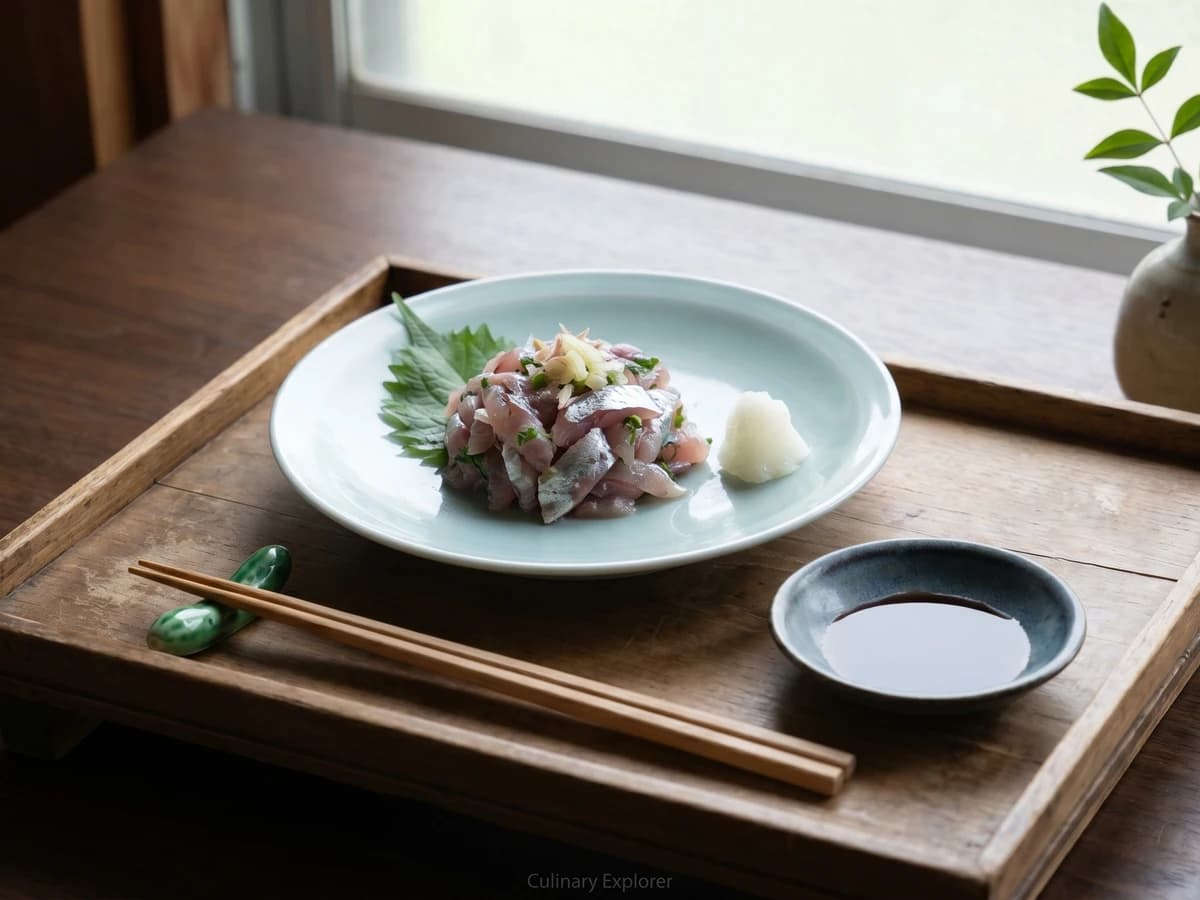
Summer horse mackerel, chopped just enough to catch ginger and scallion, becomes a cool, clean main dish with rice. The secret is fresh fish and a knife that does not bruise it.
Chef Takumi
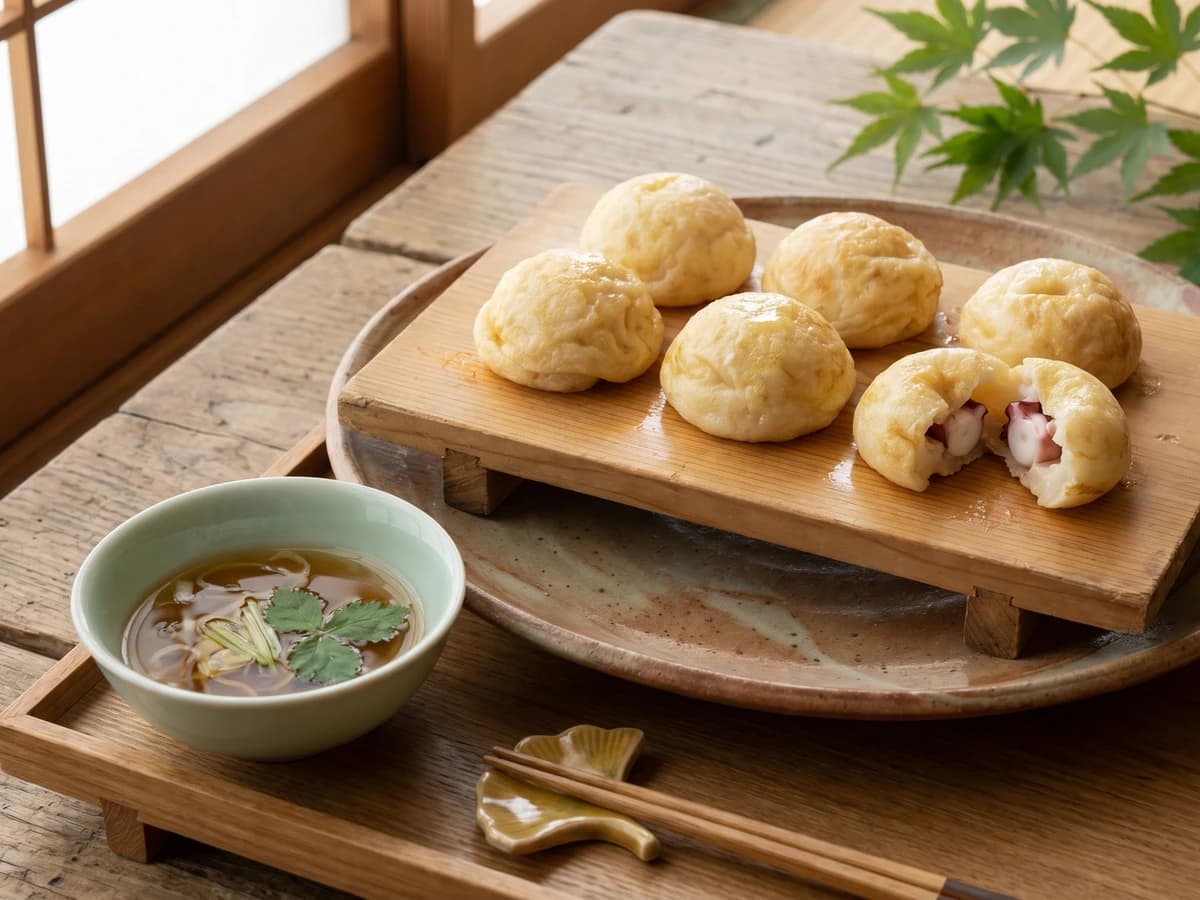
Akashi-yaki is not sauced takoyaki. It is egg-rich batter, tender octopus, and clear dashi, cooked pale and soft so each ball can be dipped like a small custard dumpling.

Chef Takumi
A whole anago looks like a test of nerve. It is mostly good sourcing, a dry skin, cold batter, and oil hot enough to leave the eel sweet under its lace.