
Chef Takumi
Agar Jelly with Anko and Fruit (あんみつ, Anmitsu)
Anmitsu looks like a tray of small tasks, but the work is calm: dissolve the kanten fully, chill the pieces clean, then let fruit, anko, and kuromitsu do the speaking.
A cooking platform built around craft, culture, and the stories behind what we eat.
Created by
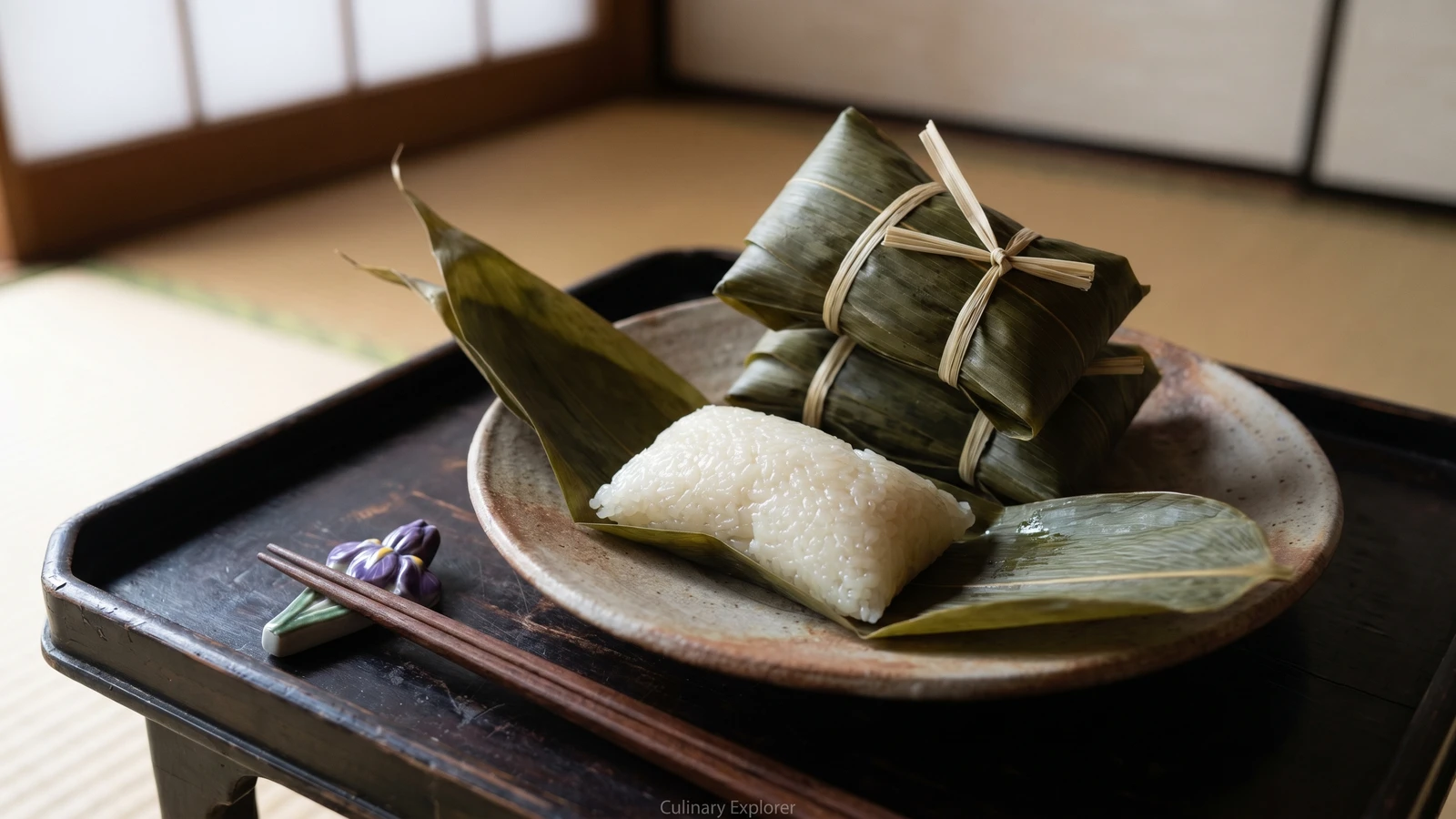
Chimaki looks ceremonial because the leaves do their work in silence: they shape the rice, scent it lightly, and turn a plain dumpling into May 5 food.
Chimaki begins with the leaf. Not sugar, not decoration, not a clever filling. The long bamboo leaf is the first secret, because it gives the rice its narrow shape and that clean green fragrance you notice before you taste anything.
The wrapping is what makes people hesitate. It looks like a lesson in knots, and people are very talented at making knots sound like mathematics. It isn't difficult, only unfamiliar. Soften the leaves, overlap them into a cone, fill lightly, then tie with a rush or kitchen twine. Leave the rice room to swell. Pack it tight and the dumpling turns heavy in the center, which is a sad ending for perfectly good mochigome.
This is food for Tango no Sekku, the fifth day of the fifth month, now Children's Day. In Kansai, chimaki often takes the place that kashiwamochi holds around Tokyo: a wrapped rice sweet on the seasonal table, meant to carry blessing as much as flavor. The taste is restrained, just glutinous rice, a little sugar, a pinch of salt, and the green breath of the leaf. Honmono does not need to shout.
Chimaki entered Japan from China, where leaf-wrapped rice dumplings were tied to the fifth day of the fifth lunar month and the Duanwu festival. In Japan, the custom became part of Tango no Sekku, and by the Edo period a regional divide was clear: chimaki remained especially strong in Kyoto and Kansai, while kashiwamochi became more common in the east. The name is often linked to older wrappings of chigaya, a grass used before bamboo leaves became standard.
Quantity
2 cups
rinsed and soaked 2 hours
Quantity
8 large, plus extras
soaked until pliable
Quantity
8 lengths
Quantity
3 tablespoons
Quantity
1/2 teaspoon
Quantity
as needed
for soaking and steaming
| Ingredient | Quantity |
|---|---|
| mochigome (glutinous rice)rinsed and soaked 2 hours | 2 cups |
| dried bamboo leavessoaked until pliable | 8 large, plus extras |
| igusa rushes or kitchen twine | 8 lengths |
| sugar | 3 tablespoons |
| sea salt | 1/2 teaspoon |
| waterfor soaking and steaming | as needed |
Rinse the mochigome in several changes of water until the water runs mostly clear, then soak it for 2 hours. Rinsing removes surface starch that would make the dumplings gummy outside before the centers cook. Soaking lets the grains drink evenly, which gives chimaki its tender chew instead of a hard core.
Pour boiling water over the dried bamboo leaves and leave them until pliable, about 20 minutes. Wipe each leaf gently to remove grit, then pat dry. The leaf must bend without cracking, because a split leaf lets rice escape and steals the clean shape you were trying to make.
Drain the soaked rice very well, then toss it with the sugar and salt. The seasoning is modest on purpose. Chimaki should taste first of rice and leaf, with the sweetness sitting quietly behind them.
Overlap one or two bamboo leaves to make a narrow cone, glossy side inward. Spoon in the rice until the cone is about three-quarters full, fold the leaves over the top, and tie firmly with igusa or kitchen twine. Firmly is not tightly. The rice needs space to swell, and that small mercy decides the texture.
Set the wrapped chimaki in a steamer with space between them and steam over steady medium heat for 40 to 45 minutes. Keep the water at an even boil below the basket, not a violent one. Gentle, steady heat cooks the rice through without forcing water into the packets.
Lift the chimaki from the steamer and let them rest 10 minutes before serving. The rice firms as it settles, and the leaf fragrance stays close to the surface. Serve warm or at room temperature, still wrapped, so each person opens the leaf at the table.
1 serving (about 110g)
Culinary guides, cultural storytelling, and the editorial depth that makes cooking meaningful.
Discover Culinary ExplorerChef Takumi
Anmitsu looks like a tray of small tasks, but the work is calm: dissolve the kanten fully, chill the pieces clean, then let fruit, anko, and kuromitsu do the speaking.

Chef Takumi
A cool square of almond-scented milk, set softly and served with mikan in thin syrup, is dinner-party food without theater. The only stern demand is restraint with the fragrance.

Chef Takumi
Azuki bar asks for patience twice: once while the beans soften, and once while the frozen bar yields. That hardness is not a flaw. It is the character of the thing.
Chef Takumi
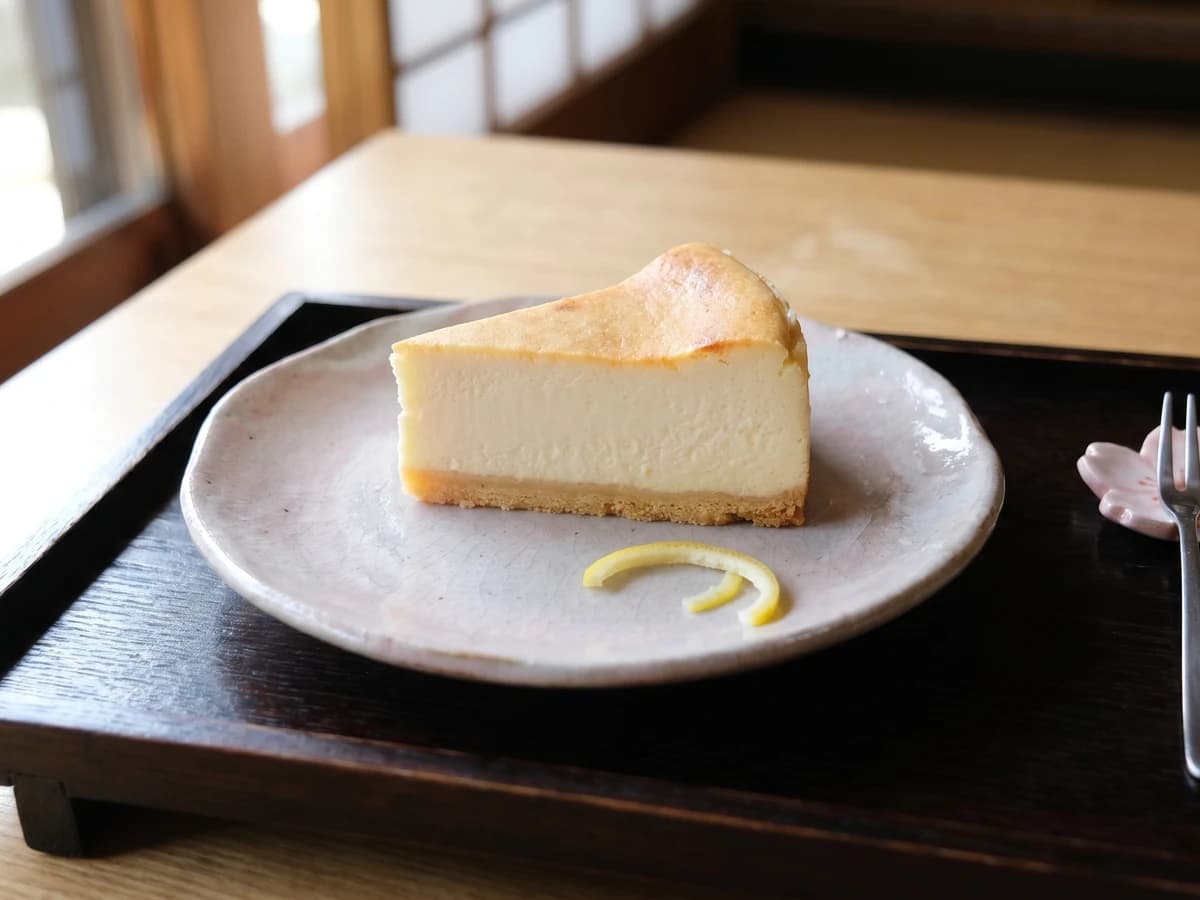
A Japanese baked cheesecake is not trying to float away. It is dense, smooth, and quietly tart, with a clean slice doing the work of decoration.