
Chef Takumi
Agar Jelly with Anko and Fruit (あんみつ, Anmitsu)
Anmitsu looks like a tray of small tasks, but the work is calm: dissolve the kanten fully, chill the pieces clean, then let fruit, anko, and kuromitsu do the speaking.
A cooking platform built around craft, culture, and the stories behind what we eat.

Created by
This is confectionery reduced to its clearest form: fine Awa wasanbon, a breath of moisture, firm pressing, and enough drying time for each tiny shape to hold.
Wasanbon higashi looks like it belongs to people with special rooms, special trays, and very calm sleeves. Don't be frightened by it. The sweet itself is almost sternly simple: fine sugar, the smallest amount of moisture, and a mold.
The one detail that decides it is the dampness. Too dry, and the sugar won't hold the shape. Too wet, and it turns heavy, spotted, and dull. You want the mixture to clump when squeezed in your palm, then crumble apart when rubbed between your fingers. That is not a poetic test. It is the whole craft hiding in your hand.
In tea, higashi is served before thin tea, usucha, where its sweetness softens the bitterness of matcha without weighing the mouth down. Wasanbon is right for this because it dissolves so quickly, leaving a quiet cane sweetness and almost no grit. Press the pieces small. Leave them room. A sweet this restrained becomes clumsy if you crowd it.
Wasanbon sugar developed in the late Edo period in the old Awa and Sanuki provinces, now Tokushima and Kagawa, where a slender local sugarcane called chikutō was cultivated for fine sugar. Tokushima's Awa wasanbon is traditionally refined by repeated kneading and pressing, a process called togi, which removes molasses little by little while preserving a pale color and delicate cane aroma. Its fineness made it prized for tea sweets, especially pressed higashi served with matcha.
Quantity
100g
Quantity
1 to 1 1/2 teaspoons
added drop by drop
Quantity
1 teaspoon
warmed slightly if stiff
Quantity
a pinch
for dusting the mold only if needed
| Ingredient | Quantity |
|---|---|
| Awa wasanbon sugar | 100g |
| wateradded drop by drop | 1 to 1 1/2 teaspoons |
| mizuame (Japanese starch syrup) (optional)warmed slightly if stiff | 1 teaspoon |
| potato starch or cornstarch (optional)for dusting the mold only if needed | a pinch |
Sift the wasanbon into a wide bowl. Don't skip this. Fine sugar still forms small lumps in storage, and those lumps make weak spots in the molded sweet. You want an even powder before you add any moisture.
Sprinkle in 1 teaspoon water, or the mizuame mixed with 1/2 teaspoon water, and rub it through the sugar with your fingertips. Add more water only a few drops at a time. The mixture should hold together when squeezed firmly, then break back into soft crumbs when rubbed. If it feels like wet sand, you've gone too far.
Press the damp sugar through a medium sieve. This looks fussy, and it isn't. Sieving after moistening makes the texture even, so the mold fills cleanly and the finished surface doesn't show clots or cracks.
Lightly dust a dry wooden kashigata mold with starch only if your mold tends to stick, then tap out every excess speck. Pack the sugar into each cavity in small additions, pressing firmly with your thumb or a flat spatula. Firm pressure is what makes the sweet hold; decoration alone won't save a loose center.
Scrape the back level with a straight edge, then tap the mold gently but decisively onto parchment. If a piece breaks, crumble it back into the bowl and press it again. This is sugar, not surgery, though some tea people try to make it sound that way.
Leave the sweets uncovered in a dry place for 6 hours, or overnight if the room is humid. They should feel dry on the surface and lift without bending or smearing. Store them in an airtight tin with a small packet of desiccant, and keep them away from heat and kitchen smells.
1 serving (about 5g)
Culinary guides, cultural storytelling, and the editorial depth that makes cooking meaningful.
Discover Culinary ExplorerChef Takumi
Anmitsu looks like a tray of small tasks, but the work is calm: dissolve the kanten fully, chill the pieces clean, then let fruit, anko, and kuromitsu do the speaking.

Chef Takumi
A cool square of almond-scented milk, set softly and served with mikan in thin syrup, is dinner-party food without theater. The only stern demand is restraint with the fragrance.

Chef Takumi
Azuki bar asks for patience twice: once while the beans soften, and once while the frozen bar yields. That hardness is not a flaw. It is the character of the thing.
Chef Takumi
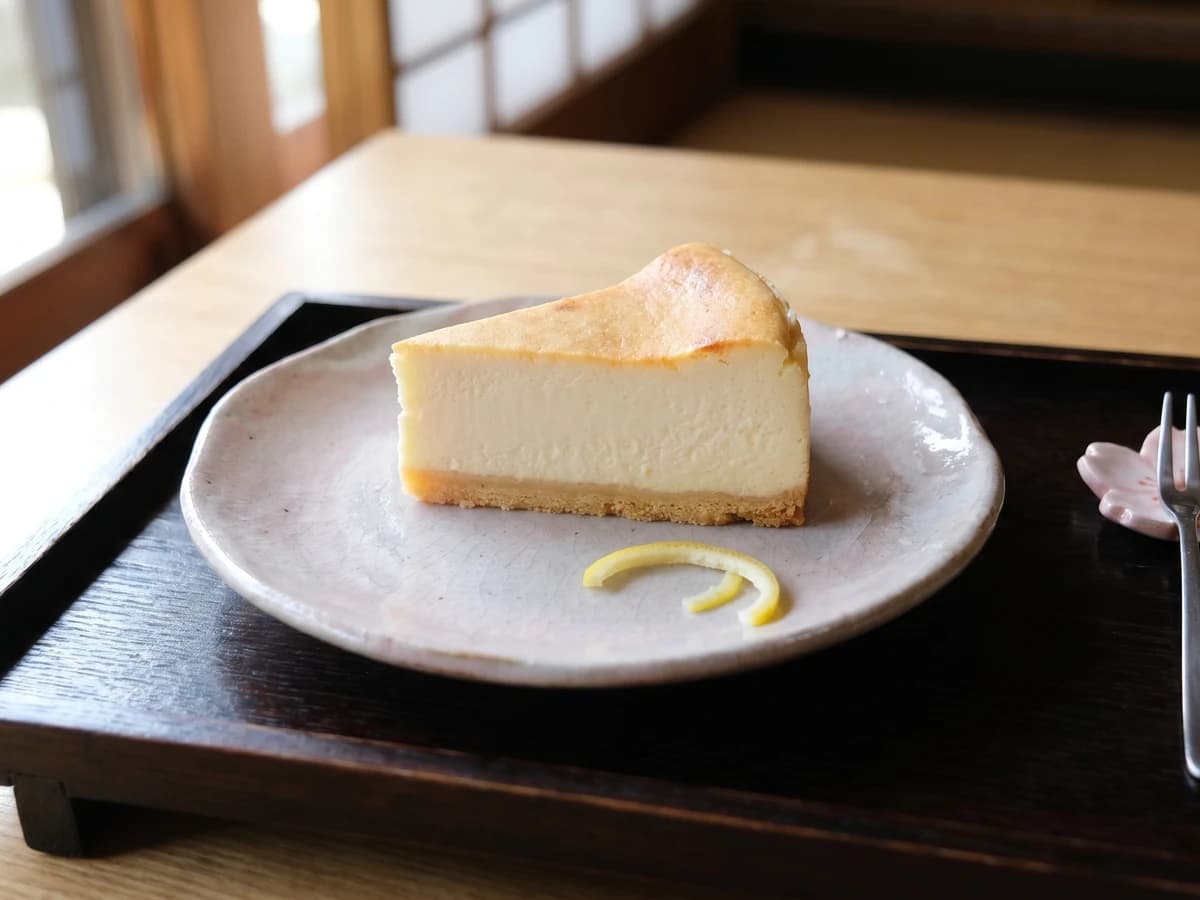
A Japanese baked cheesecake is not trying to float away. It is dense, smooth, and quietly tart, with a clean slice doing the work of decoration.