
Chef Takumi
Agar Jelly with Anko and Fruit (あんみつ, Anmitsu)
Anmitsu looks like a tray of small tasks, but the work is calm: dissolve the kanten fully, chill the pieces clean, then let fruit, anko, and kuromitsu do the speaking.
A cooking platform built around craft, culture, and the stories behind what we eat.

Created by
Kantō sakuramochi is a spring sweet with a thin pink skin, smooth anko, and one salted cherry leaf doing quiet work. The pan is gentle, the wrapper pale, the leaf the perfume.
The cherry leaf decides this sweet before the batter touches the pan. Salt-pickled sakura leaf brings the spring scent, a little almond, a little green, and enough salt to make the anko taste clearer. Without it you have a pink pancake around bean paste. Pleasant, yes. Sakuramochi, no.
People often hesitate because wagashi looks like it was made by someone with colder hands and a stricter soul. This Kantō version is friendlier than that. Chōmeiji style is a thin pan-cooked skin, not the granular Dōmyōji rice cake of Kansai, and if you can cook a small crepe without browning it, you're already inside the gate.
The one detail is heat. Keep the pan low, wipe the oil almost away, and cook the batter until the wet shine disappears but no color forms. Browning gives you pancake flavor, which is brave in the wrong direction. The skin should stay soft, pale pink, and quiet, because the leaf and the koshian do the speaking.
Serve it in spring, especially for hanami, flower viewing, when the season is not decoration but the point. Wrap each one and let it rest so the leaf perfumes the skin. Eat it leaf and all if the salt balance is right. 本物 (honmono, the real thing) does not need fuss. It needs restraint.
Kantō-style sakuramochi is tied to Chōmeiji in Mukōjima, beside the Sumida River in Edo, where Yamamoto Shinroku is said to have begun selling the sweet in 1717. The Chōmeiji form uses a thin pan-cooked wheat skin folded around koshian and wrapped in salt-pickled cherry leaves, a contrast to the Kansai Dōmyōji style made from steamed coarse glutinous rice. Ōshima-zakura leaves became prized for pickling because the cured leaf gives the sweet its almond-like spring fragrance.
Quantity
10 large leaves
rinsed, soaked, and patted dry
Quantity
250g
divided into ten 25g portions
Quantity
20g
Quantity
80g
sifted
Quantity
15g
Quantity
1 small pinch
Quantity
160ml
plus 1 to 2 tablespoons more if needed
Quantity
1 tiny drop
or a toothpick touch
Quantity
a few drops
for wiping the pan
| Ingredient | Quantity |
|---|---|
| salt-pickled sakura leaves (sakura no ha shiozuke)rinsed, soaked, and patted dry | 10 large leaves |
| koshian (smooth sweet red bean paste)divided into ten 25g portions | 250g |
| shiratamako (glutinous rice flour) | 20g |
| cake floursifted | 80g |
| granulated sugar | 15g |
| fine sea salt | 1 small pinch |
| cool waterplus 1 to 2 tablespoons more if needed | 160ml |
| red food coloringor a toothpick touch | 1 tiny drop |
| neutral oilfor wiping the pan | a few drops |
Rinse each pickled leaf under cool water to remove visible salt, then soak in fresh cold water for 10 to 15 minutes. Taste a tiny torn edge. It should be pleasantly salty and floral, not harsh. Pat the leaves very dry and keep them covered. The soak is not housekeeping; it sets the balance between salt, leaf perfume, and bean paste.
Divide the koshian into ten 25g pieces and roll each into a short oval about 7cm long. Set them on parchment and chill while the batter rests. Even, cool filling makes the folding calm and keeps you from pressing so hard that the thin skin tears.
Put the shiratamako in a bowl and add 3 tablespoons of the measured water. Rub it with a spatula until no dry pebbles remain. Shiratamako clumps if you flood it all at once, and those clumps show up clearly in a crepe this thin.
Whisk in the remaining water, sugar, salt, and a tiny touch of color, aiming for the palest blossom pink. Sift in the cake flour and stir only until smooth, then strain the batter and rest it for 20 minutes. Resting hydrates the flour and relaxes the batter; beating it hard makes a chewy wrapper, and this sweet wants tenderness.
Set a tamagoyaki pan or small nonstick skillet over low heat. Wipe it with neutral oil, then wipe again until the pan looks almost dry. A test drop of batter should set without a loud sizzle. Oil makes freckles, heat makes browning, and both pull the sweet toward breakfast pancake.
Stir the batter gently. Pour in about 1 1/2 tablespoons and spread it into an oval or soft rectangle, about 10 x 12cm. Cook for 60 to 90 seconds, until the top loses its wet shine and the edge lifts; flip for 5 seconds only if the surface is tacky. Lift it to a tray under a damp towel and repeat. If a skin colors, lower the heat. The wrapper should stay flexible and quiet; the cherry leaf will bring the character.
Place one anko oval across the center of a skin. Fold one long side over, then the other, keeping the smoother pan side outward and the seam underneath. Set it on a cherry leaf and wrap the leaf around the middle. Don't pull tight. The skin is thin because Kantō style is meant to feel light, and the leaf needs contact, not a bandage.
Arrange the sakuramochi seam-side down, cover loosely, and rest for 30 minutes at cool room temperature before serving. This gives the leaf time to season the wrapper and settle against the anko. Serve the same day. When the salt is right, eat leaf and all; if your leaves are fierce, peel it back at the table and soak longer next time.
1 serving (about 52g)
Culinary guides, cultural storytelling, and the editorial depth that makes cooking meaningful.
Discover Culinary ExplorerChef Takumi
Anmitsu looks like a tray of small tasks, but the work is calm: dissolve the kanten fully, chill the pieces clean, then let fruit, anko, and kuromitsu do the speaking.

Chef Takumi
A cool square of almond-scented milk, set softly and served with mikan in thin syrup, is dinner-party food without theater. The only stern demand is restraint with the fragrance.

Chef Takumi
Azuki bar asks for patience twice: once while the beans soften, and once while the frozen bar yields. That hardness is not a flaw. It is the character of the thing.
Chef Takumi
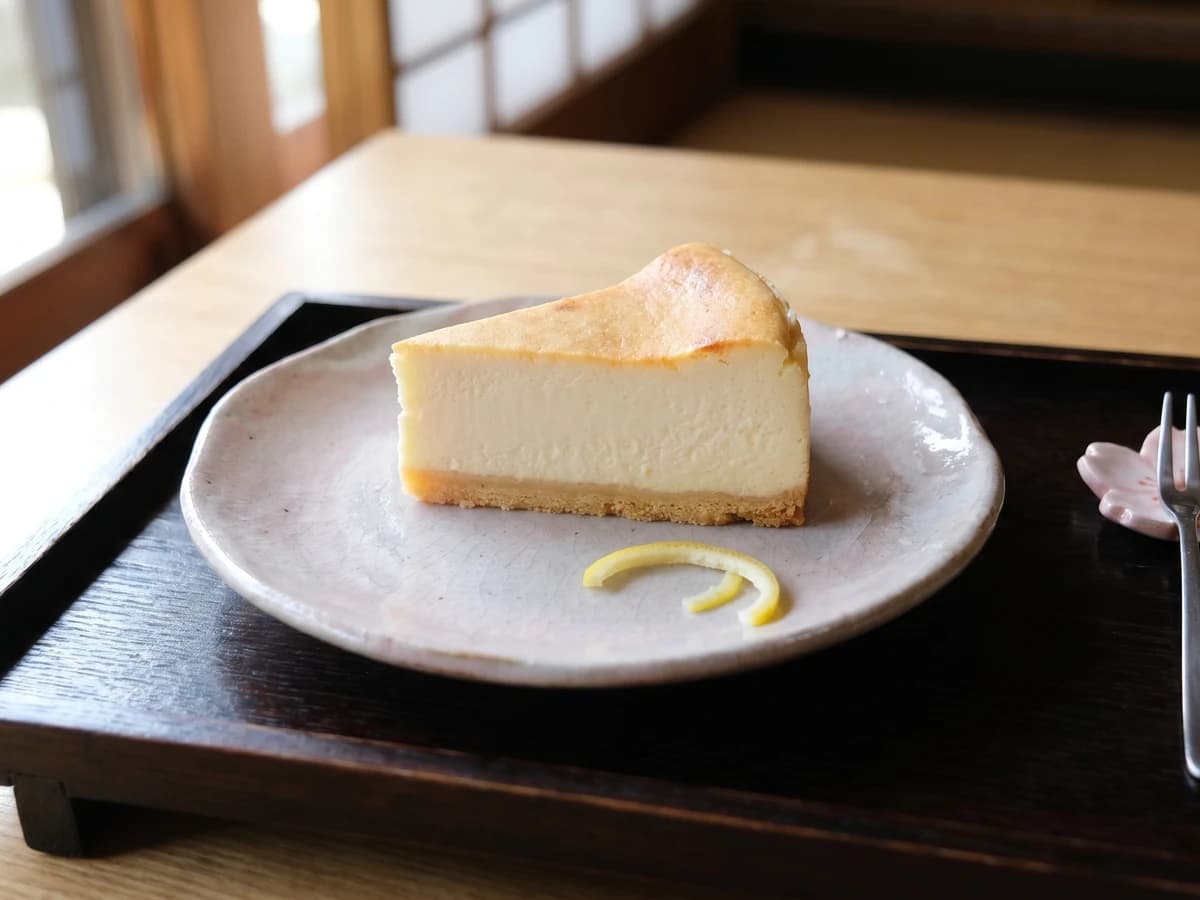
A Japanese baked cheesecake is not trying to float away. It is dense, smooth, and quietly tart, with a clean slice doing the work of decoration.