
Chef Takumi
Agar Jelly with Anko and Fruit (あんみつ, Anmitsu)
Anmitsu looks like a tray of small tasks, but the work is calm: dissolve the kanten fully, chill the pieces clean, then let fruit, anko, and kuromitsu do the speaking.
A cooking platform built around craft, culture, and the stories behind what we eat.

Created by
Kuzukiri is a summer sweet built from almost nothing: hon-kuzu, water, ice, and dark kuromitsu. Cook the starch until it turns clear, then eat it before the cold loses its snap.
Kuzukiri looks like a trick because it is nearly transparent. That is its little joke. The recipe is only hon-kuzu, pure kudzu-root starch, and water, set into thin sheets, cut into ribbons, and served cold with kuromitsu, black sugar syrup. Nothing is hidden. If the kuzu is good, the pleasure is the clean chill, the faint spring under the teeth, and the dark sweetness you dip it into at the table.
The one detail that decides it is clarity. Kuzu starts milky, then turns glass-clear when the starch has fully cooked. Pull it early and the center stays chalky. Cook it too thick and it chews like a classroom eraser, useful only if you were hungry during mathematics. Keep the layer thin, heat it until no white streak remains, then chill it fast so the sheet tightens and lifts cleanly.
This is high-summer wagashi, the kind of sweet that cools rather than fills you. In Kyoto we leave the noodles pale and spare, usually with no garnish, because the point is the contrast: clear, cold kuzu against kuromitsu deep with kokutō. Make the syrup first and chill it. The noodles wait for no one, and for once the dessert is the strict one at the table.
Kuzukiri is closely associated with Kyoto wagashi and with hon-kuzu from Yoshino in neighboring Nara, a starch made by repeatedly washing crushed kudzu root in cold water until only the fine white starch remains. By the Edo period, kuzu starch was used in Kyoto sweets as well as in kuzu-yu, a hot restorative drink. Kagizen Yoshifusa, a Gion sweet shop founded in the Kyōhō era (1716-1736), is especially known for serving kuzukiri with kuromitsu.
Quantity
100g
chopped or grated
Quantity
80ml
for the kuromitsu
Quantity
1 pinch
Quantity
50g
Quantity
200ml
for the kuzu slurry
Quantity
plenty
for chilling and serving
| Ingredient | Quantity |
|---|---|
| kokutō (Okinawan black sugar)chopped or grated | 100g |
| waterfor the kuromitsu | 80ml |
| sea salt | 1 pinch |
| hon-kuzu (pure kudzu-root starch) | 50g |
| cold waterfor the kuzu slurry | 200ml |
| ice cubesfor chilling and serving | plenty |
Put the kokutō, 80ml water, and salt in a small pan. Warm gently, stirring until the sugar dissolves, then simmer for 3 to 5 minutes until glossy and lightly syrupy. Strain if it looks grainy, then chill completely. The syrup must be cold because warm kuromitsu softens the noodles and dulls the clean finish.
Fill a wide pot with 4cm of water and bring it to a lively simmer. Set a large bowl of ice water beside it. Choose a shallow stainless steel tray or nagashikan that fits inside the pot. Once the kuzu starts setting, it moves quickly, so the hot bath and cold bath need to be ready before the starch meets heat.
Crush any hard lumps of hon-kuzu with the back of a spoon. Whisk it with 200ml cold water until milk-white and smooth, then pass it through a fine strainer. Cold water lets the starch disperse evenly. Warm water would seize it into lumps before you can make a clean sheet.
Stir the slurry well and pour about 45ml into the shallow tray, just enough to make a thin layer about 2mm deep. Float the tray on the simmering water and keep it level. In 30 to 60 seconds, the edges will turn clear and the center will look cloudy. When the sheet holds together, use tongs to lower the tray under the hot water for another 30 to 60 seconds, until no white streak remains. That final dip cooks the top as well as the bottom.
Lift the tray from the hot water and set it straight into the ice bath. The sheet will tighten and loosen from the metal. Slip wet fingers under one edge and peel it away gently, then leave it in clean ice water while you cook the remaining sheets. Fast chilling gives the noodles their spring and keeps the surface bright.
Lay each chilled sheet on a wet board or plate and cut it into ribbons about 1cm wide. Return the ribbons to ice water as you work. The wet surface keeps them from sticking, and the narrow cut gives the kuromitsu enough surface to cling without making the bite heavy.
Drain the kuzukiri well and arrange the ribbons over fresh ice in chilled bowls, leaving space rather than piling them high. Pour the cold kuromitsu into small dipping cups. Eat by lifting a few noodles and dipping them into the syrup. Serve within 20 minutes. Refrigeration makes kuzu turn firm and cloudy, and this sweet is best while it still tastes of cold water and restraint.
1 serving (about 200g)
Culinary guides, cultural storytelling, and the editorial depth that makes cooking meaningful.
Discover Culinary ExplorerChef Takumi
Anmitsu looks like a tray of small tasks, but the work is calm: dissolve the kanten fully, chill the pieces clean, then let fruit, anko, and kuromitsu do the speaking.

Chef Takumi
A cool square of almond-scented milk, set softly and served with mikan in thin syrup, is dinner-party food without theater. The only stern demand is restraint with the fragrance.

Chef Takumi
Azuki bar asks for patience twice: once while the beans soften, and once while the frozen bar yields. That hardness is not a flaw. It is the character of the thing.
Chef Takumi
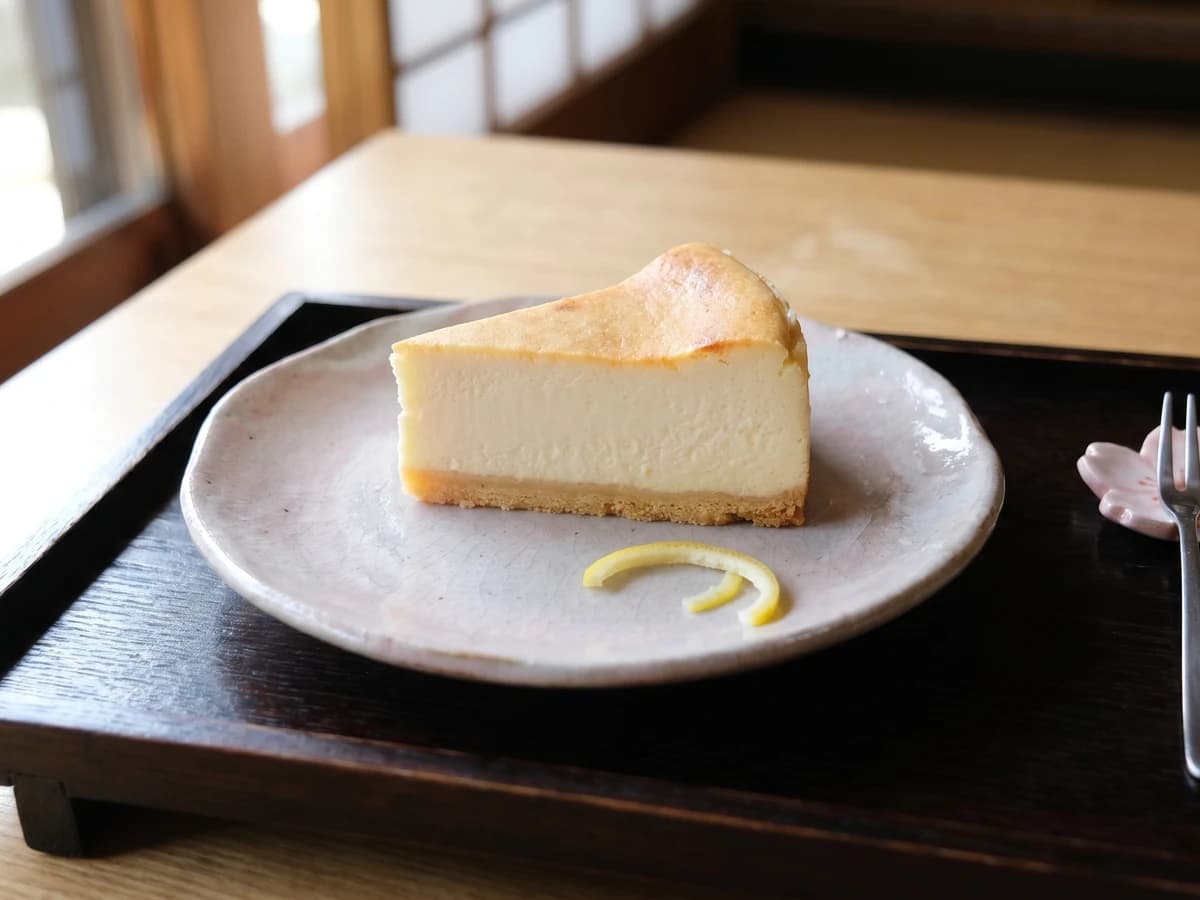
A Japanese baked cheesecake is not trying to float away. It is dense, smooth, and quietly tart, with a clean slice doing the work of decoration.