
Chef Takumi
Agar Jelly with Anko and Fruit (あんみつ, Anmitsu)
Anmitsu looks like a tray of small tasks, but the work is calm: dissolve the kanten fully, chill the pieces clean, then let fruit, anko, and kuromitsu do the speaking.
A cooking platform built around craft, culture, and the stories behind what we eat.

Created by
Real kuzu-mochi is pure kuzu starch stirred over heat until it turns glass-clear, then chilled just enough to tremble under kinako and dark kuromitsu syrup.
Kuzu-mochi begins as a white powder that seems too modest to become anything beautiful. Add water and heat, and for a few minutes it looks like paste. Keep stirring. Then the whole pot changes, turning glass-clear and pulling from the pan in heavy, elastic folds. This is summer wagashi, Japanese confectionery, at its quietest, and it isn't difficult. It only asks that you don't stop too soon.
Use hon-kuzu, pure kudzu root starch, if you can. Mixed kuzu-ko is often stretched with sweet potato or other starches; it will set, but it won't give the same cool transparency or clean bite. In a dish this plain, the starch is the flavor and the texture, so there's nothing to hide behind the syrup. The kuromitsu and kinako arrive later as fragrance, not rescue.
The detail that decides it is full cooking. The mixture thickens before it's ready, the way a student raises his hand before he knows the answer. Wait for clarity, shine, and weight. Cooked long enough, the starch loses its raw chalkiness and sets into trembling cubes that take kinako like dry earth taking rain. Chill it briefly, serve it the same day, and leave the bowl a little empty. Cold sweets should refresh the table, not conquer it.
In western Japan, 葛餅 names a wagashi made from kuzu starch, the powdered root of the kudzu vine, with Yoshino in Nara especially known for fine hon-kuzu washed and dried through winter. Edo and later Tokyo developed a different sweet also called kuzumochi, often written 久寿餅, made from fermented wheat starch and cut into opaque triangles; Funabashiya near Kameido Tenjin traces its version to 1805. Both are commonly served with kinako and kuromitsu, but their starches, texture, and history are not the same.
Quantity
60g
Quantity
320ml
Quantity
30g
Quantity
90g
roughly chopped
Quantity
60ml
Quantity
4 tablespoons
Quantity
1 pinch
Quantity
as needed
for chilling
| Ingredient | Quantity |
|---|---|
| hon-kuzu (pure kudzu root starch) | 60g |
| cold water | 320ml |
| sugar | 30g |
| kokuto or kurozato (Japanese black sugar)roughly chopped | 90g |
| water for kuromitsu | 60ml |
| kinako (toasted soybean flour) | 4 tablespoons |
| fine sea salt (optional) | 1 pinch |
| ice waterfor chilling | as needed |
Put the chopped kokuto and 60ml water in a small saucepan. Warm over low heat, stirring until the sugar dissolves, then simmer gently for three to five minutes until the syrup looks dark and glossy. Take it off the heat and let it cool. Hot syrup would soften the kuzu-mochi, so make it first and give it time to settle.
Wet a nagashikan, the Japanese flow-in mold used for jellies, or a small square pan about 15cm across. Set out a bowl of ice water. Stir the kinako with the pinch of salt if using. Have these ready before the kuzu goes on the heat, because once the starch thickens it won't wait politely.
Crush any large pieces of hon-kuzu with your fingers, then whisk it with the 320ml cold water and the sugar in a bowl until smooth. Strain this milky liquid into a heavy saucepan. Cold water lets the starch disperse evenly; hot water would make stubborn lumps, and the strainer catches the last dry stones of kuzu.
Set the pan over medium-low heat and stir constantly with a wooden spatula, scraping the bottom and corners. At first the mixture is white and thin. Then cloudy patches thicken on the bottom. Keep the spatula moving so the starch cooks evenly instead of catching in one heavy lump.
When the mixture thickens, lower the heat slightly and keep stirring for eight to ten minutes more. It should turn translucent, glossy, and elastic, pulling from the pan in heavy folds. Thick is not finished. Full cooking removes the raw chalkiness of the starch and gives kuzu-mochi its clean tremble.
Scrape the hot kuzu into the wetted mold and smooth the surface with a wet spatula. Set the mold in the bowl of ice water for twenty to thirty minutes, just until cool and set. A quick chill keeps the texture tender; a long stay in the refrigerator makes kuzu cloudy and firm as the starch tightens.
Unmold the kuzu-mochi onto a wet board and cut it into small cubes with a wet knife or bench scraper. Dip the pieces briefly in cold water to separate them, then drain well. Water gives you clean edges, but too much left on the surface turns kinako into paste.
Arrange the cubes in small bowls, a few pieces per serving, with room left around them. Dust with kinako and spoon over the cooled kuromitsu just before eating. Kinako drinks moisture quickly and syrup softens the surface, so the last-minute finish keeps the contrast clear: cool jelly, toasted flour, dark sweetness.
1 serving (about 140g)
Culinary guides, cultural storytelling, and the editorial depth that makes cooking meaningful.
Discover Culinary ExplorerChef Takumi
Anmitsu looks like a tray of small tasks, but the work is calm: dissolve the kanten fully, chill the pieces clean, then let fruit, anko, and kuromitsu do the speaking.

Chef Takumi
A cool square of almond-scented milk, set softly and served with mikan in thin syrup, is dinner-party food without theater. The only stern demand is restraint with the fragrance.

Chef Takumi
Azuki bar asks for patience twice: once while the beans soften, and once while the frozen bar yields. That hardness is not a flaw. It is the character of the thing.
Chef Takumi
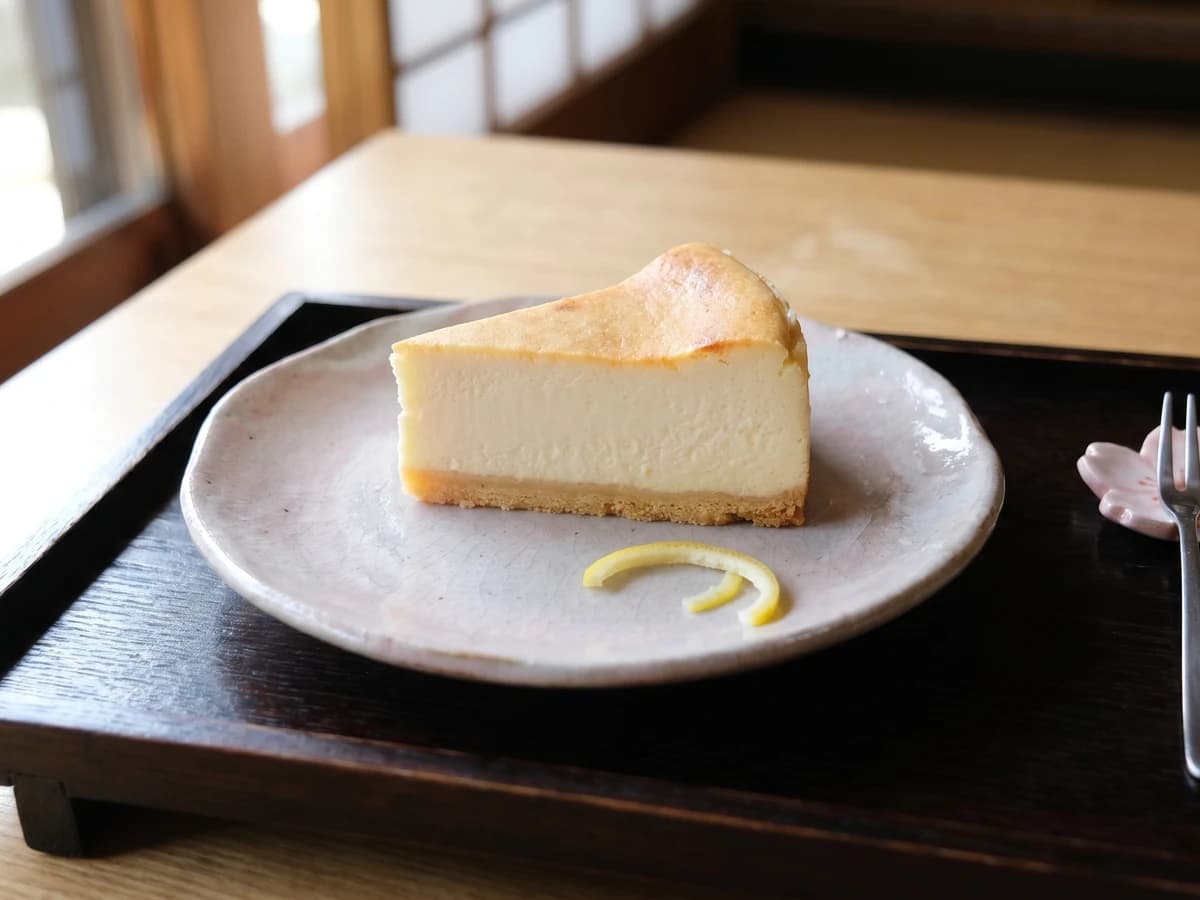
A Japanese baked cheesecake is not trying to float away. It is dense, smooth, and quietly tart, with a clean slice doing the work of decoration.