
Chef Takumi
Agar Jelly with Anko and Fruit (あんみつ, Anmitsu)
Anmitsu looks like a tray of small tasks, but the work is calm: dissolve the kanten fully, chill the pieces clean, then let fruit, anko, and kuromitsu do the speaking.
A cooking platform built around craft, culture, and the stories behind what we eat.
Created by
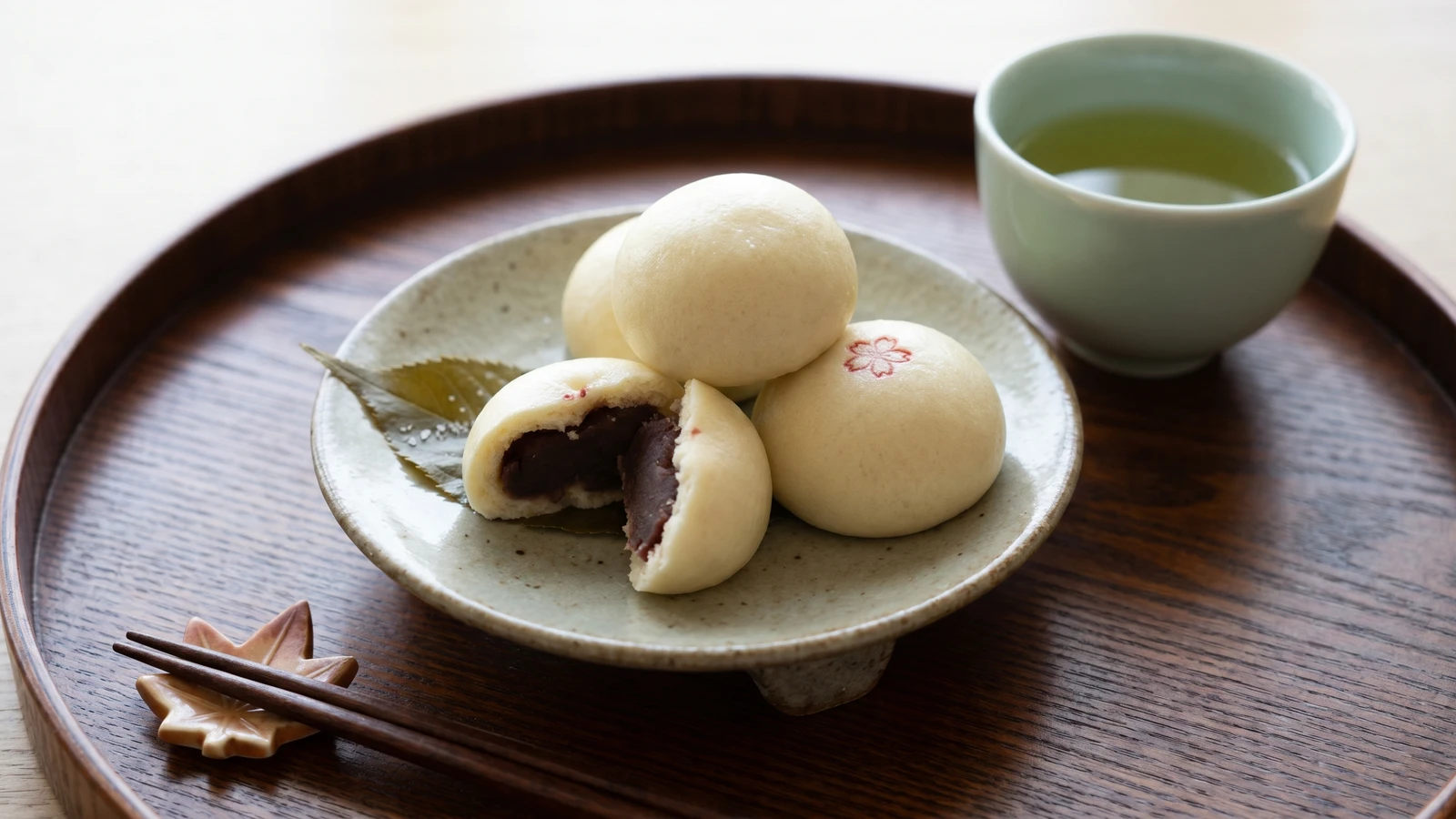
Saka manjū asks for patience, not cleverness: a lightly fermented dough, smooth anko, and gentle steaming until each bun turns pale, plump, and faintly fragrant.
The fragrance is the first thing. Not the sharp smell of drinking sake, but the soft, warm perfume of kōji and rice, just enough to tell you this is not an ordinary manjū. People see fermentation and begin to back away. Stay where you are. This is only flour, a little sugar, a sake-yeast starter, and time doing its quiet work.
The one detail that decides it is the rise. The dough should swell until it feels light and alive under your fingers, not merely rested. Rush it and the skin steams up dense. Let it go too far and the dough turns sour and weak. We are borrowing the breath of sake brewing here, but we aren't making sake; we want fragrance and lift, not a lesson in bravado.
Inside sits anko, sweet bean paste, rolled small enough that the dough can wrap around it without tearing. Keep the filling smooth, the seams tight, and the steam gentle. Hard steam splits the skin before it sets, while steady steam gives you the tender chew that makes saka manjū worth the waiting.
Serve these with tea, especially in warm weather, when a small sweet and a bitter sip feel exactly sized to the body. Leave them plain. A stamped red dot or a tiny leaf beneath the bun is enough. Honmono is often like this: a modest thing, but nothing hidden.
Saka manjū became a familiar street sweet in Edo, where steamed buns filled with anko were sold by vendors and associated especially with summer temple and shrine outings. The name refers to the use of sake-related fermentation, traditionally a starter made from rice kōji and yeast rather than modern chemical leavening. Regional makers still debate the proper fragrance: some prize a clear sake aroma, while others keep it faint so the bean paste remains the center.
Quantity
150g
Quantity
100g, plus more for dusting
Quantity
40g
Quantity
1/4 teaspoon
Quantity
120g
preferably unsweetened
Quantity
35ml
Quantity
1 teaspoon
Quantity
1 teaspoon
for the bowl
Quantity
300g
Quantity
10 small
| Ingredient | Quantity |
|---|---|
| jōshinko (fine Japanese rice flour) | 150g |
| cake flour | 100g, plus more for dusting |
| sugar | 40g |
| fine sea salt | 1/4 teaspoon |
| thick amazakepreferably unsweetened | 120g |
| sake | 35ml |
| instant yeast | 1 teaspoon |
| neutral oilfor the bowl | 1 teaspoon |
| smooth koshi-an (sweet red bean paste) | 300g |
| parchment paper squares | 10 small |
Stir the amazake, sake, and yeast together in a bowl and leave it for 10 minutes, until the surface looks slightly foamy and smells gently of rice and fruit. This tells you the yeast is awake. If nothing happens, the dough will not lift, and no amount of steaming will rescue it.
Whisk the rice flour, cake flour, sugar, and salt together, then pour in the starter. Mix with a wooden spoon until the dough gathers into a soft, slightly tacky mass. Rice flour gives the skin its tender chew, while cake flour gives enough stretch to wrap the anko without cracking.
Turn the dough into a lightly oiled bowl, cover, and let it rise in a warm place for 3 to 5 hours, until it has expanded by about half and feels airy when pressed. It may not double like bread dough. That is fine. You are looking for fragrance and softness, not a high loaf.
Divide the koshi-an into 10 portions of about 30g each and roll them into neat balls. Keep them covered so the surface doesn't dry. A smooth filling makes wrapping easier, because dry cracks in the anko push against the dough and tear the skin.
Dust your hands and the bench lightly with flour. Divide the dough into 10 equal pieces, about 43g each. Flatten one piece into a round with the center slightly thicker than the edge, because the edge must stretch up and over the filling while the center protects the top from thinning.
Set one anko ball in the center of the dough. Lift the edges around it, pinch the seam firmly closed, then roll the bun gently seam-side down. Do not trap air beside the filling. Air expands in the steamer and makes the skin blister or split, a small drama for such a quiet sweet.
Set each bun on a parchment square, cover with a barely damp cloth, and rest for 30 to 45 minutes, until the surface looks a little fuller and soft. This second rest relaxes the wrapped dough so it can expand evenly in the steamer instead of tearing at the seam.
Bring water to a steady boil in a steamer, then lower the heat to maintain an even flow. Arrange the buns with space between them and wrap the lid in a cloth so condensation doesn't drip onto the skins. Steam for 12 to 14 minutes, until the buns are pale, plump, and set.
Lift the manjū out by their parchment squares and cool on a rack for at least 10 minutes. The skin firms as it settles, and the sake fragrance becomes clearer once the fierce heat has passed. Serve warm or at room temperature with green tea.
1 serving (about 75g)
Culinary guides, cultural storytelling, and the editorial depth that makes cooking meaningful.
Discover Culinary ExplorerChef Takumi
Anmitsu looks like a tray of small tasks, but the work is calm: dissolve the kanten fully, chill the pieces clean, then let fruit, anko, and kuromitsu do the speaking.

Chef Takumi
A cool square of almond-scented milk, set softly and served with mikan in thin syrup, is dinner-party food without theater. The only stern demand is restraint with the fragrance.

Chef Takumi
Azuki bar asks for patience twice: once while the beans soften, and once while the frozen bar yields. That hardness is not a flaw. It is the character of the thing.
Chef Takumi
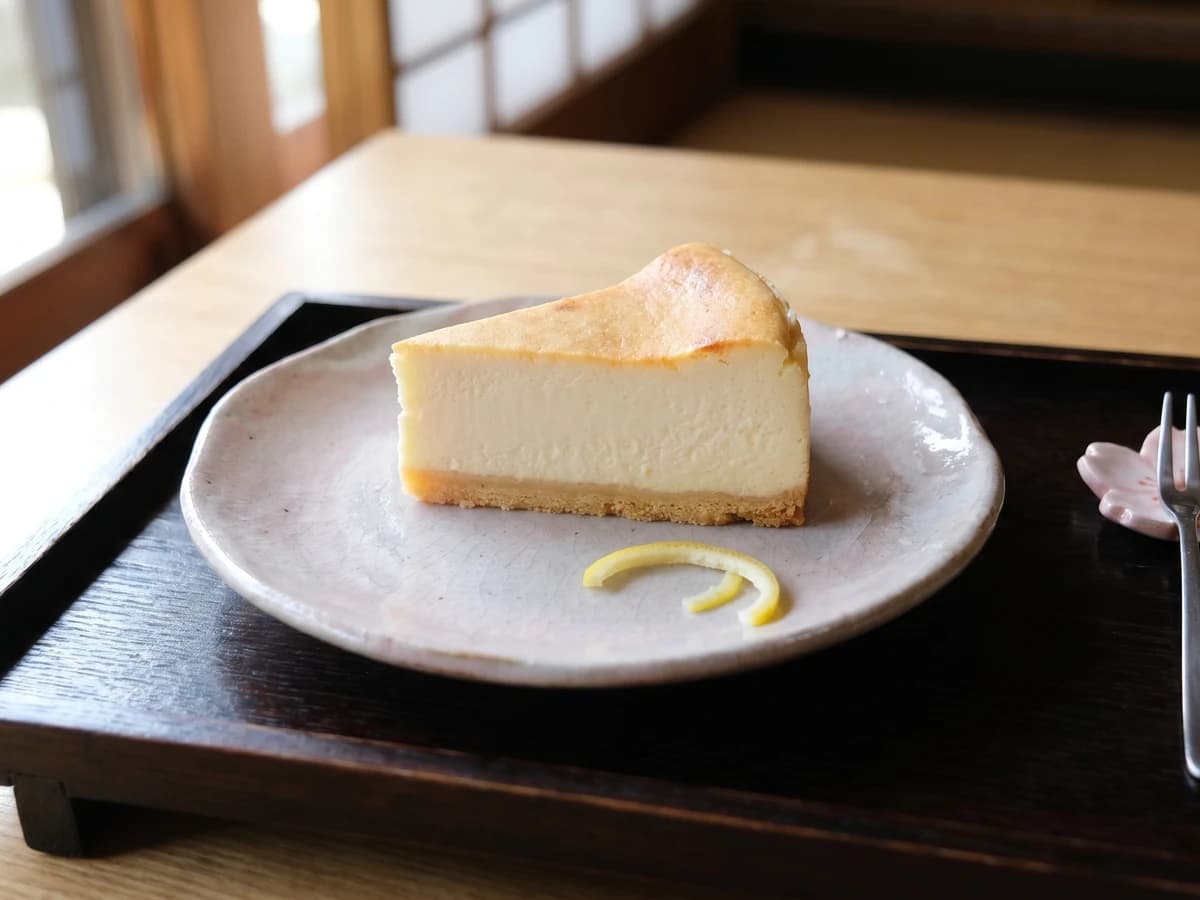
A Japanese baked cheesecake is not trying to float away. It is dense, smooth, and quietly tart, with a clean slice doing the work of decoration.