
Chef Takumi
Agar Jelly with Anko and Fruit (あんみつ, Anmitsu)
Anmitsu looks like a tray of small tasks, but the work is calm: dissolve the kanten fully, chill the pieces clean, then let fruit, anko, and kuromitsu do the speaking.
A cooking platform built around craft, culture, and the stories behind what we eat.
Created by
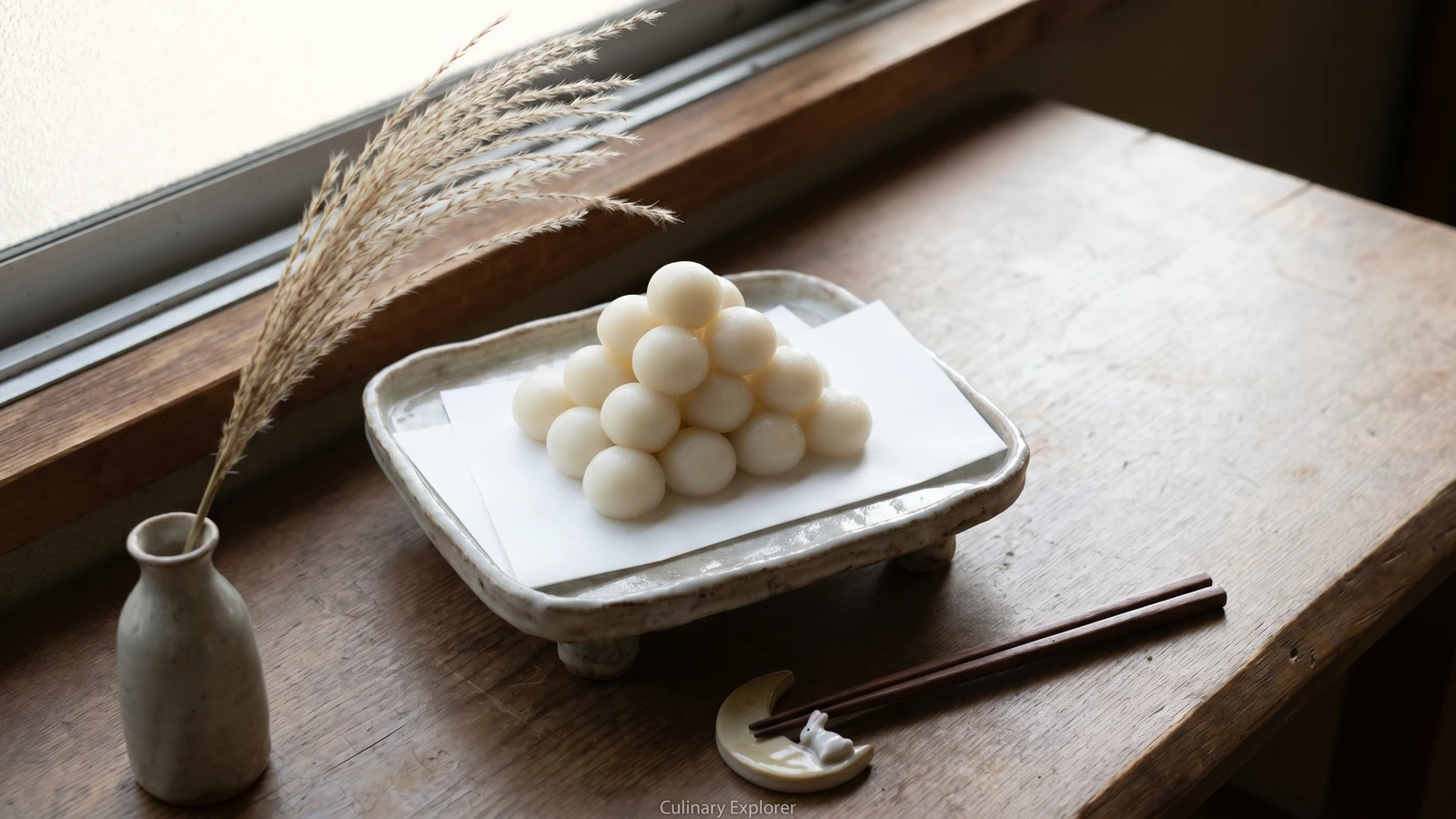
Tsukimi dango are not sweetshop tricks. They are plain rice dumplings, gently kneaded, boiled until firm and tender, then stacked so the autumn moon has somewhere to rest its eye.
The point of tsukimi dango is their plainness. Fifteen white dumplings, round and quiet, stacked for the harvest moon. No anko, no syrup, no little surprise tucked inside. The moon is the guest of honor, and the rice only needs to behave like rice.
This is where people make the dish harder than it is. Dango are not difficult, only unfamiliar. Mix rice flour with warm water until it feels like an earlobe, soft but not sticky, then boil the dumplings until they rise and settle into themselves. That texture is the one detail that decides it. Too dry and they crack. Too wet and they slump. The hand tells you before the pot does.
We make these for Jūgoya, the fifteenth night, when the autumn moon is admired as part of the harvest season. The stack is an offering before it is a dessert, so keep it restrained. Build the little pyramid, leave it room, and let the whiteness do its work. Honmono is often plain enough to make a nervous cook suspicious. Good. Suspicion means you're paying attention.
Tsukimi, moon viewing, was adopted from Chinese mid-autumn customs and became an aristocratic observance in the Heian period before spreading into broader harvest practice. The fifteenth night, Jūgoya, is traditionally marked with fifteen dumplings, pampas grass called susuki, and autumn crops such as taro, chestnuts, and beans. Regional forms differ: the plain round stack is strongly associated with eastern Japan, while Kansai often shapes the dumplings like small taro and wraps them with sweet bean paste.
Quantity
120g
Quantity
30g
Quantity
1 tablespoon
Quantity
1 pinch
Quantity
120ml, plus more if needed
Quantity
1 pot
Quantity
1 bowl
| Ingredient | Quantity |
|---|---|
| jōshinko (Japanese non-glutinous rice flour) | 120g |
| shiratamako (glutinous rice flour) | 30g |
| sugar | 1 tablespoon |
| fine sea salt | 1 pinch |
| warm water | 120ml, plus more if needed |
| water for boiling | 1 pot |
| cool water | 1 bowl |
Put the jōshinko, shiratamako, sugar, and salt in a bowl and rub them together with your fingers. This breaks up the shiratamako grains so they hydrate evenly. If you leave them as hard little pebbles, the finished dango will tell on you.
Pour in about three-quarters of the warm water and mix with your hand. Add the rest little by little until the dough comes together smooth, soft, and not sticky. The old comparison is earlobe-soft, which sounds silly until you try it and realize it is more useful than a thermometer.
Knead the dough for two minutes until the surface looks smooth, then divide it into fifteen equal pieces. Roll each piece between your palms into a ball about 2.5cm across. If a ball cracks, wet your fingertips and roll again. A smooth surface keeps the dumpling from splitting in the pot.
Bring a pot of water to a steady boil. Lower in the dango and stir once, gently, so they don't catch on the bottom. When they float, cook them for two more minutes. Floating tells you the outside has set, but the extra time lets the center finish so the bite is firm and tender all the way through.
Lift the dango into a bowl of cool water for one minute, then drain them on a damp cloth. The cool water stops the cooking and tightens the surface. Do not leave them soaking, or they lose the clean rice taste you made them for.
Set nine dango in a square, then four on top, then two at the peak, or build a small stable pyramid that suits your tray. Work with damp hands if they cling. Serve them plain for tsukimi, with the stack neat and a little space around it. The restraint is not decoration. It is the dish.
1 serving (about 16g)
Culinary guides, cultural storytelling, and the editorial depth that makes cooking meaningful.
Discover Culinary ExplorerChef Takumi
Anmitsu looks like a tray of small tasks, but the work is calm: dissolve the kanten fully, chill the pieces clean, then let fruit, anko, and kuromitsu do the speaking.

Chef Takumi
A cool square of almond-scented milk, set softly and served with mikan in thin syrup, is dinner-party food without theater. The only stern demand is restraint with the fragrance.

Chef Takumi
Azuki bar asks for patience twice: once while the beans soften, and once while the frozen bar yields. That hardness is not a flaw. It is the character of the thing.
Chef Takumi
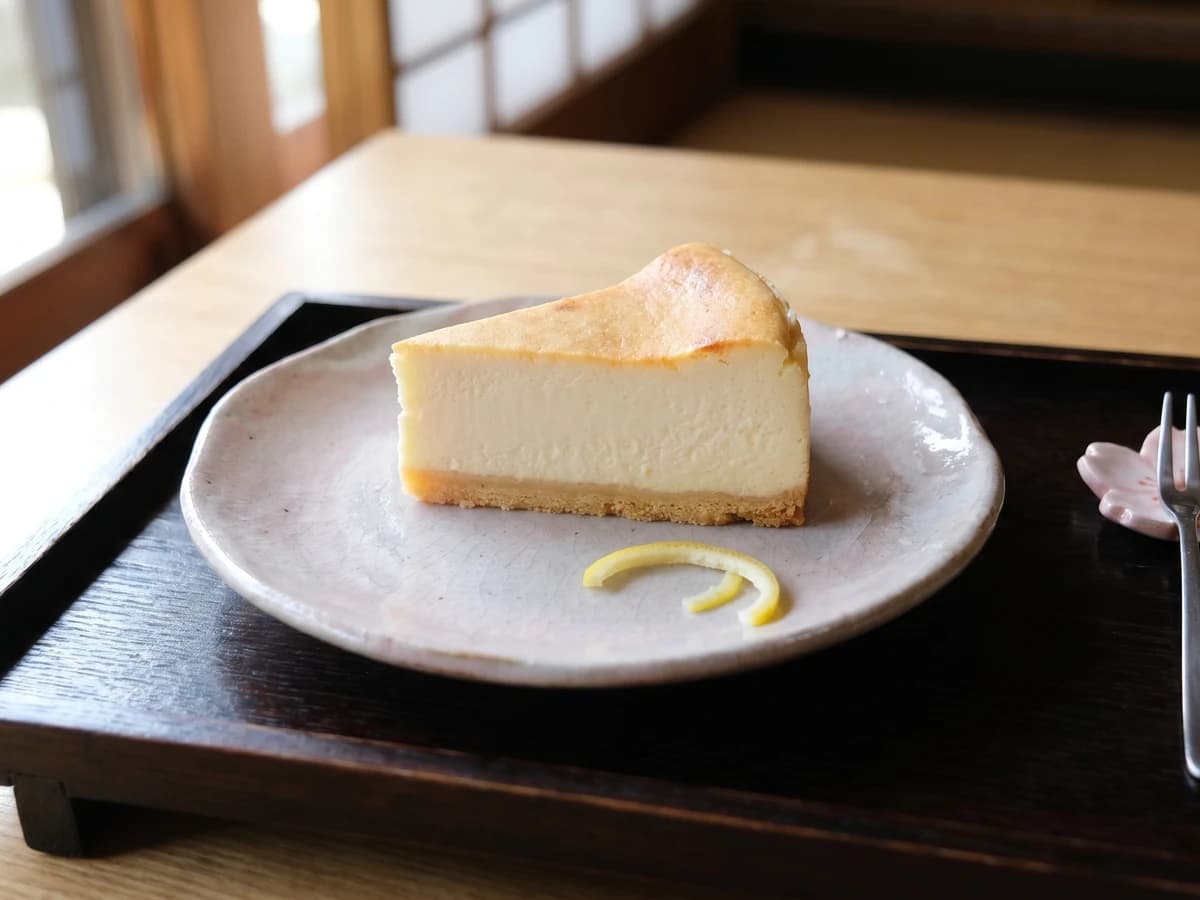
A Japanese baked cheesecake is not trying to float away. It is dense, smooth, and quietly tart, with a clean slice doing the work of decoration.