
Chef Takumi
Agar Jelly with Anko and Fruit (あんみつ, Anmitsu)
Anmitsu looks like a tray of small tasks, but the work is calm: dissolve the kanten fully, chill the pieces clean, then let fruit, anko, and kuromitsu do the speaking.
A cooking platform built around craft, culture, and the stories behind what we eat.

Created by
This is autumn made small: fresh chestnuts at their prime, sweetened only enough to hold, then twisted in cloth until each piece keeps the quiet shape of a chestnut.
Chestnuts announce autumn before the calendar has finished arguing. Pick up a good one and it feels heavy, tight-skinned, a little glossy, with no rattle inside. That weight is the beginning of Nakatsugawa kuri kinton, the small tea sweet made from cooked kuri, chestnuts, and sugar. Two ingredients. No syrup, no sweet potato, no clever rescue if the nuts are tired.
Wagashi can make a nervous cook stand too straight. This one shouldn't. The work is to cook the chestnuts fully, peel them while warm, mash them before their fragrance fades, and sweeten them only enough to hold together. The one detail that decides it is moisture: the paste should gather when pressed in your palm, but still feel faintly grainy, like a chestnut that has been persuaded rather than erased.
The cloth twist is called chakin-shibori, shaping in a tea cloth. It gives the sweet its ridges and peak while compressing the paste gently, so you don't knead the life out of it. In the way we do it here, kuri kinton belongs to early autumn and to tea, a small piece of 旬 (shun, at its prime) set down with plenty of empty plate around it. Leave it room. It has only its own flavor to speak with.
Nakatsugawa, a former Nakasendō post town in present-day Gifu Prefecture, became famous for chestnut sweets in the late nineteenth century, when local confectioners made small chakin-shaped sweets from local chestnuts and sugar for the autumn season. The confection shares its spoken name with the New Year's osechi dish kuri kinton, but the two are different: Nakatsugawa's 栗きんとん is fresh chestnut and sugar, while osechi 栗金団 is usually sweet potato paste with candied chestnuts. In Nakatsugawa and neighboring Ena, many shops still begin selling it in September, and the first trays mark autumn as clearly as any calendar.
Quantity
500g in the shell
heavy, glossy, and in season
Quantity
50g, or 15-20% of peeled chestnut weight
| Ingredient | Quantity |
|---|---|
| fresh chestnuts (kuri)heavy, glossy, and in season | 500g in the shell |
| fine white sugar | 50g, or 15-20% of peeled chestnut weight |
Set the chestnuts in a bowl of cool water for 20 minutes, then push them under with your hand. Any that float back up are usually dry or insect-damaged, and this sweet gives them no place to hide. The soak softens the shell a little too, which makes scoring cleaner and safer.
Drain and dry the chestnuts. With a small sturdy knife, cut a shallow cross through the rounded side of each shell, cutting the shell but not deeply into the flesh. Every chestnut must be scored. The cut gives expanding pressure a way out in the oven, and later it gives your fingers a place to begin peeling.
Heat the oven to 200C/400F. Set the chestnuts scored-side up on a baking sheet and roast for 25-30 minutes, until the cuts curl open and the kitchen smells sweet and nutty. Don't chase dark color. Too much browning dries the flesh, and dry chestnut makes a chalky paste.
Tip the hot chestnuts into a clean towel and fold it closed to hold their warmth. Peel one at a time, removing both the hard shell and the papery inner skin. Warmth loosens that inner skin; once the nut cools, it grips like a stubborn clerk with a stamp. Keep the rest covered while you work.
Weigh the peeled chestnut flesh. Measure sugar at 15-20% of that weight, using less for naturally sweet Japanese chestnuts and more for drier imported ones. Mash the chestnuts in a suribachi or bowl until the pieces are small and even. For a finer Nakatsugawa-style texture, press the mash through a coarse sieve, but don't turn it into a paste without character. Tiny grains are part of the chestnut's voice.
Put the chestnut mash and sugar in a small heavy pan over low heat. Stir and fold for 4-6 minutes, until the sugar disappears and the mash gathers into a soft mass. At first the mixture will loosen as the sugar draws out moisture, then it will come together again. Stop before the color darkens. You're not making candy syrup; you're binding chestnut to chestnut.
Dampen a square of sarashi, the thin cotton cloth used for this shaping, or use a clean thin tea towel. Wring it nearly dry. Put 25-30g of paste in the center, gather the cloth around it, twist firmly at the top, and press the bottom flat with your fingers. Untwist and lift the sweet out gently. The damp cloth prevents sticking, and the twist makes the ridges and peak without heavy handling.
Set the shaped kuri kinton on kaishi paper or a small plate and cover lightly until serving. Serve at room temperature, not cold from the refrigerator. The texture should be tender and faintly sandy, with a clean chestnut fragrance and just enough sweetness to carry it.
1 serving (about 38g)
Culinary guides, cultural storytelling, and the editorial depth that makes cooking meaningful.
Discover Culinary ExplorerChef Takumi
Anmitsu looks like a tray of small tasks, but the work is calm: dissolve the kanten fully, chill the pieces clean, then let fruit, anko, and kuromitsu do the speaking.

Chef Takumi
A cool square of almond-scented milk, set softly and served with mikan in thin syrup, is dinner-party food without theater. The only stern demand is restraint with the fragrance.

Chef Takumi
Azuki bar asks for patience twice: once while the beans soften, and once while the frozen bar yields. That hardness is not a flaw. It is the character of the thing.
Chef Takumi
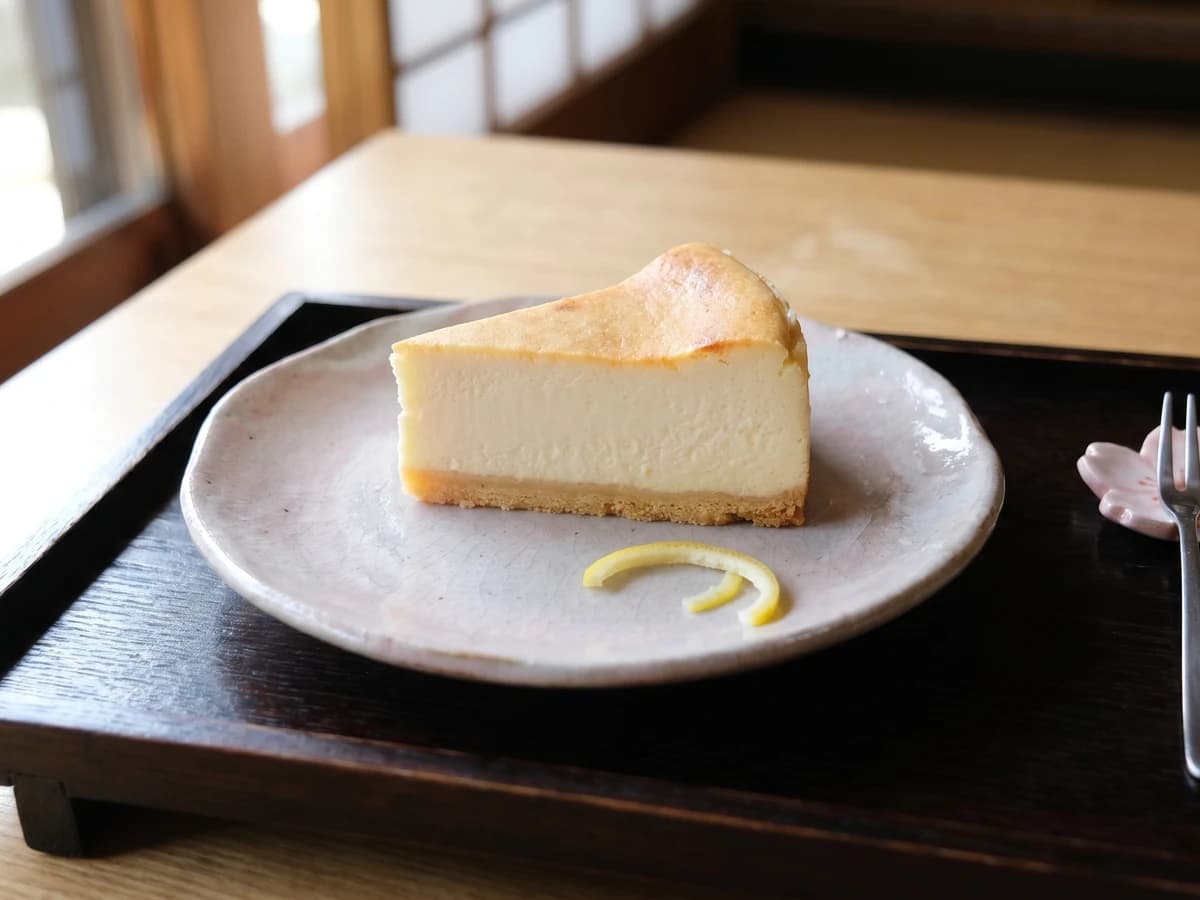
A Japanese baked cheesecake is not trying to float away. It is dense, smooth, and quietly tart, with a clean slice doing the work of decoration.