
Chef Takumi
Agar Jelly with Anko and Fruit (あんみつ, Anmitsu)
Anmitsu looks like a tray of small tasks, but the work is calm: dissolve the kanten fully, chill the pieces clean, then let fruit, anko, and kuromitsu do the speaking.
A cooking platform built around craft, culture, and the stories behind what we eat.

Created by
Nerikiri looks like confectionery for people with secret hands. It isn't. Smooth white-bean paste, a little gyūhi for suppleness, and one clear seasonal idea are the whole matter.
Nerikiri has a fearsome little reputation because it arrives at the tea table looking like a poem behaved itself. A hydrangea, a maple leaf, a quince blossom, all made from bean paste. The trick is not mystery. It is paste smooth enough to listen to your hands.
The first secret is moisture. Too wet, and the shape slumps like a tired umbrella. Too dry, and the surface cracks when you press in a petal line. We knead shiro-an, smooth white-bean paste, with a small amount of gyūhi, a soft rice-flour dough, because the gyūhi gives stretch and grace. It lets the paste bend instead of breaking.
Choose the season before you choose the color. Nerikiri belongs to jōnamagashi, the fresh sweets served with matcha, and it should say what month it is before anyone takes a bite. Pale blue and lavender for hydrangea in early summer, persimmon orange in autumn, a faint pink plum in late winter. Keep the colors quieter than you think. This is not candy shouting from a shop window.
The shaping can be as simple as a round sweet with five pressed lines and a tiny center. Leave it room. One nerikiri on a small plate carries more dignity than a crowded parade of cleverness.
Nerikiri developed as part of jōnamagashi, the fresh high-grade sweets closely tied to chanoyu, the Japanese tea ceremony, especially in the Edo period when urban confectioners refined seasonal designs for tea gatherings. Its base, shiro-an mixed with gyūhi or another binding paste, gave wagashi makers a pale, pliable material that could be tinted and shaped to reflect the tea calendar. Kyoto and Edo both cultivated distinct confectionery styles, with Kyoto favoring courtly seasonal motifs and Edo often showing a sharper urban wit in naming and design.
Quantity
250g
Quantity
as needed
for soaking and cooking
Quantity
200g
for the shiro-an, plus more as needed
Quantity
1/8 teaspoon
Quantity
30g
Quantity
25g
for the gyūhi
Quantity
45ml
for the gyūhi
Quantity
as needed
for dusting
Quantity
very small amounts
Quantity
120g
rolled into 12 balls of 10g each
| Ingredient | Quantity |
|---|---|
| dried white beans, such as tebōmame, white kidney beans, or cannellini beans | 250g |
| waterfor soaking and cooking | as needed |
| granulated sugarfor the shiro-an, plus more as needed | 200g |
| fine sea salt | 1/8 teaspoon |
| shiratamako (glutinous rice flour) | 30g |
| granulated sugarfor the gyūhi | 25g |
| waterfor the gyūhi | 45ml |
| potato starch or katakurikofor dusting | as needed |
| natural food coloring or wagashi coloring (optional) | very small amounts |
| smooth koshi-an or other sweet bean pasterolled into 12 balls of 10g each | 120g |
Rinse the white beans, cover them with plenty of cold water, and soak overnight. Soaking is not a ceremony. It lets the beans hydrate evenly, so they cook to a soft center before the skins toughen and the paste turns coarse.
Drain the beans, cover with fresh water, and bring to a gentle simmer. Cook until a bean crushes easily between finger and thumb, 60 to 90 minutes depending on age. Skim as needed and keep the beans covered with water. Hard little centers will never become smooth paste, and nerikiri is honest about such things.
Drain the beans, then press them through a fine sieve or food mill, discarding the skins. Put the smooth bean pulp in a heavy pan with the sugar and salt. Cook over medium-low heat, stirring constantly with a wooden spatula, until the paste gathers into a soft mound and pulls cleanly from the pan. This drives off water, and water is what decides whether your flowers stand or sulk.
Spread the shiro-an in a thin layer on a tray and cover it with a barely damp cloth until cool. Spreading releases heat quickly and keeps the color pale. The cloth protects the surface from drying into a skin, which would leave flecks in the finished nerikiri.
Mix the shiratamako, 25g sugar, and 45ml water in a heatproof bowl until smooth. Cook in a microwave in short bursts, stirring each time, until glossy, sticky, and translucent, about 1 to 2 minutes total. Or cook it in a small pan over low heat, stirring until it pulls into one elastic mass. Gyūhi gives the bean paste stretch, so the surface can take a pressed line without cracking.
Dust your hands lightly with potato starch. Knead 60g warm gyūhi into 360g cooled shiro-an, a little at a time, until the paste feels smooth, pliable, and no longer sticky. If it clings heavily to your fingers, cook the mixture gently in a pan for a few minutes to dry it. If it cracks at the edge when pressed, knead in a pea-sized bit more gyūhi.
Divide the nerikiri and tint it with the smallest amount of coloring on a toothpick or skewer. Knead until even, or leave faint streaks when the season asks for it, as with hydrangea or autumn leaf. The color should look like something found in a garden, not something invented in a factory.
Roll the nerikiri into 12 balls of about 30g each. Flatten one ball into a round, place a 10g ball of koshi-an in the center, and bring the edges up around it. Pinch closed, then roll gently between your palms. Keep the outside evenly thick so the filling doesn't show through when you shape it.
For a simple blossom, press the filled ball lightly into a dome, then use a sankakubera, a triangular wagashi tool, or the back of a table knife to mark five lines from top to base. Press softly. You are suggesting petals, not carving a chair leg. Add a tiny yellow center if you like, then set each sweet on a small square of parchment.
Let the nerikiri rest for 20 minutes at cool room temperature before serving. This short rest lets the surface settle and the filling sit neatly inside. Serve one per person with matcha, on a small plate with empty space around it. The sweet is small because the tea is strong, and the balance is the point.
1 serving (about 75g)
Culinary guides, cultural storytelling, and the editorial depth that makes cooking meaningful.
Discover Culinary ExplorerChef Takumi
Anmitsu looks like a tray of small tasks, but the work is calm: dissolve the kanten fully, chill the pieces clean, then let fruit, anko, and kuromitsu do the speaking.

Chef Takumi
A cool square of almond-scented milk, set softly and served with mikan in thin syrup, is dinner-party food without theater. The only stern demand is restraint with the fragrance.

Chef Takumi
Azuki bar asks for patience twice: once while the beans soften, and once while the frozen bar yields. That hardness is not a flaw. It is the character of the thing.
Chef Takumi
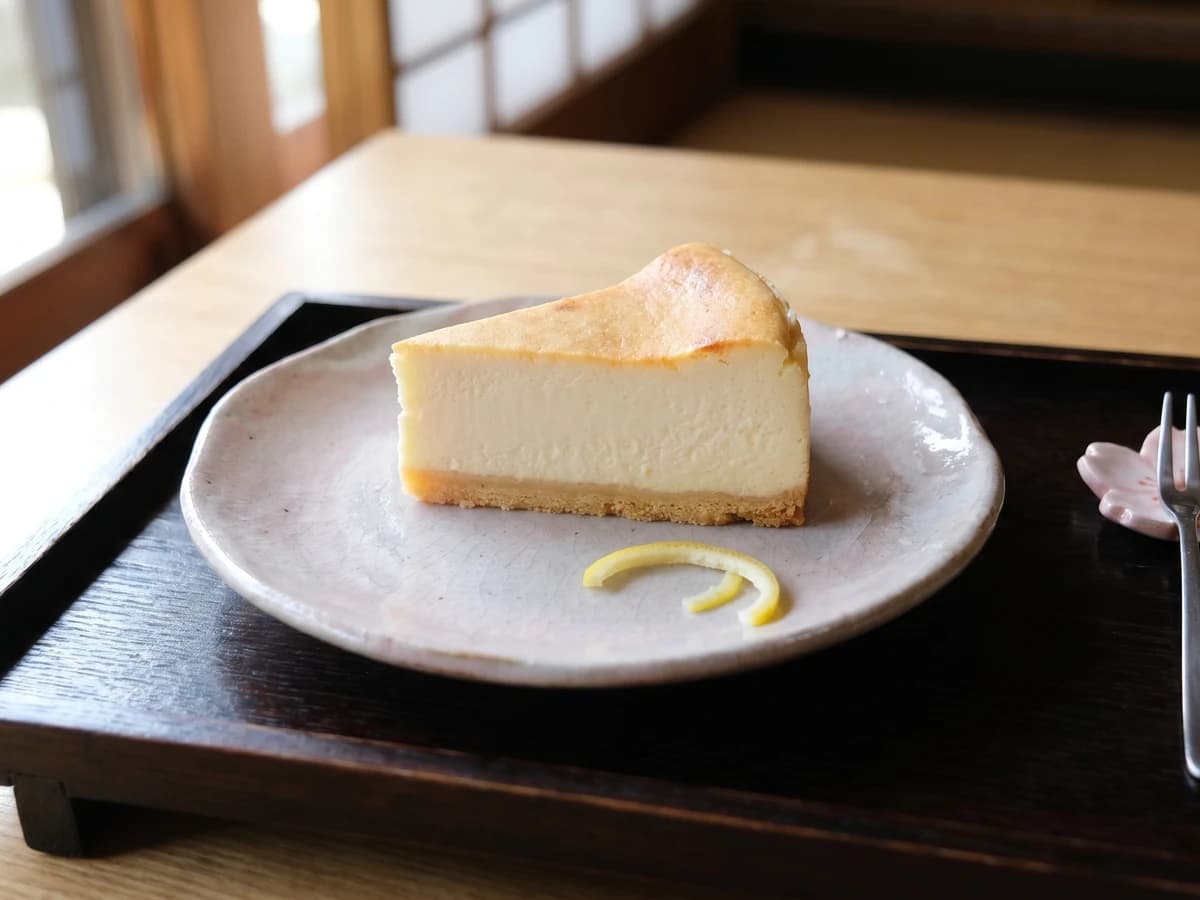
A Japanese baked cheesecake is not trying to float away. It is dense, smooth, and quietly tart, with a clean slice doing the work of decoration.