
Chef Takumi
Kappamaki (かっぱ巻き, cucumber thin roll)
Kappamaki is the thin roll that teaches restraint: cool cucumber, a modest veil of rice, good nori, and a clean cut. Put in too much and the little roll tells on you.

Updated June 2, 2026
The raw cut and the vinegared-rice tradition, from sashimi and nigiri to the rolls, the scattered bowl, the pressed boxes, and the regional kyodo-zushi from Toyama to Mie.
A cooking platform built around craft, culture, and the stories behind what we eat.
Chef Takumi
Kappamaki is the thin roll that teaches restraint: cool cucumber, a modest veil of rice, good nori, and a clean cut. Put in too much and the little roll tells on you.

Chef Takumi
Pressed sushi is the home cook's quiet advantage: seasoned rice, a good topping, firm pressure, and a clean knife. The box does the shaping while you keep the fish honest.

Chef Takumi
Shime saba is not difficult, only strict. Buy mackerel good enough to cure, salt it to firm the flesh, then let vinegar brighten the fish without hiding it.
Chef Takumi
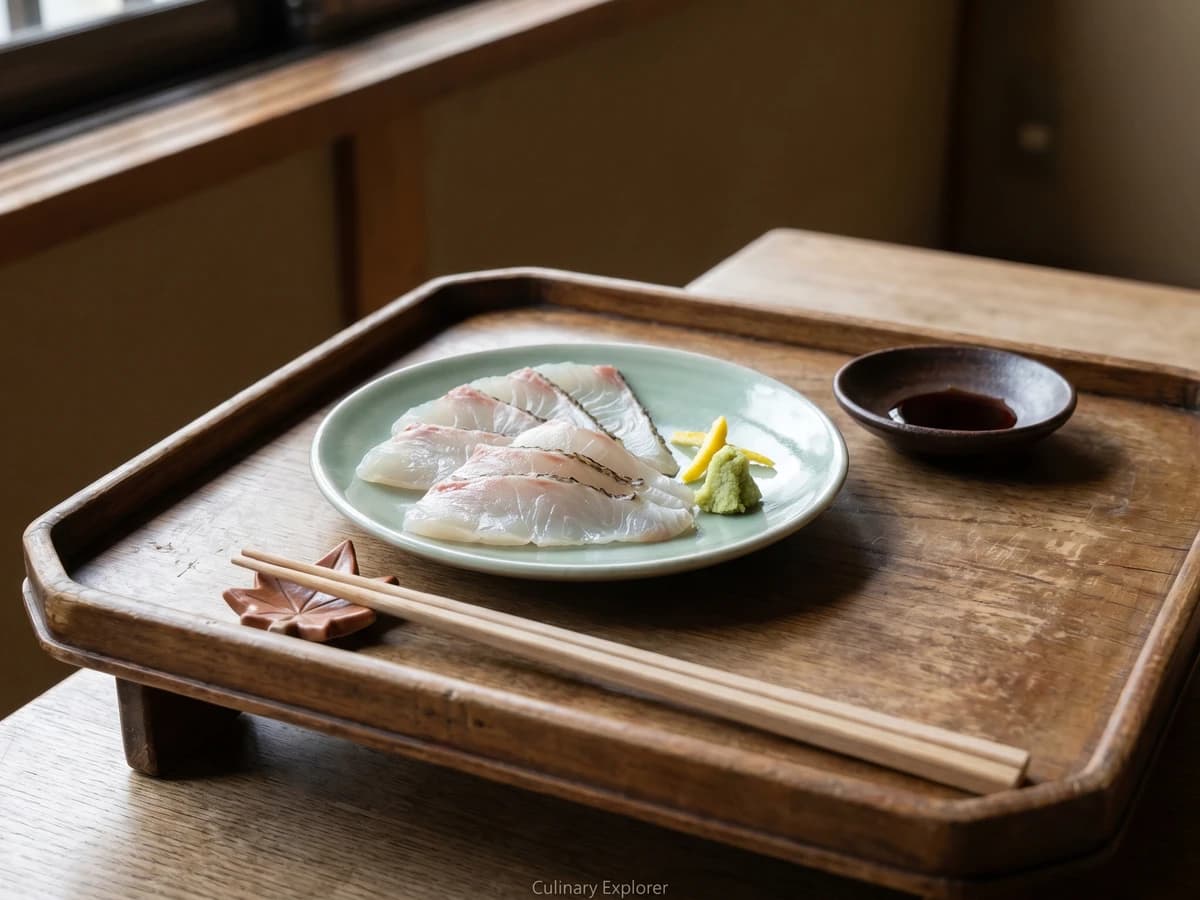
Kobujime looks like a secret from a ryōtei, but the work is plain: salt the tai, press it with konbu, and let time make the fish sweeter and firmer.

Chef Takumi
Kyoto's festival sushi is only fearsome until you see the order: salt the mackerel, wake it with vinegar, press it with rice, then let time finish the seasoning.

Chef Takumi
Gunkan-maki is the sushi cook's sensible answer to a soft topping: shape the rice, wrap it with crisp nori, and let ikura, uni, or negitoro sit proudly on top.
Chef Takumi
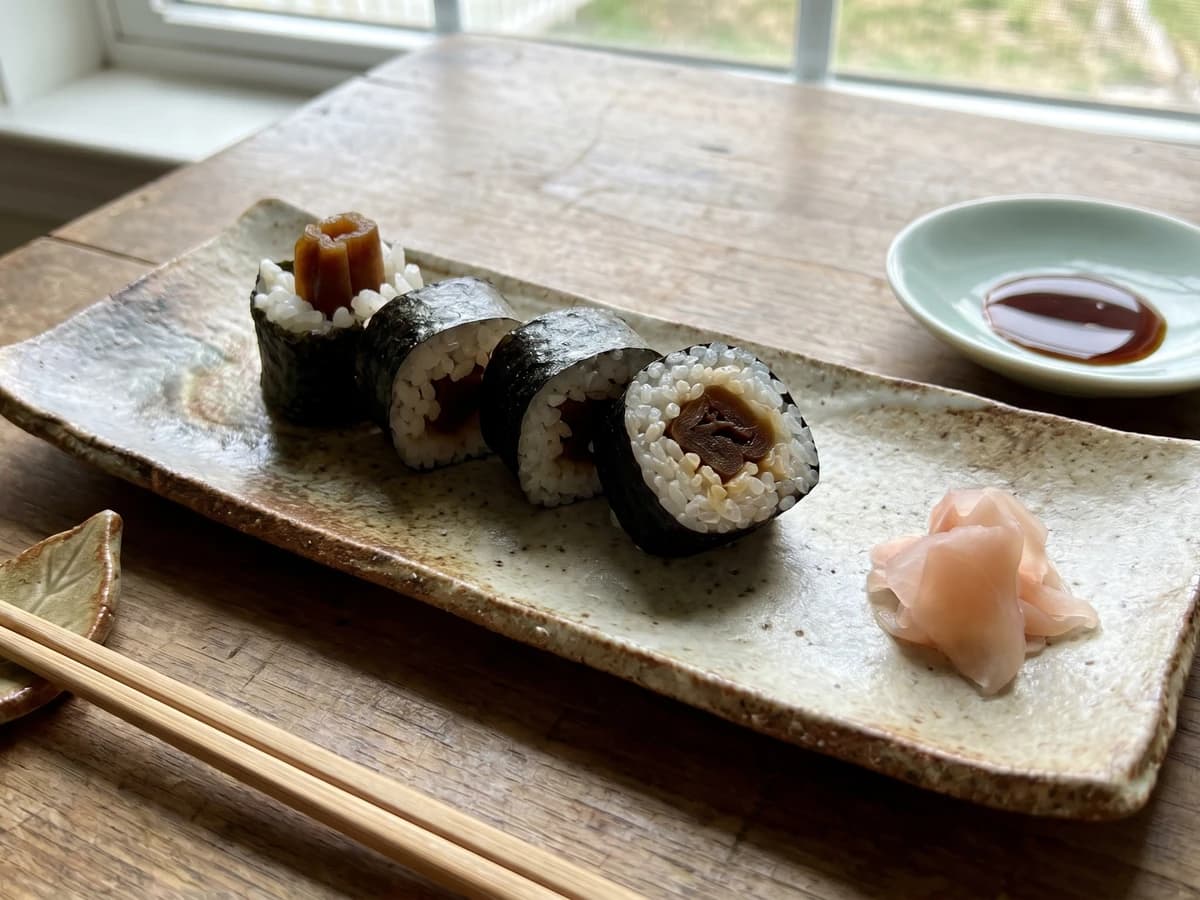
A pale ribbon of dried gourd becomes sushi's quiet old standard: tender first, then simmered in dashi, soy, and sugar, rolled tight so rice, nori, and filling speak clearly.

Chef Takumi
One clean slice of fish, a small oval of vinegared rice, wasabi hidden between them: edomae nigiri asks for care, not theater, and the key is temperature.

Chef Takumi
Usuzukuri looks severe until you understand it. Buy glistening fresh winter fluke, chill everything well, and let one low knife angle make the flesh thin, sweet, and clean.

Chef Takumi
Temarizushi gives you sushi without the nigiri nerves: seasoned rice gathered in cloth, fresh toppings laid cleanly over it, each ball small enough to make with steady hands.

Chef Takumi
The most welcoming sushi is not rolled at all: vinegared rice, a little sweet-salty simmering, and beautiful things scattered on top with care.
Chef Takumi
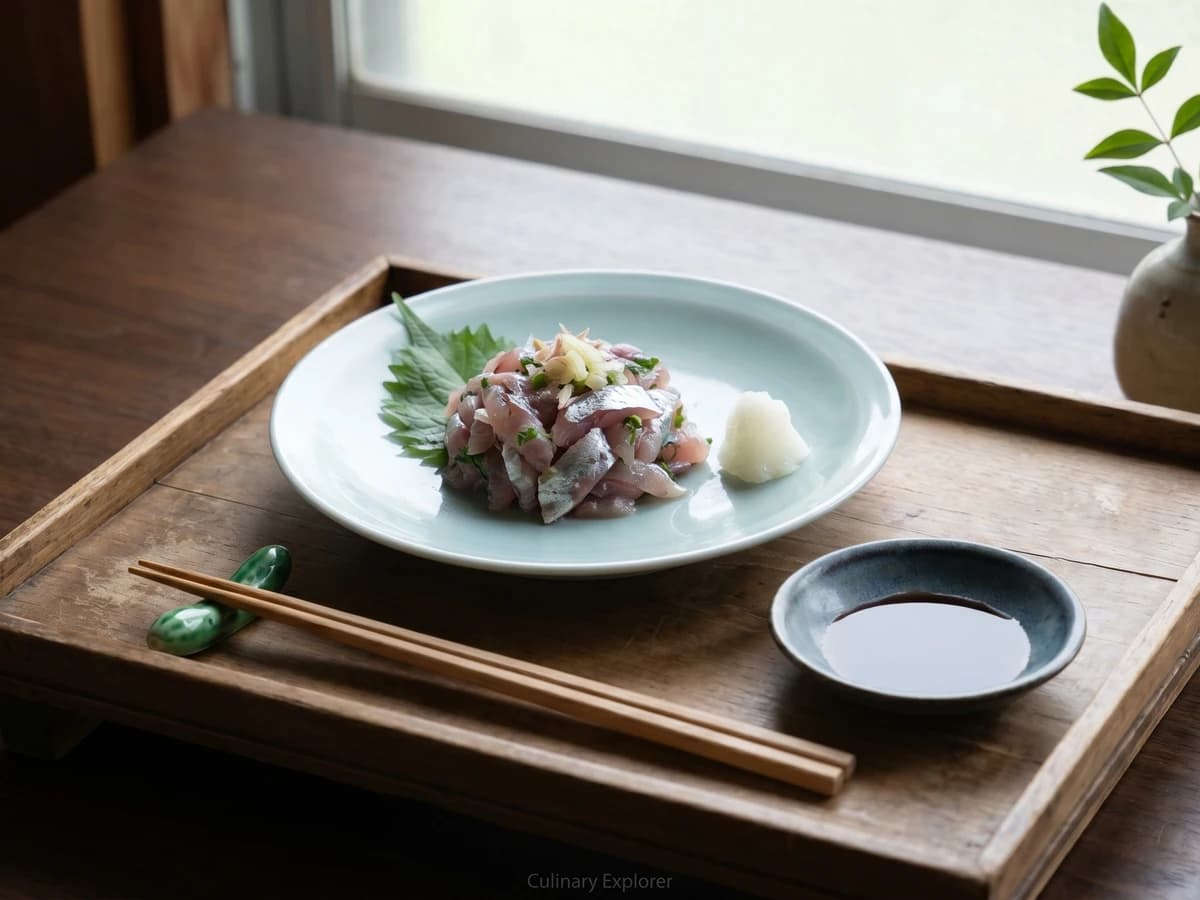
Summer horse mackerel, chopped just enough to catch ginger and scallion, becomes a cool, clean main dish with rice. The secret is fresh fish and a knife that does not bruise it.

Chef Takumi
A rice ball, a pickled mustard leaf, and good timing. Mehari-zushi is picnic food from Kishu, generous in the hand and simple once you season the leaf properly.

Chef Takumi
Tekone-zushi is hand-mixed sushi without ceremony: glistening fresh fish briefly seasoned in soy, folded into vinegared rice, and finished with shiso, ginger, and sesame for supper.

Chef Takumi
Temaki-zushi takes sushi off its pedestal and puts it in your hands: good rice, crisp nori, glistening fresh fillings, and no ceremony beyond rolling each cone as you eat.

Chef Takumi
Kabura-zushi sounds fearsome because it ferments, but the work is plain: salt good winter yellowtail, salt sweet turnip, then let kōji do its slow, gentle work.

Chef Takumi
Maguro sashimi asks for no cooking and forgives no tired fish. Choose the cut, chill everything, then draw the knife once through the grain so each slice opens clean.

Chef Takumi
A thin roll asks for almost nothing: seasoned rice, crisp nori, lean tuna, and a little wasabi. Keep the fish cold and the rice gentle, and six clean pieces follow.

Chef Takumi
Toyama's round pressed sushi asks for good trout, seasoned rice, bamboo leaves, and patience. The cure firms the fish, the gentle weight joins it to the rice, and the string makes the clean cut.

Chef Takumi
Bonito needs courage for only one minute: fierce heat outside, cool flesh within, then thick slices under garlic, ginger, herbs, and ponzu. The flame does less than you fear.

Chef Takumi
The fat roll looks like a test of nerve, but it is really a matter of order: season the fillings, spread the rice thinly, and roll once with confidence.

Chef Takumi
Battera looks severe, all straight edges and polished fish, but the work is simple: cure good mackerel, season the rice while warm, then let the press make order.

Chef Takumi
Ruibe asks for courage only once: buy salmon fit for raw eating, freeze it hard, then slice it while still icy so the clean fat melts slowly on the tongue.

Chef Takumi
Sushi-meshi is the part that decides the sushi. Cook the rice firm, dress it while warm, and cool it with a fan until every grain is glossy and separate.
Chef Takumi
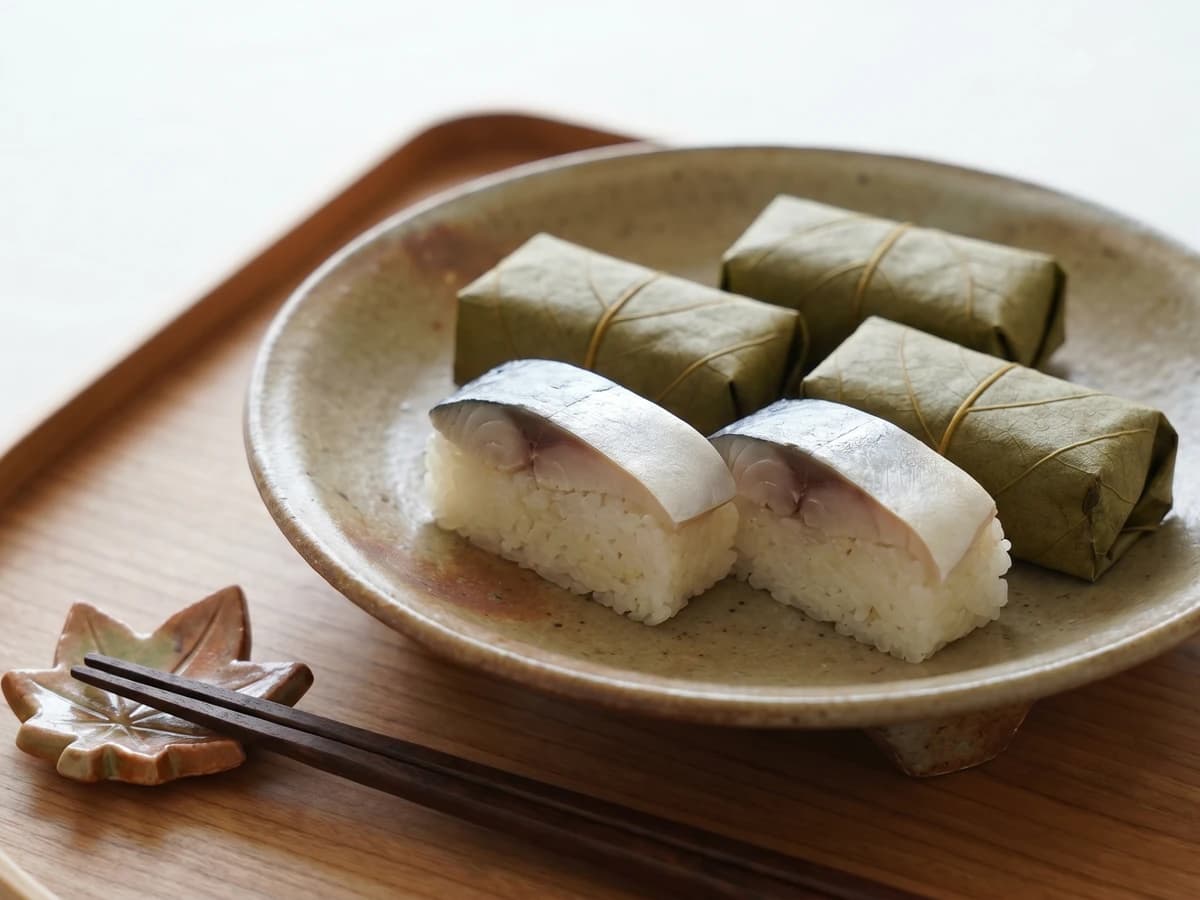
Nara's mountain sushi is quieter than it looks: seasoned rice, cured fish, and a persimmon leaf doing old preservative work. Press it gently, wait, and the pieces settle into themselves.

Chef Takumi
Sashimi isn't a dare; it is sourcing, cold handling, and a clean pull of the knife. With winter buri, the fat does the patient work.

Chef Takumi
One clean pull of a sharp knife is the whole art. Buy fish glistening fresh enough to eat raw, and the dish is most of the way made.

Chef Takumi
Ehōmaki looks ceremonial, but it is simply one good thick roll, seven fillings for luck, and the discipline not to cut it before it reaches the table.
Culinary guides, cultural storytelling, and the editorial depth that makes cooking meaningful.
Discover Culinary ExplorerChef Takumi is a fictional culinary guide to Japanese Washoku Cuisine, written with the assistance of AI.