
Chef Takumi
Aji Fry (アジフライ, panko-fried horse mackerel)
Aji fry is weeknight fish with no mystery: fresh horse mackerel opened cleanly, breaded lightly, and fried until the panko crackles while the flesh stays sweet.
A cooking platform built around craft, culture, and the stories behind what we eat.
Created by
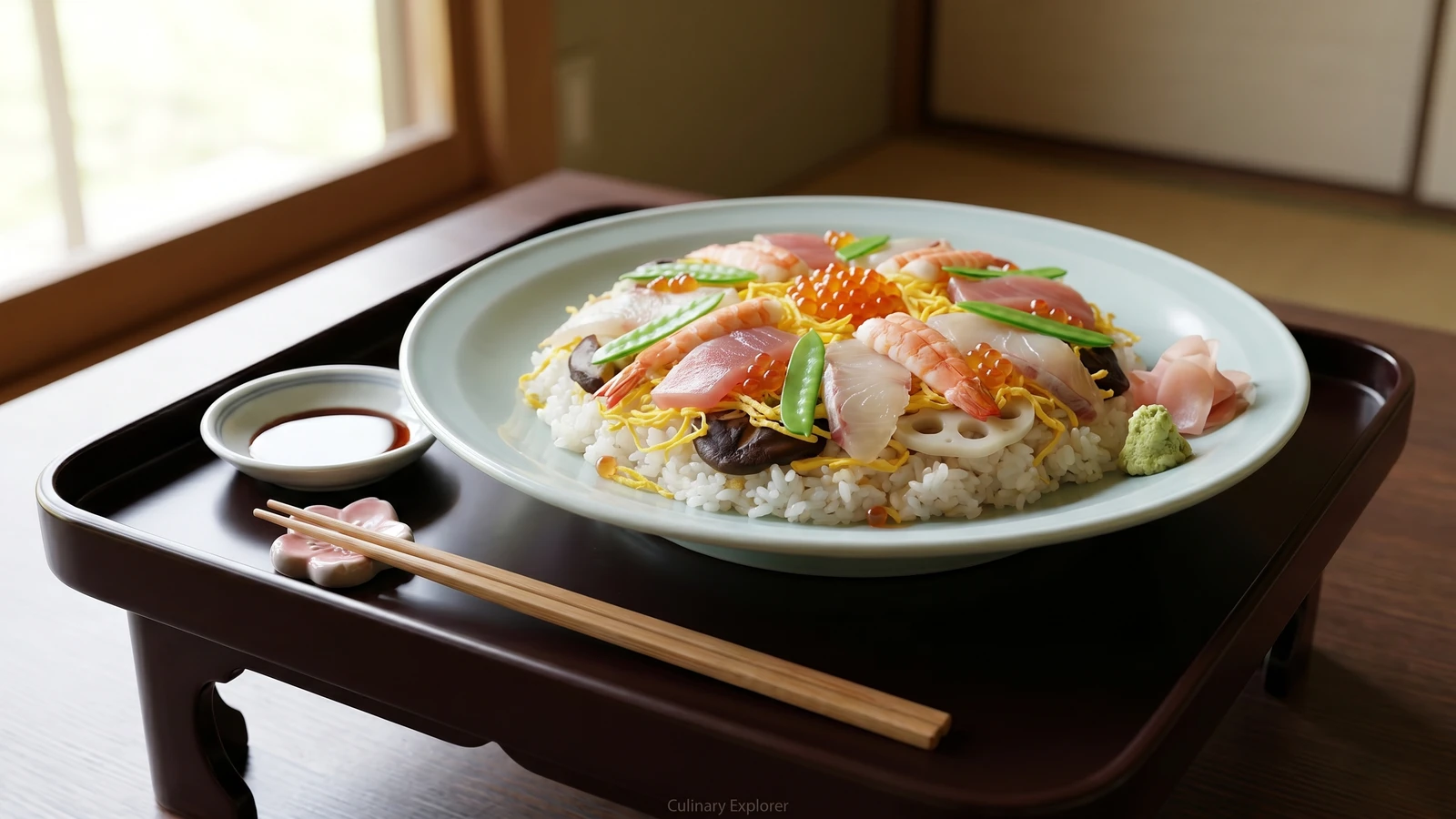
The most welcoming sushi is not rolled at all: vinegared rice, a little sweet-salty simmering, and beautiful things scattered on top with care.
Chirashizushi looks like celebration food because it is, but it does not ask you to roll a single thing. That is its kindness. The rice is seasoned, the toppings are prepared, and then the dish is composed, not conquered.
The detail that decides it is the rice. It must be glossy and separate, warm when the vinegar goes in, and cooled with a cutting motion so the grains stay whole. Mash it and the whole bowl becomes heavy. Treat it gently and every topping has a clean place to land.
For Hinamatsuri, the Girls' Day festival, we scatter color like spring just arrived at the table: yellow omelette, green snow peas, pink shrimp or tuna, orange ikura, dark shiitake, white rice. This is go-shiki, the five-color eye of washoku, doing practical work as well as beautiful work. Nothing hidden. Each ingredient is allowed to taste like itself.
Use glistening fresh fish only if you can buy it honestly for raw eating. If the fish counter cannot look you in the eye about it, use cooked shrimp and more vegetables. The dish remains honmono when the season and the sourcing are honored. It only suffers when pride is mistaken for judgment.
Chirashizushi developed as a home and celebration form of sushi in which toppings were scattered over or mixed through vinegared rice rather than pressed or shaped by hand. The Edo style often places raw seafood over sushi rice, while the Kansai and household festival style commonly folds in simmered vegetables such as shiitake, lotus root, and carrot. Its bright association with Hinamatsuri became especially visible in modern home cooking, where the colors of spring made the dish suited to a festive table.
Quantity
2 cups
Quantity
2 cups, plus more for rinsing rice
Quantity
1 piece (about 5g)
Quantity
1/3 cup
Quantity
2 tablespoons
Quantity
1 1/4 teaspoons
Quantity
1 piece (about 6g)
Quantity
2 1/2 cups
Quantity
12g
Quantity
6
Quantity
1 cup
Quantity
1 small
cut into thin matchsticks
Quantity
1/2 cup
peeled and thinly sliced
Quantity
2 tablespoons
Quantity
1 tablespoon
Quantity
1 tablespoon
Quantity
2
Quantity
1 teaspoon
Quantity
1 pinch
Quantity
1 teaspoon
Quantity
12
strings removed
Quantity
120g
thinly sliced
Quantity
8
peeled and deveined
Quantity
3 tablespoons
Quantity
1 tablespoon
Quantity
for serving
Quantity
for serving
| Ingredient | Quantity |
|---|---|
| Japanese short-grain rice | 2 cups |
| water | 2 cups, plus more for rinsing rice |
| konbu (dried kelp), for cooking rice | 1 piece (about 5g) |
| rice vinegar | 1/3 cup |
| sugar | 2 tablespoons |
| sea salt | 1 1/4 teaspoons |
| konbu (dried kelp), for dashi | 1 piece (about 6g) |
| cold water, for dashi | 2 1/2 cups |
| katsuobushi (bonito flakes) | 12g |
| dried shiitake mushrooms | 6 |
| warm water, for soaking shiitake | 1 cup |
| carrotcut into thin matchsticks | 1 small |
| lotus rootpeeled and thinly sliced | 1/2 cup |
| soy sauce | 2 tablespoons |
| sugar, for simmering | 1 tablespoon |
| mirin | 1 tablespoon |
| large eggs | 2 |
| sugar, for omelette | 1 teaspoon |
| sea salt, for omelette | 1 pinch |
| neutral oil | 1 teaspoon |
| snow peasstrings removed | 12 |
| sashimi-grade tuna or sea breamthinly sliced | 120g |
| cooked shrimppeeled and deveined | 8 |
| ikura (salmon roe) | 3 tablespoons |
| toasted white sesame seeds | 1 tablespoon |
| pickled ginger (optional) | for serving |
| grated wasabi (optional) | for serving |
Rinse the rice in several changes of cool water, rubbing it gently with your fingers until the water runs almost clear. Drain it for 20 minutes. This washes away loose starch so the grains cook separate and glossy, which matters more here than in an ordinary bowl of rice.
Put the drained rice in a rice cooker or heavy pot with 2 cups water and the 5g piece of konbu. Let it soak for 20 minutes, then cook. Remove the konbu before serving or folding. The kelp gives a quiet sea flavor to the rice, but leaving it in after cooking makes the texture slippery and too assertive.
Warm the rice vinegar, 2 tablespoons sugar, and 1 1/4 teaspoons salt just until the sugar dissolves. Do not boil it. Boiling drives off the clean edge of the vinegar, and that brightness is what keeps the rice from tasting merely sweet.
Wipe the 6g piece of konbu with a damp cloth, but don't wash it. Put it in 2 1/2 cups cold water and bring it slowly toward a simmer. Pull the konbu when the water trembles and small bubbles climb the sides. Add the katsuobushi, take the pot off the heat, and leave it for 3 minutes. Strain without squeezing.
Soak the dried shiitake in 1 cup warm water until soft, about 25 minutes. Strain and save the soaking liquid, trim the stems, and slice the caps thinly. In a small pot combine 1 cup dashi, 1/2 cup shiitake soaking liquid, soy sauce, 1 tablespoon sugar, and mirin. Add the shiitake, carrot, and lotus root and simmer gently for 12 to 15 minutes, until the vegetables are seasoned but still distinct. Drain well and cool.
Turn the hot rice into a hangiri, the wide wooden sushi tub, or a broad shallow bowl. Sprinkle the sushi vinegar over it and fold with a rice paddle using a slicing motion, fanning as you work if you can. The cutting motion keeps the grains whole, and the fanning cools the surface fast so the rice shines instead of steaming itself soft.
When the rice is warm rather than hot, fold in the drained shiitake, carrot, lotus root, and toasted sesame. Taste once. It should be lightly sour, lightly sweet, and savory underneath, with each grain still present. Cover with a damp cloth so the rice stays supple while you finish the toppings.
Beat the eggs with 1 teaspoon sugar and a pinch of salt, then strain if you want especially fine sheets. Oil a small pan lightly and cook the egg in two thin layers over low heat. Keep the heat gentle so the sheets stay yellow, not browned. Cool, roll loosely, and slice into fine threads called kinshi tamago, golden egg silk.
Blanch the snow peas in salted boiling water for 30 seconds, then chill them in cold water and drain well. Slice on the diagonal. The quick blanch fixes the green color and softens the raw edge while keeping the snap.
Use only fish sold for raw eating by a monger you trust. Keep it cold, use a sharp clean knife, and cut in one smooth pull so the face of each slice stays glistening and unbruised. If the fish smells strong or looks tired, cook something else for the top. Let the knife do the seasoning.
Spread the rice in a shallow serving vessel, leaving the edges visible instead of filling it to the rim. Scatter the kinshi tamago first, then arrange the snow peas, shrimp, sashimi, and ikura in small odd-numbered groups with a little height. Serve with pickled ginger and wasabi on the side. The word is chirashi, scattered, but scattering still has manners.
1 serving (about 380g)
Culinary guides, cultural storytelling, and the editorial depth that makes cooking meaningful.
Discover Culinary ExplorerChef Takumi
Aji fry is weeknight fish with no mystery: fresh horse mackerel opened cleanly, breaded lightly, and fried until the panko crackles while the flesh stays sweet.
Chef Takumi
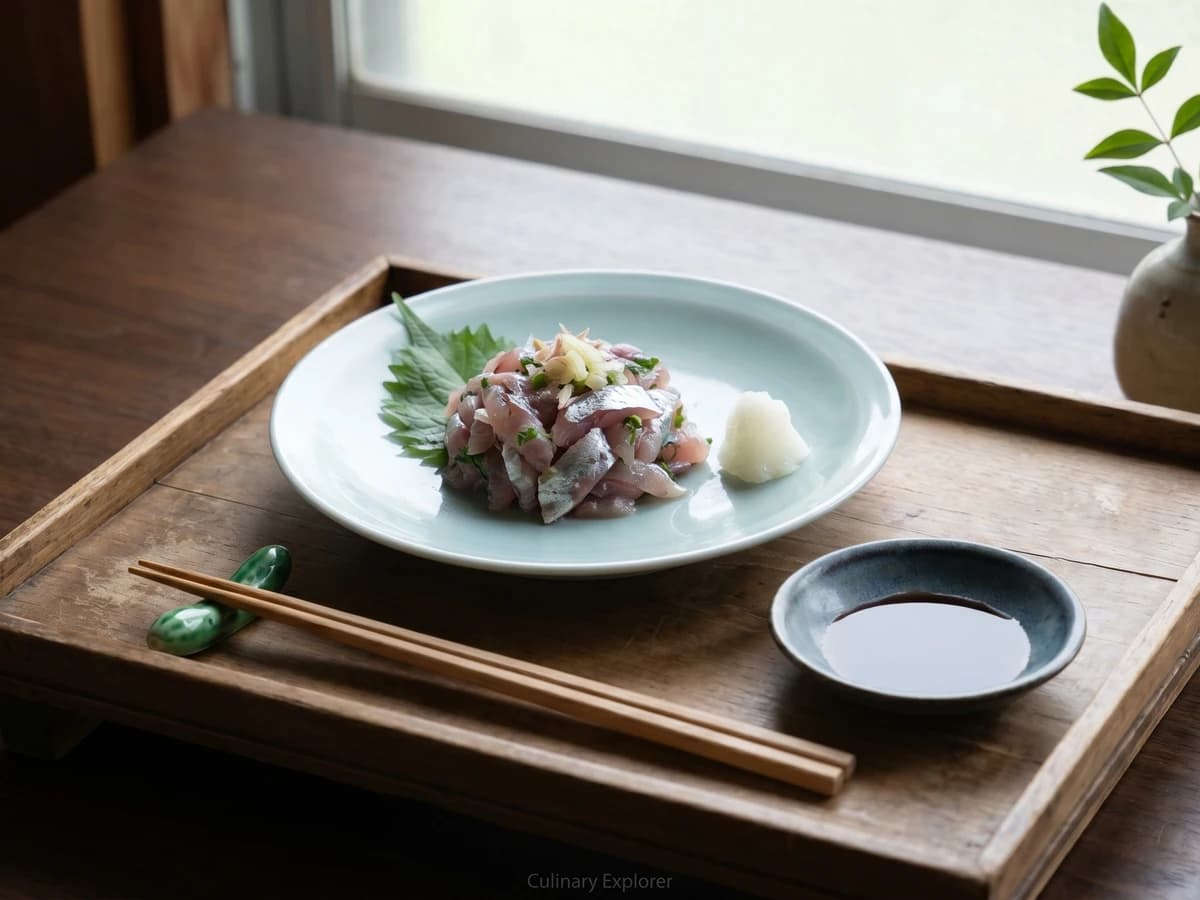
Summer horse mackerel, chopped just enough to catch ginger and scallion, becomes a cool, clean main dish with rice. The secret is fresh fish and a knife that does not bruise it.
Chef Takumi
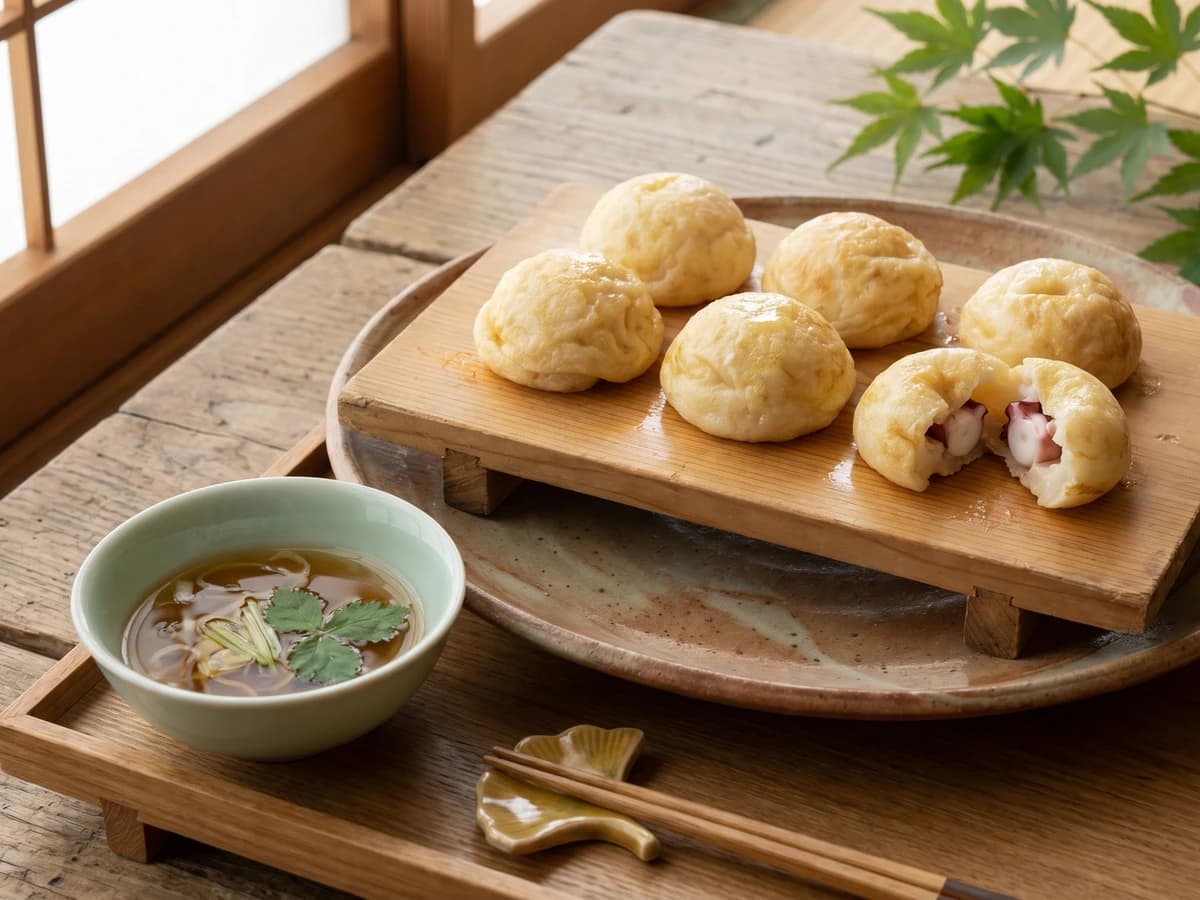
Akashi-yaki is not sauced takoyaki. It is egg-rich batter, tender octopus, and clear dashi, cooked pale and soft so each ball can be dipped like a small custard dumpling.

Chef Takumi
A whole anago looks like a test of nerve. It is mostly good sourcing, a dry skin, cold batter, and oil hot enough to leave the eel sweet under its lace.