
Chef Takumi
Aji Fry (アジフライ, panko-fried horse mackerel)
Aji fry is weeknight fish with no mystery: fresh horse mackerel opened cleanly, breaded lightly, and fried until the panko crackles while the flesh stays sweet.
A cooking platform built around craft, culture, and the stories behind what we eat.

Created by
Kappamaki is the thin roll that teaches restraint: cool cucumber, a modest veil of rice, good nori, and a clean cut. Put in too much and the little roll tells on you.
Acucumber roll looks like practice food until you make one carefully. Then it becomes a small lesson in the whole sushi counter: fresh ingredient, seasoned rice, clean hands, sharp knife. Nothing hidden. The cucumber must be crisp and cool, because there is no sauce here to forgive a tired one.
The detail that decides kappamaki is restraint. Spread less rice than your hand wants to use, leave the far edge of the nori bare, and place one straight strip of cucumber through the center. Too much rice makes a fat roll that will not close; too much cucumber splits it. A thin roll, hosomaki, is meant to be narrow enough to eat in one bite, not wrestled politely with chopsticks.
Use Japanese cucumber if you can, especially in summer when it is at its shun, its prime. Persian cucumber is a sensible stand-in. If your cucumber is watery, scrape away the seed core and salt the strips briefly, not to season them heavily, but to keep excess water from softening the rice and nori. The real thing is not severe. It is simply exact about where the moisture belongs.
Kappamaki sits easily in a weeknight meal with miso soup and a small pickle, or beside other sushi rolls when the table is fuller. It is often the roll children begin with, and I like that. The first lesson should be clean, green, and possible.
Kappamaki belongs to hosomaki, the narrow nori-wrapped sushi rolls that took shape with Edo-style sushi after sheet nori became widely available in the nineteenth century. The name refers to kappa, the river creature of Japanese folklore said to love cucumbers, which is why cucumber rolls and cucumber dishes often carry the word kappa. Unlike nigiri, which grew around seafood in Edo, kappamaki became the plain vegetable roll that could sit comfortably in a sushi assortment or stand alone as a light meal.
Quantity
2 cups cooked
freshly cooked and hot
Quantity
3 tablespoons
Quantity
1 tablespoon
Quantity
1 teaspoon
Quantity
3 sheets
halved crosswise
Quantity
1 medium
cut into long thin strips
Quantity
1 tablespoon
Quantity
1 teaspoon
Quantity
for serving
Quantity
small bowl
for wetting hands
| Ingredient | Quantity |
|---|---|
| Japanese short-grain ricefreshly cooked and hot | 2 cups cooked |
| rice vinegar | 3 tablespoons |
| sugar | 1 tablespoon |
| fine sea salt | 1 teaspoon |
| toasted norihalved crosswise | 3 sheets |
| Japanese cucumbercut into long thin strips | 1 medium |
| toasted white sesame seeds | 1 tablespoon |
| wasabi (optional) | 1 teaspoon |
| soy sauce | for serving |
| water with a splash of rice vinegarfor wetting hands | small bowl |
Stir the rice vinegar, sugar, and salt until the grains dissolve. Sprinkle this over the hot rice in a wide bowl, then fold with a rice paddle while fanning or letting the surface cool. You are seasoning the rice while it is hot because warm grains drink the vinegar evenly; cold rice only wears it on the outside.
Trim the cucumber ends and cut it lengthwise into straight strips about 1/4 inch thick. If the center is watery or full of seeds, scrape that part away. The cucumber is the crunch of the roll, and excess water is the enemy of clean rice and crisp nori.
Lay a bamboo rolling mat, makisu, in front of you with the slats running left to right. Set one half-sheet of nori shiny side down, long edge facing you. The rough side holds the rice better, so the roll grips instead of sliding about like it has legal objections.
Wet your fingers lightly with the vinegar water, shake off the excess, and spread about 1/3 cup sushi rice over the nori. Leave a bare strip about 3/4 inch wide along the far edge. Press gently, just enough to cover the nori; mashing the rice makes the roll heavy and dull.
Smear a very thin line of wasabi across the rice if using it, then lay one cucumber strip along the center and sprinkle lightly with sesame. Keep the filling in one straight line. A scattered filling makes an uneven roll, and this little dish has no room for confusion.
Lift the near edge of the mat with your thumbs while your fingers hold the cucumber in place. Roll forward until the rice meets rice, then press lightly along the length to shape a neat cylinder. Pull the mat back, roll once more onto the bare nori edge, and let the seam rest underneath. Pressure shapes the roll; force crushes it.
Dip a sharp knife in water, wipe it clean, and cut each roll in half, then each half into three pieces. Wipe the blade between cuts. A damp, clean knife slides through rice and nori without dragging the filling out. Let the knife do the seasoning here too, in its quiet way.
Arrange the pieces cut side up, in small groups with space between them. Serve with soy sauce on the side, dipping lightly at the edge rather than soaking the rice. Kappamaki is best soon after rolling, while the cucumber is cool and the nori still has its bite.
1 serving (about 170g)
Culinary guides, cultural storytelling, and the editorial depth that makes cooking meaningful.
Discover Culinary ExplorerChef Takumi
Aji fry is weeknight fish with no mystery: fresh horse mackerel opened cleanly, breaded lightly, and fried until the panko crackles while the flesh stays sweet.
Chef Takumi
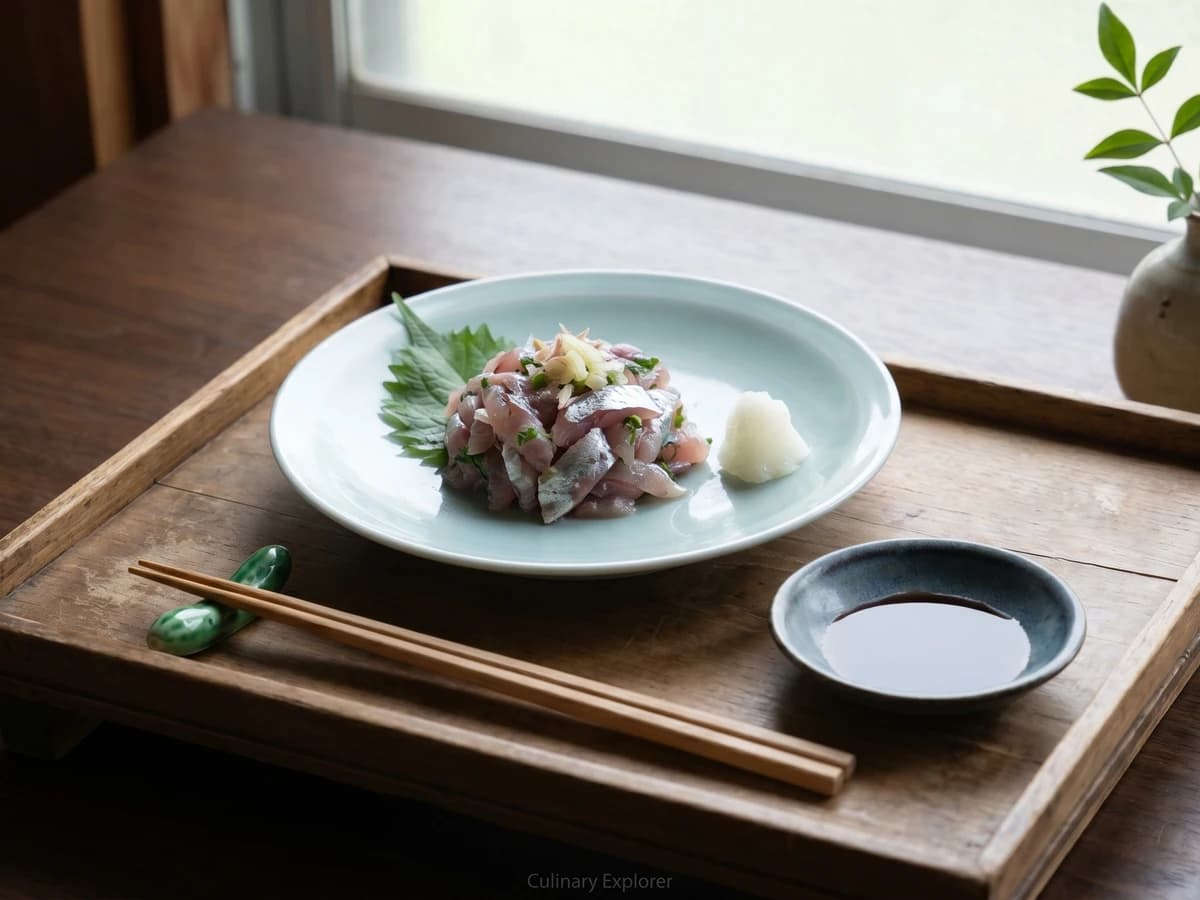
Summer horse mackerel, chopped just enough to catch ginger and scallion, becomes a cool, clean main dish with rice. The secret is fresh fish and a knife that does not bruise it.
Chef Takumi
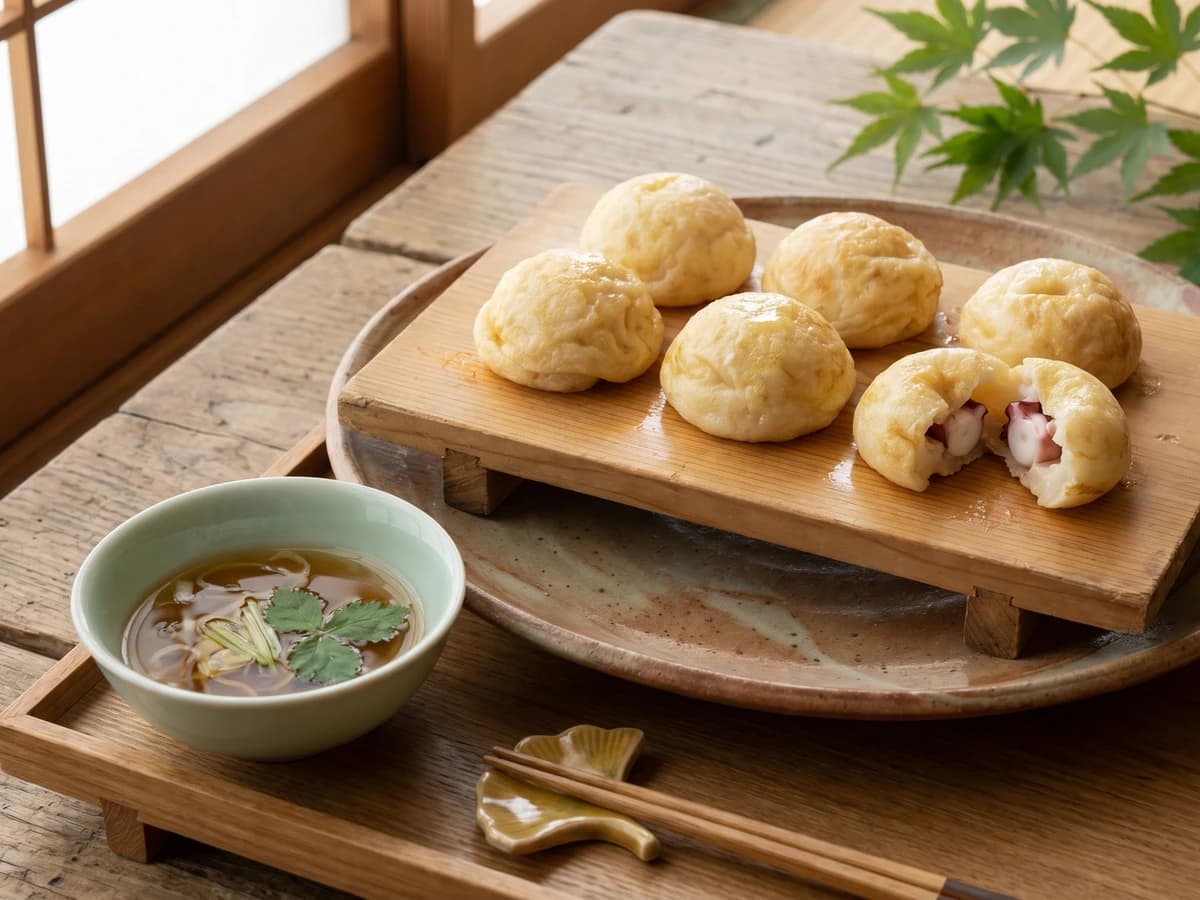
Akashi-yaki is not sauced takoyaki. It is egg-rich batter, tender octopus, and clear dashi, cooked pale and soft so each ball can be dipped like a small custard dumpling.

Chef Takumi
A whole anago looks like a test of nerve. It is mostly good sourcing, a dry skin, cold batter, and oil hot enough to leave the eel sweet under its lace.