
Chef Takumi
Aji Fry (アジフライ, panko-fried horse mackerel)
Aji fry is weeknight fish with no mystery: fresh horse mackerel opened cleanly, breaded lightly, and fried until the panko crackles while the flesh stays sweet.
A cooking platform built around craft, culture, and the stories behind what we eat.
Created by
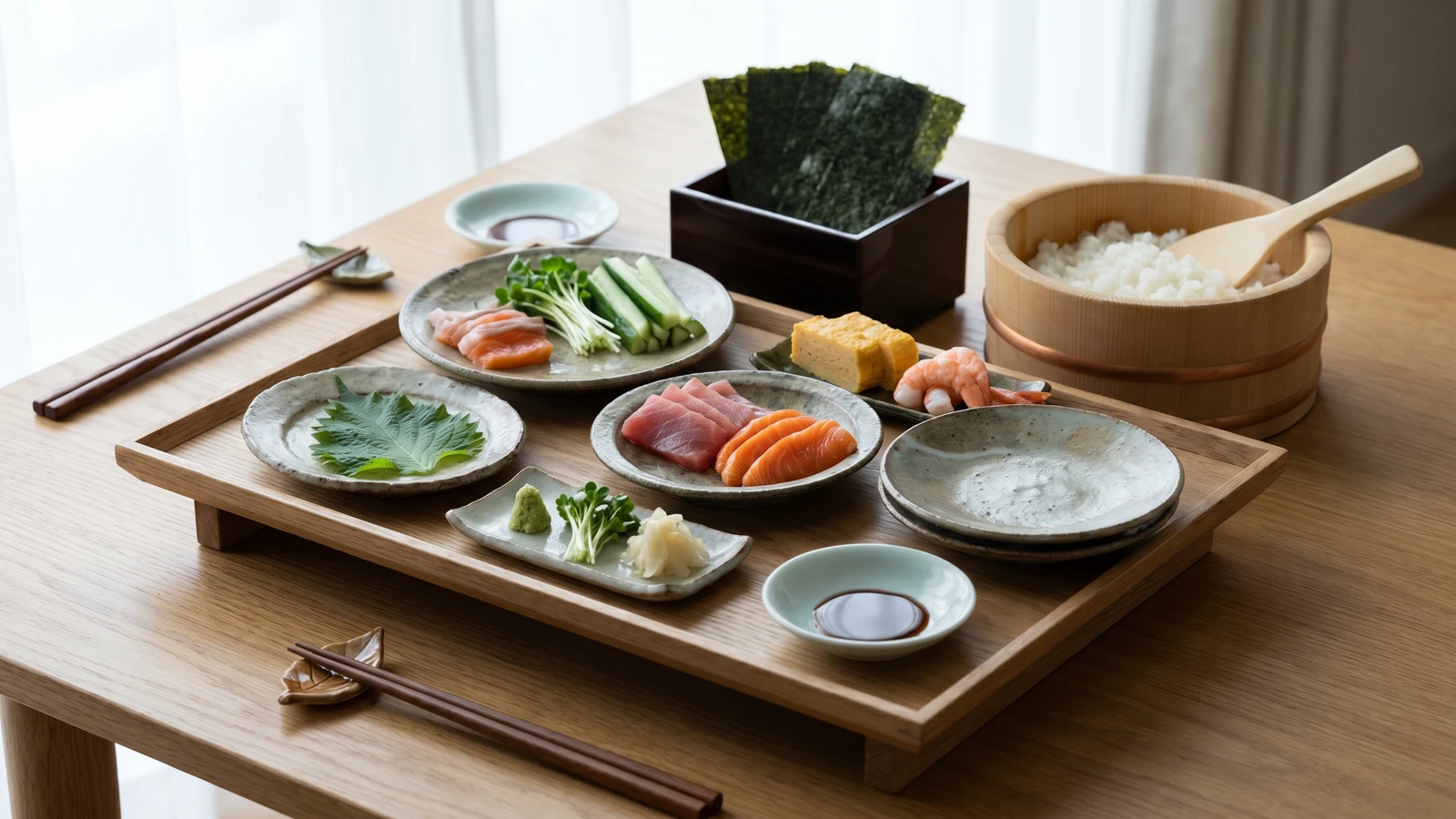
Temaki-zushi takes sushi off its pedestal and puts it in your hands: good rice, crisp nori, glistening fresh fillings, and no ceremony beyond rolling each cone as you eat.
Sushi frightens people because they picture a master standing over a counter, cutting fish as if one wrong breath will ruin dinner. Temaki-zushi is the cure for that fear. Put a bowl of seasoned rice on the table, set out crisp nori and honest fillings, and everyone rolls their own cone. It is sushi made communal, generous, and wonderfully difficult to be solemn about.
The one detail that decides it is the nori. Keep it dry and crisp until the moment it meets the rice, because warm, wet rice softens seaweed quickly. So you roll one at a time, eat it at once, and let the contrast do its work: glossy rice, crackling nori, cool fish or vegetables, a touch of wasabi if you want its clean heat.
Sourcing comes before knife work. If the fish is glistening fresh and meant to be eaten raw, slice it simply and let the knife do the seasoning. If it isn't, don't hide it under sauce. Use cucumber, shiso, omelet, natto, pickled daikon, simmered shiitake, or cooked shrimp instead, and the table is still honmono. The method, not the menu, is the heart here.
This is weeknight sushi because it respects the home kitchen. The rice must be warm, not hot. The fillings should be restrained, not piled like a small architectural mistake. Leave room in the cone so it closes, pass the soy sauce in little dishes, and eat as you roll. That's all the ceremony needed.
Temaki-zushi means hand-rolled sushi, and it belongs especially to the modern home table rather than to the Edo-period sushi stall. Sheet nori has older roots in Edo Bay, where Asakusa nori was cultivated and pressed into paper-like sheets, but reliable modern nori farming expanded after Kathleen Drew-Baker's 1949 work clarified the seaweed's life cycle. The dish became a practical party and family format in the postwar home, helped by electric rice cookers, packaged nori, and better cold distribution for seafood.
Quantity
3 rice-cooker cups (about 540ml)
Quantity
600ml, or to the rice cooker's sushi rice mark
Quantity
1 piece (about 5cm square)
Quantity
5 tablespoons
Quantity
2 tablespoons
Quantity
2 teaspoons
Quantity
12 full sheets
cut in half
Quantity
250g
sliced into strips
Quantity
8
peeled and halved lengthwise
Quantity
1 small
seeded and cut into thin sticks
Quantity
1
cut into thin wedges
Quantity
6
halved
Quantity
1 small bunch
trimmed
Quantity
120g
cut into narrow batons
Quantity
6 tablespoons
Quantity
2 tablespoons
Quantity
to taste
Quantity
for dipping
Quantity
for serving
| Ingredient | Quantity |
|---|---|
| Japanese short-grain rice | 3 rice-cooker cups (about 540ml) |
| water | 600ml, or to the rice cooker's sushi rice mark |
| konbu (dried kelp) (optional) | 1 piece (about 5cm square) |
| rice vinegar | 5 tablespoons |
| sugar | 2 tablespoons |
| fine sea salt | 2 teaspoons |
| toasted nori sheetscut in half | 12 full sheets |
| sashimi-grade fishsliced into strips | 250g |
| cooked shrimppeeled and halved lengthwise | 8 |
| cucumberseeded and cut into thin sticks | 1 small |
| avocado (optional)cut into thin wedges | 1 |
| shiso leaveshalved | 6 |
| kaiware daikon or radish sproutstrimmed | 1 small bunch |
| tamagoyakicut into narrow batons | 120g |
| ikura (optional) | 6 tablespoons |
| toasted white sesame seeds | 2 tablespoons |
| fresh wasabi or prepared wasabi | to taste |
| soy sauce | for dipping |
| gari pickled ginger | for serving |
Put the rice in a bowl, cover with cold water, and stir with your hand. Pour off the cloudy water and repeat until the water is almost clear, then drain well for fifteen minutes. Washing removes loose surface starch, so the cooked grains stay glossy and separate instead of pasty. Wash it twice, wash it thrice. The old jingle is annoying because it's right.
Cook the drained rice with the measured water and the konbu, if using. Pull the konbu out before eating, not because it is dangerous, but because its work is done and its texture belongs elsewhere. When the rice is cooked, let it rest covered for ten minutes so the moisture settles evenly through the grains.
Warm the vinegar, sugar, and salt just until dissolved, then cool slightly. Turn the hot rice into a hangiri, the wide wooden sushi tub, or a broad shallow bowl. Sprinkle the vinegar mixture over it and cut through the rice with a paddle while fanning gently. Cutting folds in the seasoning without crushing the grains, and fanning carries off excess moisture so the rice shines instead of turning wet.
Cover the seasoned rice with a damp cloth and let it cool until warm to the touch, not cold and not hot. Hot rice wilts the nori before the first bite; cold rice hardens and loses its fragrance. Warm rice is the middle path, which sounds like philosophy until the seaweed goes limp.
Slice the fish into strips about the width of a finger, using one clean pull of the knife for each cut. Keep raw fish chilled until the table is ready. Cut the cucumber, shiso, sprouts, tamagoyaki, shrimp, and any other fillings into narrow pieces that fit easily inside a cone. Small pieces roll cleanly; large ones force you to overfill.
Arrange the nori in a dry covered container or a lidded tray, and set the rice, fillings, wasabi, sesame, soy sauce, and gari on the table. Keep the nori away from the rice bowl until the moment of rolling. That separation is not fussy manners. It protects the crispness that makes temaki-zushi worth eating.
Hold a half sheet of nori shiny side down in your palm, with a corner pointing toward you. Spread a small mound of rice over the left third, leaving the far edge bare. Add a little wasabi if you like, then two or three fillings in a diagonal line. Fold the lower corner over the filling and roll into a cone. The bare edge seals against the rice, and the empty space keeps the cone from splitting.
Dip the filling end lightly in soy sauce and eat the hand roll immediately. Don't soak the rice side, or the cone collapses and the seasoning turns harsh. Temaki-zushi is made one by one for this reason: crisp nori waits for no one.
1 serving (about 360g)
Culinary guides, cultural storytelling, and the editorial depth that makes cooking meaningful.
Discover Culinary ExplorerChef Takumi
Aji fry is weeknight fish with no mystery: fresh horse mackerel opened cleanly, breaded lightly, and fried until the panko crackles while the flesh stays sweet.
Chef Takumi
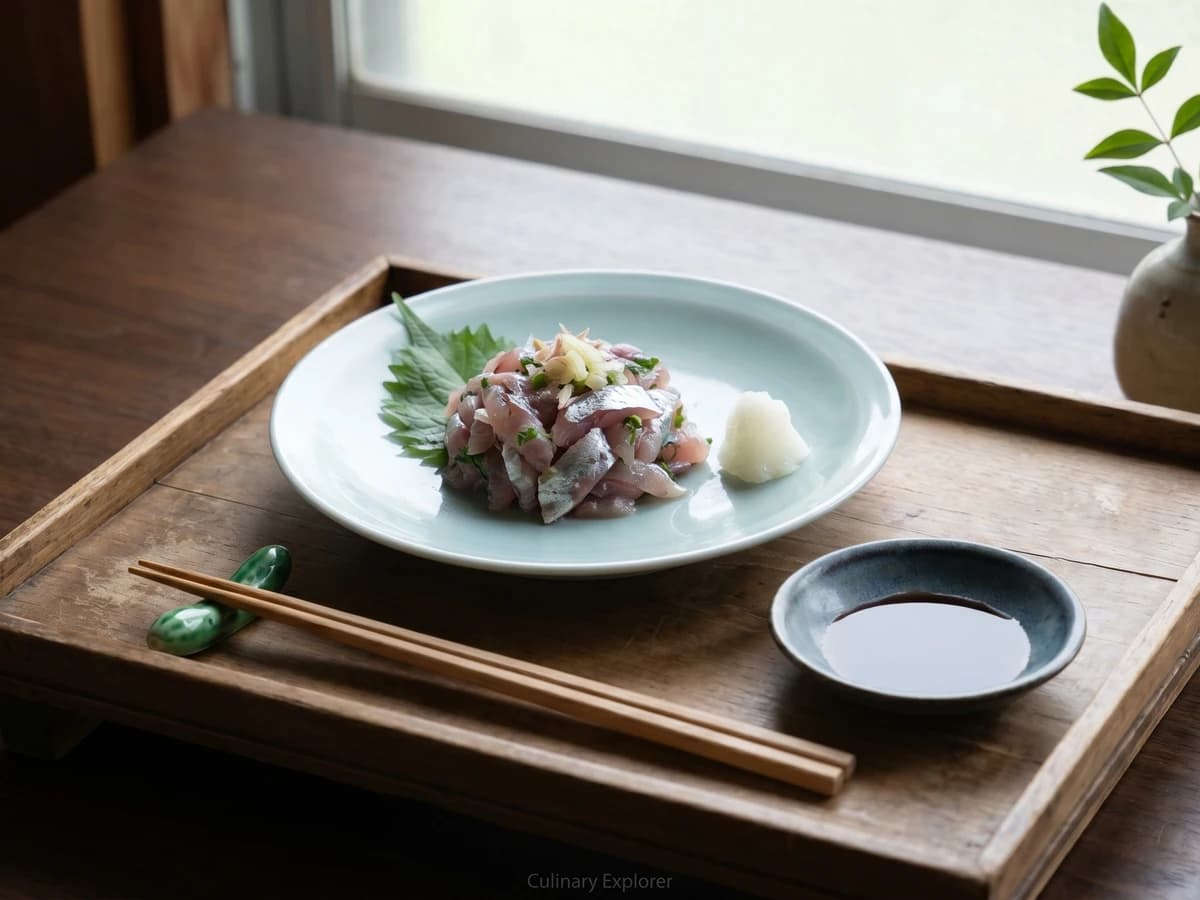
Summer horse mackerel, chopped just enough to catch ginger and scallion, becomes a cool, clean main dish with rice. The secret is fresh fish and a knife that does not bruise it.
Chef Takumi
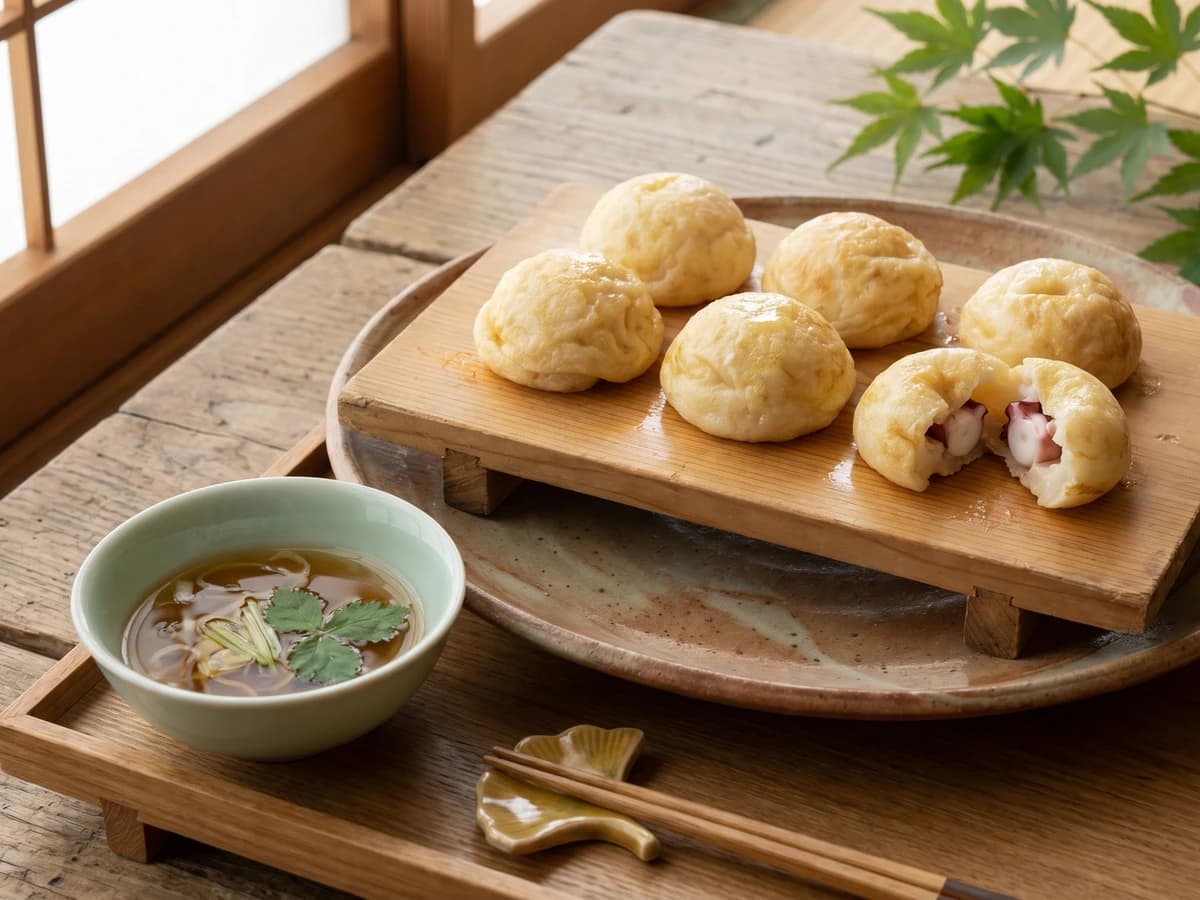
Akashi-yaki is not sauced takoyaki. It is egg-rich batter, tender octopus, and clear dashi, cooked pale and soft so each ball can be dipped like a small custard dumpling.

Chef Takumi
A whole anago looks like a test of nerve. It is mostly good sourcing, a dry skin, cold batter, and oil hot enough to leave the eel sweet under its lace.