Culinary Explorer
A cooking platform built around craft, culture, and the stories behind what we eat.
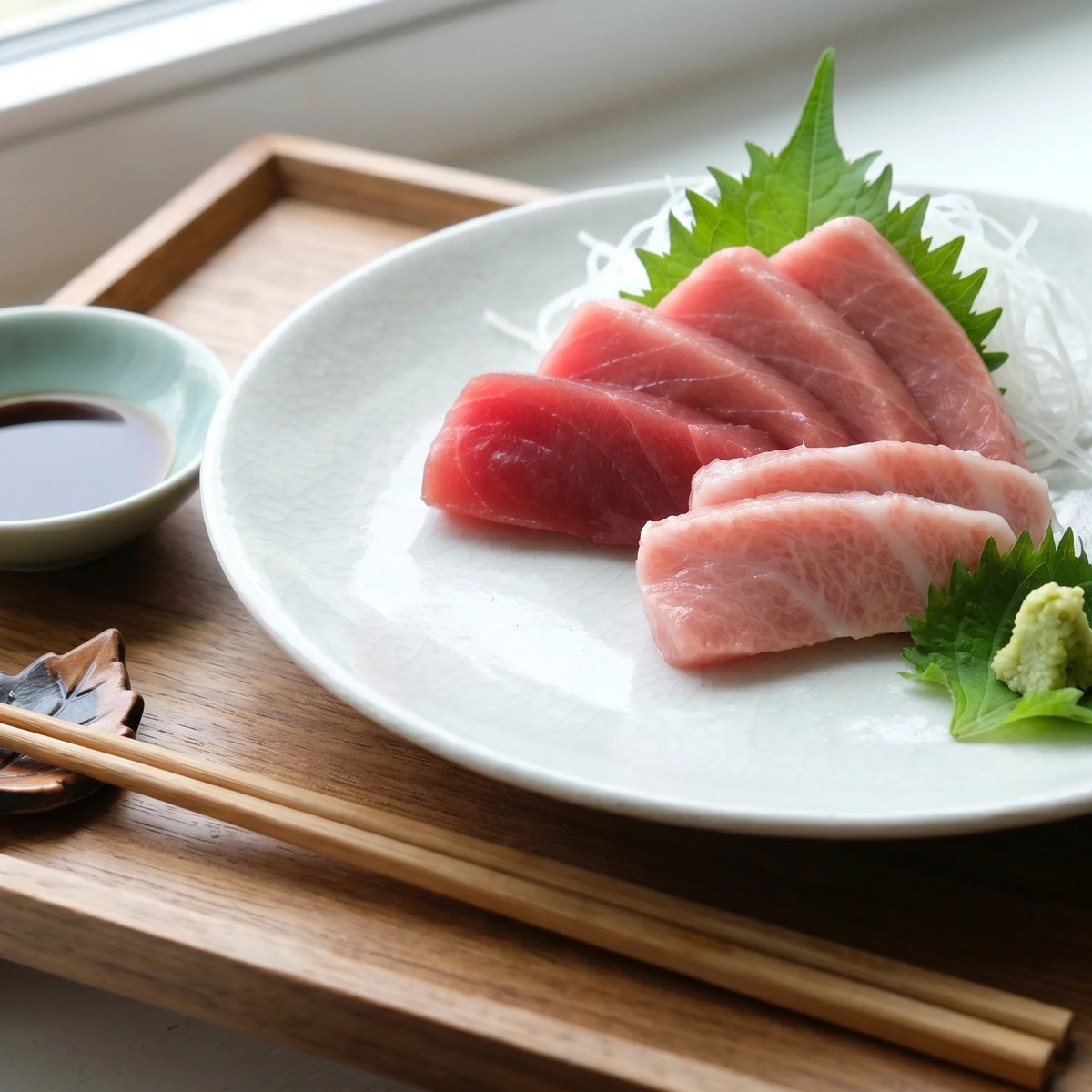
Maguro Sashimi (鮪の刺身)
Created by Chef Takumi
Maguro sashimi asks for no cooking and forgives no tired fish. Choose the cut, chill everything, then draw the knife once through the grain so each slice opens clean.
Maguro sashimi is where people start whispering about danger and knife work, as if the plate were a small operating theater. It isn't. There is no heat to manage and no sauce to balance. The work happens earlier: buy tuna good enough to eat raw, keep it cold, and cut it cleanly.
Read the fish before you touch the knife. Akami is lean, clear red, and faintly iron-sweet; chūtoro carries a softer blush of fat; ōtoro is pale, rich belly that can feel almost loose if it warms. Each wants respect, not fuss. Shun matters here too, especially with bluefin in cold months, when the belly fat is at its cleanest. But the calendar doesn't outrank the counter. Ask what is glistening fresh today.
The grain dictates the slice. Cut across it and the tuna yields under the teeth; cut with it and even good fish feels stringy. Use a yanagiba if you have one, or the longest sharp knife in the drawer, chilled and wiped clean. Draw once, heel to tip. Sawing bruises the face of the fish and smears the fat, and then the knife has seasoned it badly.
In washoku, we count raw as one of the methods, so sashimi can stand as the main dish beside rice, soup, and a simmered vegetable. Keep the plate quiet: shredded daikon, shiso, a small mound of wasabi, soy in its own dish. This is 本物 (honmono, the real thing) because nothing is hidden. If the fish smells tired, don't make sashimi. Cook something else and sleep with a clearer conscience.
Ingredients
maguro saku (tuna block sold for raw eating)
Quantity
350g
akami, chūtoro, ōtoro, or a mix
daikon radish
Quantity
1/3 medium
peeled and cut into very fine threads
shiso leaves (optional)
Quantity
4
| Ingredient | Quantity |
|---|---|
| maguro saku (tuna block sold for raw eating)akami, chūtoro, ōtoro, or a mix | 350g |
| daikon radishpeeled and cut into very fine threads | 1/3 medium |
| shiso leaves (optional) | 4 |
Where cooking meets culture.
Culinary guides, cultural storytelling, and the editorial depth that makes cooking meaningful.
Discover Culinary Explorer