
Chef Takumi
Aji Fry (アジフライ, panko-fried horse mackerel)
Aji fry is weeknight fish with no mystery: fresh horse mackerel opened cleanly, breaded lightly, and fried until the panko crackles while the flesh stays sweet.
A cooking platform built around craft, culture, and the stories behind what we eat.
Created by
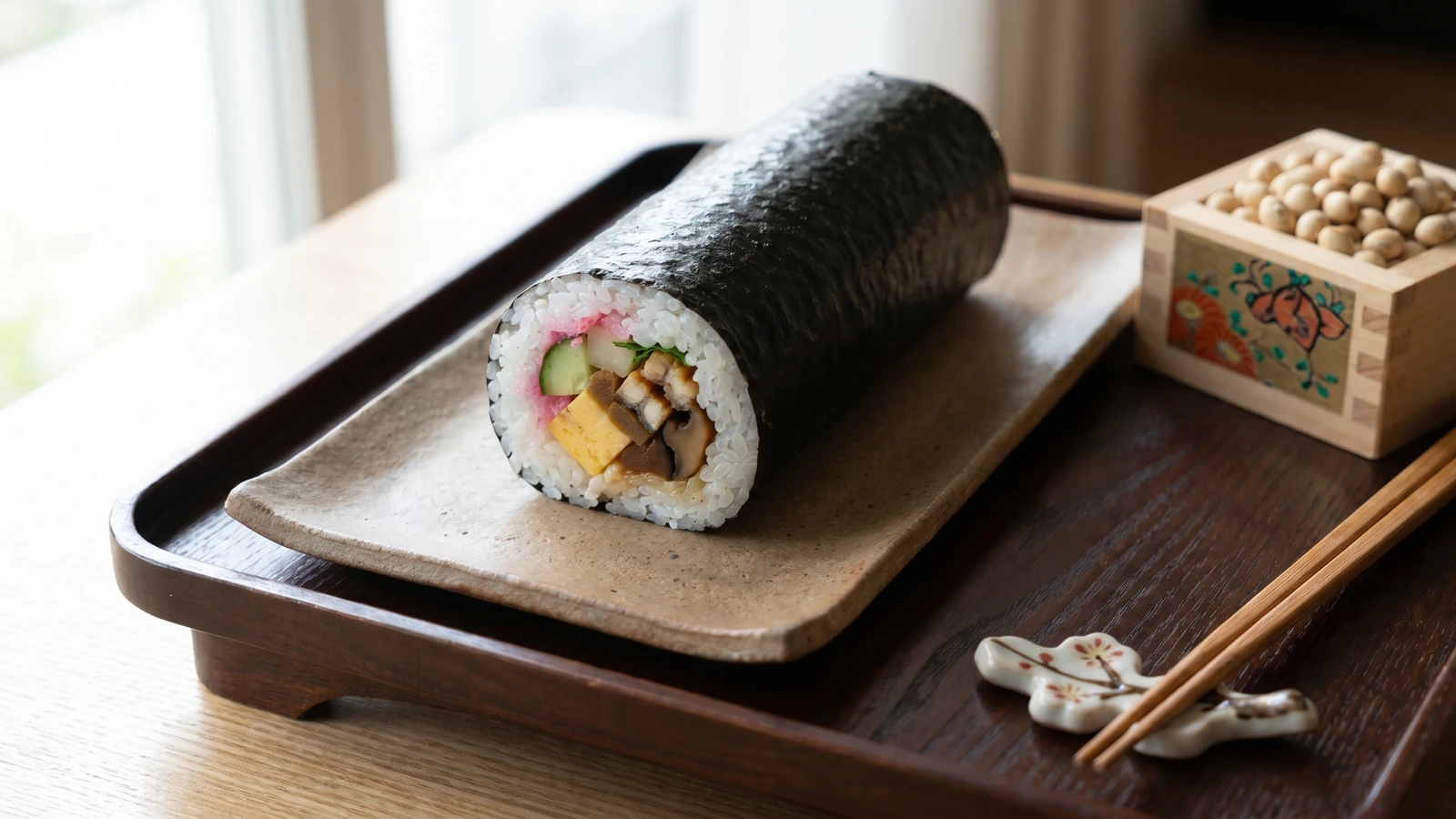
Ehōmaki looks ceremonial, but it is simply one good thick roll, seven fillings for luck, and the discipline not to cut it before it reaches the table.
The first surprise of ehōmaki is that the knife stays out of it. We spend so much care making a clean roll, then we do the unthinkable: serve it whole. That is the Setsubun custom. Face the year's lucky direction, eat in silence, and don't cut the fortune in half. A little superstition at the table has never hurt anyone, provided the rice is seasoned properly.
This is a futomaki, a thick sushi roll, and its reputation is larger than the work. The one detail that decides it is balance. Too much rice and the roll becomes heavy. Too many fillings and it bursts like a badly packed suitcase. Spread the rice thinly, leave a bare strip of nori at the far edge, and line the fillings in firm, even rows. The mat does the shaping, not your panic.
Seven fillings are traditional here, often tied to the Seven Lucky Gods. Use what belongs: sweet omelet, simmered shiitake, kanpyō, cucumber, eel or anago, denbu, and mitsuba or spinach. The flavor should move through sweet, savory, green, and clean without any one part shouting. That is the method, not the menu: a whole lucky roll built from small, well-seasoned pieces, each one doing its proper work.
Serve it simply. One roll per person if appetites are strong, or half a roll for a quieter table, though the holiday custom keeps it whole. Set it on a tray with room around it, seam down, the nori dark and dry, the rice just tender enough to hold. Honmono doesn't need theater. It needs the right season, a good mat, and a cook who knows when to stop filling.
Ehōmaki developed from a Kansai custom, especially associated with Osaka, of eating an uncut thick sushi roll on Setsubun while facing the year's auspicious direction, or ehō. The older practice was often called marukaburi-zushi, meaning a roll eaten whole, and shops and seaweed merchants promoted it through the twentieth century before convenience stores carried it nationwide. The name ehōmaki became broadly familiar after 7-Eleven used it for national sales in 1998.
Quantity
3 cups cooked
hot
Quantity
1/4 cup
Quantity
2 tablespoons
Quantity
1 teaspoon
Quantity
4 full sheets
Quantity
4
Quantity
1 cup
for soaking shiitake
Quantity
2 tablespoons
Quantity
2 tablespoons
divided for simmered fillings
Quantity
1 tablespoon
Quantity
4 strips (about 20g)
soaked and rinsed
Quantity
1 teaspoon
for rubbing kanpyō
Quantity
3 large
Quantity
1 teaspoon
for omelet
Quantity
1 teaspoon
for omelet
Quantity
1 teaspoon
Quantity
1
seeded and cut into long batons
Quantity
1
cut into long strips
Quantity
1/3 cup
Quantity
1 small bunch
blanched and squeezed dry
| Ingredient | Quantity |
|---|---|
| Japanese short-grain ricehot | 3 cups cooked |
| rice vinegar | 1/4 cup |
| sugar | 2 tablespoons |
| sea salt | 1 teaspoon |
| nori | 4 full sheets |
| dried shiitake mushrooms | 4 |
| waterfor soaking shiitake | 1 cup |
| soy sauce | 2 tablespoons |
| sugardivided for simmered fillings | 2 tablespoons |
| mirin | 1 tablespoon |
| kanpyōsoaked and rinsed | 4 strips (about 20g) |
| saltfor rubbing kanpyō | 1 teaspoon |
| eggs | 3 large |
| soy saucefor omelet | 1 teaspoon |
| sugarfor omelet | 1 teaspoon |
| neutral oil | 1 teaspoon |
| Japanese cucumberseeded and cut into long batons | 1 |
| cooked anago or unagi filletcut into long strips | 1 |
| sakura denbu | 1/3 cup |
| mitsuba or spinachblanched and squeezed dry | 1 small bunch |
Mix the rice vinegar, sugar, and salt until dissolved. Sprinkle it over the hot rice and fold with a rice paddle, cutting through the grains rather than mashing them. Fan the rice as you fold until it looks glossy and no longer throws off heat. Hot rice absorbs the seasoning cleanly, but warm, settled rice rolls better and won't make the nori sag.
Soak the dried shiitake in the cup of water until soft, at least 30 minutes. Trim the stems, slice the caps thinly, and simmer them with 1/2 cup of the soaking liquid, 1 tablespoon soy sauce, 1 tablespoon sugar, and the mirin until the liquid is almost gone. The mushroom should taste sweet-salty and deep, because it is one of the dark notes inside the roll.
Rub the soaked kanpyō with the teaspoon of salt, rinse it well, and simmer until tender, about 10 minutes. Add 1 tablespoon soy sauce, 1 tablespoon sugar, and enough water to barely cover, then cook until the strips are seasoned through and flexible. The salt rub softens the gourd strip and removes its dry smell. Skip it and the filling stays stubborn.
Beat the eggs with 1 teaspoon soy sauce and 1 teaspoon sugar, stirring gently so you don't beat in much air. Oil a small pan and cook the egg in a thin, even layer, folding it into a firm omelet. Cool it, then cut it into long square strips. A tidy strip gives the roll height and sweetness without making the center loose.
Seed the cucumber and cut it into long batons. Blanch the mitsuba or spinach briefly, chill it, and squeeze it dry. Water is the enemy inside a sushi roll. If the greens are wet, they season the rice by accident, and no good comes from that.
Lay a bamboo rolling mat, or makisu, in front of you with the slats running horizontally. Put one sheet of nori on it, shiny side down, with the long edge facing you. Keep a small bowl of water nearby for your fingers. Wet fingers spread rice neatly; wet hands make paste. There is a difference, and the rice knows it.
Spread about three-quarters cup of sushi rice over the nori in a thin, even layer, leaving a 1-inch bare strip along the far edge. Do not press hard. You want the grains to touch and hold, not become mortar. That bare strip is the seal that closes the roll.
Across the center of the rice, lay one row each of omelet, shiitake, kanpyō, cucumber, anago or unagi, sakura denbu, and mitsuba or spinach. Keep the rows close together and even from end to end. A roll fails from wandering fillings more often than from bad hands.
Lift the near edge of the mat with your thumbs and hold the fillings in place with your fingers. Roll the nori over the fillings in one confident movement, aiming the near edge just beyond the filling line. Pause, press gently along the mat to square the roll, then roll forward to seal the bare nori edge. Firm is good. Crushing is not.
Set the roll seam-side down for 5 minutes so the nori can settle and the seal can hold. For Setsubun, serve each ehōmaki whole and uncut, with the seam down and the best face up. Face the year's lucky direction and eat in silence if you are keeping the custom. If you cut it for children or smaller appetites, use a damp, sharp knife and admit plainly that you've stepped away from the holiday form.
1 serving (about 290g)
Culinary guides, cultural storytelling, and the editorial depth that makes cooking meaningful.
Discover Culinary ExplorerChef Takumi
Aji fry is weeknight fish with no mystery: fresh horse mackerel opened cleanly, breaded lightly, and fried until the panko crackles while the flesh stays sweet.
Chef Takumi
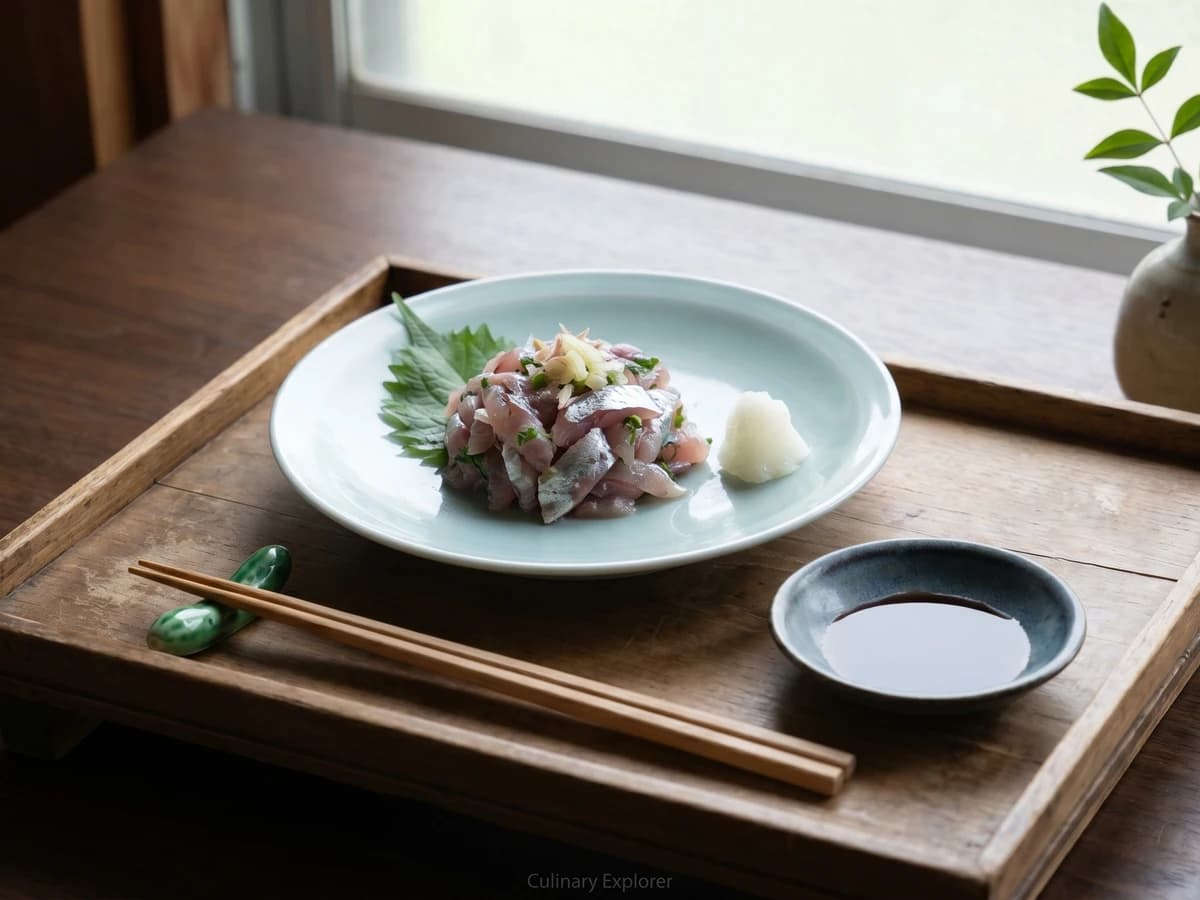
Summer horse mackerel, chopped just enough to catch ginger and scallion, becomes a cool, clean main dish with rice. The secret is fresh fish and a knife that does not bruise it.
Chef Takumi
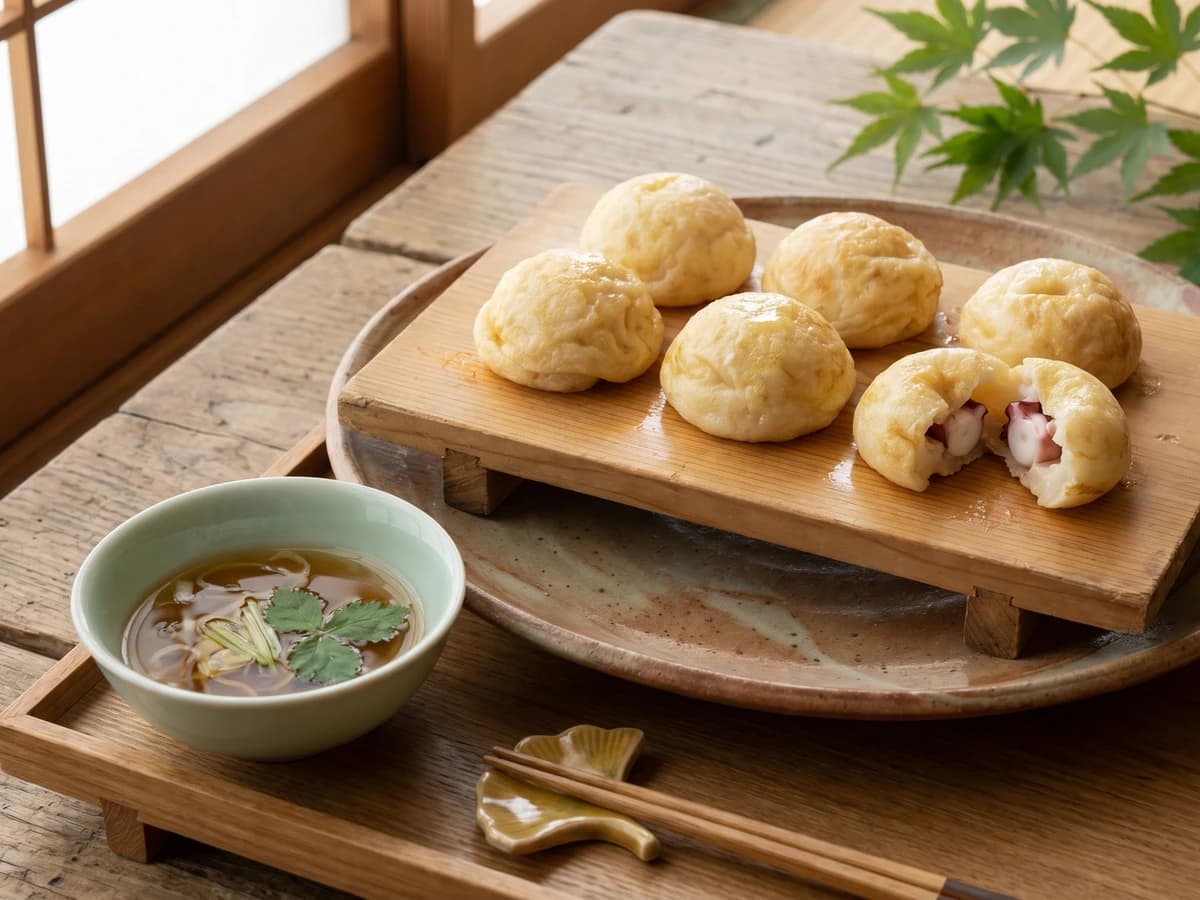
Akashi-yaki is not sauced takoyaki. It is egg-rich batter, tender octopus, and clear dashi, cooked pale and soft so each ball can be dipped like a small custard dumpling.

Chef Takumi
A whole anago looks like a test of nerve. It is mostly good sourcing, a dry skin, cold batter, and oil hot enough to leave the eel sweet under its lace.