
Chef Lupita
Mole Negro Oaxaqueño con Guajolote
Oaxaca's king mole, built over two days from chilhuacle negro, mulato, and burnt seeds, finished with chocolate and avocado leaf, ladled generously over slow-poached guajolote for the table.

Updated May 12, 2026
The seven moles anchor this collection, served over the proteins Oaxaca actually pairs them with: turkey for the king mole negro, chicken for coloradito and amarillo, beef for chichilo, pork for manchamanteles. Around the moles sit the comal mains (the parrillada of tasajo, cecina, and chorizo), the banana-leaf tamales, the Pacific coast and Isthmus seafood, the vegetarian guisados that feed Oaxacan homes daily, and the highland casseroles of the Sierra Norte.
A cooking platform built around craft, culture, and the stories behind what we eat.
Chef Lupita
Oaxaca's king mole, built over two days from chilhuacle negro, mulato, and burnt seeds, finished with chocolate and avocado leaf, ladled generously over slow-poached guajolote for the table.

Chef Lupita
Oaxaca's red mole over poached chicken, built on toasted ancho and guajillo, sesame, almonds, ripe plantain, and a square of chocolate de mesa. The everyday cousin of mole negro and the one most Oaxacan families actually cook on a Sunday.

Chef Lupita
Oaxaca's lighter, brothy weeknight mole, built on chilhuacle amarillo, charred tomatillos, and hoja santa, thickened with masa to a clean finish over poached chicken and chayote.

Chef Lupita
Oaxaca's eighth mole, the silky, almond-and-cinnamon almendrado, served over poached chicken. Mild, sweet, restrained, and a quiet rebuttal to anyone who thinks Mexican food has to be hot to be Mexican.

Chef Lupita
Oaxaca's defining tamal, wrapped flat in banana leaf and steamed until the leaf releases clean. Mole negro built on chilhuacle, shredded chicken, and a softer, silkier masa than anything from the capital.

Chef Lupita
Oaxaca's Pasillo de Humo on the table at home: salt-cured tasajo, adobo cecina enchilada, and chorizo over mesquite charcoal, with tlayudas, quesillo, asiento, and grilled cebollitas.

Chef Lupita
Oaxaca's funeral mole, the rarest of the seven, built on chilhuacle negro, deliberately burnt tortillas and seeds, and toasted avocado leaves. A bitter, smoky sauce that carries beef the way only Oaxaca knows how.

Chef Lupita
Oaxaca's Sunday barbacoa from the Tlacolula valley, goat rubbed in chilhuacle and guajillo, wrapped in maguey leaves, and slow-cooked for eight hours over a pot of garbanzos and rice that becomes the consome.

Chef Lupita
Oaxaca's bright red mole, built on toasted guajillo, ancho, costeño, and pasilla oaxaqueño with charred tomato and a whisper of Mexican chocolate, ladled over slow-simmered beef the way they make it in the Valles Centrales.

Chef Lupita
Oaxaca's adobo-rubbed thin pork seared hot and quick on the comal, served the way the Valles Centrales serves it: with black beans from the olla, fried plátano macho, avocado, queso fresco, and warm tortillas on the side.

Chef Lupita
Oaxaca's tablecloth-stainer mole, built on toasted ancho and guajillo, fried plantain, pineapple, and pears, simmered with pork until the fruit gives up its juice and the chile takes over.

Chef Lupita
Oaxaca's herbal green mole, built on toasted pepitas, hoja santa, and epazote, simmered with pork spine until the bones release their weight into the bright, vegetal broth.
Chef Lupita
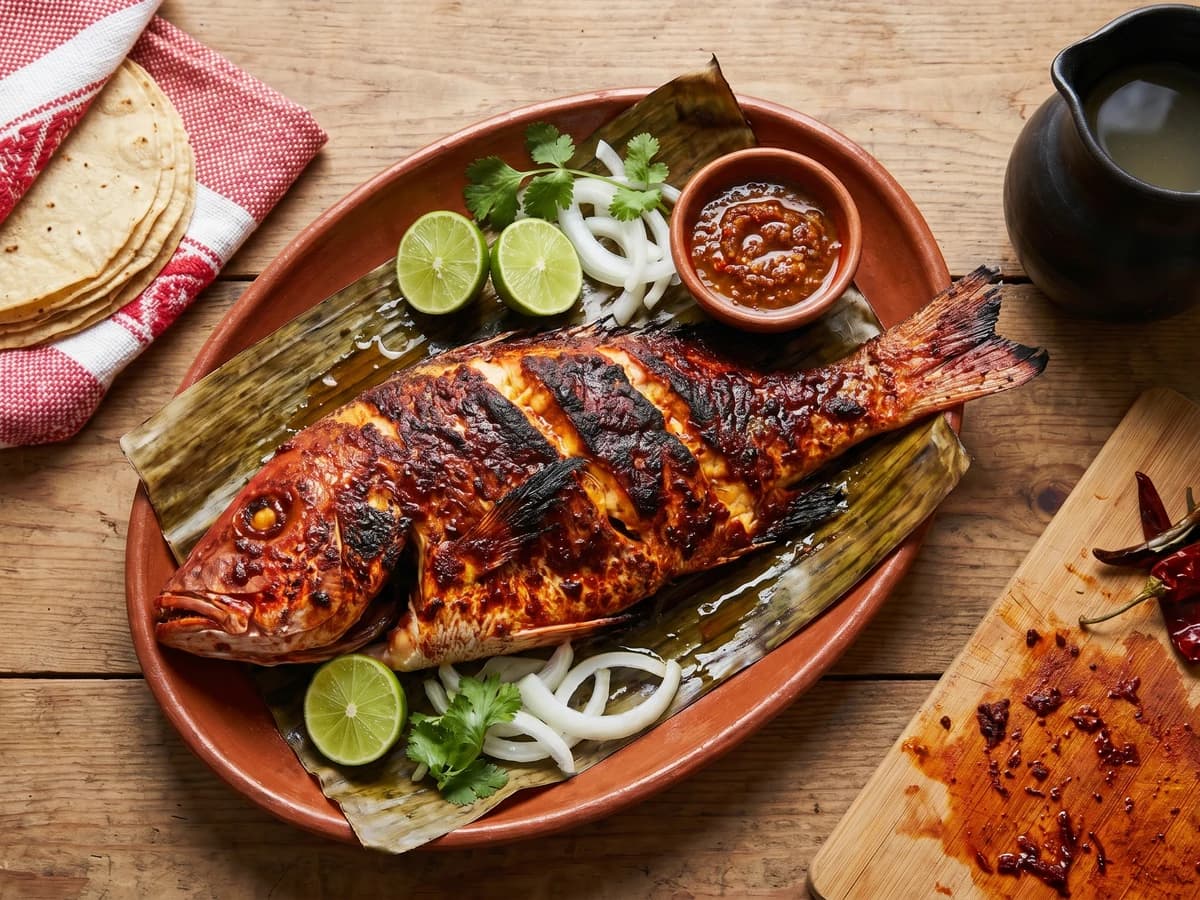
Oaxaca's Pacific coast signature: a whole snapper butterflied open, slathered in a smoky guajillo and costeño adobo, and grilled over wood until the chile paste blackens into a crust and the flesh pulls clean off the bone.

Chef Lupita
Oaxaca's Costa Chica tamal of tichinda mussels steamed whole in their shells inside a costeno masa, a coastal dish from the lagoons of Pinotepa Nacional that survives because the women who make it refuse to let it disappear.

Chef Lupita
Oaxaca's Pacific coast cooks shrimp in a thick paste of toasted guajillo, a whole head of charred garlic, and a quiet hit of cumin. Served straight from the cazuela with white rice and warm tortillas.

Chef Lupita
Oaxaca's Pacific coast octopus, scared three times and simmered tender, then dressed warm with tomato, white onion, chile serrano, and Mexican lime. The salsa and the octopus fall in love at the table.

Chef Lupita
Oaxaca's Isthmus shredded fish hash, dorado or robalo cooked down with tomato, olives, capers, and raisins. A Zapotec home dish that carries five hundred years of trade routes in a single cazuela.
Chef Lupita
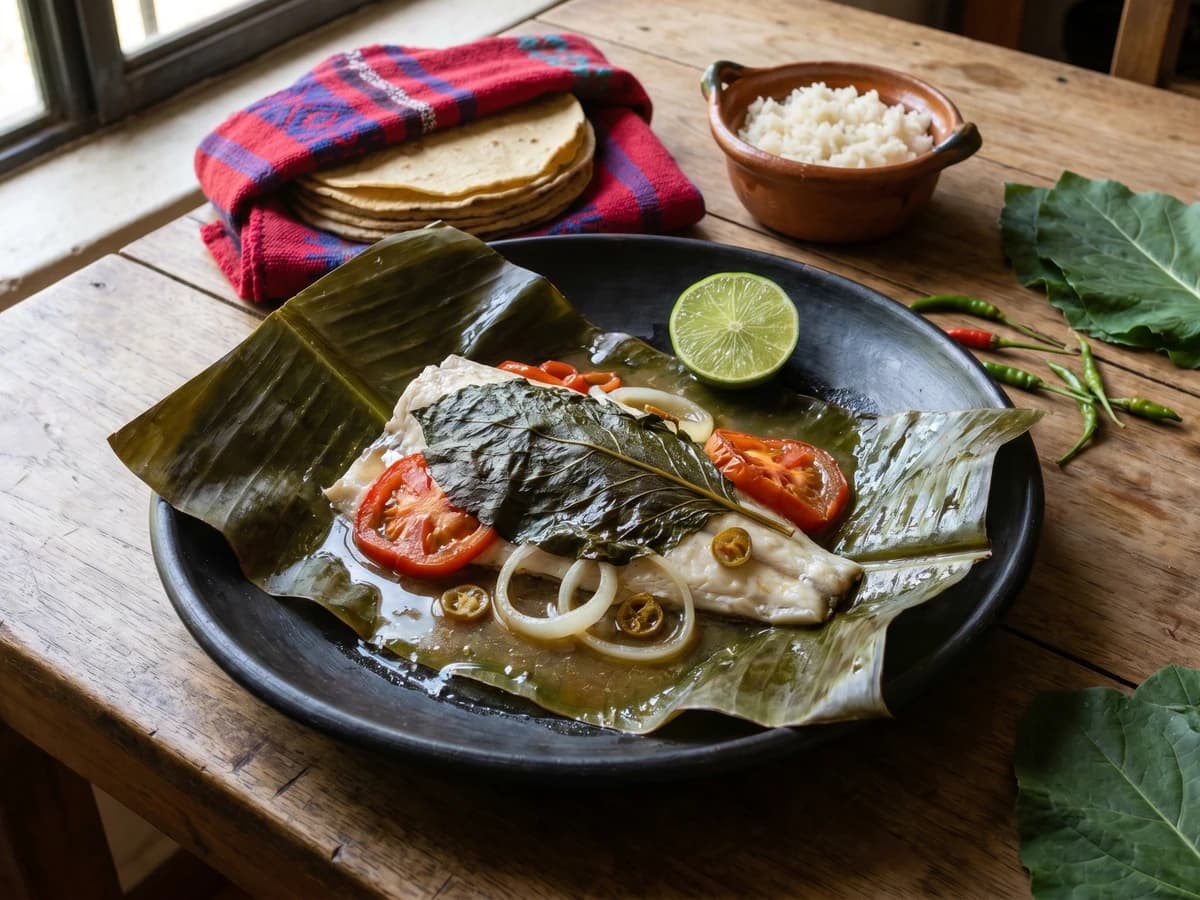
The Isthmus of Tehuantepec on a plate: snook wrapped between two hoja santa leaves and a banana leaf, then steamed until the package smells of anise and root beer. Zapotec cooking, direct and unornamented.

Chef Lupita
Oaxaca's masa dumplings, each one thumb-pressed for the ombligo, simmered in a brick-orange mole amarillo built on chilhuacle amarillo, chile guajillo, and hierba santa.

Chef Lupita
Oaxaca's mole verde of tomatillo, hoja santa, epazote, and toasted pepitas, ladled over seared wild mushrooms. The meatless weeknight pot home cooks across the Sierra Norte rely on.

Chef Lupita
Oaxaca's everyday squash stew, calabacita and sweet corn cooked down with tomato and epazote, finished with quesillo melted into the pot in long stringy ribbons. The weeknight dinner of the Valles Centrales.

Chef Lupita
Oaxaca's heart-shaped hoja santa folded around stretched quesillo and a smoky strip of chile pasilla oaxaqueno, then warmed on the comal until the cheese melts and the leaf perfumes the whole kitchen.

Chef Lupita
Oaxaca's everyday rice, fried in lard and steamed with chepil, the wild legume herb that grows in the Sierra and shows up in the markets only when the rains come.

Chef Lupita
A Oaxacan cazuela layered with mole negro, shredded chicken, pasilla oaxaqueño rajas, and pulled quesillo, baked until the top melts into a deep golden crust and the mole soaks every tortilla through.

Chef Lupita
The Sierra Norte's Sunday casserole from the Zapotec villages above Oaxaca City. Pan de yema layered with smoky tomato caldillo, ripe plantain, raisins, almonds, and hard-boiled egg, baked in clay until the top turns crisp.
Culinary guides, cultural storytelling, and the editorial depth that makes cooking meaningful.
Discover Culinary ExplorerChef Lupita is a fictional culinary guide to Regional Mexican Cuisine, written with the assistance of AI.