Chef Lupita
Ojos Acambarenses
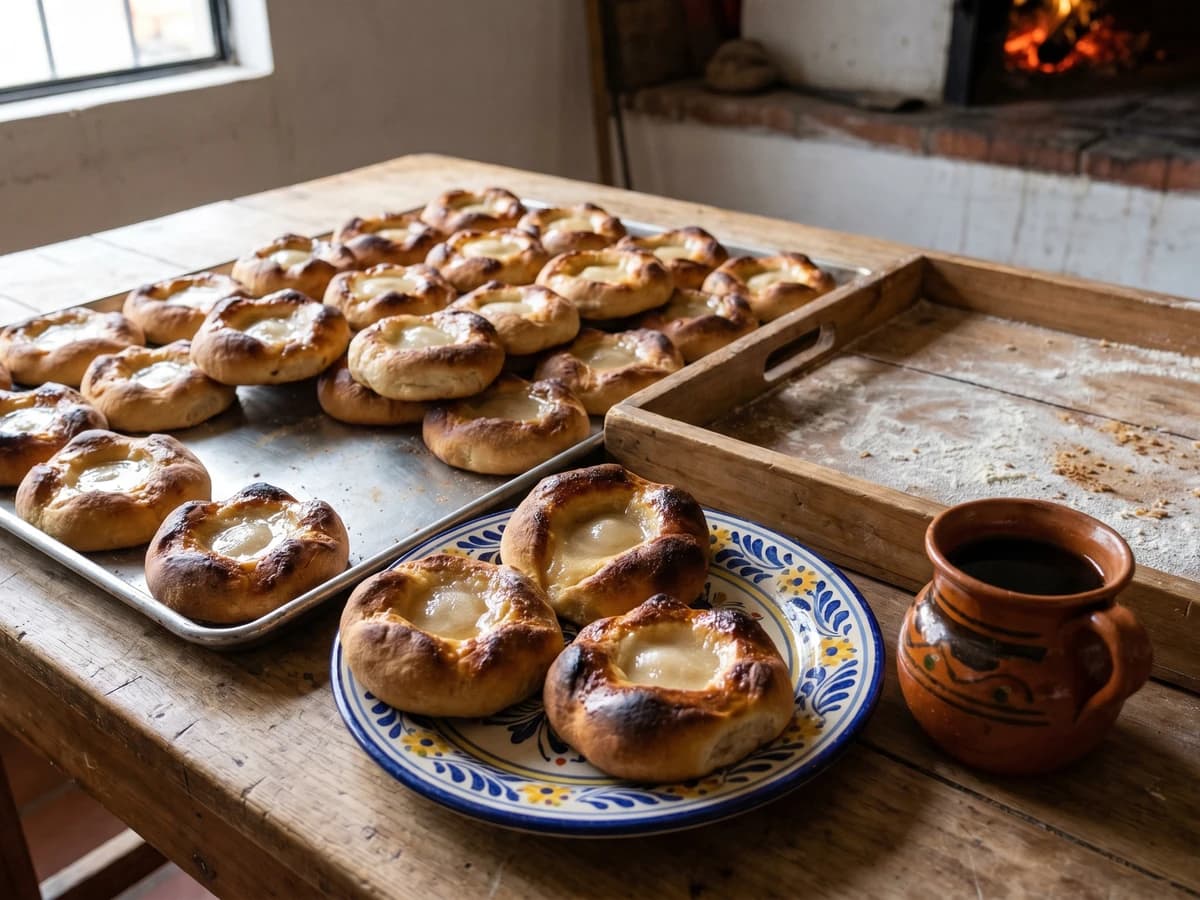
Guanajuato's Acambaro merienda bread, round and lard-rich, raised with pata, pressed at the center, and glazed with sugar until each piece looks ready for cafe de olla.

Updated June 1, 2026
The bread tradition of the Granero de la República, anchored by the pan grande de Acámbaro (national Indicación Geográfica Protegida, "pata" masa madre, 500-year vault-oven tradition), the 14 Acámbaro varieties (pan grande, condes, picones, acambaritas, pan tallado, ojos, polkas, marquetas, tornitos, pan de nopal), the Hidrocálido register (bizcochos, chamucos de Calvillo, condoches, pan de feria San Marcos), the Sierra Gorda queretana mestiza of Jalpan, the secular semita potosina, the pambazo queretano (guajolote), and the bolillo and telera that anchor every torta from León to San Luis Potosí. Secular register, hacienda and mercado: the conventual breads live in the Criollo-Conventual plan.
A cooking platform built around craft, culture, and the stories behind what we eat.
Chef Lupita
Guanajuato's Acambaro merienda bread, round and lard-rich, raised with pata, pressed at the center, and glazed with sugar until each piece looks ready for cafe de olla.

Chef Lupita
Guanajuato's daily bread from Acámbaro, a small glazed roll built on pata, enriched with manteca de cerdo, and baked until the top shines lightly for merienda.

Chef Lupita
Guanajuato's Bajio bolillo is a lean wheat roll with a crisp shell, tight white crumb, and enough strength to hold carnitas, cueritos, or a guajillo-dipped pambazo.

Chef Lupita
Guanajuato's secular Bajío cocoles are diamond breads of piloncillo, anís, manteca de cerdo, and ajonjolí, built with living pata and baked dark enough for the cane sugar to bite back.
Chef Lupita
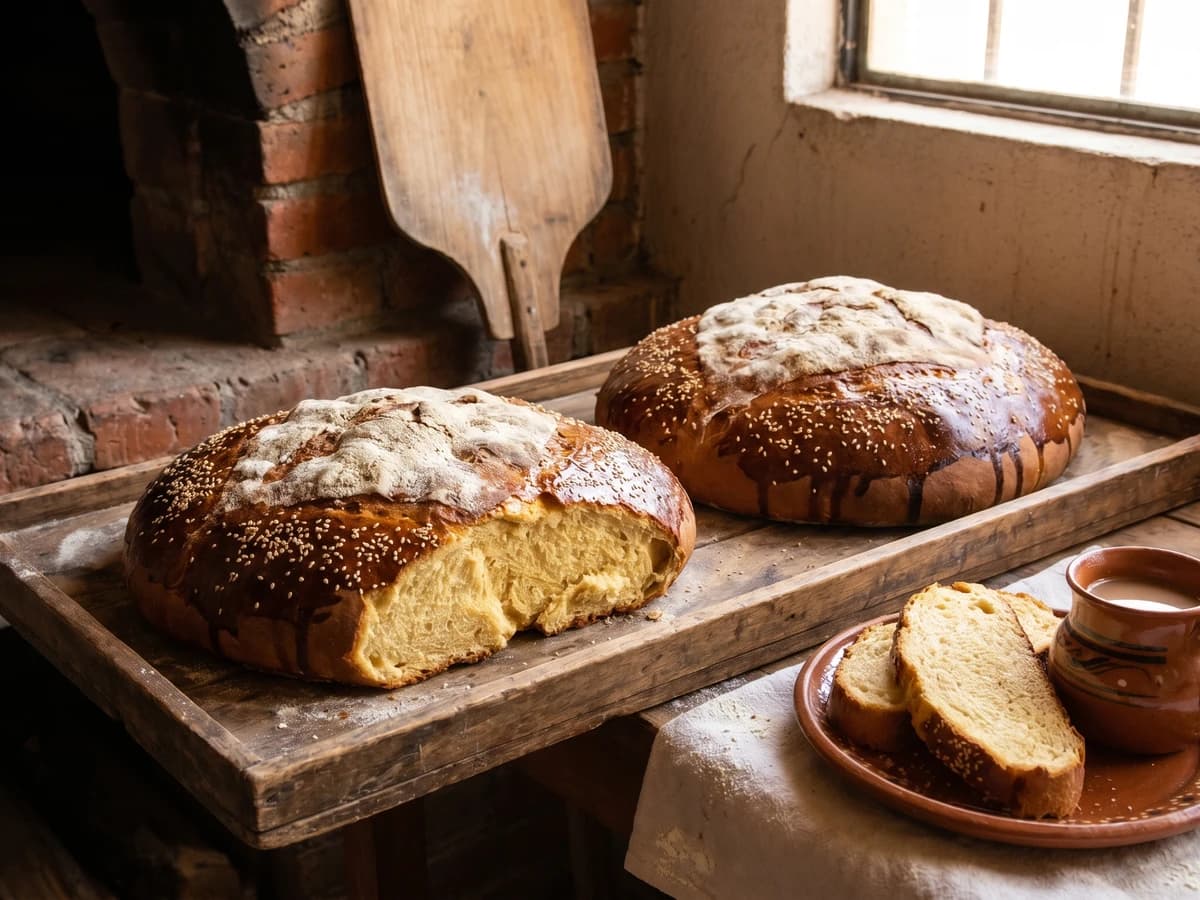
Guanajuato's Acambaro loaf is built on masa madre pata, piloncillo, wheat flour, manteca de cerdo, and the memory of wood-fired vault ovens that made the town famous.
Chef Lupita
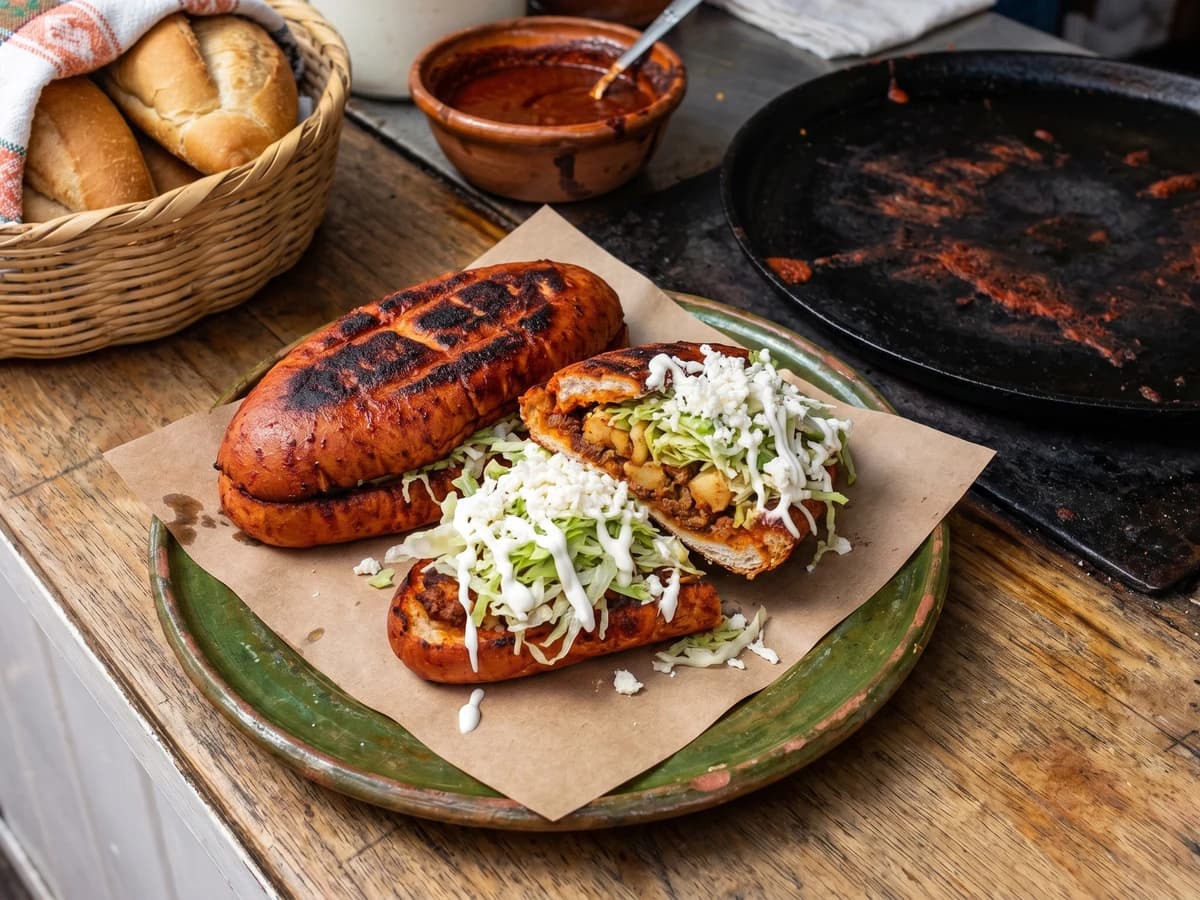
Queretaro's guajolote is a split bolillo stained red with chile guajillo adobo, fried in manteca, and filled with papa con chorizo, lettuce, crema, and queso fresco.
Chef Lupita
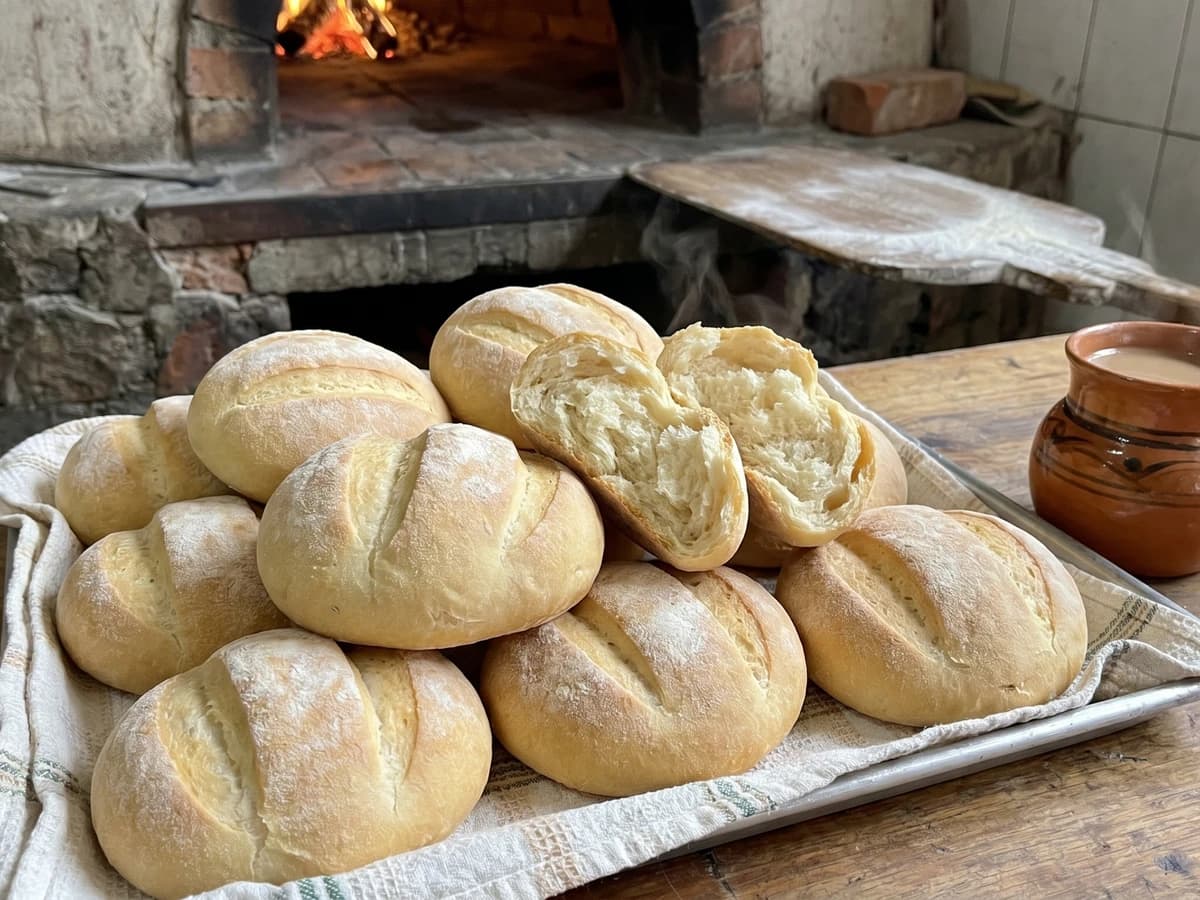
Guanajuato's Bajío telera is a soft, oval pan blanco with three grooves, built with wheat, pata de masa, and manteca de cerdo for the lonche carnitero.
Chef Lupita
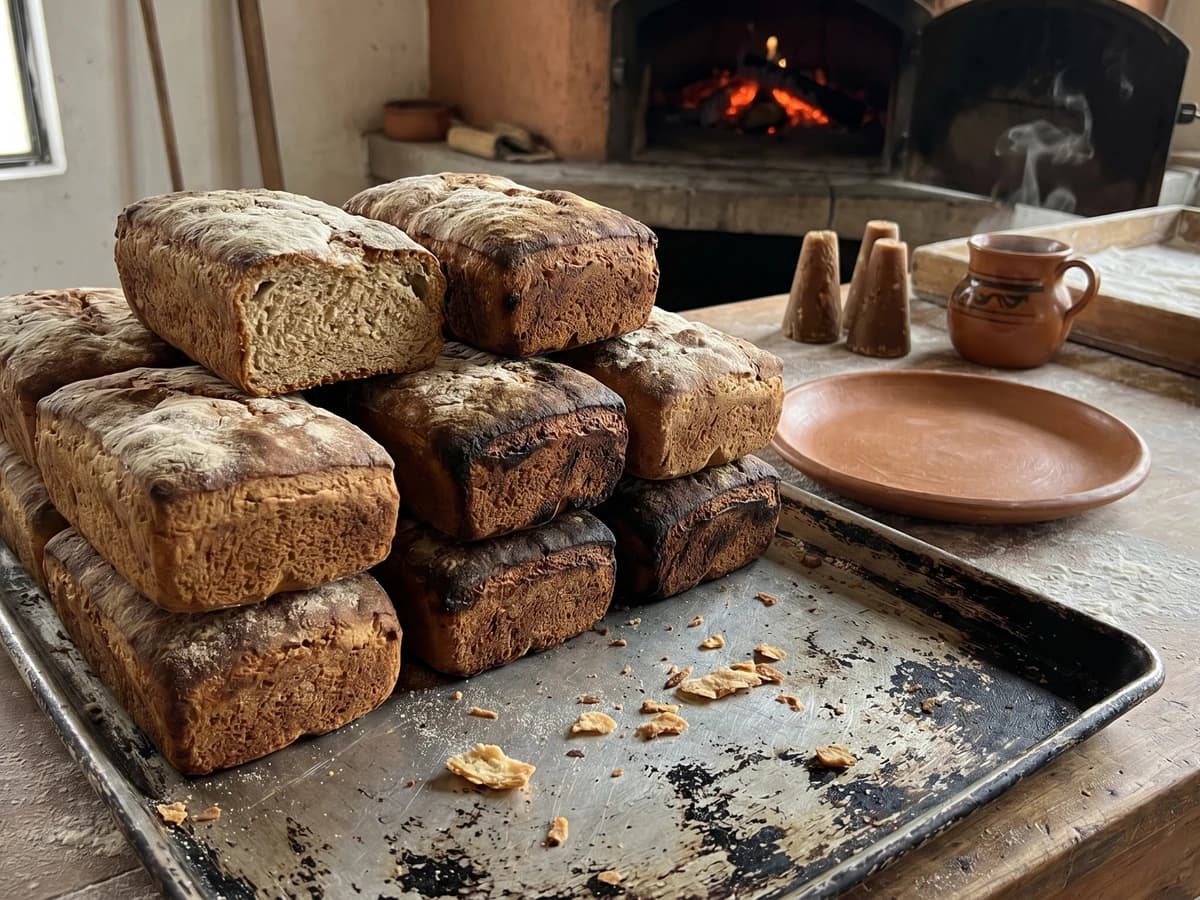
Guanajuato's Acámbaro marqueta is a square, low-moisture bread made with pata, piloncillo, and manteca de cerdo, built to keep its crumb through travel, merienda, and coffee.
Chef Lupita
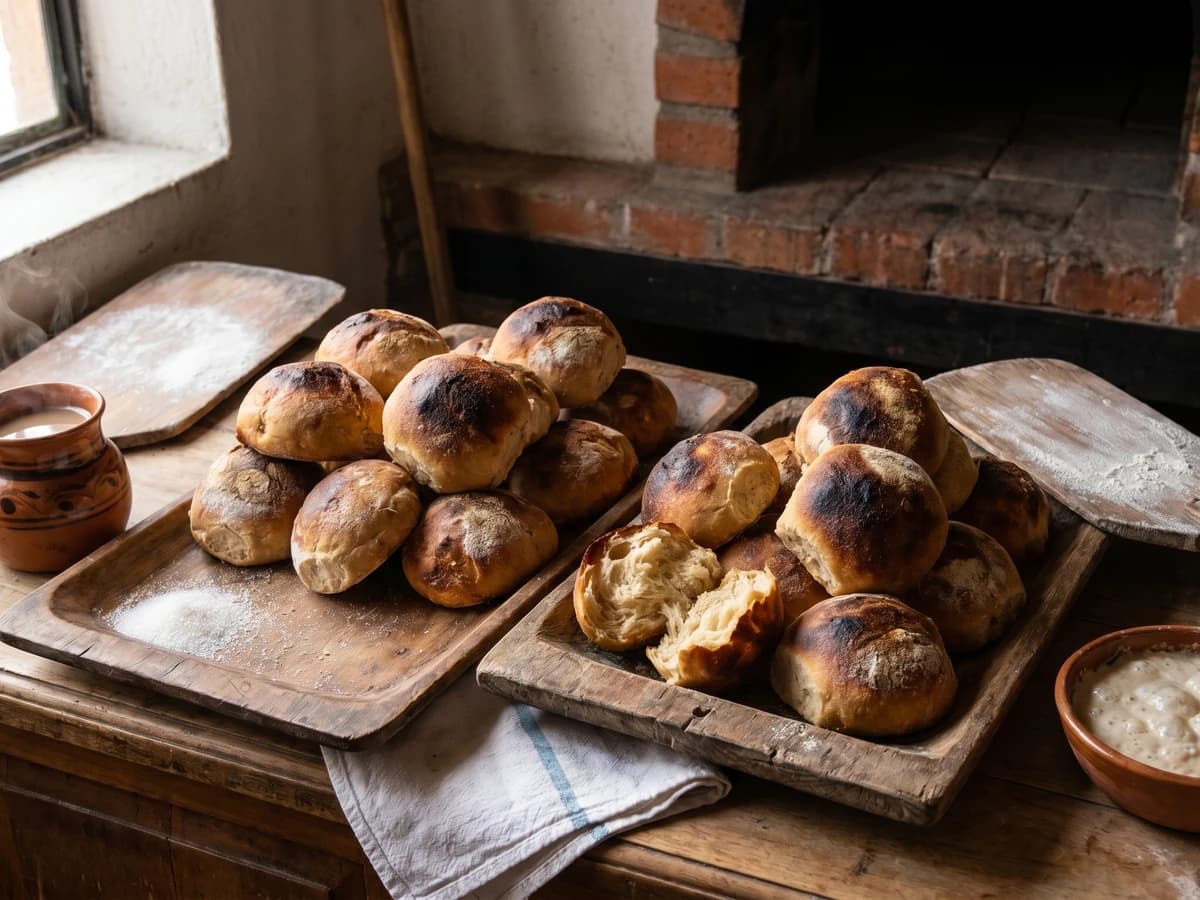
Guanajuato's Acámbaro condes are small enriched rolls made with pata masa madre, manteca de cerdo, egg, and patient fermentation, the weekday bread of a serious Bajio panadería.
Chef Lupita
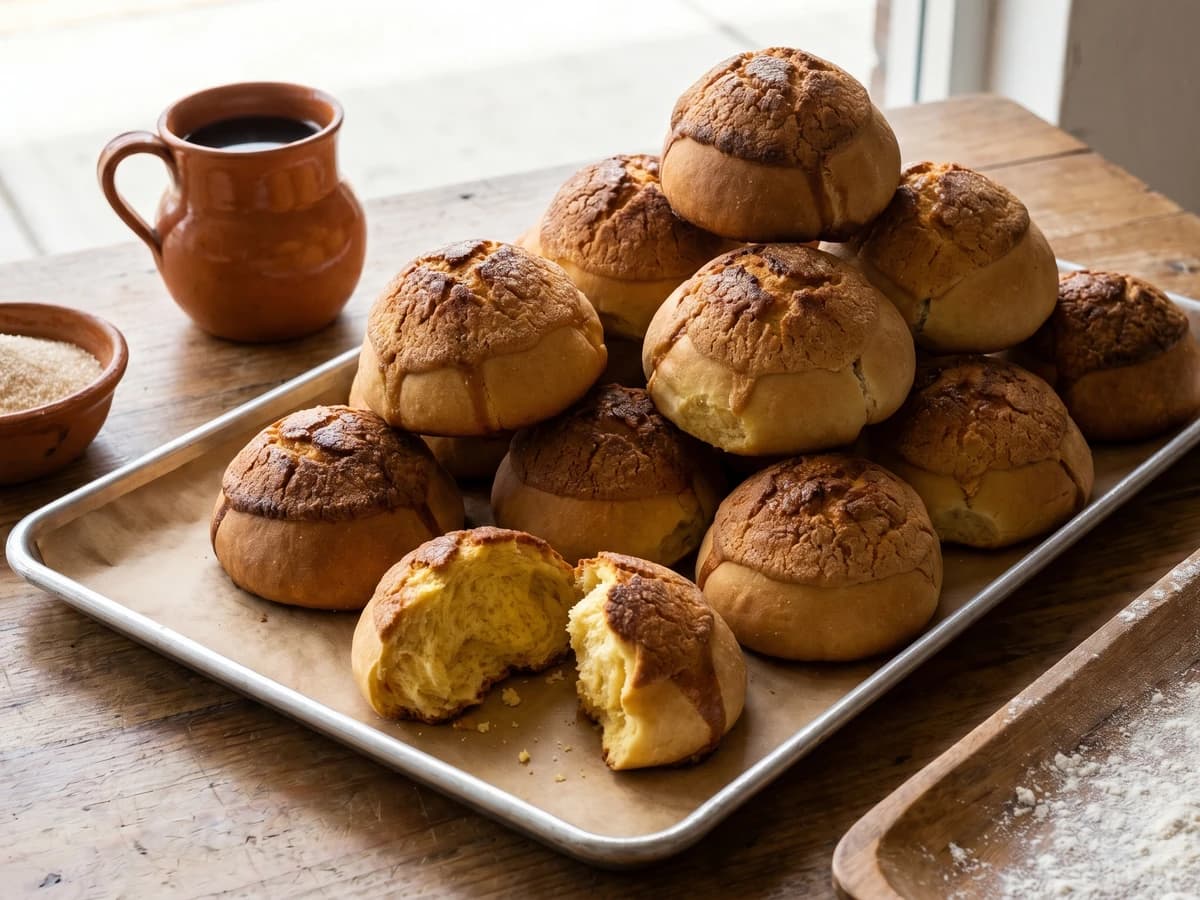
Guanajuato and Querétaro's secular picón is a conical pan dulce with a tender egg dough, a light perfume of anís, and a rough sugar crown baked dark at the edges.
Chef Lupita
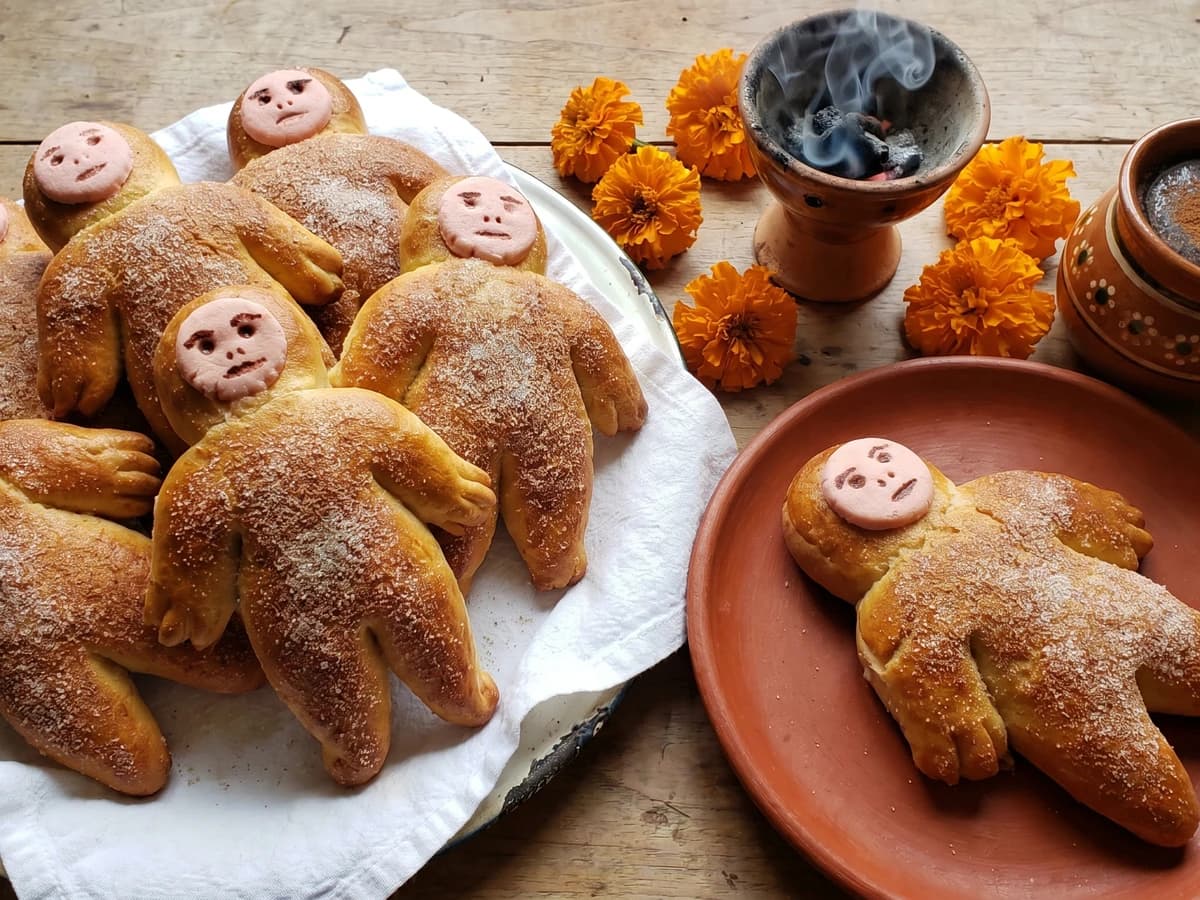
San Luis Potosí's Altiplano monito, an enriched lard-rich pan de muerto shaped like a small person, scented with anise and orange, then finished with a sugar face for the ofrenda.
Chef Lupita
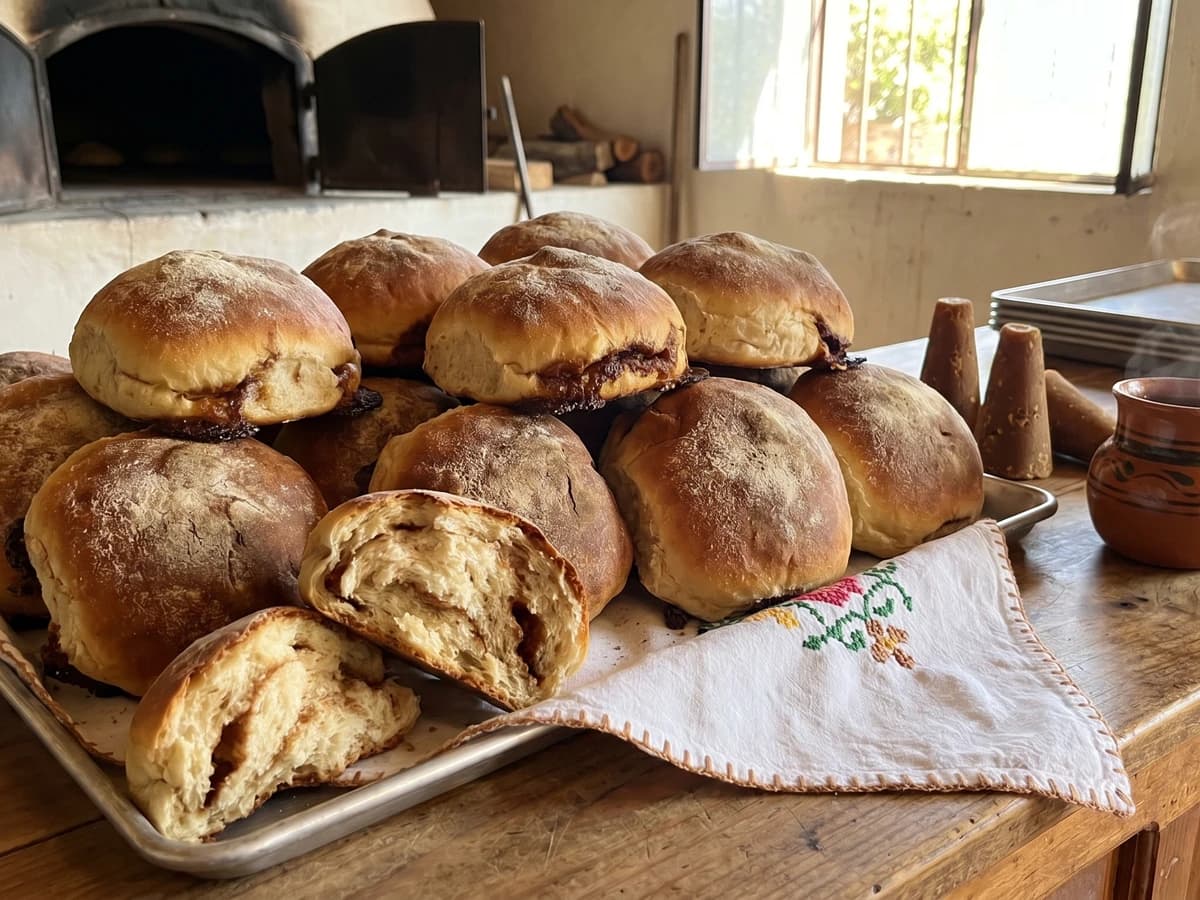
Queretaro's Sierra Gorda mestiza is a layered pan de pueblo from Jalpan de Serra, built with wheat dough, manteca de cerdo, piloncillo, and the dark edges of a wood-fired oven.
Chef Lupita
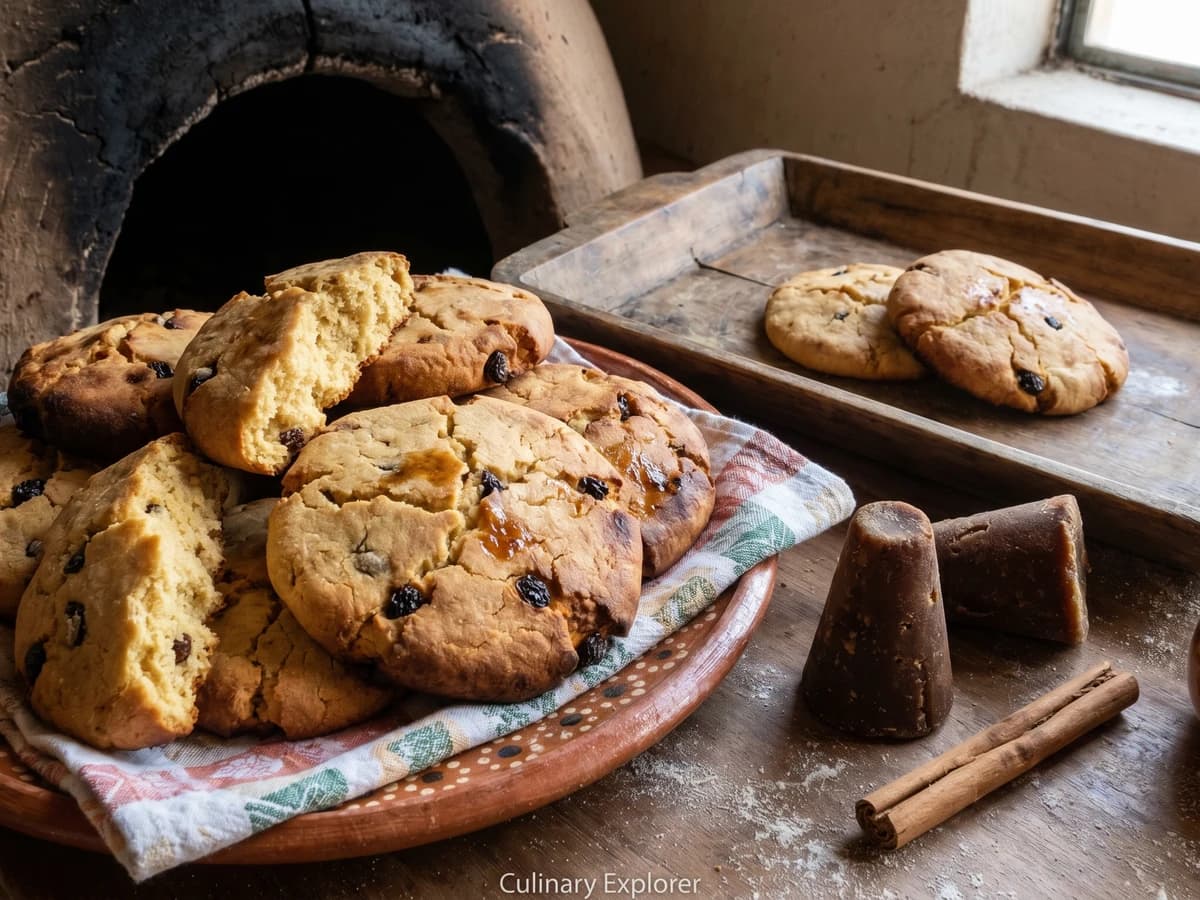
Aguascalientes' thick corn breads, built from fresh nixtamal masa, manteca de cerdo, piloncillo, canela, and raisins, baked in a horno de barro until the edges darken and the center stays tender.
Chef Lupita
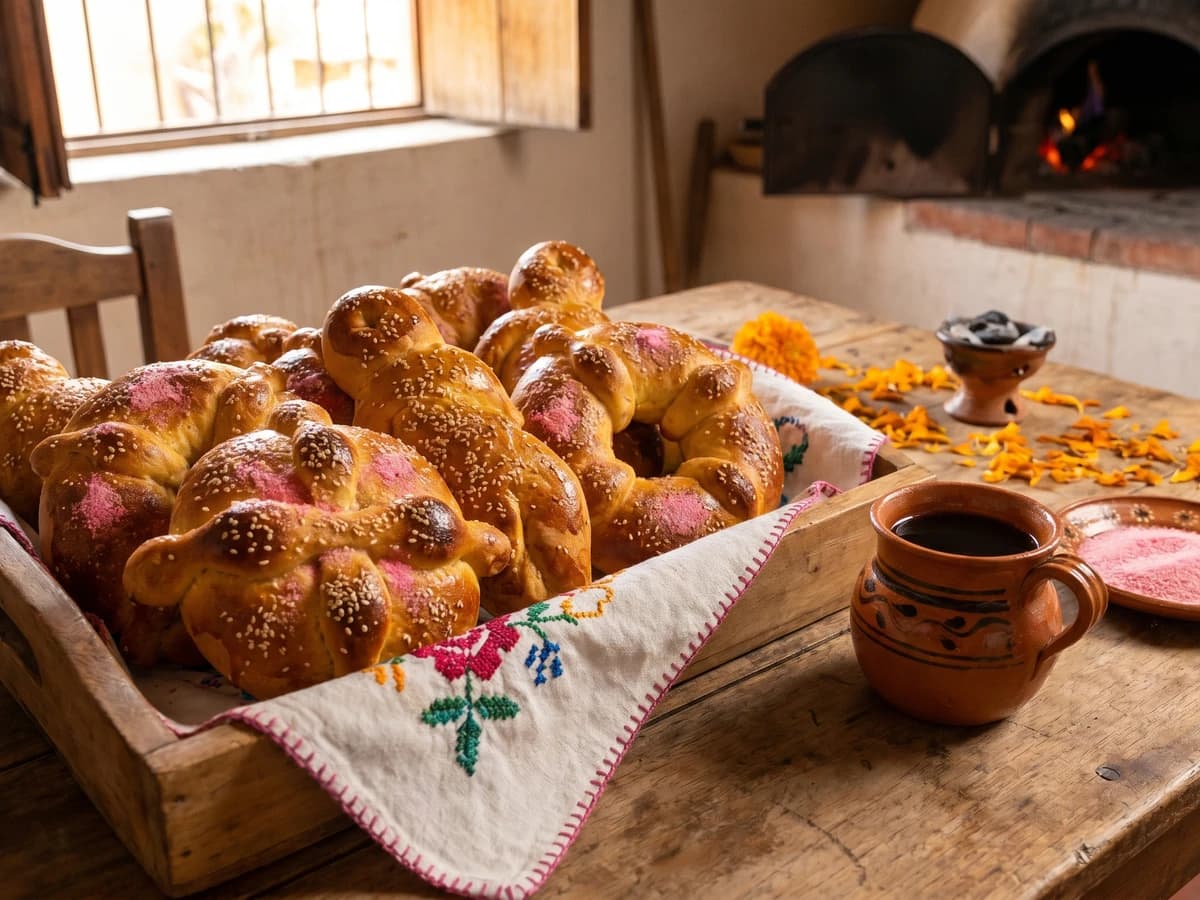
Guanajuato's altar bread from the Bajío, shaped into ánimas and rings, enriched with butter and manteca de cerdo, then marked with sesame and pink sugar for late October offerings.
Chef Lupita
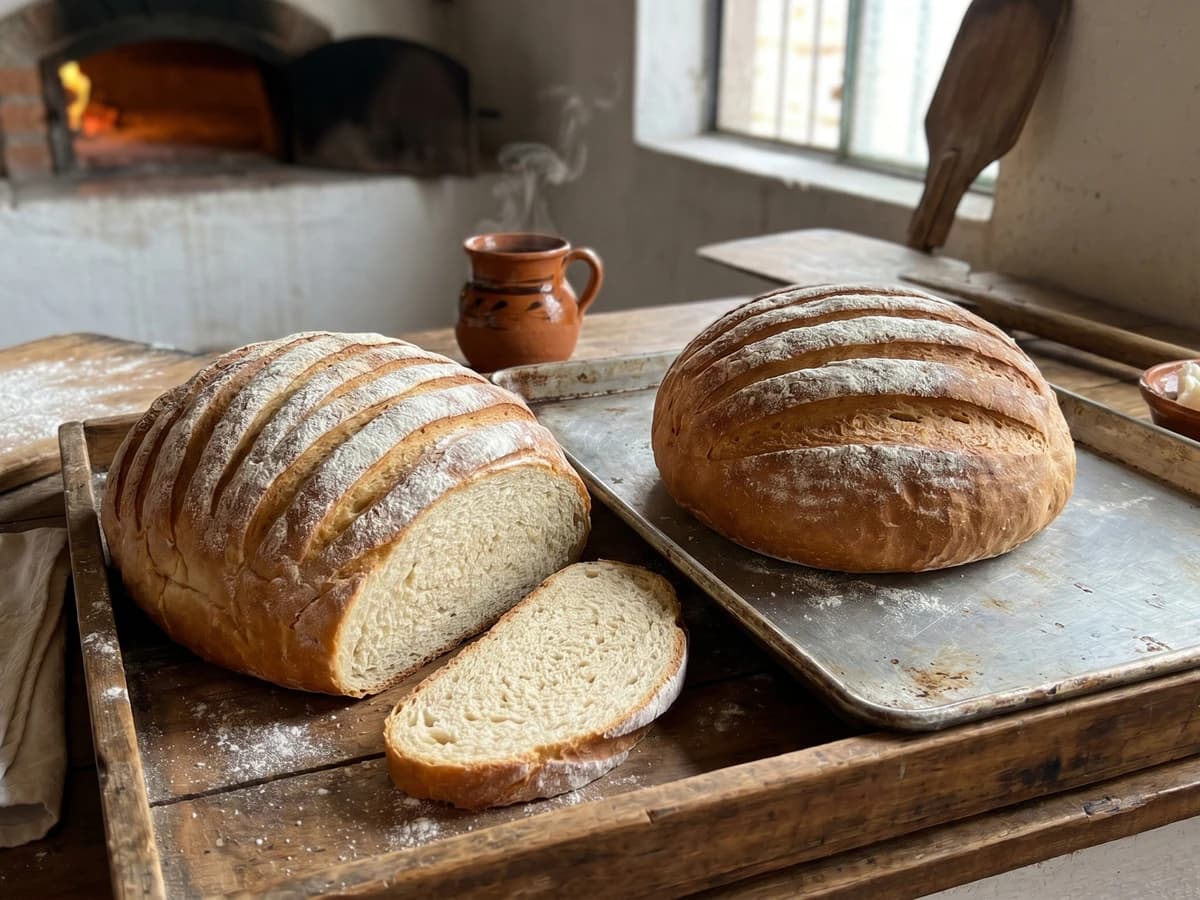
Guanajuato's Acámbaro pan tallado is a two-day enriched loaf made with pata starter, pork lard, sugar, and deep scoring that opens into the town's carved crown.
Chef Lupita
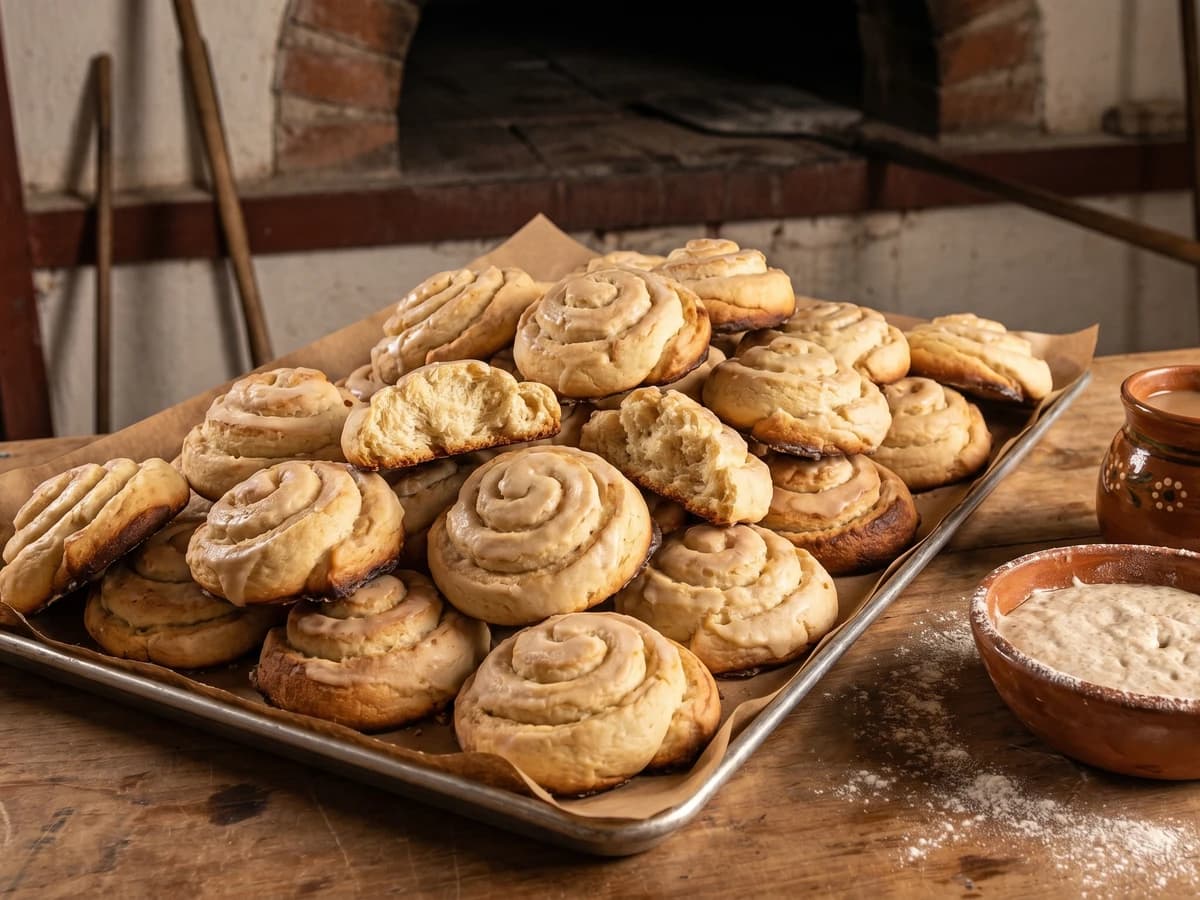
Guanajuato's Acámbaro tornitos are small spiraled merienda breads, rich with manteca de cerdo, fermented with pata from the pan grande tradition, and finished with a thin sugar glaze.
Chef Lupita
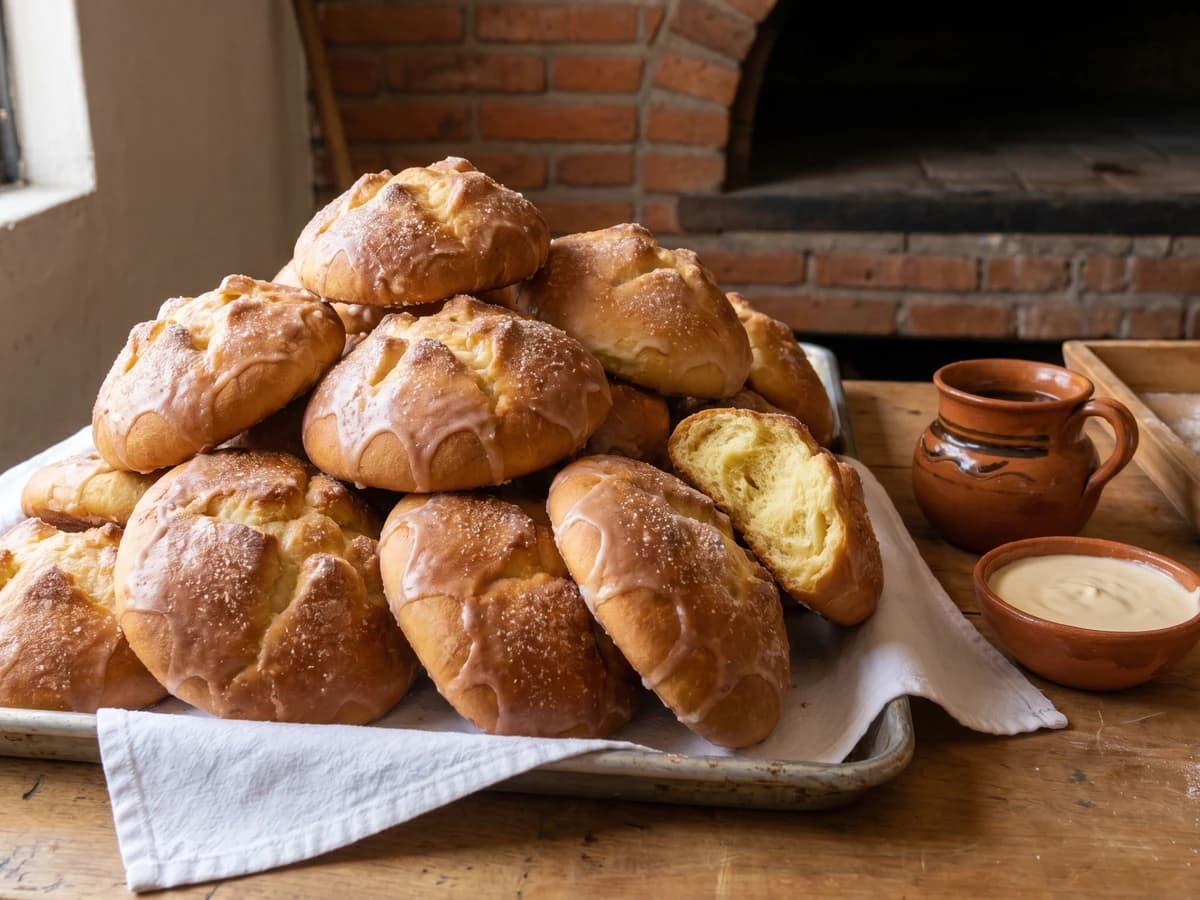
Aguascalientes' April fair bread, built from an esponja, buttered dough, Mexican canela, and a thin sugar glaze, the pan dulce that sits proudly beside the Hidrocalido bolillo con crema.

Chef Lupita
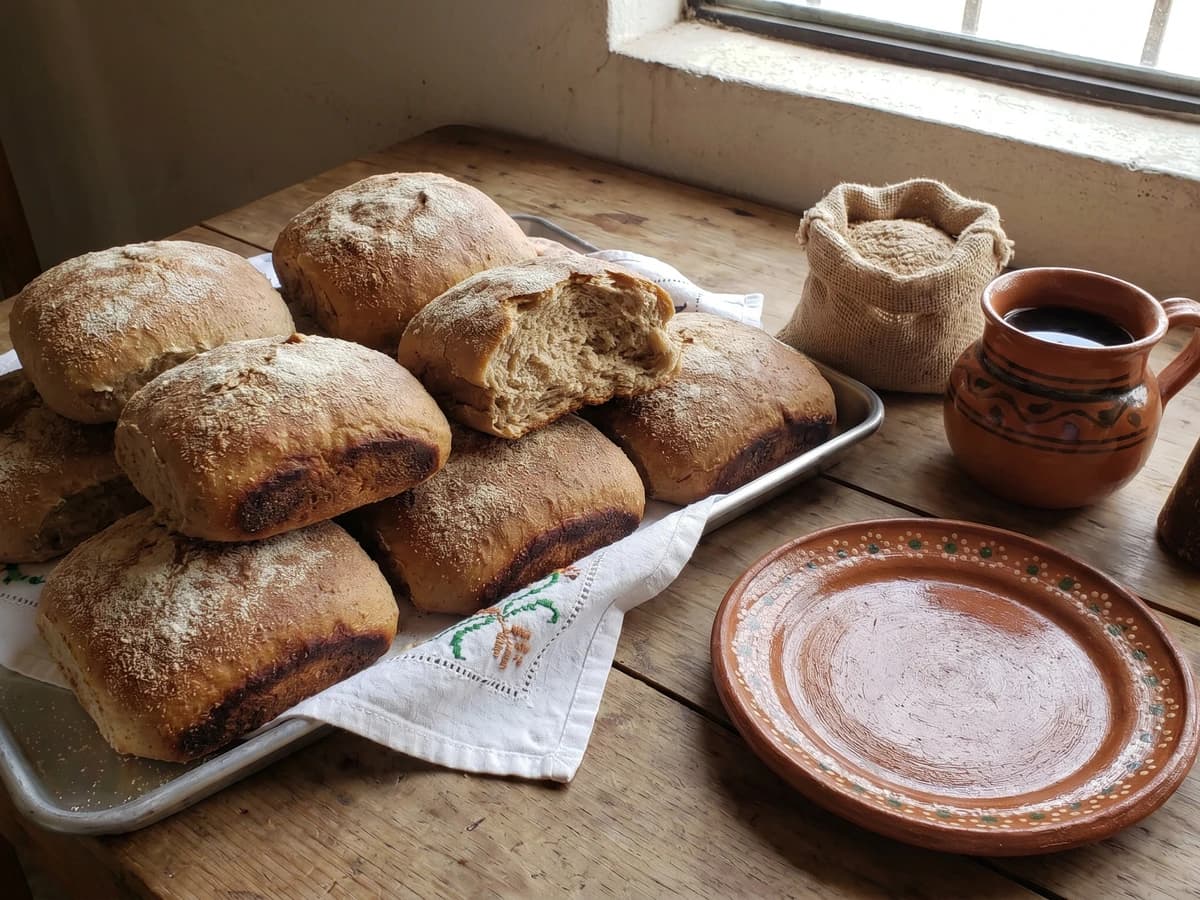
Aguascalientes' Calvillo chamuco twists pale enriched dough with a piloncillo-canela dough, then coils it by hand until the tips bake dark like a proper panadería counter demands.
Chef Lupita
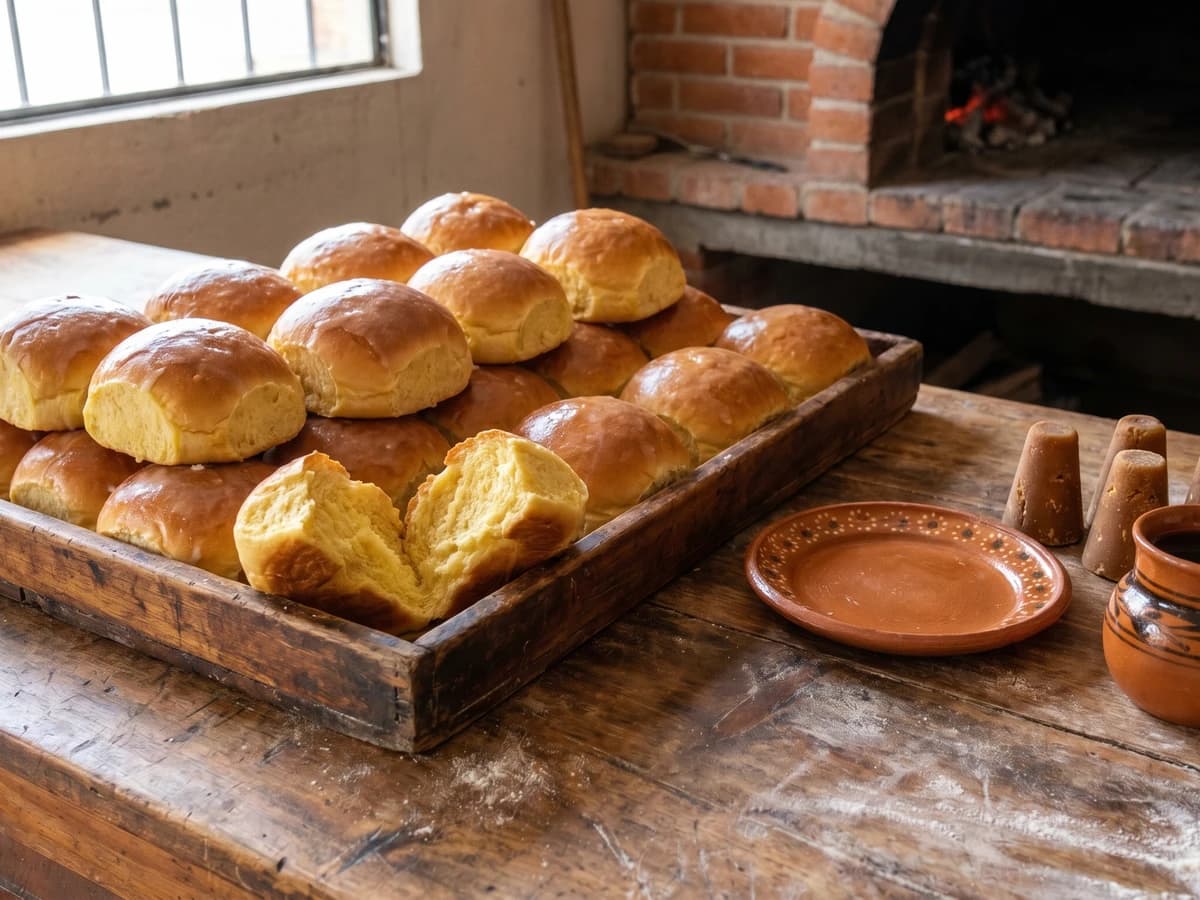
San Luis Potosí's secular semita is a firm bran roll from rancho panadería, made with wheat bran, piloncillo, and manteca de cerdo, never confused with Puebla's cemita.
Chef Lupita
Guanajuato's Bajio pan de huevo is an egg-rich daily bread with a tender yellow crumb, a thin sugar glaze, and the quiet discipline of panaderias that learned from milk, wheat, and wood fire.
Chef Lupita
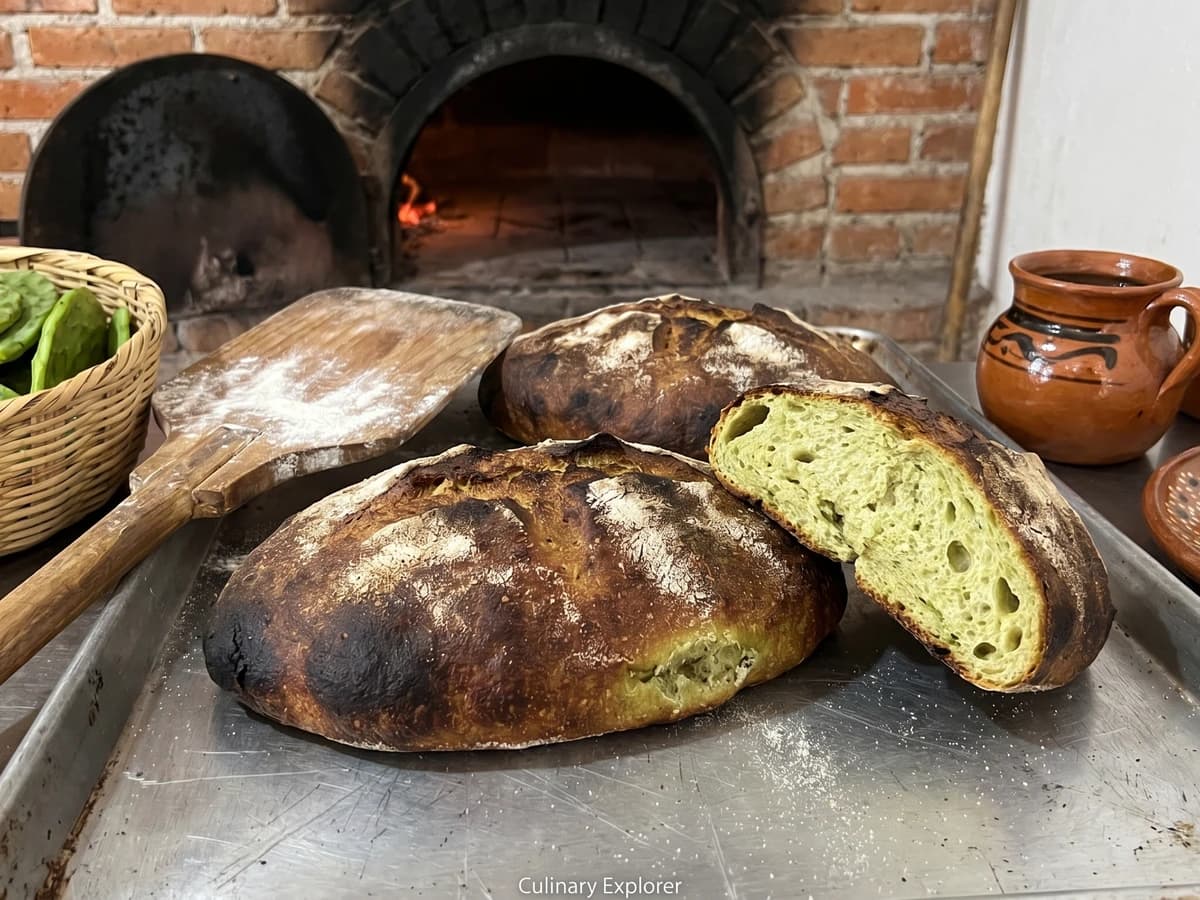
Guanajuato's Acámbaro bread guild takes wheat, masa madre, manteca de cerdo, and fresh nopal puree and turns them into a green-crumbed loaf that belongs to the southeast Bajío.
Chef Lupita
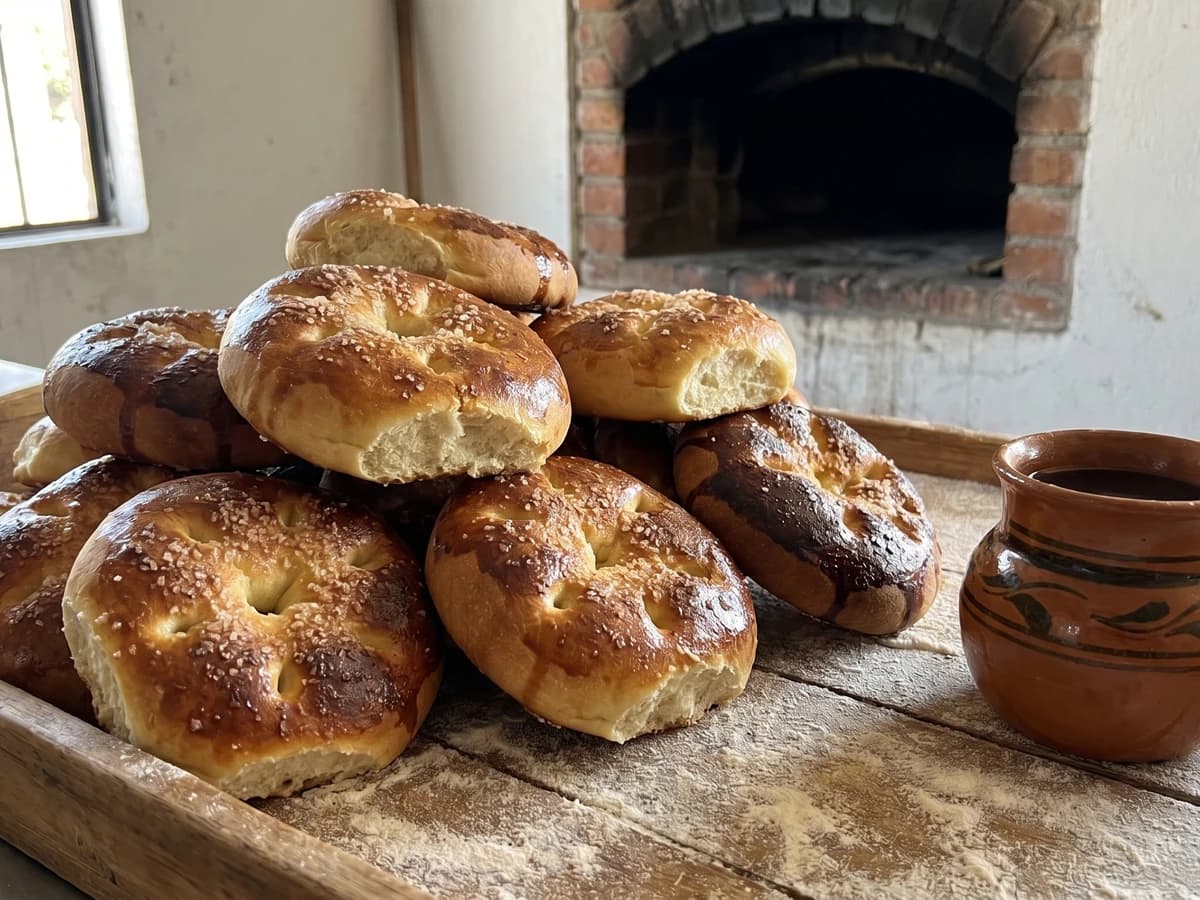
Acambaro's small sugar-topped polkas, built from pata de panaderia, manteca de cerdo, and the patient hand of the Bajio oven.

Chef Lupita
Aguascalientes' dry panaderia bizcochos, shaped by hand and baked until pale gold at the center with darker wood-oven edges, made for cafe de olla and the daily Hidrocalido table.
Culinary guides, cultural storytelling, and the editorial depth that makes cooking meaningful.
Discover Culinary ExplorerChef Lupita is a fictional culinary guide to Regional Mexican Cuisine, written with the assistance of AI.