Chef Lupita
Xoconostle Molido para Carnes Asadas
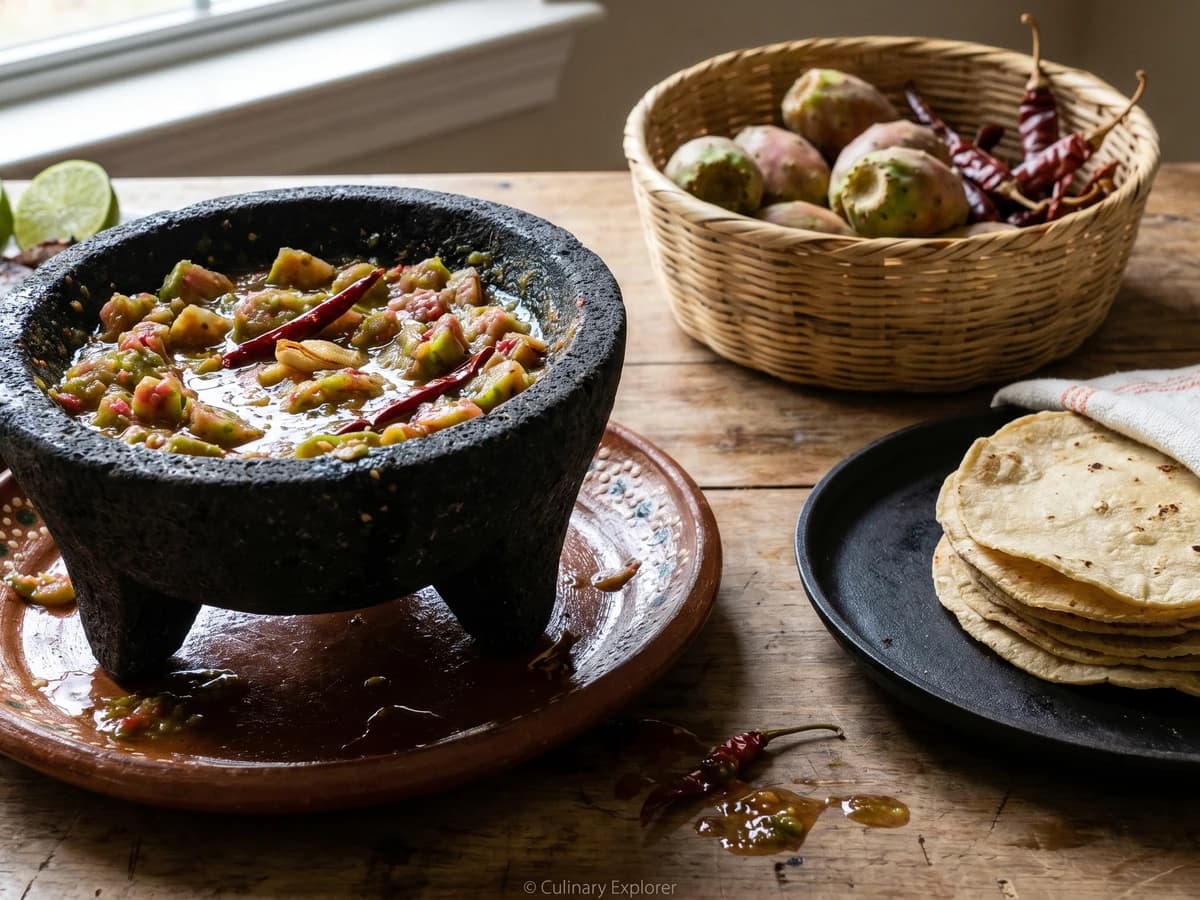
Querétaro's Sierra Gorda turns sour xoconostle into a coarse molcajete salsa with chile de árbol, roasted garlic, and sal de grano, built to cut through arrachera, cabrito asado, and charred nopales.

Updated June 1, 2026
Chef Lupita's curated archive of the sauces, adobos, marinades, and preserves that hold the Bajío kitchen together. From the canonical guajillo-en-manteca that defines enchiladas mineras to the Otomí chilcuague root of the Sierra Gorda, the Aguascalientes feria escabeche, and the hacienda pulque marinades of Querétaro, this collection routes Guanajuato, Querétaro, San Luis Potosí, and Aguascalientes through the salsas, rubs, and pickles their senoras have made for generations.
A cooking platform built around craft, culture, and the stories behind what we eat.

Chef Lupita
Querétaro's Sierra Gorda turns sour xoconostle into a coarse molcajete salsa with chile de árbol, roasted garlic, and sal de grano, built to cut through arrachera, cabrito asado, and charred nopales.

Chef Lupita
Aguascalientes' San Marcos escabeche is a sharp jar of whole jalapeños, carrot, onion, garlic, laurel, and thyme, built to crown pollo San Marcos, tortas, and any table that respects vinegar.

Chef Lupita
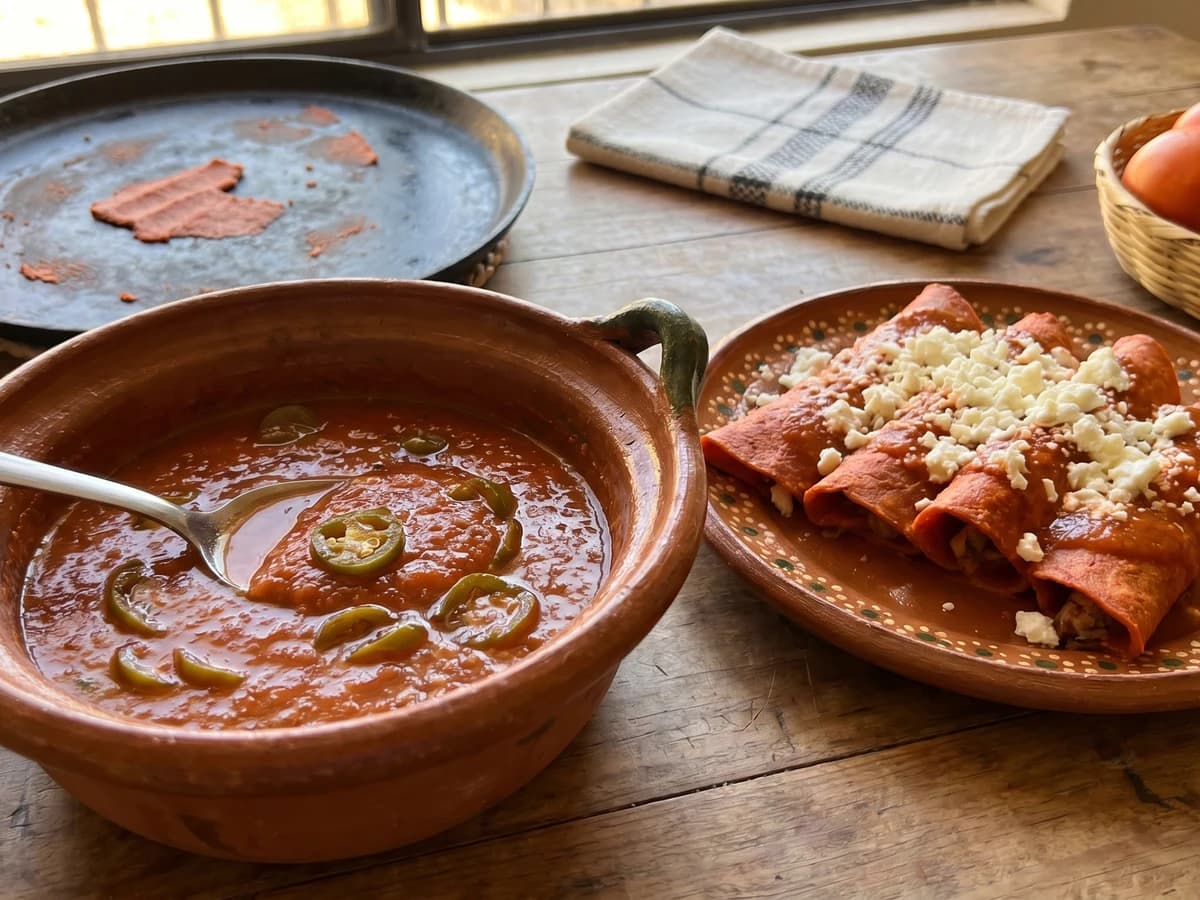
San Luis Potosí's weeknight salsa of ripe jitomate guaje and fresh jalapeño, cooked down in manteca until glossy enough to crown the red masa of enchiladas potosinas.

Chef Lupita
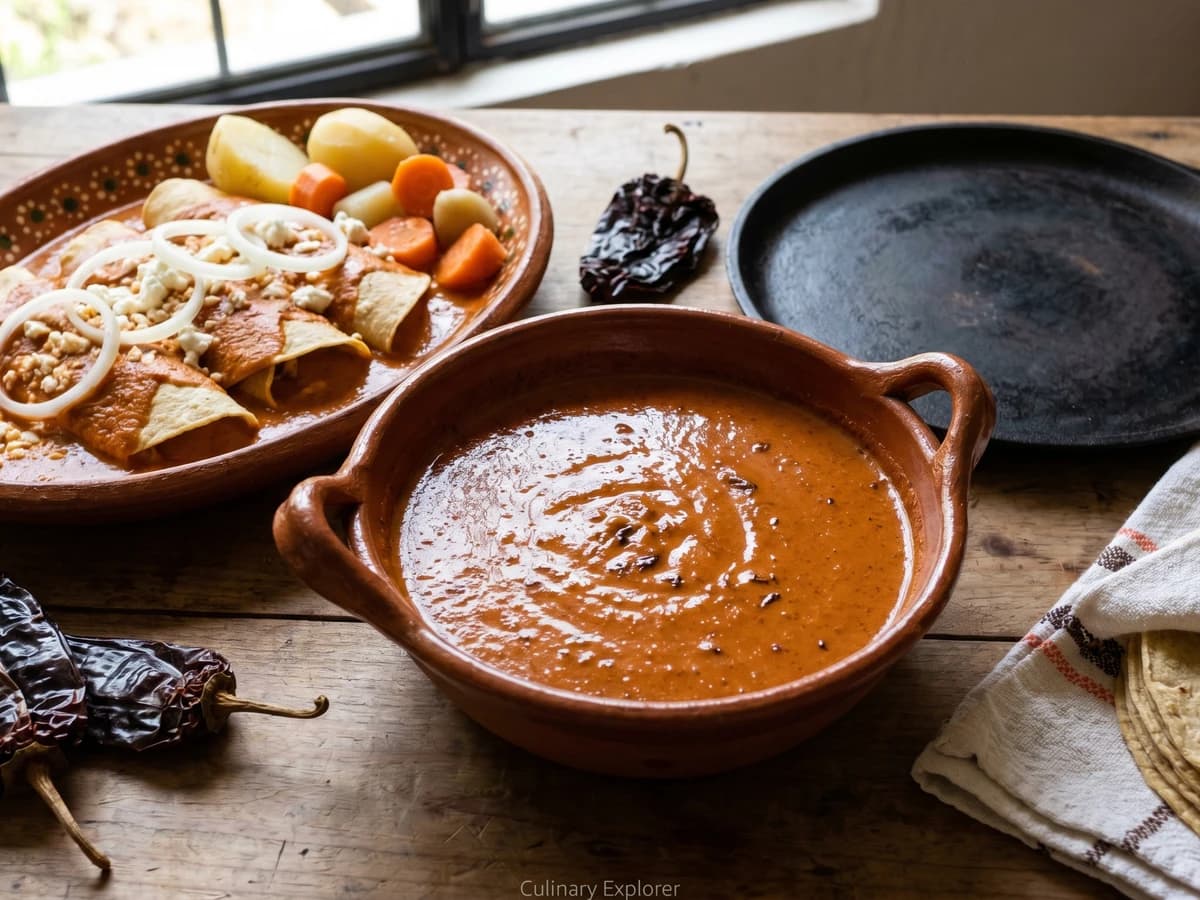
Guanajuato's guajillo salsa for enchiladas mineras, thin enough to coat a tortilla and deep enough from manteca to taste like the Bajio mining towns that built it.

Chef Lupita
San Luis Potosí's hacienda wedding adobo, built from ancho, mulato, pasilla, clove, laurel, and a little chocolate, turns browned pork into the dark red asado served when a family means ceremony.

Chef Lupita
Guanajuato's Bajío adobo for carnitas, built with guajillo, ancho, naranja agria, laurel, and garlic before the pork goes into manteca de cerdo.

Chef Lupita
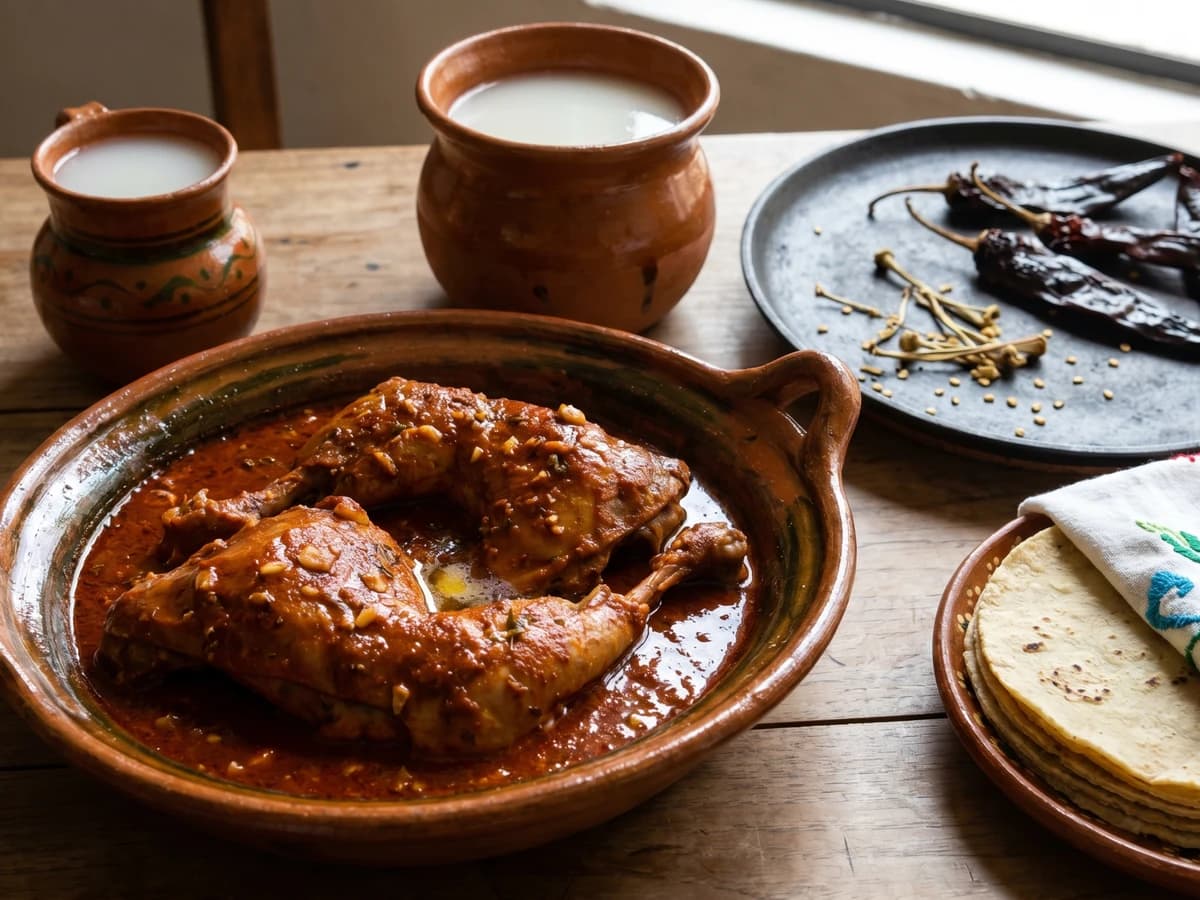
Querétaro's hacienda-country marinade of fresh pulque, chile pasilla, ajo, tomillo, and oregano, made to rest with lean rabbit overnight before the meat meets manteca and a clay cazuela.

Chef Lupita
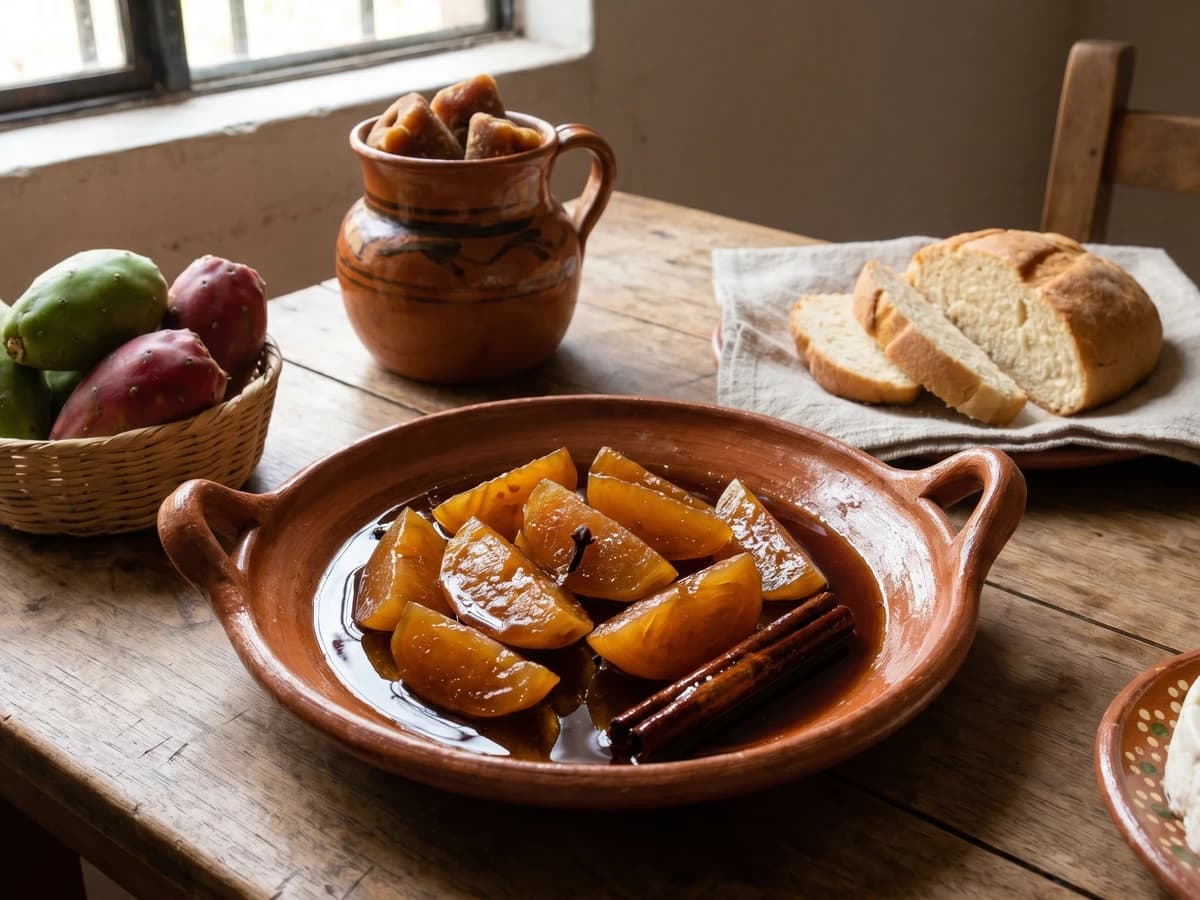
Guanajuato's Bajío preserve of sour xoconostles cooked slowly in piloncillo, canela, and clavo until the fruit turns amber, firm, and ready for queso ranchero or pan de feria.

Chef Lupita
Querétaro's creamy enchilada salsa, chile ancho softened in milk, blended with egg, and fried in manteca until it coats warm corn tortillas in a quiet red sauce.

Chef Lupita
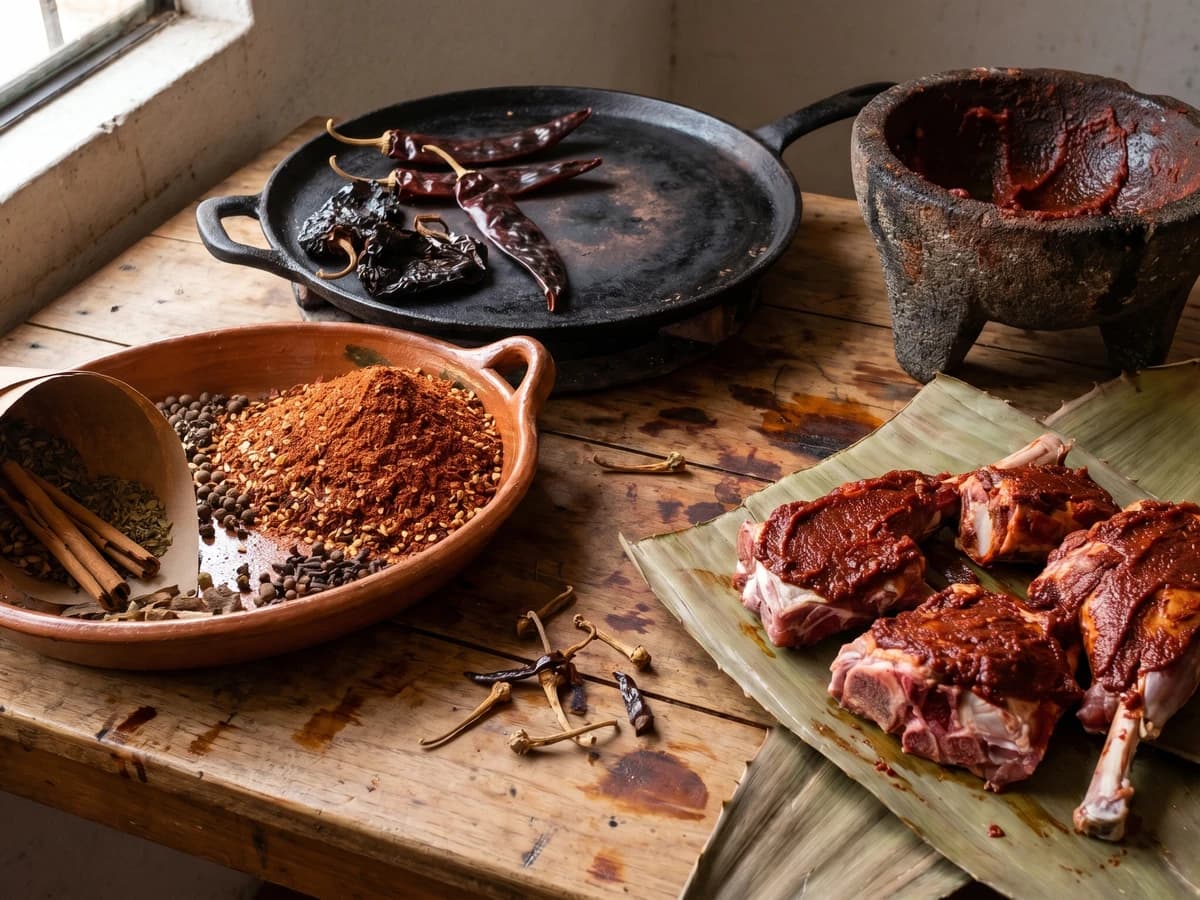
Aguascalientes' dry recado for cordero birria, built from toasted guajillo, ancho, jengibre, clavo, oregano, and salt before the meat is wrapped and steamed slowly.

Chef Lupita
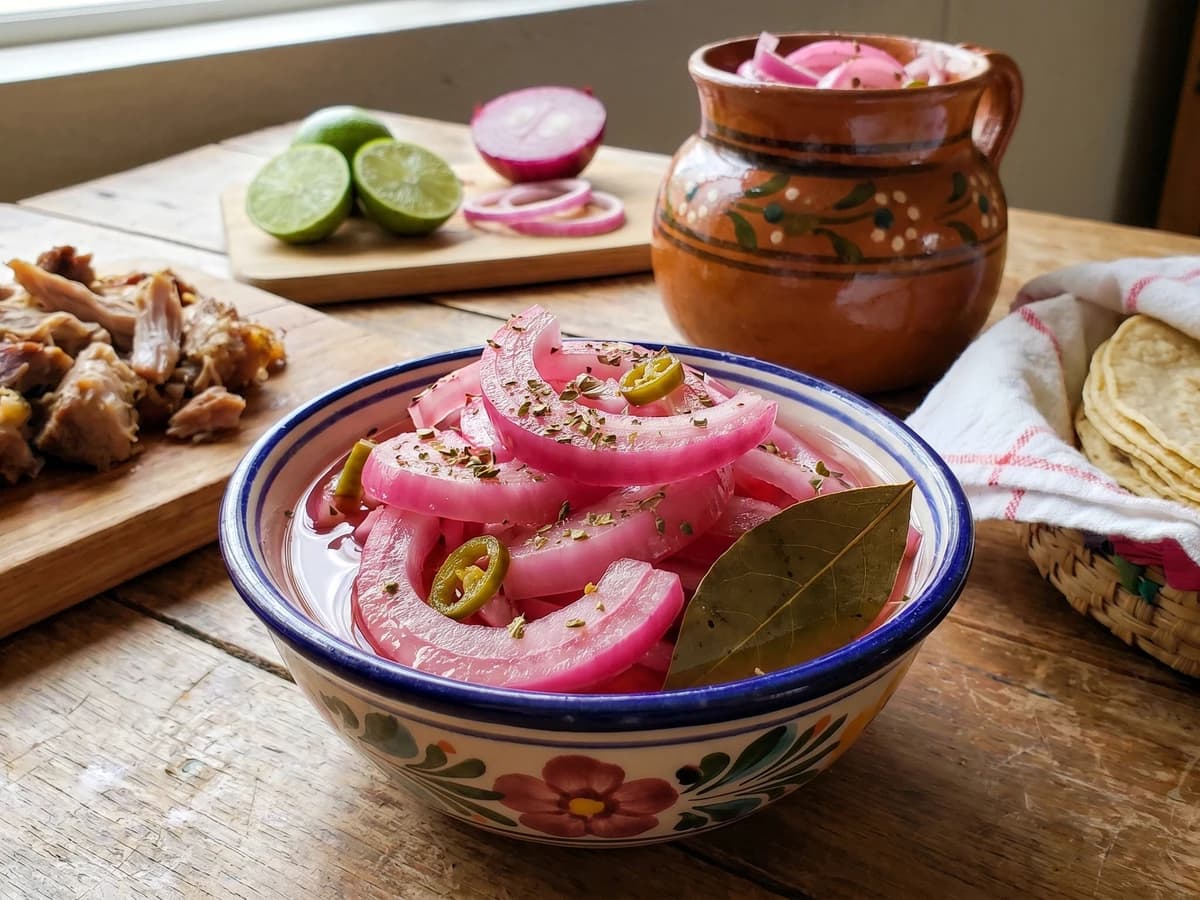
Guanajuato's Bajío table pickle, thin red onion softened in hot vinegar with orégano mexicano, cumin, bay leaf, and serrano, the sharp pink bite beside carnitas from Apaseo.

Chef Lupita
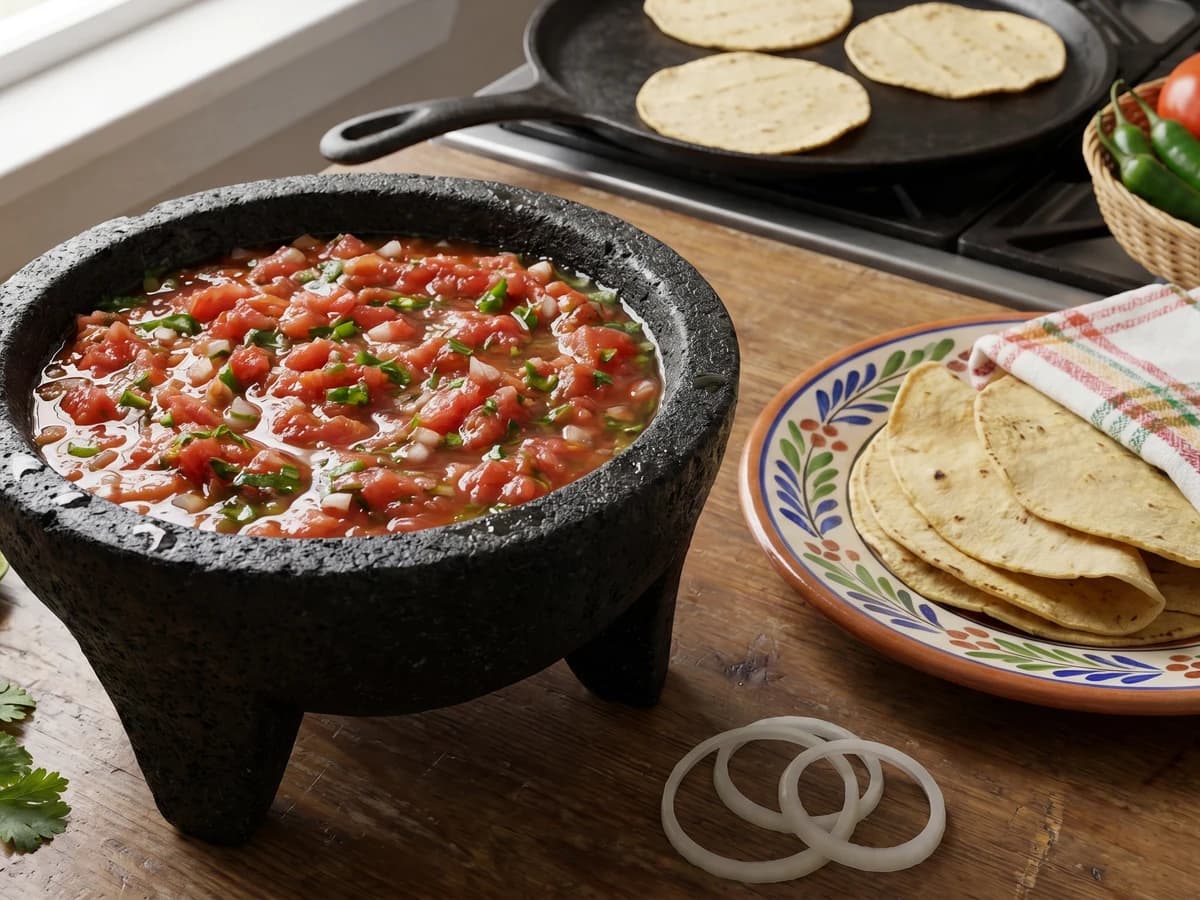
Guanajuato's raw Bajio table salsa, crushed in volcanic stone with ripe jitomate, chile serrano, white onion, cilantro, lime, and sal de grano for anything coming off the comal.

Chef Lupita
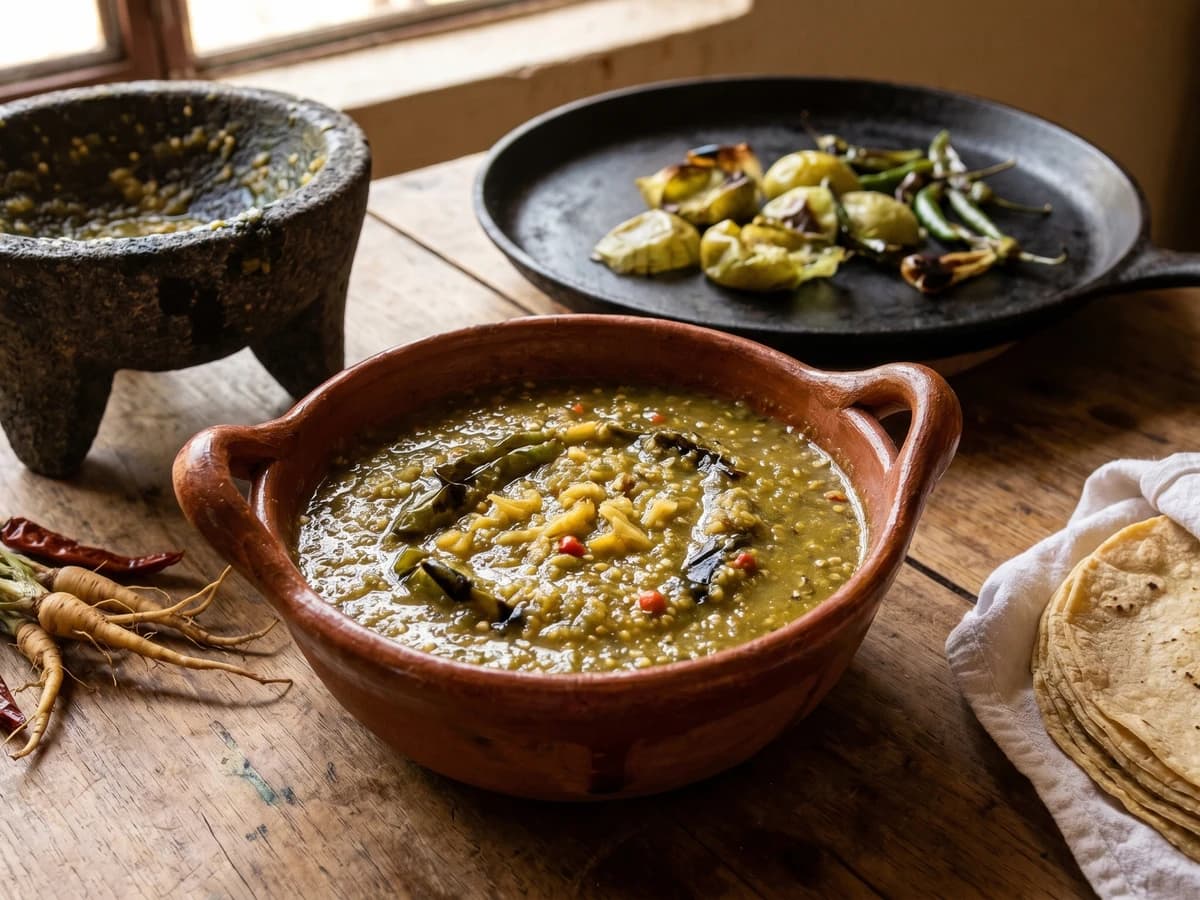
Guanajuato's Sierra Gorda salsa uses the golden Otomi root, roasted chile serrano, tomatillo, and sal de grano, ground in a molcajete until the heat tingles before it burns.

Chef Lupita
Querétaro's Sierra Gorda preserve of wild garambullos, simmered slowly with piloncillo, orange peel, canela, and lime until the cactus berries shine like purple beads in thick syrup.

Chef Lupita
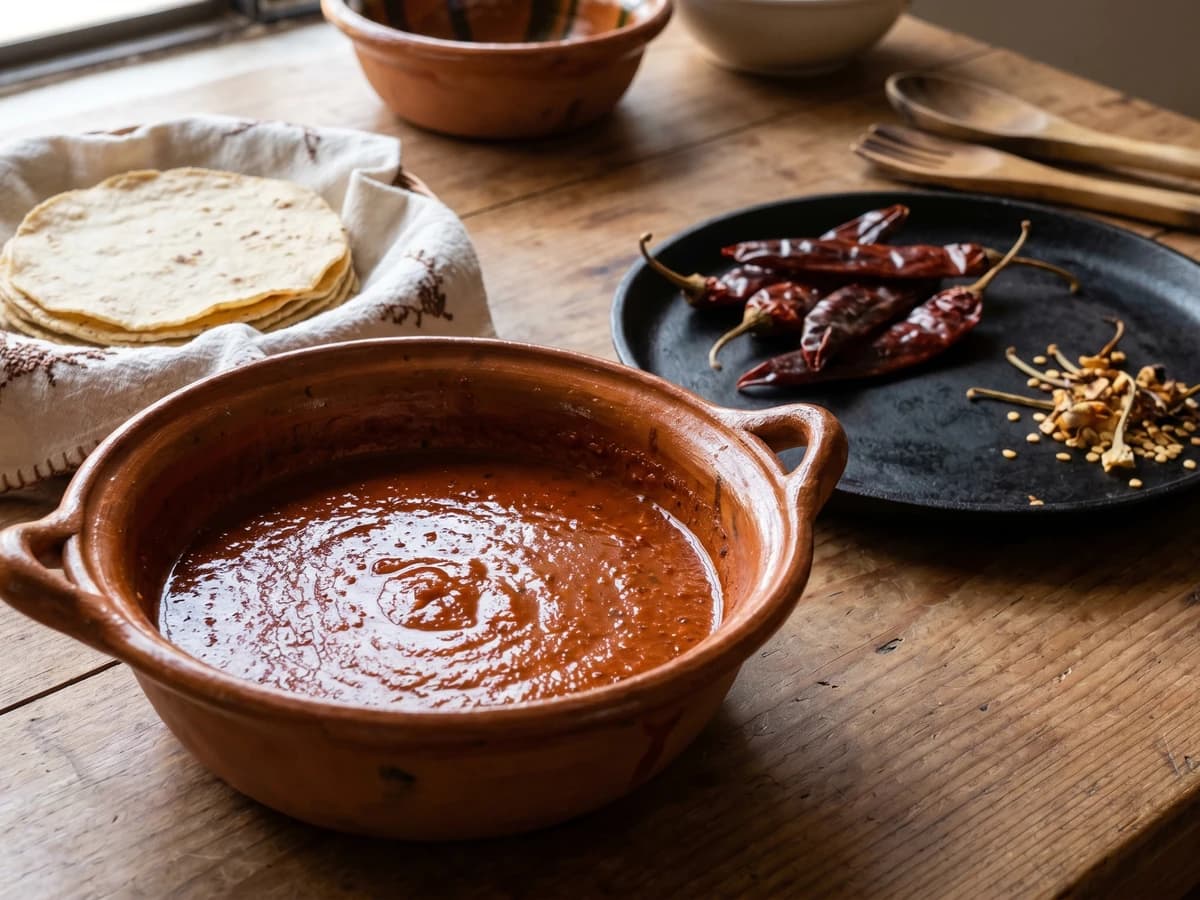
Queretaro's lighter red enchilada sauce, built from toasted chile guajillo, roasted garlic, comino, and Mexican oregano, then fried until the color turns brick-red and the oil shines at the edge.
Chef Lupita
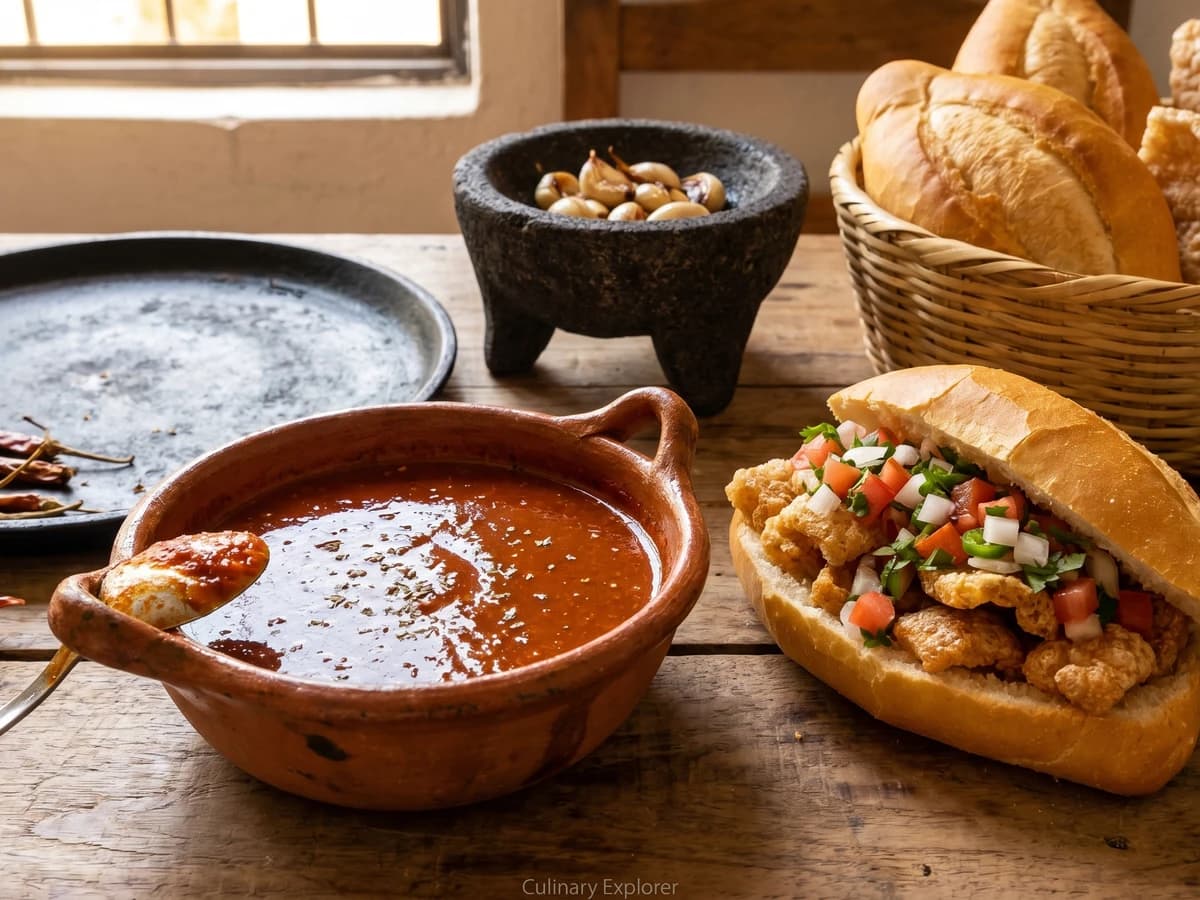
Guanajuato's sharp red salsa for the guacamaya of Leon, built from toasted chile de arbol, garlic, salt, and vinegar, hot enough to wake up the chicharron inside the bolillo.

Chef Lupita
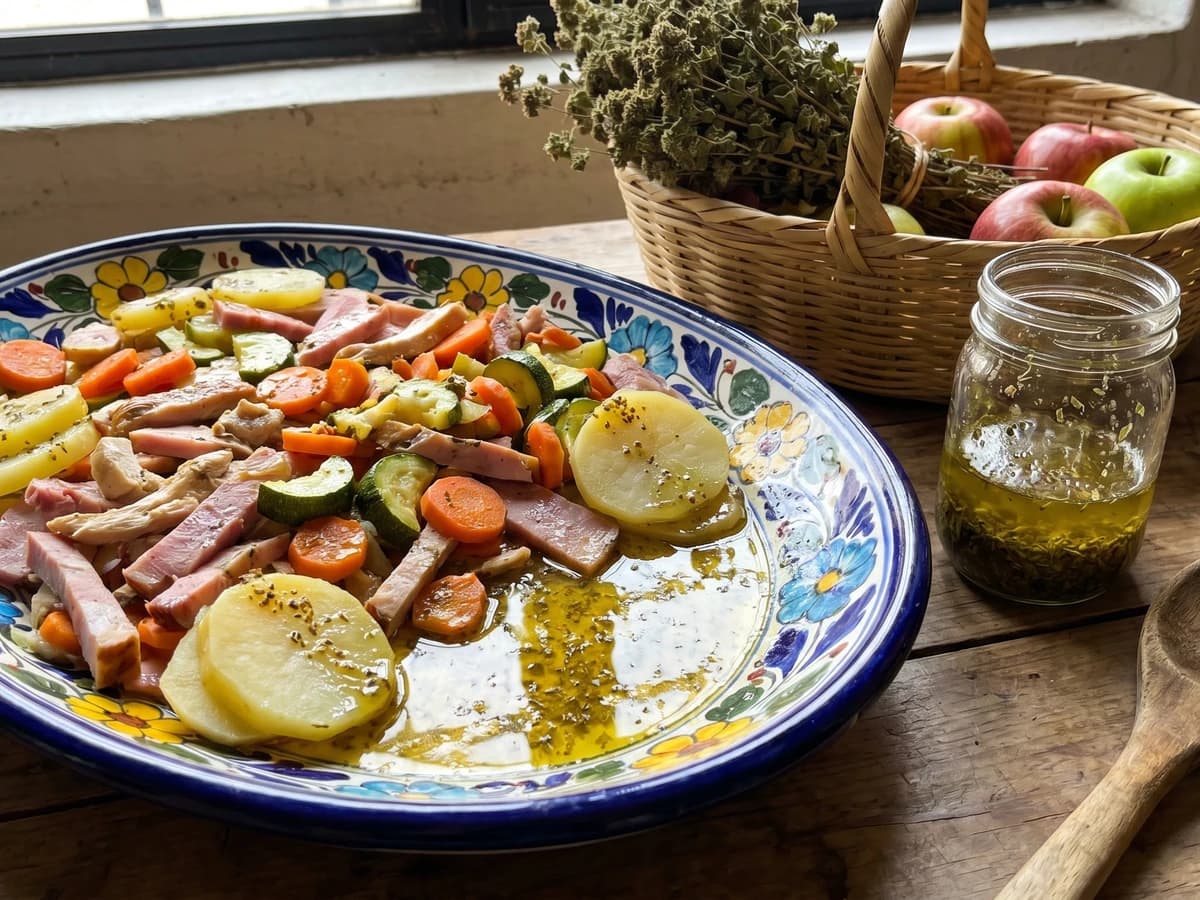
San Luis Potosí's sharp mustard and herb vinagreta, built with apple vinegar and dried mountain herbs, made to soak fiambre potosino overnight until every vegetable and meat tastes seasoned through.
Culinary guides, cultural storytelling, and the editorial depth that makes cooking meaningful.
Discover Culinary Explorer